Bouvigne Castle
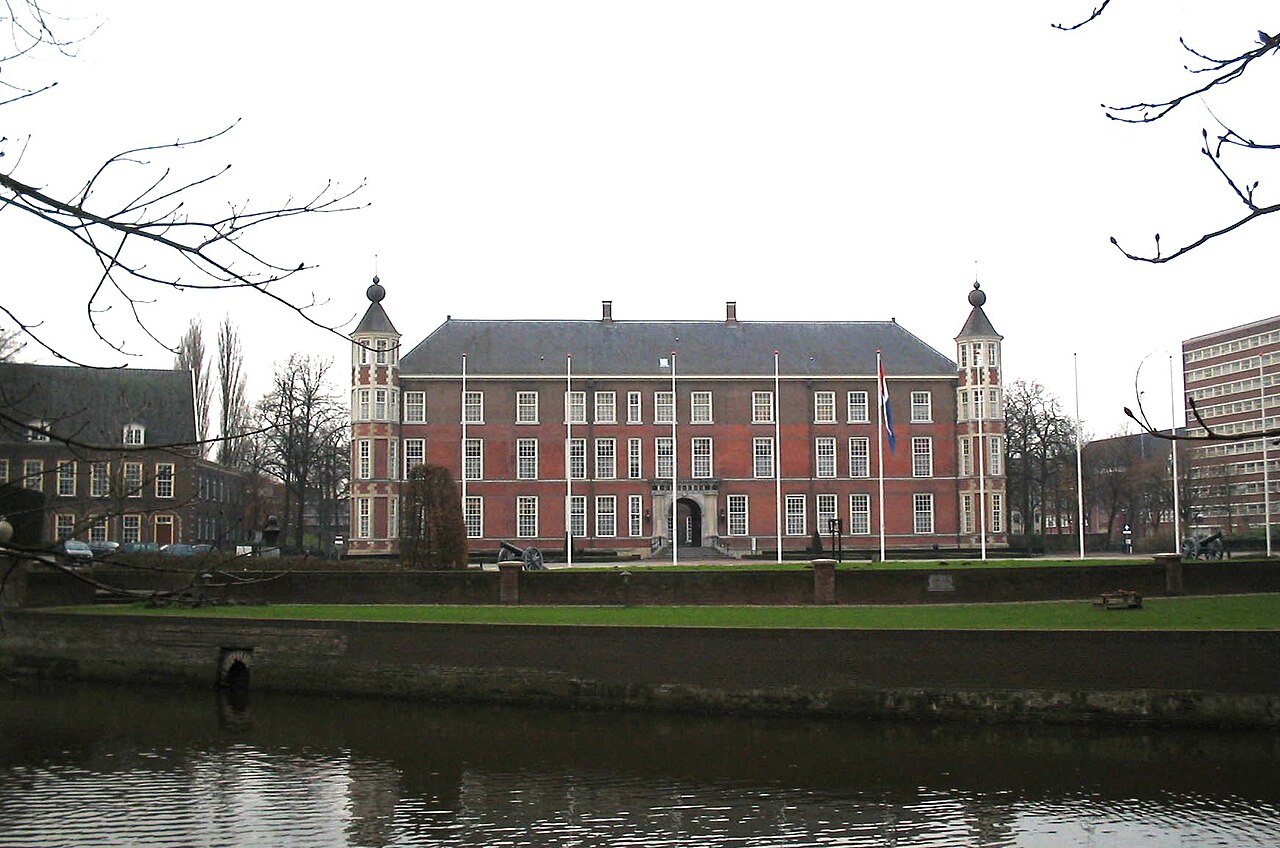
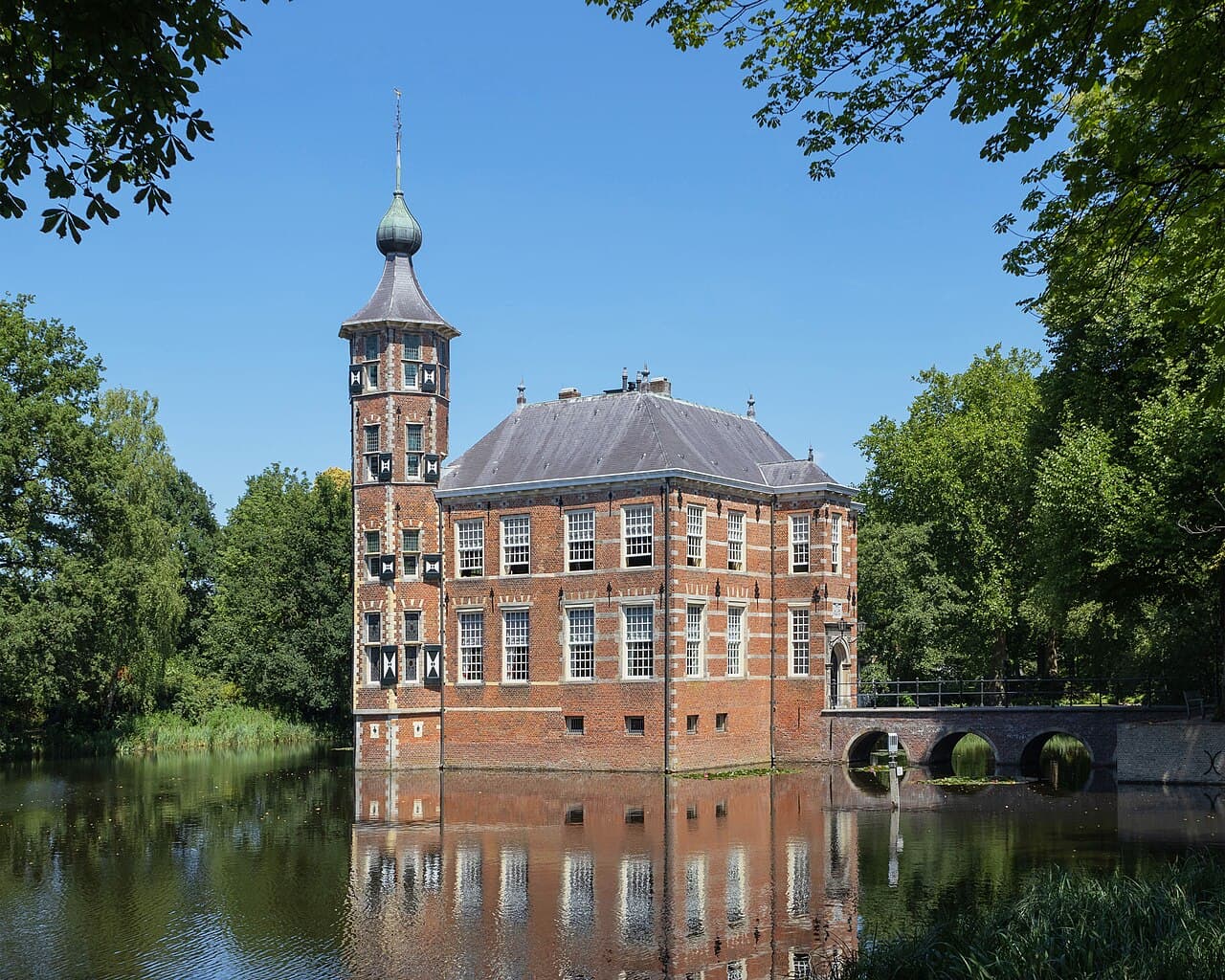
Bouvigne Castle, locally known as Kasteel Bouvigne, is a distinguished Renaissance moated castle located in a forested area just south of the city of Breda in the province of North Brabant, Netherlands. This historic estate is renowned for its well-preserved Renaissance architecture, charming gardens, and rich history dating back to the mid-16th century.
The castle’s origins trace back to at least 1548 when it was constructed by Jan van Brecht as a replacement for an older residence. Initially referred to as "Boeverie" or "Boeverijen," it began as a stately moated house and farmstead. The earliest official mention of the castle dates to 1554 in the testament of Jacob van Brecht, describing it as a substantial stone building surrounded by water. Over the remainder of the 16th century, Bouvigne Castle underwent a series of expansions and modifications, including the addition of a tower between 1554 and 1611, which was later extended to its current height. These developments gave the castle much of its present-day appearance.
Architectural features and style
Bouvigne Castle exemplifies renaissance architectural principles, characterized by its balanced proportions, use of stone, and moated design which was typical for fortified country houses of the period in the Netherlands. The castle’s layout includes a main residential building surrounded by a moat, with a prominent gatehouse that was replaced in the late 18th century. The tower added in the early 17th century serves as a notable vertical element, enhancing the castle’s silhouette.
The castle grounds feature formal gardens laid out in the early 20th century by Leopold de Bruyn, which complement the historic structure and provide a scenic environment for visitors. The gardens reflect the tradition of Dutch landscape design, emphasizing symmetry and ornamental planting.
Historical ownership and significance
The Van Brecht family were the original recorded owners, using the castle primarily as a summer residence while residing in the town of Breda for the rest of the year. In 1611, ownership passed to Jan Baptist Keermans, who undertook significant rebuilding efforts. However, just a few years later in 1614, the estate was acquired by Philip William, Prince of Orange. The Princes of Orange, who held the castle for centuries, showed limited personal interest in the property and mostly rented it to stewards, which led to periods of neglect and deterioration.
By the late 18th century, the castle had fallen into such disrepair that demolition was considered. However, local inhabitants intervened to preserve this historic monument. In 1775, the castle was restored by Jan Daniel Engel, marking the beginning of efforts to maintain its structural and aesthetic integrity.
In 1799, George Ruysch purchased the castle and implemented several alterations, including replacing the original gatehouse with the current one and adopting the Frenchified name "Bouvigne," a fashionable trend of the time. The castle changed hands multiple times during the 19th century, with each owner contributing to its upkeep and the development of its gardens.
20th-century preservation and current use
In 1901, Leopold de Bruyn acquired the castle and designed the gardens that remain today, enhancing the castle’s appeal as a cultural and natural landmark. To prevent urban development encroaching on the estate, the local municipality purchased the property in 1930. The castle was then rented to the catechists of the Pius X Society, serving a religious and community role.
The castle entered a new phase of preservation in 1971 when it was sold to the Brabant Delta water authority (Waterschap), the regional body responsible for water management. They undertook restoration work and constructed an office building on the grounds, balancing heritage conservation with modern utility.
Today, Bouvigne Castle is accessible to the public free of charge during office hours. While the interior and gatehouse are not open for general visitation, the castle is available for private events such as wedding ceremonies. Its combination of historic architecture and beautifully maintained gardens makes it a favored destination for visitors seeking cultural enrichment and leisure in a serene setting.
The castle’s cultural and heritage importance
Bouvigne Castle stands as a testament to the architectural and social history of the Dutch Renaissance era. Its preservation reflects the community’s dedication to maintaining local heritage and offers insight into the lifestyle of the nobility and landowners of the time. The castle’s moated design, tower, and gatehouse illustrate typical defensive and aesthetic features of Renaissance country houses in the Netherlands.
The castle’s gardens, shaped in the early 20th century, further enhance its historical value by showcasing traditional Dutch garden design principles. Together, the castle and its grounds contribute significantly to the cultural landscape of North Brabant and serve as a valuable educational resource for visitors interested in architecture, history, and horticulture.
Frequently asked questions (FAQ)
- What is the historical significance of Bouvigne Castle?
- Bouvigne Castle is a notable example of medieval architecture in the Netherlands, dating back to the 15th century. It has served various purposes throughout its history, including as a noble residence and a military stronghold, reflecting the region's rich heritage.
- When was Bouvigne Castle built?
- Bouvigne Castle was constructed in the late 15th century, specifically around 1470. Its impressive structure has stood the test of time, showcasing the architectural styles and defensive features of that era.
- Can I visit Bouvigne Castle?
- Yes, Bouvigne Castle is open to the public for visitors to explore its beautiful grounds and enjoy the scenic surroundings. However, access to the interior may be limited, so it's recommended to check in advance for any guided tours or special events.
- What are the opening hours for Bouvigne Castle?
- Bouvigne Castle is typically open to visitors from Tuesday to Sunday, with specific hours varying by season. It's advisable to check the official website or contact the castle directly for the most current opening hours before planning your visit.
- Is it possible to explore the gardens of Bouvigne Castle?
- Yes, visitors can enjoy the picturesque gardens surrounding Bouvigne Castle, which are a highlight for many. These well-maintained gardens provide a perfect setting for leisurely strolls and photography, enhancing your visit to this historic site.
- When is the best time to visit Bouvigne Castle?
- The best time to visit Bouvigne Castle is during the spring and early autumn when the weather is mild and the gardens are in full bloom. Additionally, visiting during weekdays can help you avoid larger crowds, allowing for a more peaceful experience.
- What are the ticket prices for visiting Bouvigne Castle?
- Entry to the grounds of Bouvigne Castle is often free, but there may be a fee for special exhibitions or guided tours. It's best to check the castle's official website for the latest information regarding any costs associated with your visit.
- Are there any nearby attractions to Bouvigne Castle?
- Yes, Bouvigne Castle is located near several attractions, including the city center of Breda, which offers shopping, dining, and cultural experiences. Additionally, the beautiful Mastbos Forest is nearby, perfect for hiking and enjoying nature.
- How do I get to Bouvigne Castle from Breda's city center?
- Bouvigne Castle is easily accessible from Breda's city center, approximately a 10-minute drive or a 30-minute walk. Public transportation options, such as buses, are also available, making it convenient for visitors to reach the castle.
Photo gallery

Information
Loading map...
Visitor reviews
No reviews yet. Been here? Write the first review and help other travelers!
Write the first reviewVisited this castle? Share your experience
Your review helps other travelers and adds first-hand knowledge to our encyclopedia.