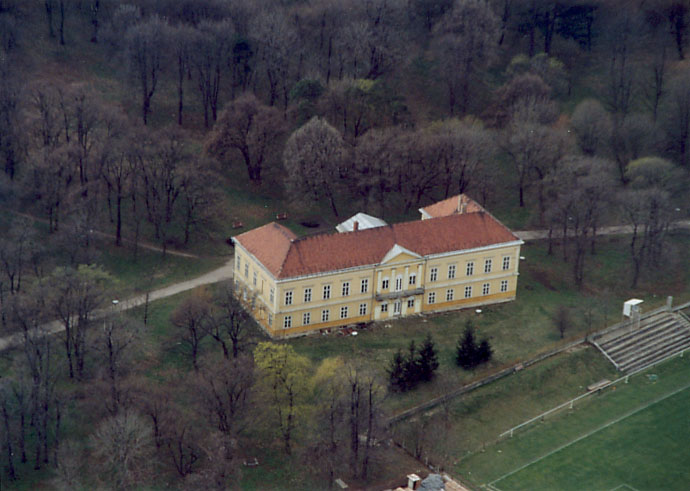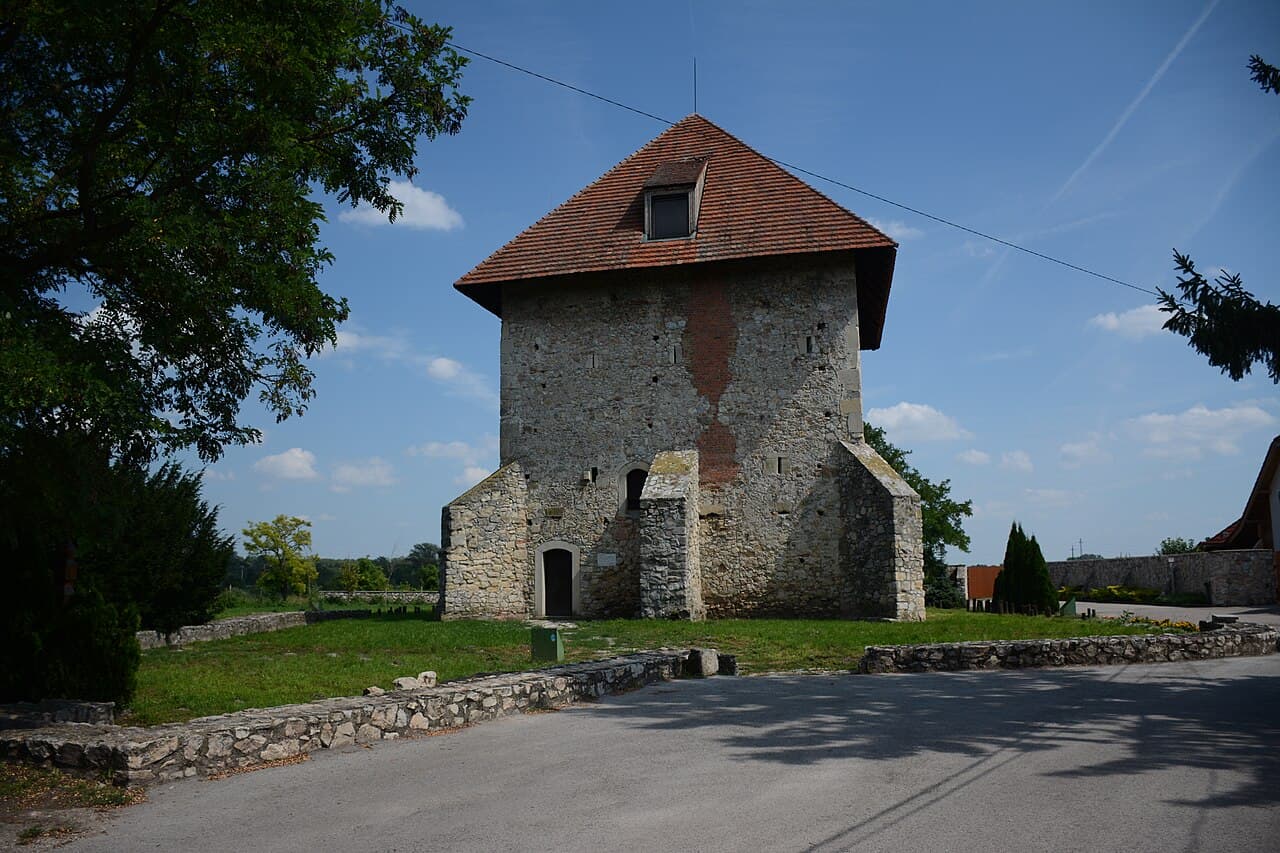
Kula Castle is a notable example of a hill castle located in Hungary, embodying the medieval fortification traditions of the region. Though the exact city location is less documented, the castle's position on elevated terrain highlights its strategic military importance during its time of use.
Historical background and significance
Constructed during the medieval period, Kula Castle served as a defensive stronghold in Hungary's turbulent history. Hill castles like Kula were typically built to control important routes and provide vantage points against invaders. The castle's origins likely date back to the High Medieval period, a time when Hungary fortified many such sites to protect its borders and maintain regional power.
Throughout its history, Kula Castle would have witnessed various military and political events, reflecting the broader conflicts in Central Europe. Its location on a hill would have allowed defenders to monitor surrounding lands and resist sieges effectively.
Architectural features and layout
Kula Castle exhibits characteristics typical of hill castles, including robust defensive walls, towers, and a compact layout adapted to the natural topography. The castle's fortifications were designed to maximize defense, with thick stone walls and elevated battlements for archers and lookouts.
The castle likely included a keep or donjon, serving as the last line of defense and residence for the lord or commander. Surrounding the keep, courtyards and ancillary buildings would have supported the garrison and daily operations.
Defensive structures
Key defensive elements would have included gatehouses, possibly with portcullises, and narrow arrow slits to allow defenders to repel attackers while minimizing exposure. The hilltop location itself was a natural defense, making direct assaults difficult.
Materials and construction techniques
The castle was constructed primarily of local stone, shaped and fitted to create durable walls capable of withstanding sieges. The masonry techniques reflect medieval craftsmanship, emphasizing both strength and functionality.
Current condition and preservation
Today, Kula Castle stands as a partially preserved ruin, with some walls and towers still visible. Its state reflects centuries of exposure to the elements and historical conflicts that may have led to damage and decay.
Efforts to maintain and preserve the site aim to protect its historical value and provide insight into medieval military architecture. Visitors can explore the remains and appreciate the castle's commanding position and design.
Visiting Kula Castle
While detailed visitor information is limited due to the castle's less prominent status, those interested in medieval fortifications and Hungarian history may find Kula Castle a worthwhile destination. Its hilltop setting offers scenic views and a tangible connection to the past.
Access may require hiking or travel through rural areas, typical for hill castles, so visitors should prepare accordingly.
Frequently asked questions (FAQ)
- How do I get to Kula Castle?
- Kula Castle is located in Hungary, and the easiest way to reach it is by car or public transport from nearby towns. There are local buses that connect to the nearest cities, and ample parking is available for those driving. Guided tours often include transportation from major cities, which can enhance your visit.
- What is the historical significance of Kula Castle?
- Kula Castle dates back to the 13th century and played a crucial role in the defense of the region during medieval times. It is a prime example of Gothic architecture and has witnessed numerous battles and changes in ownership throughout its history. Today, it serves as a testament to Hungary's rich historical tapestry.
- When was Kula Castle built?
- The construction of Kula Castle began in the early 13th century, around the year 1260. It was built as a fortress to protect the surrounding area from invasions. Over the years, it has undergone several renovations that reflect various architectural styles.
- Can I take guided tours of Kula Castle?
- Yes, guided tours are available for visitors who wish to learn more about the castle's history and architecture. These tours typically include access to the main areas of the castle and are led by knowledgeable guides. It is recommended to check the schedule in advance and book your spot, especially during peak tourist seasons.
- Why is Kula Castle a popular tourist destination?
- Kula Castle attracts visitors due to its stunning architecture, rich history, and picturesque views of the surrounding landscape. The castle offers a unique glimpse into medieval life and architecture, making it appealing to history buffs and architecture enthusiasts alike. Additionally, its location near other attractions enhances its appeal as a travel destination.
- Is it possible to visit Kula Castle year-round?
- Yes, Kula Castle is open to visitors year-round, though hours may vary seasonally. Be sure to check the official website or contact the castle for the most current opening hours and any seasonal events. Visiting during different seasons can provide a unique experience with varying landscapes.
- What are the ticket prices for Kula Castle?
- Ticket prices for Kula Castle are generally affordable, with discounts available for students, seniors, and children. Prices may vary for guided tours or special events, so it's best to check the official website for detailed information. Purchasing tickets in advance can also save you time on the day of your visit.
- What is the best time to visit Kula Castle?
- The best time to visit Kula Castle is during the spring and early fall when the weather is mild and the surrounding scenery is at its most beautiful. Summer is also popular, but can be crowded with tourists. Visiting during weekdays can help you avoid larger crowds and enjoy a more intimate experience.
- Are there any nearby attractions to Kula Castle?
- Yes, Kula Castle is situated near several other attractions, including historical towns, natural parks, and local wineries. Visitors can explore the charming villages nearby or enjoy outdoor activities such as hiking and biking in the surrounding countryside. A visit to the castle can easily be combined with exploring these local gems.
Photo gallery

Information
Loading map...
Visitor reviews
No reviews yet. Been here? Write the first review and help other travelers!
Write the first reviewVisited this castle? Share your experience
Your review helps other travelers and adds first-hand knowledge to our encyclopedia.