Bolton Castle
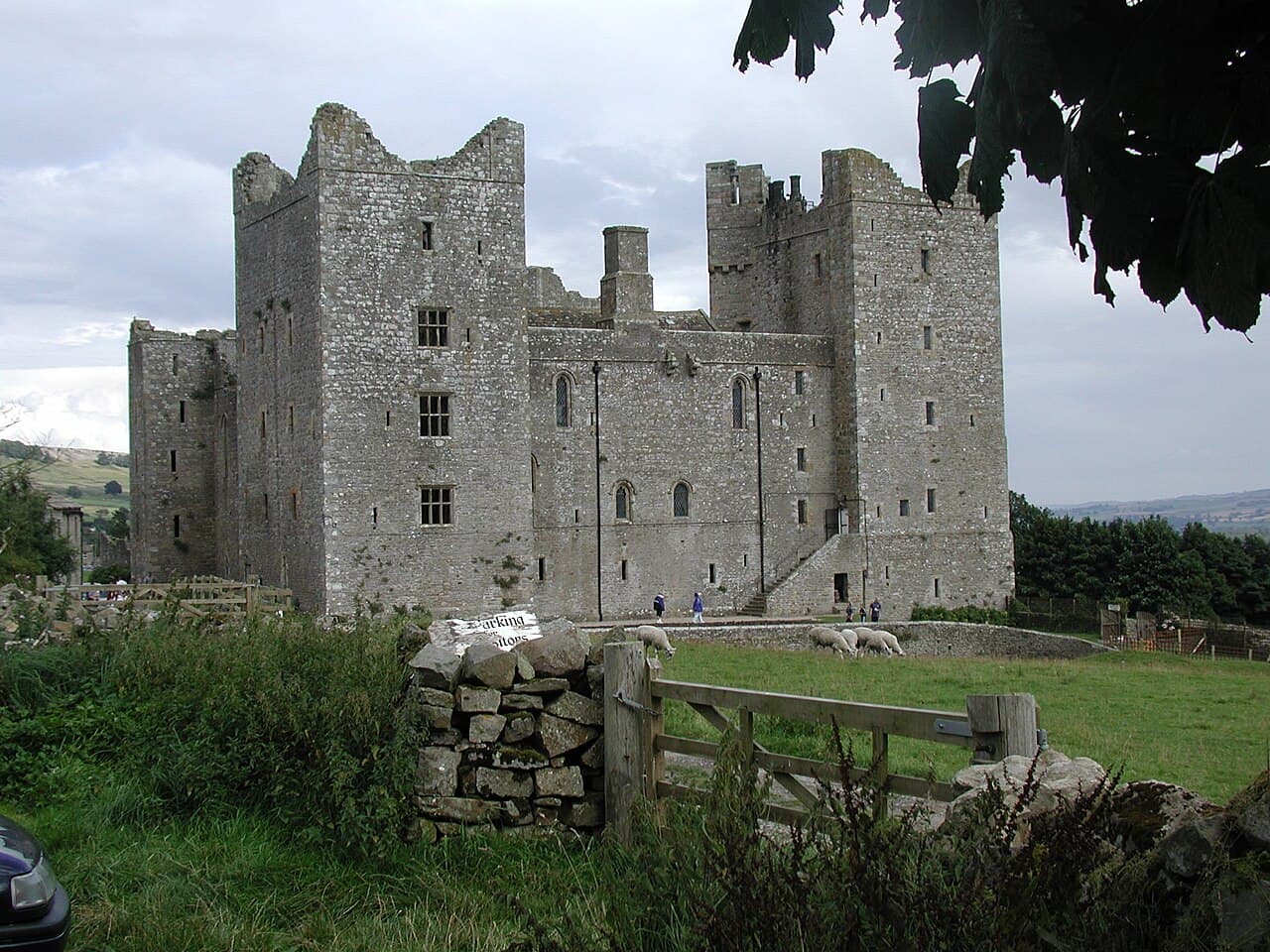
Bolton Castle is a remarkable example of a 14th-century hill castle situated in the scenic valley of Wensleydale, Yorkshire, England. Constructed between 1378 and 1399 by Sir Richard le Scrope, the castle was designed primarily as a fortified residence and stronghold. Its location atop a natural rise provided strategic defensive advantages, overseeing the surrounding landscape and controlling important routes through the region.
Architectural design and features
The castle is built in a quadrangular layout with four large towers at each corner, enclosing a central courtyard. This design reflects the typical late medieval style of fortress architecture, emphasizing defense and residential comfort. The massive stone walls, some up to 2.5 meters thick, are punctuated by narrow arrow slits and battlements, allowing defenders to repel attackers effectively.
Bolton Castle's entrance is fortified with a strong gatehouse featuring a portcullis and murder holes, typical defensive elements of the period. Inside, the castle contains a great hall, private chambers, a chapel, and service rooms arranged around the courtyard. The great hall was the social and administrative heart of the castle, hosting feasts, meetings, and judicial proceedings.
One of the castle's notable architectural features is its well-preserved medieval kitchen and dungeon. The dungeon was famously used to imprison Mary, Queen of Scots, for a period during the 16th century. The castle's defensive walls are complemented by a surrounding moat, which added an additional layer of protection.
Historical significance and events
Bolton Castle has a rich history intertwined with the Scrope family, who have owned the castle since its construction. The castle played a role during the English Civil War, when it was besieged and subsequently "slighted"—a deliberate damaging to reduce its military usefulness. Despite this, much of the castle's structure survived, allowing it to remain an impressive medieval monument.
The castle's most famous historical moment came during the late 16th century when Mary, Queen of Scots, was held captive here from 1568 to 1569. Her imprisonment adds a significant chapter to the castle's history, attracting interest from historians and visitors alike.
Preservation and current status
Today, Bolton Castle is a Grade I listed building and a Scheduled Ancient Monument, reflecting its national importance as a heritage site. The castle remains under the ownership of the descendants of the Scrope family, maintaining a continuous lineage of stewardship for over six centuries.
The castle is well preserved with many original features intact, including the walls, towers, and internal rooms. Visitors can explore the castle's extensive grounds, including the moat and gardens, and experience the medieval atmosphere through guided tours and historical reenactments.
Visitor experience and cultural impact
Bolton Castle offers a unique opportunity to step back into the late medieval period with its authentic architecture and rich history. The castle hosts various events throughout the year, including medieval fairs, educational programs, and exhibitions that highlight its historical and architectural significance.
Its location in Wensleydale also makes it a popular destination for tourists exploring the Yorkshire Dales, combining natural beauty with cultural heritage. The nearby village of Castle Bolton derives its name from the castle, underscoring the site's influence on the local community.
Frequently asked questions (FAQ)
- When was Bolton Castle built?
- Bolton Castle was constructed in the late 14th century, between 1378 and 1399, by Sir Richard le Scrope.
- Can I visit Bolton Castle year-round?
- Bolton Castle is open to visitors throughout the year, with seasonal variations in opening hours. It is advisable to check the official website before planning your visit.
- What is the architectural style of Bolton Castle?
- Bolton Castle is a prime example of late medieval fortress architecture, featuring a quadrangular layout with four corner towers and thick defensive walls.
- Who was imprisoned at Bolton Castle?
- Mary, Queen of Scots, was famously imprisoned at Bolton Castle from 1568 to 1569 during her captivity in England.
- Is Bolton Castle accessible for visitors with mobility issues?
- While efforts have been made to improve accessibility, the medieval structure and terrain may present challenges for some visitors with mobility issues. It is recommended to contact the castle in advance for specific accessibility information.
Photo gallery

Information
Current owner
Descendants of the Scrope family
Loading map...
Visitor reviews
No reviews yet. Been here? Write the first review and help other travelers!
Write the first reviewVisited this castle? Share your experience
Your review helps other travelers and adds first-hand knowledge to our encyclopedia.