Blaker Fortress
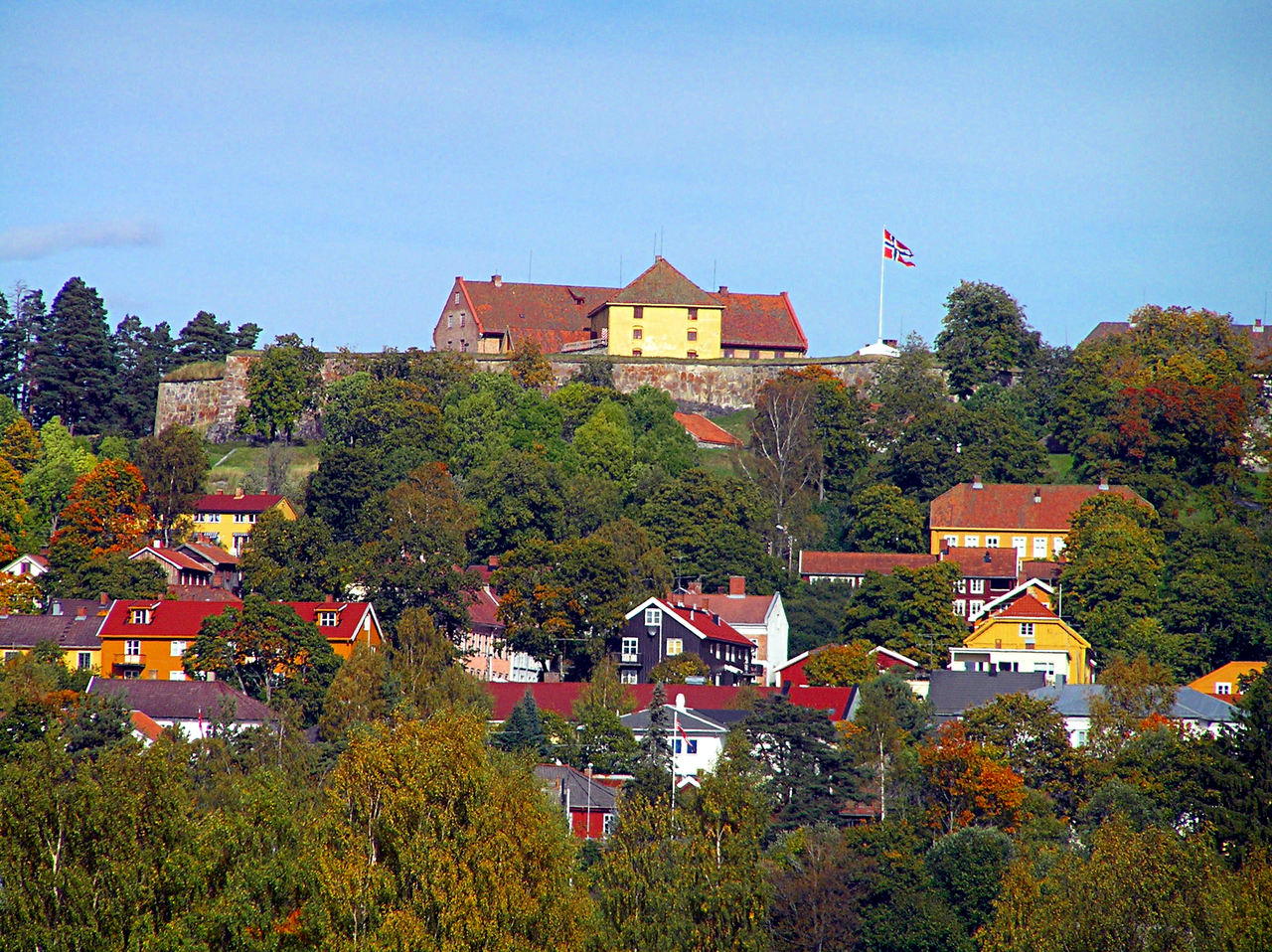
Blaker Fortress stands as a significant example of 17th-century military architecture in Norway, constructed during a period of intense rivalry among the Baltic powers including Denmark-Norway, Sweden, Russia, Poland, and the German states. This fortress was strategically positioned on the banks of the Glomma river in Blaker, a former township in Akershus, to control river access and serve both defensive and offensive military functions.
Historical context and construction
The fortress was commissioned in 1675 under the direction of Ulrik Frederik Gyldenløve, the Governor-general of Norway, as part of a broader initiative to upgrade Norwegian fortifications. Gyldenløve's program aimed to strengthen the kingdom's defenses against Swedish incursions and other Baltic powers vying for dominance in the region. The location at Blaker was chosen for its strategic importance along the Glomma river, Norway's longest river, which was a vital transportation and communication route.
Blaker Fortress was designed as a bastioned fortress typical of the Renaissance military architectural style, characterized by angular bastions and low, thick walls adapted to withstand artillery fire. The fortress included a series of bastions, curtain walls, and a moat, providing a robust defensive perimeter. Its design allowed for both a strong defensive position and a base for launching offensive operations against invading forces.
Military significance and engagements
The fortress played a notable role during the Great Northern War in the early 18th century. In 1718, it was besieged by the Swedish army under King Charles XII during his campaign against Norway. However, the siege was lifted following the king's death at the nearby Fredriksten Fortress, which marked a turning point in the conflict. This event underscored Blaker Fortress's role as a key defensive installation in Norway's military network.
Throughout its active military use, Blaker Fortress served as a garrison for troops prepared to defend the region or to participate in offensive operations. Its position on the Glomma river allowed control over river traffic and served as a deterrent to enemy advances.
Architectural features and layout
The fortress's layout reflects Renaissance principles of fortification, with bastions designed to cover each other with cannon fire and minimize blind spots. The walls were constructed with earth and stone, designed to absorb and deflect artillery fire rather than resist direct hits from cannonballs. The moat surrounding the fortress added an additional layer of defense, complicating any assault.
Inside the fortress, buildings included barracks, storage facilities, and command structures essential for sustaining a military garrison. The design balanced functionality with the need for protection, ensuring that the fortress could operate independently during sieges or military campaigns.
Post-military use and cultural significance
After its military relevance declined, Blaker Fortress found new life in civilian use. From 1917 to 2003, it served as an educational center for craftsmen, art teachers, and designers, contributing to Norway's cultural and artistic development.
Today, the fortress is a vibrant cultural venue hosting offices, exhibitions, weddings, parties, and conferences. It offers historical walks, theatrical performances, ghost tours, and reenactments featuring costumes from the 1700s and 1800s. The fortress also hosts ceremonial salutes with cannons, preserving its martial heritage while engaging the public in its rich history.
Visiting Blaker Fortress
Visitors to Blaker Fortress can explore the well-preserved bastions, walls, and moat, gaining insight into Renaissance military architecture and Norway's defensive strategies during the 17th and 18th centuries. The site provides an educational experience enriched by cultural events and guided tours that highlight its historical significance and architectural features.
Frequently asked questions (FAQ)
- What is the historical significance of Blaker Fortress?
- Blaker Fortress, built in the late 17th century, played a crucial role in Norway's defense during various conflicts. Its strategic location allowed it to oversee key waterways, making it a vital military installation throughout its history.
- When was Blaker Fortress constructed?
- Blaker Fortress was constructed between 1682 and 1686, showcasing the military architectural style of the period. It was designed to protect the region from invasions and has stood the test of time as a symbol of Norway’s military history.
- How do I get to Blaker Fortress?
- Blaker Fortress is accessible by car, with parking facilities available nearby. Public transportation options include local buses that connect to Blaker, making it easy for visitors to reach the fortress from surrounding areas.
- What are the opening hours for Blaker Fortress?
- Blaker Fortress is open to visitors from May to September, typically from 10 AM to 5 PM. It is recommended to check the official website for any seasonal changes or special events that may affect opening hours.
- Can I take guided tours of Blaker Fortress?
- Yes, guided tours of Blaker Fortress are available during the visitor season. These tours provide in-depth insights into the fortress's history, architecture, and significance, making for an enriching experience.
- Is it possible to explore the fortress grounds on my own?
- Absolutely, visitors are welcome to explore the fortress grounds independently. There are informational signs throughout the site that offer historical context and details about the various structures.
- What is the best time to visit Blaker Fortress?
- The best time to visit Blaker Fortress is during the summer months, from June to August, when the weather is pleasant and all facilities are fully operational. Additionally, this is when various cultural events and activities often take place.
- Are there any nearby attractions to visit?
- Yes, there are several nearby attractions, including the beautiful Blaker Church and the scenic lakes in the surrounding area. Visitors can also enjoy hiking trails and local eateries that enhance the overall experience of the region.
- What are the ticket prices for visiting Blaker Fortress?
- Ticket prices for Blaker Fortress are reasonably priced, with discounts available for students and seniors. Children under 12 can often enter for free, making it an affordable outing for families.
Information
Website
Visit websiteSources & official resources
Verify the information above using these authoritative references.
Loading map...
Visitor reviews
No reviews yet. Been here? Write the first review and help other travelers!
Write the first reviewVisited this castle? Share your experience
Your review helps other travelers and adds first-hand knowledge to our encyclopedia.