Basmo Fortress
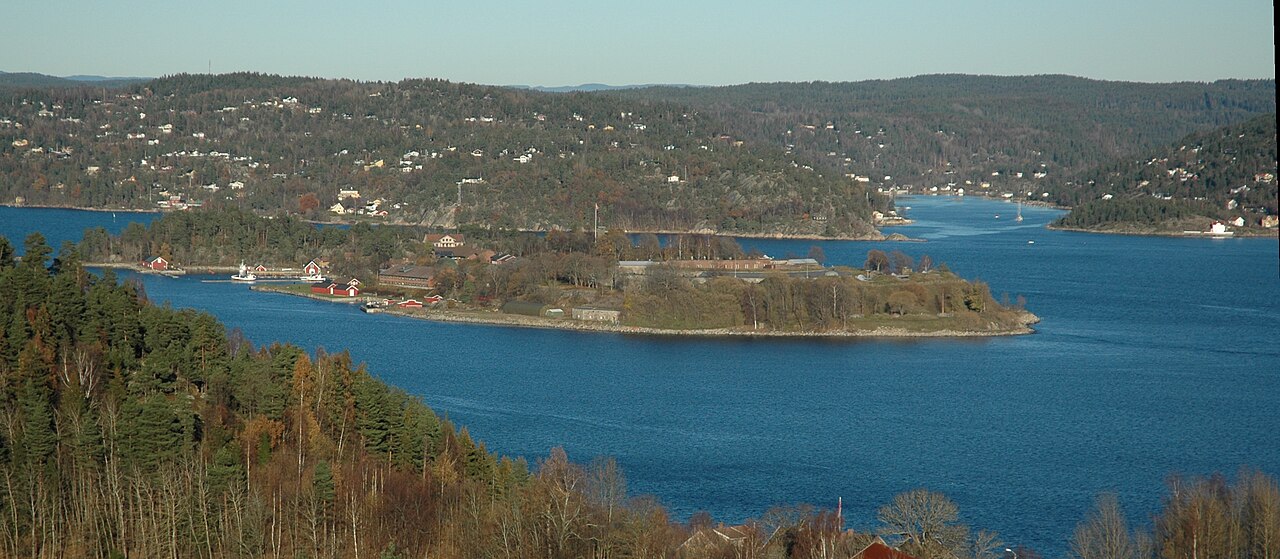
Basmo fortress is a historic military stronghold located in Marker, Norway, within the region of Agder. Constructed in the 1680s under the direction of Major General Johan Caspar von Cicignon, it served as a strategic defense point on the Norwegian-Swedish border during a period marked by frequent conflicts, including the Great Northern War.
Construction and strategic design
The fortress was designed by Johan Caspar von Cicignon, a renowned military engineer known for his expertise in fortress architecture. Basmo was built to withstand the evolving artillery technology of the late 17th century, featuring robust bastioned walls and a layout adapted to the mountainous terrain. Its elevated position allowed for extensive surveillance of the border area, making it a critical point for early warning and defense against Swedish incursions.
Historical significance during the great northern war
Basmo fortress played a pivotal role during the Great Northern War (1700-1721). At its peak, the fortress was manned by up to 1,350 soldiers, reflecting its importance in the Norwegian defense system. The first recorded mention of Basmo in military correspondence dates to a letter from Field Marshal Wedel Jarlsberg to the King in 1683, highlighting its early strategic relevance.
The 1716 swedish invasion
On the night of March 9, 1716, Basmo fortress was at the center of a critical military engagement when Swedish King Charles XII led a force of approximately 1,000 men across the border. The invasion was signaled by pyres lit on mountaintops, a traditional method of rapid communication. The Swedish troops advanced swiftly, exploiting the poorly guarded border to reach Høland parsonage.
The Norwegian defense was quickly mobilized by Colonel Kruse, the commander of Basmo fortress. He gathered local troops and launched a counterattack against the Swedish forces in a fierce and bloody battle. Although King Charles XII narrowly escaped capture, the Norwegians were eventually overwhelmed due to being outnumbered. Colonel Kruse was severely wounded and taken prisoner.
Despite this setback, the Swedish occupation of Christiania (now Oslo) on March 21, 1716 was short-lived, as Norwegian forces regrouped and repelled the invaders. Basmo fortress’s role in these events underscored its strategic importance in border defense.
The 1718 campaign and aftermath
Basmo again found itself in the path of Swedish troops during King Charles XII’s second invasion attempt in 1718. Although details of specific engagements at Basmo during this campaign are less documented, the fortress remained a key military asset until it was abandoned in 1745 after 62 years of active service.
Architectural features and layout
The fortress exemplifies late 17th-century military architecture, characterized by its bastioned fortress design which was intended to provide overlapping fields of fire and resist cannon bombardment. The walls were constructed of stone and earthworks, optimized for defense against both infantry and artillery assaults. Its location on a mountaintop provided natural defensive advantages, including steep slopes that hindered enemy approach.
Basmo’s internal structures included barracks, armories, and command buildings arranged around a central courtyard. The design reflected contemporary principles of military engineering, emphasizing functionality and the ability to sustain a garrison during prolonged sieges.
Legacy and preservation
Today, Basmo fortress is recognized as an important cultural and historical monument in Norway. Although it was abandoned in the mid-18th century and is no longer an active military site, its remains offer valuable insights into the military history and fortress construction techniques of the period. The site is partially preserved, with visible ruins that attract historians and visitors interested in Norway’s border defense heritage.
Basmo’s story is closely tied to the turbulent history of Norwegian-Swedish relations and the broader conflicts of Northern Europe in the early modern era. It stands as a testament to the military strategies and architectural innovations of its time.
Frequently asked questions (FAQ)
- What is Basmo Fortress known for?
- Basmo Fortress is a historic site in Marker, Norway, known for its remarkable medieval architecture and strategic significance during various conflicts. Its robust structure and panoramic views of the surrounding landscape make it a fascinating destination for history enthusiasts and tourists alike.
- When was Basmo Fortress built?
- Basmo Fortress was constructed in the late 13th century, originally serving as a stronghold for local rulers and military leaders. Over the centuries, it has witnessed numerous battles and has been a key point in Norway's history.
- How do I get to Basmo Fortress?
- Basmo Fortress is accessible by car and public transport from nearby towns. The fortress is well-signposted, and visitors can park nearby, making it easy to explore the area.
- Can I visit Basmo Fortress year-round?
- Yes, Basmo Fortress is open to visitors year-round, although specific opening hours may vary with the seasons. It’s best to check the official website for the most current visiting times and any potential closures.
- What are the ticket prices for Basmo Fortress?
- Entry to Basmo Fortress is typically free, but guided tours may have a nominal fee. Check the fortress's official website for any special events or activities that might require tickets.
- Is Basmo Fortress accessible for those with mobility challenges?
- The fortress has some accessible areas, but due to its historical nature, certain parts may be challenging to navigate for those with mobility issues. It is advisable to contact the site in advance to inquire about specific accessibility options.
- What is the best time to visit Basmo Fortress?
- The best time to visit Basmo Fortress is during the summer months when the weather is mild and conducive to outdoor exploration. Spring and early autumn also provide beautiful scenery and fewer crowds, making for a pleasant experience.
- Are there any nearby attractions to visit?
- Yes, there are several attractions near Basmo Fortress, including picturesque hiking trails and local museums that highlight the region's history and culture. Exploring the surrounding area can enhance your visit and provide a deeper understanding of Norway's heritage.
Information
Loading map...
Visitor reviews
No reviews yet. Been here? Write the first review and help other travelers!
Write the first reviewVisited this castle? Share your experience
Your review helps other travelers and adds first-hand knowledge to our encyclopedia.