Black Barony
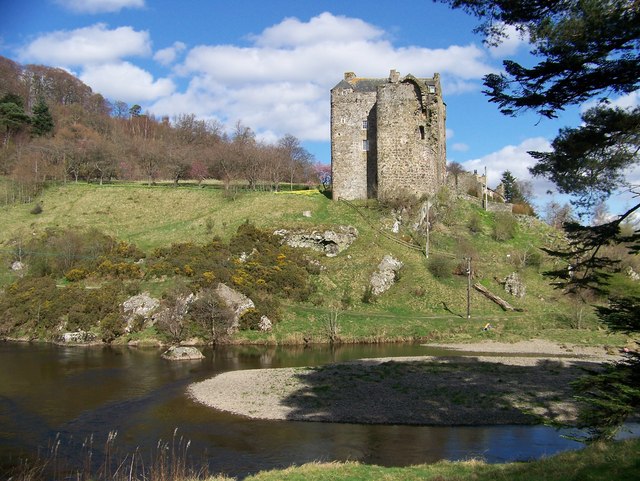
Black Barony stands as a remarkable example of a Scottish hill castle with origins dating back to the 16th century. Located near Peebles in the Scottish Borders, this estate began as a fortified tower house built by the Murray family, a notable Scottish noble lineage. Originally called Darnhall, the castle reflects the architectural and social transitions from a defensive stronghold to a refined country residence over several centuries.
The 16th-century origins and tower house architecture
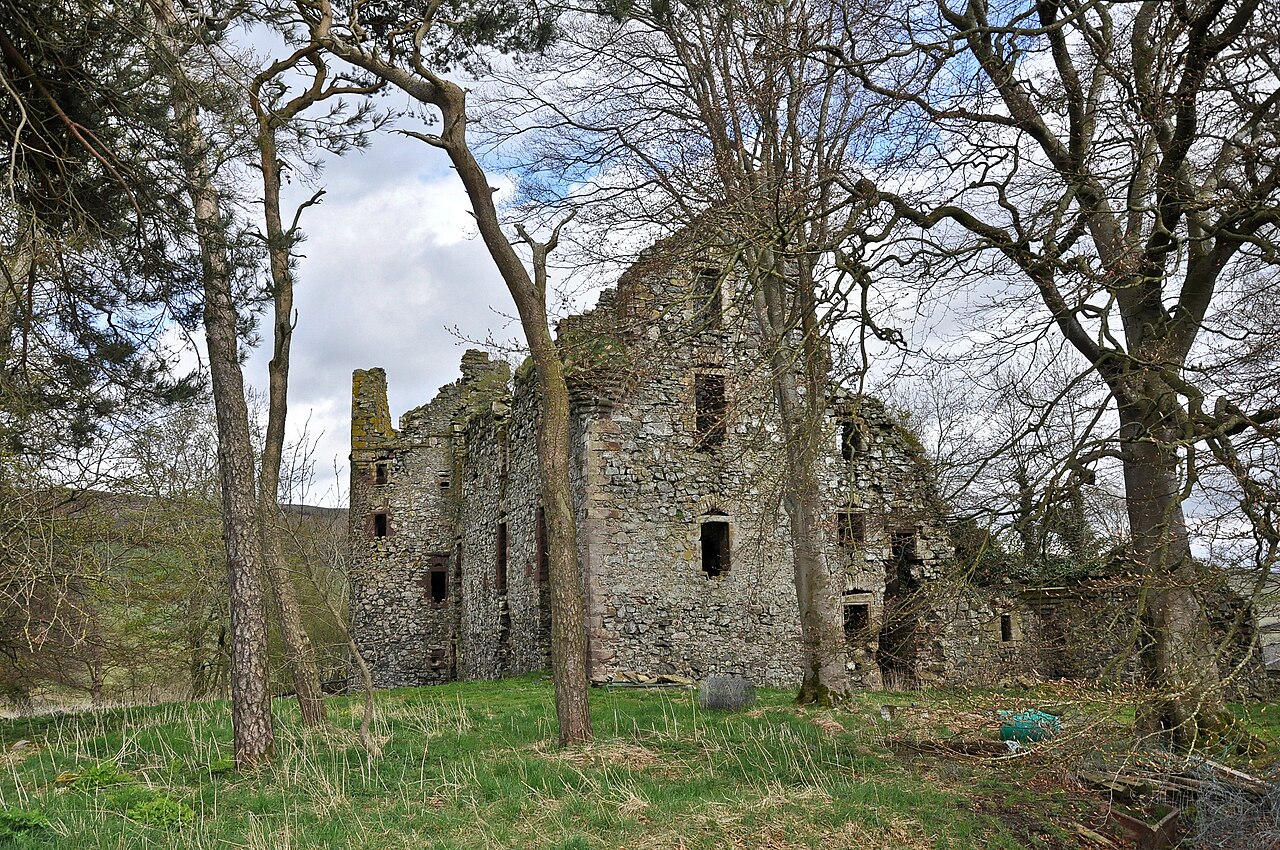
The core of Black Barony is its 16th-century tower house, a typical form of Scottish noble residence designed primarily for defense and habitation. Constructed mainly of stone, this tower house features the robust masonry and verticality characteristic of the period. Tower houses like Black Barony were generally rectangular or L-shaped, with thick walls, narrow windows, and battlements or parapets for protection. This structure formed the nucleus around which later expansions were developed, preserving the medieval defensive heritage within a gradually evolving estate.
Expansion and transformation in the 17th and 18th centuries
During the 17th century, the Murray family consolidated their holdings, with Sir Alexander Murray, 2nd Baronet, acquiring the nearby Cringletie estate in 1666. The family's increasing prominence is further evidenced by Sir Archibald Murray, 3rd Baronet, who served as royal overseer of building works under King William II and Queen Mary II from 1689. This period marked a shift from purely defensive architecture to more comfortable and status-expressing residences.
In the 18th century, Black Barony underwent significant enlargement that transformed its external appearance. The addition of a new facade gave the castle a more refined and mansion-like aesthetic, reflecting contemporary tastes. Ownership passed to the Murrays of Elibank in 1771, who maintained the estate for over 150 years. This era saw the integration of elegant architectural elements while retaining the historic tower house at its core.
The 18th-century ice house
A notable feature from this period is the underground ice house located about 100 meters northeast of the main building. Constructed in 1789 under the 7th Lord Elibank, this ovoid stone structure provided cold storage before the advent of refrigeration technology. Its thick walls and subterranean design allowed preservation of ice and perishables through warmer seasons, demonstrating the estate's self-sufficient domestic economy.
19th-century modifications and architectural plans
The 19th century brought further changes, with plans in 1843 for a complete rebuilding by the architect James Gillespie Graham, a prominent figure in Scottish architecture known for his Gothic Revival style. Although these ambitious plans were never realized, the estate saw more modest expansions under the 9th and 10th Lords Elibank later in the century. These additions adapted the castle to modern living standards while respecting its historical fabric.
20th-century use and wartime significance
In the early 1900s, Black Barony was converted into a hotel, marking a new phase in its functional history. During World War II, the British military requisitioned the property in 1942, transforming it into the Polish Higher Military School. This institution served as a training center for Polish officers who had escaped Nazi occupation and were fighting alongside Allied forces. The castle's role as a military educational facility highlights its strategic and symbolic importance during the war.
Great Polish Map of Scotland
Within the grounds lies the Great Polish Map of Scotland, a large and detailed relief model of the country. Recognized as the largest of its kind in Europe, the map commemorates the Polish military presence at Black Barony during WWII. This unique monument remains a significant cultural and historical landmark, linking the estate's heritage to international history.
Architectural and historical significance
Black Barony's layered construction showcases a transition from a medieval tower house to an 18th-century mansion facade with 19th-century additions. The estate's Category B listing reflects its architectural and historic importance within Scotland. The preservation of the original tower house amidst later expansions offers valuable insight into the evolution of Scottish noble residences from defensive structures to elegant country homes.
The estate's association with the Murray family, its role in royal building oversight, and its wartime function as a Polish military training center contribute to its rich historical narrative. The surviving ice house and the Great Polish Map further enhance the site's cultural significance, making Black Barony a multifaceted heritage location.
Visiting Black Barony today
Today, Black Barony operates as a hotel, allowing visitors to experience its historic ambiance firsthand. The estate's grounds, including the Great Polish Map of Scotland and the preserved ice house, offer unique attractions for guests and history enthusiasts. The castle's blend of medieval, 18th-century, and 19th-century architecture provides an engaging study in Scottish heritage and architectural adaptation.
Frequently asked questions (FAQ)
- How do I visit Black Barony and what can I expect?
- Black Barony is currently a hotel near Peebles, Scotland, open to guests who can explore its historic interiors and grounds including the Great Polish Map of Scotland. Visitors should check availability and booking options in advance.
- What is the historical significance of Black Barony?
- Black Barony originated as a 16th-century Scottish tower house built by the Murray family and later served as a Polish military training center during World War II, reflecting its layered heritage.
- When was Black Barony expanded beyond its original tower house?
- Significant expansions occurred in the 18th century with a new facade added, and further 19th-century additions were made, adapting the castle into a more comfortable country residence.
- Can I see the Great Polish Map of Scotland at Black Barony?
- Yes, the Great Polish Map of Scotland is located on the estate grounds and is the largest relief map of Scotland in Europe, commemorating the Polish military presence during WWII.
- Is Black Barony protected as a historic site?
- Yes, Black Barony is a Category B listed building in Scotland, recognizing its architectural and historical importance.
Information
Website
Visit websiteSources & official resources
Verify the information above using these authoritative references.
Loading map...
Visitor reviews
No reviews yet. Been here? Write the first review and help other travelers!
Write the first reviewVisited this castle? Share your experience
Your review helps other travelers and adds first-hand knowledge to our encyclopedia.