Rahmanniyeh Castle
Rahmanniyeh Castle (Persian: قلعه رحمانیه) is a significant historical fortress situated in Bardaskan County within the Razavi Khorasan Province of Iran. This hill castle reflects the military and architectural ingenuity of the early medieval Islamic period, with its origins tracing back to the 10th century. The castle’s longevity spans from the 8th to 12th centuries AH (roughly corresponding to the 14th to 18th centuries CE), indicating a prolonged period of use and strategic importance in the region.
Historical context and significance
The castle was constructed during a time when the region was a crossroads of various dynasties and empires, including the Seljuk Empire and later the Mongol Ilkhanate. Its location in Razavi Khorasan, a historically vital area in northeastern Iran, positioned it as a defensive stronghold against invasions and local conflicts. The castle likely served as a military bastion to protect trade routes and local settlements.
Architectural features and design
Rahmanniyeh Castle is classified as a hill castle, meaning it was strategically built on elevated terrain to maximize defensive advantages. The castle's design incorporates traditional medieval Islamic military architecture, including thick defensive walls, battlements for archers, and watchtowers that provided extensive views of the surrounding landscape. The use of locally sourced stone and brick materials reflects regional construction practices of the era.
Defensive structures
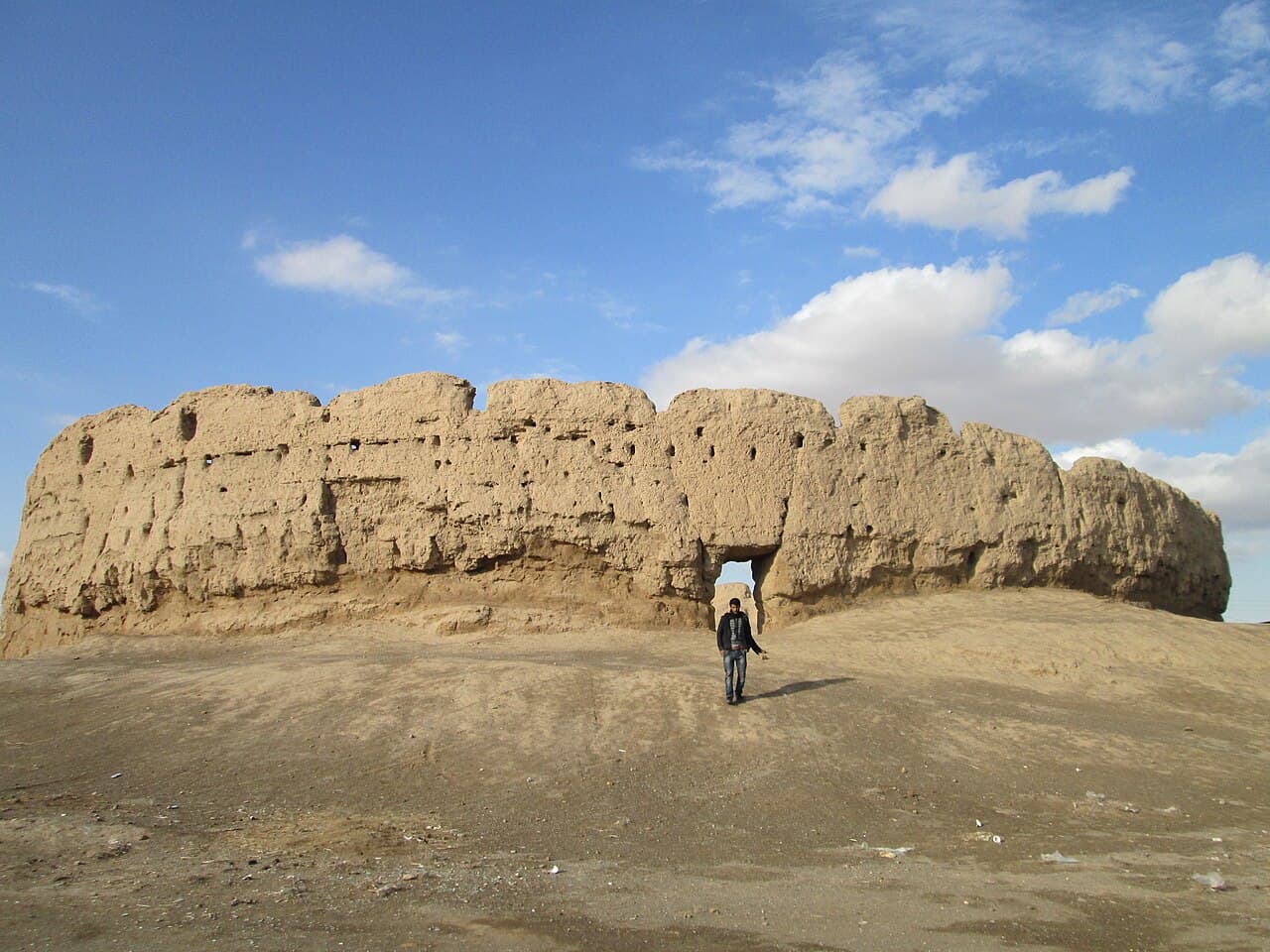
The fortress features multiple layers of fortification, including a perimeter wall with crenellations and several towers placed at key points to strengthen defense. The main gate was likely fortified with heavy wooden doors reinforced by iron, designed to withstand siege attempts. Internal courtyards provided space for troops and storage of supplies.
Interior layout
Inside the castle, there would have been living quarters, storage rooms, and possibly a small mosque or prayer area, consistent with Islamic architectural traditions. The arrangement of rooms would have supported both military functions and the daily needs of the garrison stationed there.
Preservation and current condition
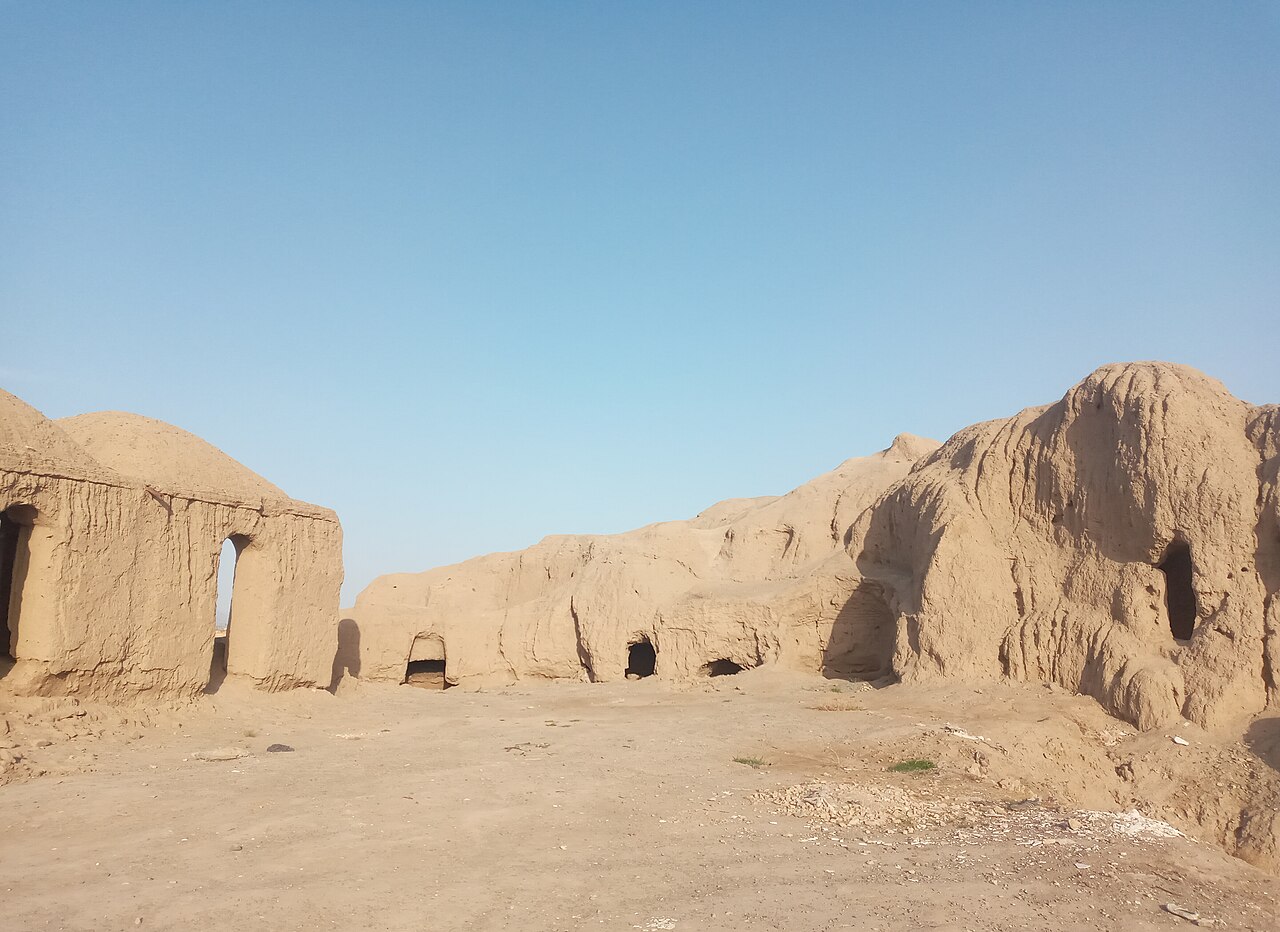
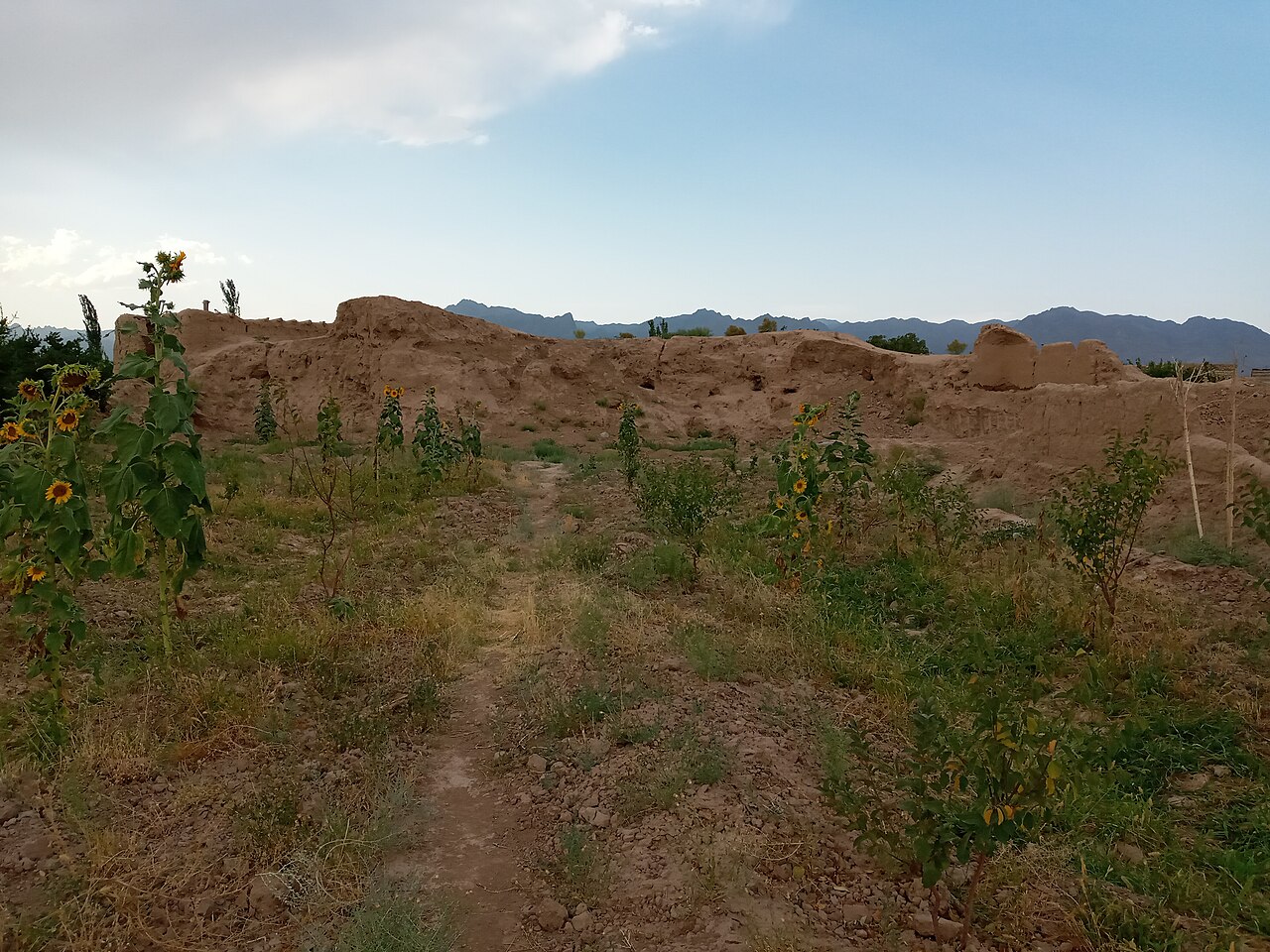
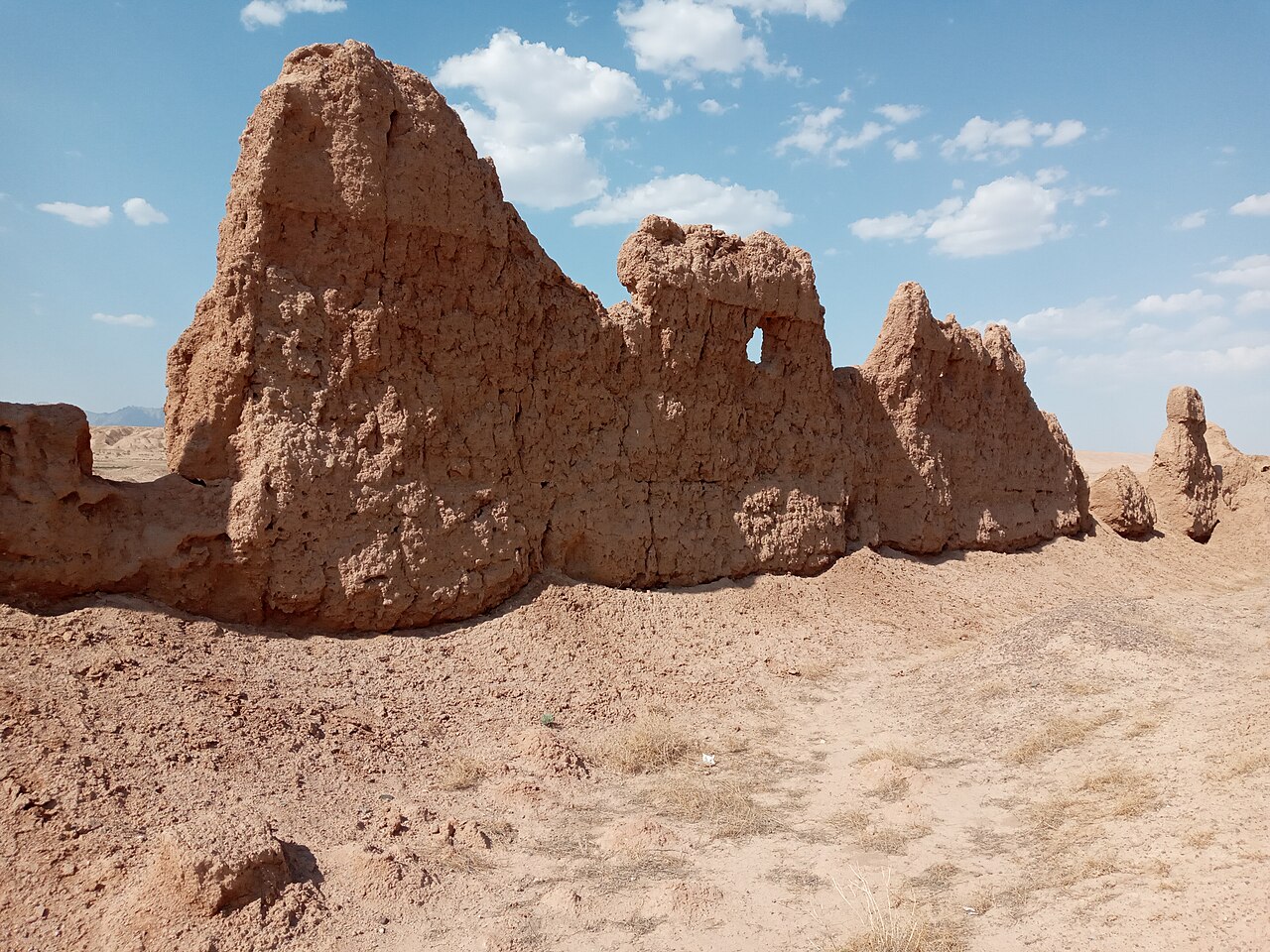
Today, Rahmanniyeh Castle remains a partially preserved site. Some sections of the walls and towers have survived, though others have succumbed to the effects of time and weather. The castle’s ruins offer valuable insights into the defensive strategies and architectural styles of the period. Efforts to study and preserve the site contribute to understanding Iran’s medieval heritage.
Visiting Rahmanniyeh Castle
While the castle is not as widely known as some of Iran’s more famous fortresses, it attracts visitors interested in medieval Islamic architecture and history. The site’s location in Razavi Khorasan Province makes it accessible for travelers exploring the region’s rich cultural landscape. Visitors should prepare for limited facilities at the site and consider guided tours to fully appreciate the castle’s historical context.
Frequently asked questions (FAQ)
- When was Rahmanniyeh Castle built?
- Rahmanniyeh Castle was built in the 10th century, during the early medieval Islamic period.
- Where is Rahmanniyeh Castle located?
- The castle is located in Bardaskan County, Razavi Khorasan Province, in northeastern Iran.
- What type of castle is Rahmanniyeh Castle?
- Rahmanniyeh Castle is a hill castle, constructed on elevated terrain for defensive advantage.
- What is the current condition of Rahmanniyeh Castle?
- The castle is partially preserved, with some walls and towers still standing, while other parts are in ruins.
- Can visitors tour Rahmanniyeh Castle?
- Yes, visitors can explore the castle ruins, though facilities are limited and guided tours are recommended for a better understanding of the site.
Photo gallery

Information
Loading map...
Visitor reviews
No reviews yet. Been here? Write the first review and help other travelers!
Write the first reviewVisited this castle? Share your experience
Your review helps other travelers and adds first-hand knowledge to our encyclopedia.