Biała Podlaska
Biała Podlaska castle, located in the city of Biała Podlaska in Poland, represents a significant historical and architectural monument rooted in the Renaissance period. The site’s origins trace back to early settlement activities from the 10th to 12th centuries, evolving through centuries of political and military developments. Initially a wooden stronghold surrounded by a palisade, the location grew into a fortified complex under the ownership of prominent noble families, most notably the Radziwiłł magnates.
The early settlement and medieval origins
The earliest known habitation in the area of the current castle park dates to the 10th to 12th centuries. By the end of the 14th century, the site was a market settlement situated in the valley of the Krzna River within the Grand Duchy of Lithuania. The first documented owner was Mikołaj Nasuta, during whose time a wooden fortification with a palisade existed near the northwest corner of what is now the castle courtyard.
Following the death of Jan, the last male heir of the Nasuta family, the settlement passed to the Zebrzeziński family. In 1508, ownership transferred to Jerzy Ilinicz, starost of Brześć and son-in-law of Jan Zebrzeziński. By 1522, the settlement was granted town rights, marking its growing importance in the region.
Renaissance transformation and Radziwiłł ownership
In the late 16th century, the town and castle came under the control of the powerful Radziwiłł family, princes of Ołyka and Nieśwież. This period saw the town renamed as Biała Książęca or Biała Radziwiłłowska, reflecting its princely patronage. The Radziwiłłs were instrumental in the architectural and urban development of the site.
On April 18, 1622, Aleksander Ludwik Radziwiłł contracted the Lublin master mason Paweł Murzyn to construct a new castle. The construction extended into the early 18th century, shaped by the turbulent wars affecting the Polish-Lithuanian Commonwealth during the 17th century.
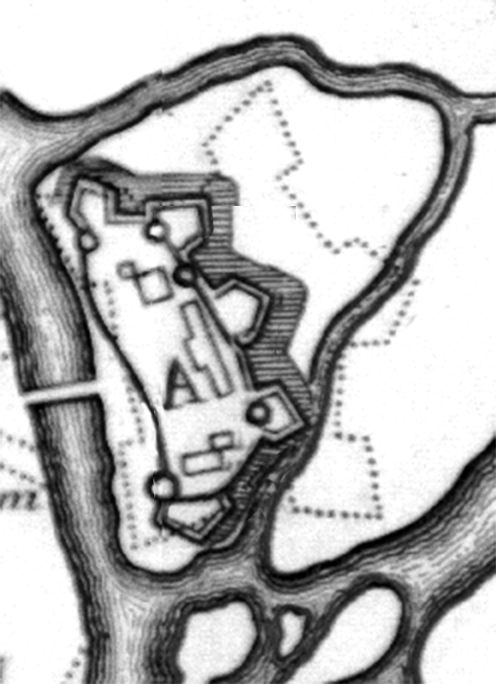
The resulting fortress was designed on a five-pointed star plan featuring five bastions, surrounded by a moat and earthen ramparts. The castle’s western side bordered the urban area, while the southern side faced the Krzna River valley, integrating natural and man-made defenses.
Architectural features of the castle complex
The southern section of the complex housed a three-story palace building measuring approximately 41 by 31 meters. This structure featured four pentagonal corner towers and a prominent loggia on the front facade. Baroque wings enclosed one of the largest palace courtyards in the Commonwealth to the north and west, creating an impressive residential and defensive ensemble.
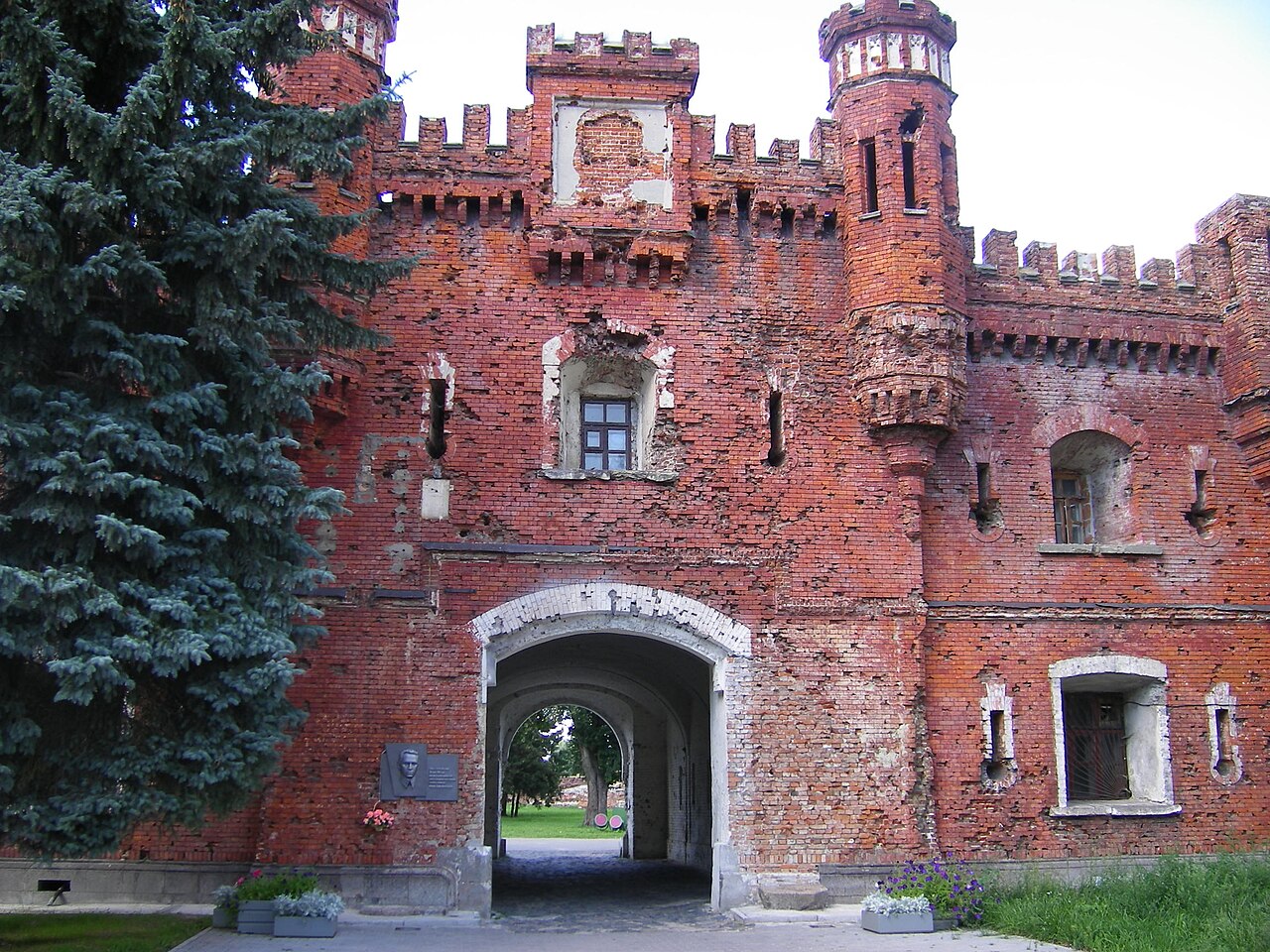
The main entrance was located on the northern side through a square six-story tower that functioned as a gatehouse, watchtower, and prison. This tower was connected by a single-story brick passage with a barrel vault and a pitched roof. The gate was protected by a drawbridge over the water-filled moat. A second gate, known as the "Koszarska" gate, was situated on the western side and led to the castle's outlying barracks.
18th-century modifications and decline
Between 1746 and 1760, Hieronim Radziwiłł initiated expansion works on the palace, which were completed by his successor Michał Kazimierz Radziwiłł "Rybeńko". During 1760-62, the loggia was heightened, and the attic was converted into a theater space, reflecting the evolving residential and cultural functions of the castle.
The late 18th century brought decline with the partitions of the Polish-Lithuanian Commonwealth. The last Radziwiłł heir, Dominik Radziwiłł, died in France in 1813. Following this, the castle suffered rapid deterioration. By 1883, the ruined palace was dismantled, and the courtyard was transformed into a park.
Surviving elements and current status
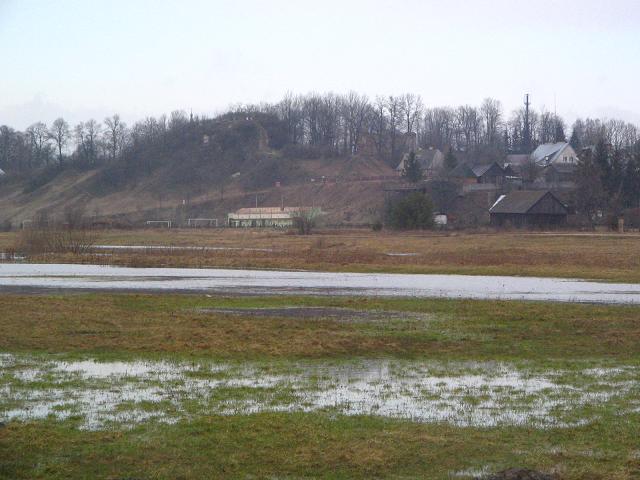
Today, the most notable surviving elements of the Radziwiłł castle in Biała Podlaska are the extensive earth fortifications, which are rare examples of the Old Dutch school of military architecture. The baroque gate with its gate passage and the main tower remain standing, along with three palace wings: the western wing and two northern wings.
In the southern part of the castle park stands a late Renaissance chapel dating from around 1620, featuring a barrel vault and a pitched roof. Adjacent to it is a baroque turret with a dome and tented roof, adding to the architectural diversity of the site.
The surviving castle buildings now house the Museum of Southern Podlasie, which preserves and presents the rich history and cultural heritage of the region. Although the palace is in ruins, the site remains a significant cultural landmark and a testament to the architectural and historical legacy of the Radziwiłł family and the Polish-Lithuanian Commonwealth.
Historical significance and architectural legacy
Biała Podlaska castle exemplifies the transition from medieval fortifications to Renaissance palace-fortresses, combining defensive features with noble residential functions. The star-shaped bastioned layout reflects the influence of contemporary military engineering, adapted to the local landscape and political context.
The castle’s association with the Radziwiłł family, one of the most powerful magnate dynasties in the Polish-Lithuanian Commonwealth, underscores its importance as a regional center of power and culture. Its architectural elements, including the bastions, gate tower, and palace wings, illustrate the evolution of aristocratic residences in Eastern Europe during the 16th to 18th centuries.
Despite its ruined condition, the site continues to attract interest for its rare fortifications and historical layers, offering insights into the military, social, and cultural history of the region.
Frequently asked questions (FAQ)
- What is the historical significance of Biała Podlaska Castle?
- Biała Podlaska Castle, originally built in the 16th century, is a remarkable example of Renaissance architecture in Poland. It has served various purposes throughout history, including as a residence for noble families and a military stronghold, reflecting the rich cultural heritage of the region.
- When was Biała Podlaska Castle constructed?
- The construction of Biała Podlaska Castle began in the early 16th century and was completed in the late 17th century. Over the years, it underwent several renovations, with architectural influences from different periods adding to its unique character.
- What are the opening hours for Biała Podlaska Castle?
- Biała Podlaska Castle is open to visitors from Tuesday to Sunday, with hours varying by season. Typically, the castle is open from 10 AM to 6 PM during the summer months and closes earlier in the winter, so it's advisable to check the official website for the most current hours before your visit.
- Can I take a guided tour of the castle?
- Yes, guided tours of Biała Podlaska Castle are available and highly recommended for an enriching experience. These tours provide insights into the castle's history, architecture, and the stories of its past inhabitants, allowing visitors to fully appreciate its significance.
- Is it possible to access Biała Podlaska Castle with a wheelchair?
- Biała Podlaska Castle has made efforts to improve accessibility for all visitors. While some areas may present challenges, there are accessible routes and facilities available to ensure that everyone can enjoy the castle and its surroundings.
- What are the ticket prices for visiting Biała Podlaska Castle?
- Ticket prices for Biała Podlaska Castle are generally affordable, with discounts available for students and seniors. Children under a certain age may enter for free, making it a great family-friendly destination.
- When is the best time to visit Biała Podlaska Castle?
- The best time to visit Biała Podlaska Castle is during the spring and summer months when the gardens are in full bloom and outdoor events often take place. Additionally, the weather is more conducive for exploring the extensive grounds and enjoying the picturesque views.
- What nearby attractions can I visit after touring Biała Podlaska Castle?
- After visiting Biała Podlaska Castle, you can explore nearby attractions such as the picturesque city park and the local museum, which showcases the region's history and culture. Additionally, the charming town of Biała Podlaska itself is worth a stroll, offering local shops and cafes.
Information
Loading map...
Visitor reviews
No reviews yet. Been here? Write the first review and help other travelers!
Write the first reviewVisited this castle? Share your experience
Your review helps other travelers and adds first-hand knowledge to our encyclopedia.