Brest Fortress
Brest Fortress, also known historically as Brest-Litovsk Fortress, is a significant 19th-century bastioned fortress located in the city of Brest, Belarus. Constructed in the 1830s during the period of the Russian Empire, this fortress is an enduring symbol of military architecture and a key monument of Soviet heroism during World War II. It is particularly famous for its staunch defense during the initial stages of the German invasion of the Soviet Union on June 22, 1941, known as Operation Barbarossa. In recognition of its defenders' valor, the fortress was awarded the honorary title of Hero Fortress in 1965, a distinction paralleling the Soviet title of Hero City.
Architectural design and fortifications
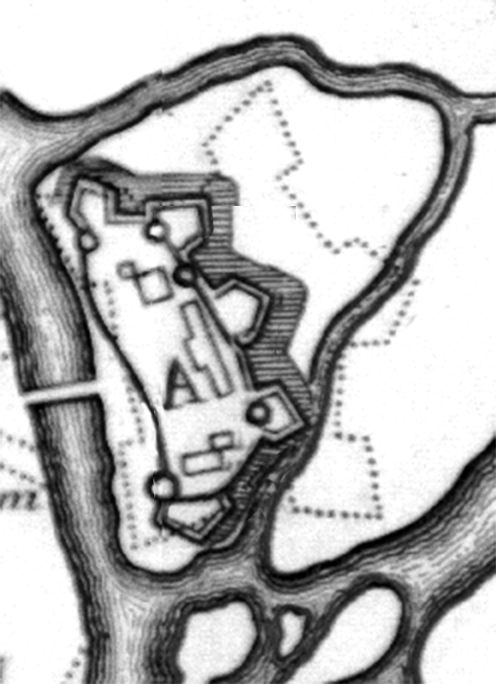
The fortress exemplifies classical bastioned fortification design, characterized by its distinctive star-shaped layout which has been preserved since its original construction. The core of the fortress, known as the Citadel, occupies a central island formed by the Bug River and two branches of the Mukhavets River. This strategic location provided natural defensive barriers complemented by man-made fortifications.
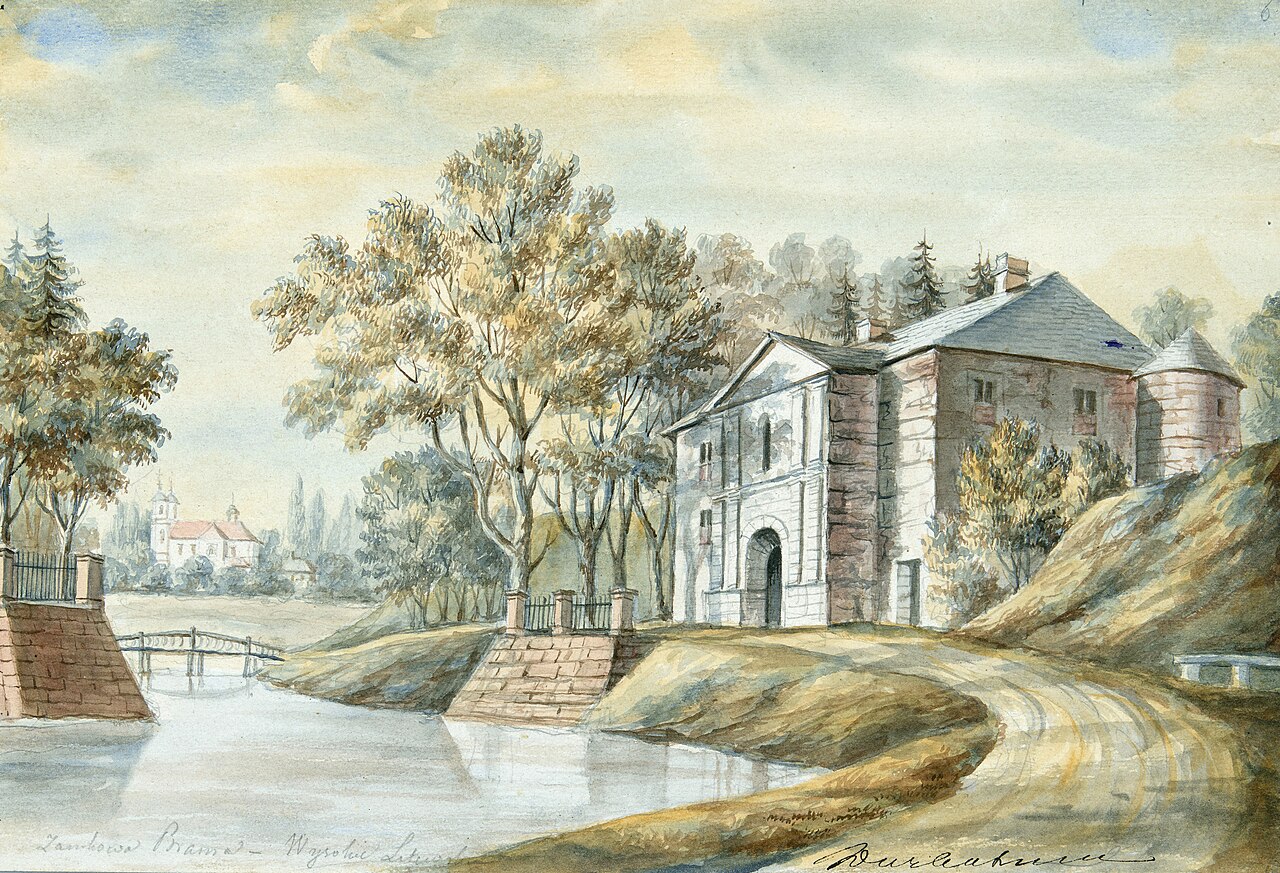
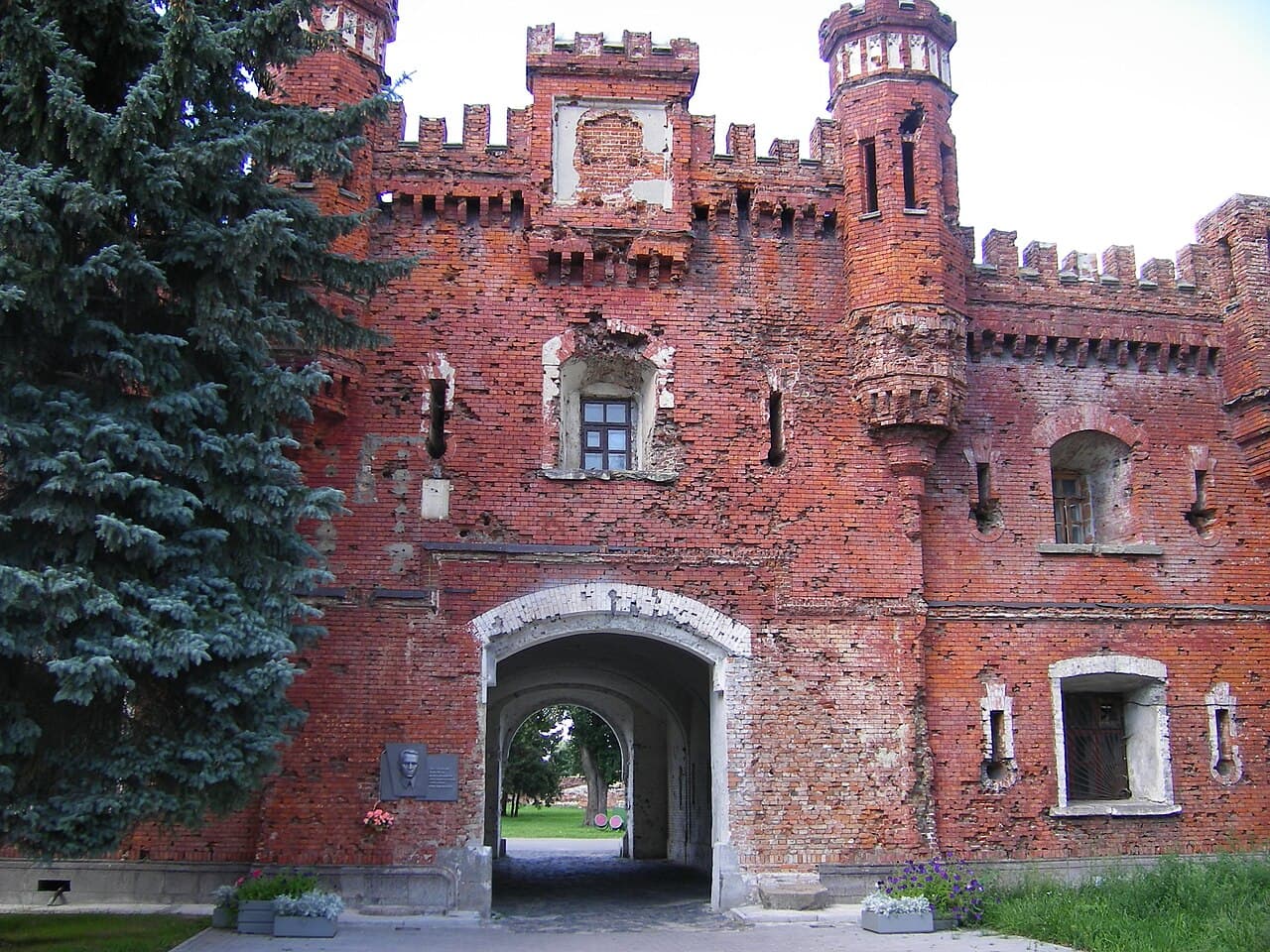
The Citadel features a surrounding ring of two-storied barracks with four semi-circular towers, extending approximately 1.8 kilometers in length. These barracks contained around 500 rooms designed to house up to 12,000 soldiers, constructed with robust red bricks forming thick walls that ensured resilience against artillery fire. Originally, the Citadel was accessible through four gates, of which only the Kholm Gate and Terespol Gate remain visible today. Large sections of the barracks are now in ruins, reflecting the fortress's turbulent history and the intense fighting it witnessed.
Outer fortifications and bridgeheads
Surrounding the Citadel are three major fortifications, known as bridgeheads, which were strategically positioned using the natural waterways and supplemented by deep moats and high earthworks approximately 10 meters tall. These fortifications were reinforced with red brick casemates, providing protected firing positions and storage.
The three main bridgeheads are named after regional towns or areas: the Kobrin Fortification to the northeast, the Terespol Fortification to the west, and the Volyn Fortification to the southeast. The Kobrin Fortification is the largest and most complex, shaped like a horseshoe with four curtain walls, three detached ravelins, and an lunette. It also includes the East and West Forts. The Terespol Fortification features four detached lunettes, while the Volyn Fortification consists of two curtain walls with two detached ravelins.
Additional outlying forts were constructed later, expanding the defensive perimeter beyond the original Citadel. Due to post-World War II border adjustments along the Bug River, parts of the fortress now lie within Polish territory near the town of Terespol.
Historical significance and World War II defense
Brest Fortress is renowned for its role in the early days of the Great Patriotic War (Eastern Front of World War II). When German forces launched their surprise attack on the Soviet Union in June 1941, the fortress's garrison mounted a fierce and prolonged defense despite being surrounded and outnumbered. This resistance lasted several weeks, far longer than the German command had anticipated, disrupting their advance and becoming a symbol of Soviet resilience and courage.
The intense combat caused significant damage to the fortress's structures, leaving many parts in ruins. The defense of Brest Fortress was commemorated extensively in Soviet war memory, literature, and film, contributing to its status as a national monument. The title Hero Fortress was officially bestowed in 1965, marking the fortress as a site of exceptional bravery and sacrifice.
Preservation and cultural heritage status
Today, Brest Fortress is a protected cultural and historical site. While much of the fortress remains in a ruined state, key elements such as the gates, some barracks, and fortifications have been preserved or partially restored to allow public access and education. Memorials and museums on the site provide visitors with detailed insights into the fortress's military history and the heroism of its defenders.
The fortress was added to the UNESCO World Heritage Tentative List in 2004 under the Cultural category, recognizing its significance as a historic military complex and its role in 20th-century history. Its location at the border between Belarus and Poland adds a unique cross-border dimension to its heritage and preservation efforts.
Visiting Brest Fortress
Visitors to Brest Fortress can explore the remaining ramparts, gates, and barracks, as well as the extensive network of moats and earthworks that characterize its bastioned design. The site includes several monuments dedicated to the defenders, including statues, plaques, and an eternal flame. The fortress is accessible year-round, with guided tours available to provide historical context and architectural explanations.
As a major historical landmark in Belarus, Brest Fortress attracts scholars, tourists, and military history enthusiasts. Its combination of 19th-century military engineering and 20th-century wartime significance makes it a unique destination for those interested in European fortifications and World War II history.
Frequently asked questions (FAQ)
- What is the historical significance of Brest Fortress?
- Brest Fortress is a symbol of heroism and resilience, known for its defense during World War II. It was the site of one of the first battles against Nazi forces in 1941, and its defenders have become national heroes in Belarus. The fortress is now a memorial complex, honoring the courage of those who fought there.
- When was Brest Fortress built?
- Brest Fortress was originally constructed in the late 19th century, specifically from 1833 to 1842, as part of the Russian Empire's defensive system. It was designed to protect the western borders of the empire and has undergone various modifications over the years. The fortress's architecture reflects the military styles of its time.
- What are the opening hours for Brest Fortress?
- Brest Fortress is open to visitors year-round, with varied hours depending on the season. Typically, it opens at 9 AM and closes at 6 PM, but it's advisable to check in advance for any seasonal changes or special events. Visitors can explore the grounds and exhibitions at their own pace.
- Can I purchase tickets online to visit Brest Fortress?
- Yes, tickets to Brest Fortress can be purchased online through their official website or at the entrance. Online booking is recommended during peak tourist seasons to ensure availability and to potentially avoid long lines. Ticket prices are affordable, making it accessible to all visitors.
- Is it possible to access Brest Fortress with a wheelchair?
- Brest Fortress has made efforts to improve accessibility for all visitors, including those with mobility challenges. While some areas may present difficulties due to historical structures, many parts of the fortress and its exhibitions are accessible. It’s best to check with staff on-site for specific assistance.
- What is the best time to visit Brest Fortress?
- The best time to visit Brest Fortress is during the late spring and early autumn months, from May to September, when the weather is generally mild and pleasant. This period also coincides with various cultural events and reenactments that enhance the visitor experience. However, visiting during winter offers a unique, quiet atmosphere.
- Are there any nearby attractions to explore after visiting Brest Fortress?
- Yes, there are several nearby attractions, including the Brest Hero-Fortress Memorial Complex and the Brest Railway Museum. The city of Brest itself also offers parks, historical sites, and local restaurants showcasing Belarusian cuisine. Exploring the area provides a well-rounded experience of the region's history and culture.
Photo gallery

Information
Loading map...
Visitor reviews
No reviews yet. Been here? Write the first review and help other travelers!
Write the first reviewVisited this castle? Share your experience
Your review helps other travelers and adds first-hand knowledge to our encyclopedia.