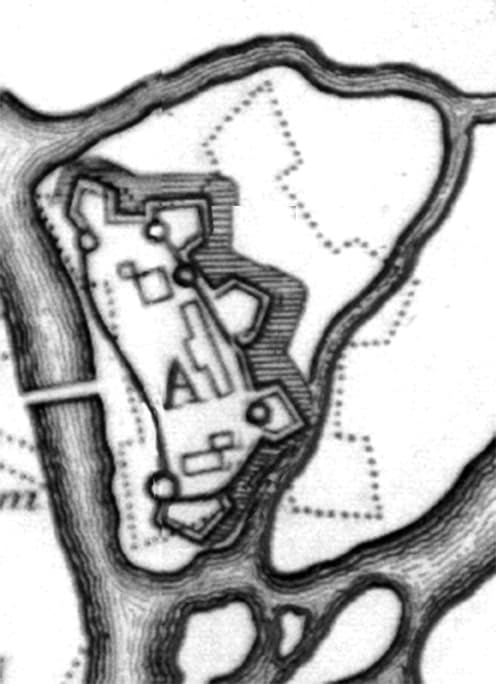
Brest Castle in Belarus stands as a significant archaeological site that traces its origins back to the early medieval period. The castle evolved from the Slavonic fortified settlement of Berestye, established around the 10th century at the strategic confluence of the Mukhavets and Bug Rivers. This location, characterized by a network of islands formed by the merging rivers, provided natural defense advantages that were crucial for the settlement's initial development.
Origins and early development
The earliest incarnation of Brest Castle was not a castle in the traditional stone fortress sense but a fortified settlement typical of Slavonic tribes in the region during the turn of the 10th and 11th centuries. The settlement of Berestye was constructed using wooden palisades and earthworks designed to protect against frequent raids and invasions common in Eastern Europe during this period. Its position on river islands offered a natural moat-like defense, enhancing its strategic importance.
Architectural evolution and reconstructions
Over the centuries, Brest Castle underwent multiple reconstructions and expansions. These changes were often necessitated by numerous fires and sieges that damaged the original structures. The castle's fortifications were adapted to meet evolving military technologies and threats. Although primarily wooden in its earliest phases, later reconstructions likely incorporated stone and brick elements, reflecting broader trends in castle construction in Eastern Europe.
Defensive features
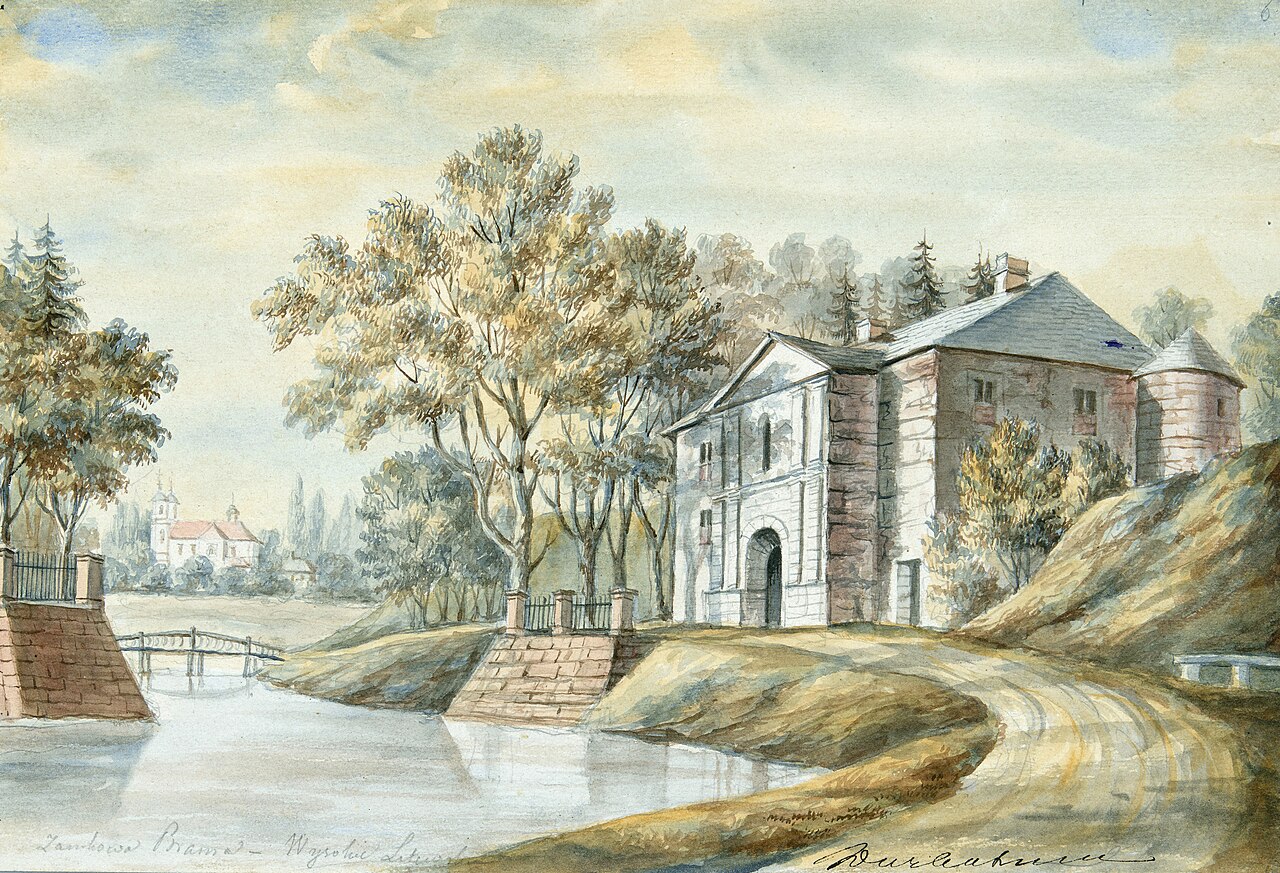
The castle's defensive layout capitalized on its riverine setting. The natural waterways functioned as moats, while the fortifications included walls and towers positioned to control access points. The use of islands as part of the defensive system was a distinctive characteristic, providing layered protection against attackers.
Historical significance and decline
Brest Castle played a key role in the region's medieval history, serving as a military and administrative center. Its location made it a focal point in conflicts between various powers vying for control over the borderlands of Eastern Europe. However, the castle's prominence declined with the rise of new fortifications and changing political circumstances.
Destruction and legacy
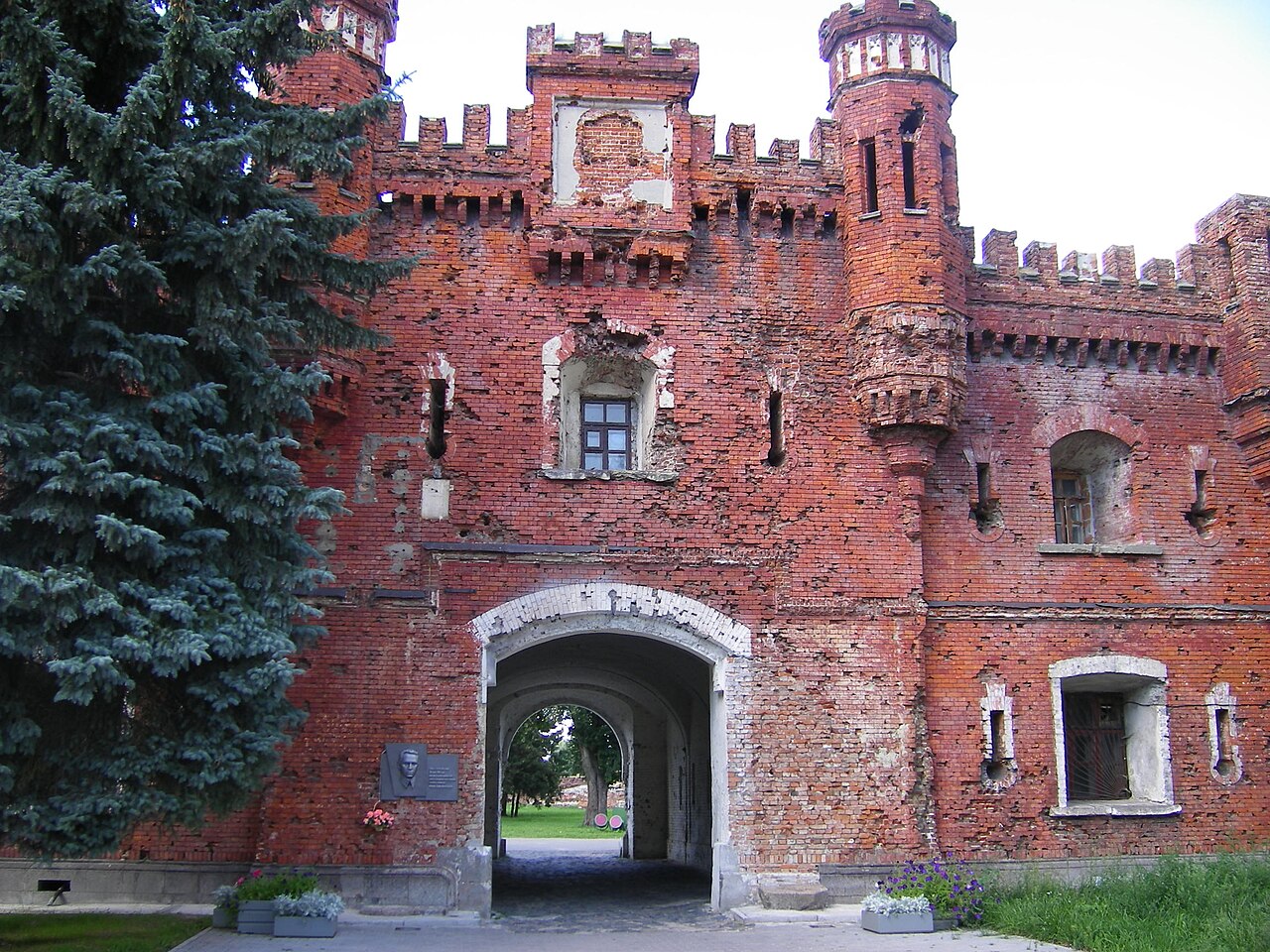
In the 19th century, the construction of the Brest Fortress, a modern military stronghold, led to the deliberate destruction of the medieval castle remains. This marked the end of Brest Castle as an active fortification. Today, the site is classified as archaeological ruins, with excavations revealing insights into early medieval fortification techniques and settlement patterns.
Archaeological research and preservation
Extensive archaeological work at the site has uncovered remnants of the original wooden structures, defensive earthworks, and artifacts that illustrate the daily life and military aspects of the early medieval settlement. These findings contribute valuable knowledge about the Slavonic culture and medieval fortification methods in Belarus. Preservation efforts focus on maintaining the ruins and facilitating public access to this important cultural heritage site.
Visiting brest castle today
As an archaeological site, Brest Castle offers visitors a glimpse into the region's early medieval past. Interpretive displays and guided tours help contextualize the ruins within the broader history of Belarus and Eastern Europe. The site's riverside setting remains a defining feature, connecting visitors to the natural landscape that shaped the castle's original defensive strategy.
Frequently asked questions (FAQ)
- How do I get to Brest Castle?
- Brest Castle is located in the city of Brest, Belarus, and is easily accessible by public transportation. You can take a bus or train to Brest and then a short taxi ride or a pleasant walk to the castle.
- What is the historical significance of Brest Castle?
- Brest Castle is a key historical site that dates back to the 11th century, serving as a strategic fortification throughout various conflicts. It played a crucial role during the Polish-Bolshevik War and World War II, making it a symbol of resilience for the Belarusian people.
- When was Brest Castle built?
- The original construction of Brest Castle began in the 11th century, with various expansions and renovations occurring over the centuries. The current structure reflects architectural styles from different periods, showcasing its long and storied history.
- Can I take guided tours of Brest Castle?
- Yes, guided tours are available at Brest Castle, providing visitors with in-depth knowledge about its history and architecture. These tours typically include access to key areas of the castle and are conducted by knowledgeable guides who can answer your questions.
- Why is Brest Castle an important architectural site?
- Brest Castle is renowned for its unique blend of Gothic, Renaissance, and Baroque architectural styles. The castle's impressive fortifications and design elements reflect the military and cultural history of the region, making it a fascinating site for architecture enthusiasts.
- Is it possible to visit Brest Castle year-round?
- Yes, Brest Castle is open to visitors year-round, although opening hours may vary depending on the season. It’s advisable to check the official website for the most current visiting hours and any potential seasonal closures.
- What are the ticket prices for visiting Brest Castle?
- Ticket prices for Brest Castle are quite reasonable, with discounts often available for students and groups. It's best to check the castle's official website or inquire at the entrance for the most up-to-date pricing information.
- What is the best time to visit Brest Castle?
- The best time to visit Brest Castle is during the spring and summer months when the weather is pleasant and the surrounding gardens are in full bloom. Additionally, special events and reenactments are often held during this time, enhancing the visitor experience.
- Are there any nearby attractions to explore after visiting Brest Castle?
- Yes, after visiting Brest Castle, you can explore nearby attractions such as the Brest Hero-Fortress and the local museums that showcase the city's rich history. The beautiful parks and riverside areas also provide a relaxing atmosphere for a leisurely stroll.
Photo gallery

Photo by The Plan was drawn by Erik Dahlbergh (1625–1703)•Public domain
Information
Loading map...
Visitor reviews
No reviews yet. Been here? Write the first review and help other travelers!
Write the first reviewVisited this castle? Share your experience
Your review helps other travelers and adds first-hand knowledge to our encyclopedia.