Bewcastle Castle
Bewcastle Castle stands as a remarkable testament to the layered history of northern England, located near the Scottish border in the parish of Bewcastle. This hill castle occupies a strategic elevated position approximately 152 meters above sea level, commanding views over the surrounding grasslands and hills. Its origins are deeply entwined with the Roman and Norman periods, reflecting centuries of military and architectural evolution.
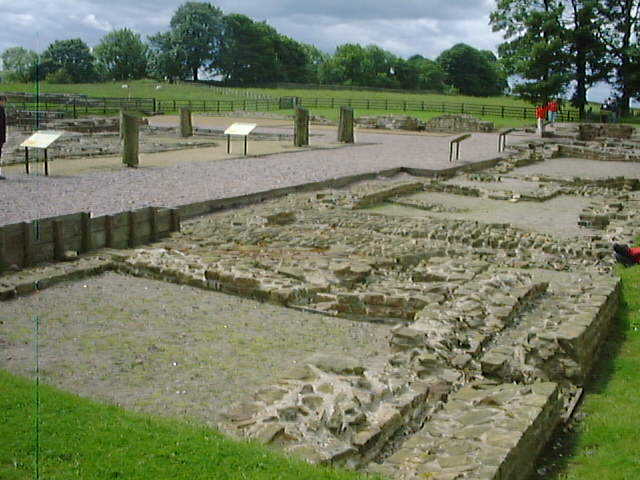
The site initially hosted the Roman fort known as Fanum Cocidi, an important defensive installation constructed to control the frontier region. The fort's layout included formidable ditches and earthworks, some of which were later incorporated into the medieval castle's defenses. Around 1092, the Normans established the first iteration of Bewcastle Castle, likely a timber and earthwork structure that cleverly utilized the existing Roman fortifications, especially the northern and eastern ditches. This early castle served as a frontier stronghold during a turbulent period marked by frequent Anglo-Scottish conflicts.
The castle's initial Norman phase was short-lived; it was destroyed during the upheavals of 1173. However, the site regained prominence in the late 14th century when John de Strivelyn led a substantial rebuilding effort between 1361 and 1371. This reconstruction transformed Bewcastle into a formidable stone fortress. Notably, much of the stonework for this phase was quarried directly from the Roman fort, including the deliberate demolition of the fort’s northeastern corner to provide building materials. This reuse of Roman masonry is a striking example of medieval adaptation and resourcefulness.
Architectural features and layout
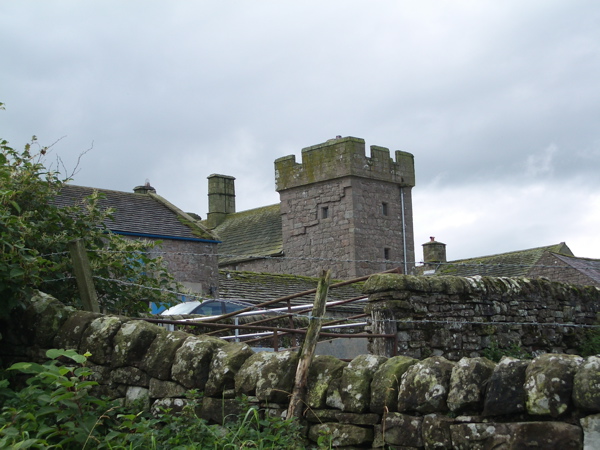
The most prominent surviving element of Bewcastle Castle is its 14th-century stone gatehouse, which remains remarkably intact. This gatehouse features a projecting internal garderobe turret, an unusual and well-preserved medieval toilet integrated into the defensive structure. The gatehouse would have served as the primary controlled entry point into the castle, combining functionality with defensive strength.
Beyond the gatehouse, the castle's layout is primarily discernible through earthworks and partial masonry remains. The site was originally enclosed by a dry moat, parts of which align with the Roman ditches, underscoring the continuity of defensive strategies across centuries. The castle's walls and other fortifications, now largely lost, would have enclosed a courtyard and various domestic and military buildings, typical of a Norman frontier fortress.
Historical significance and ownership
Bewcastle Castle played a key role in the defense of the Anglo-Scottish borderlands throughout the medieval period. After its 14th-century reconstruction, the castle began to decline by the early 15th century. During the reign of King Edward IV, ownership passed to his brother, the Duke of Gloucester, who later became King Richard III. The Duke undertook significant restoration, likely including the addition of the gatehouse that endures today.
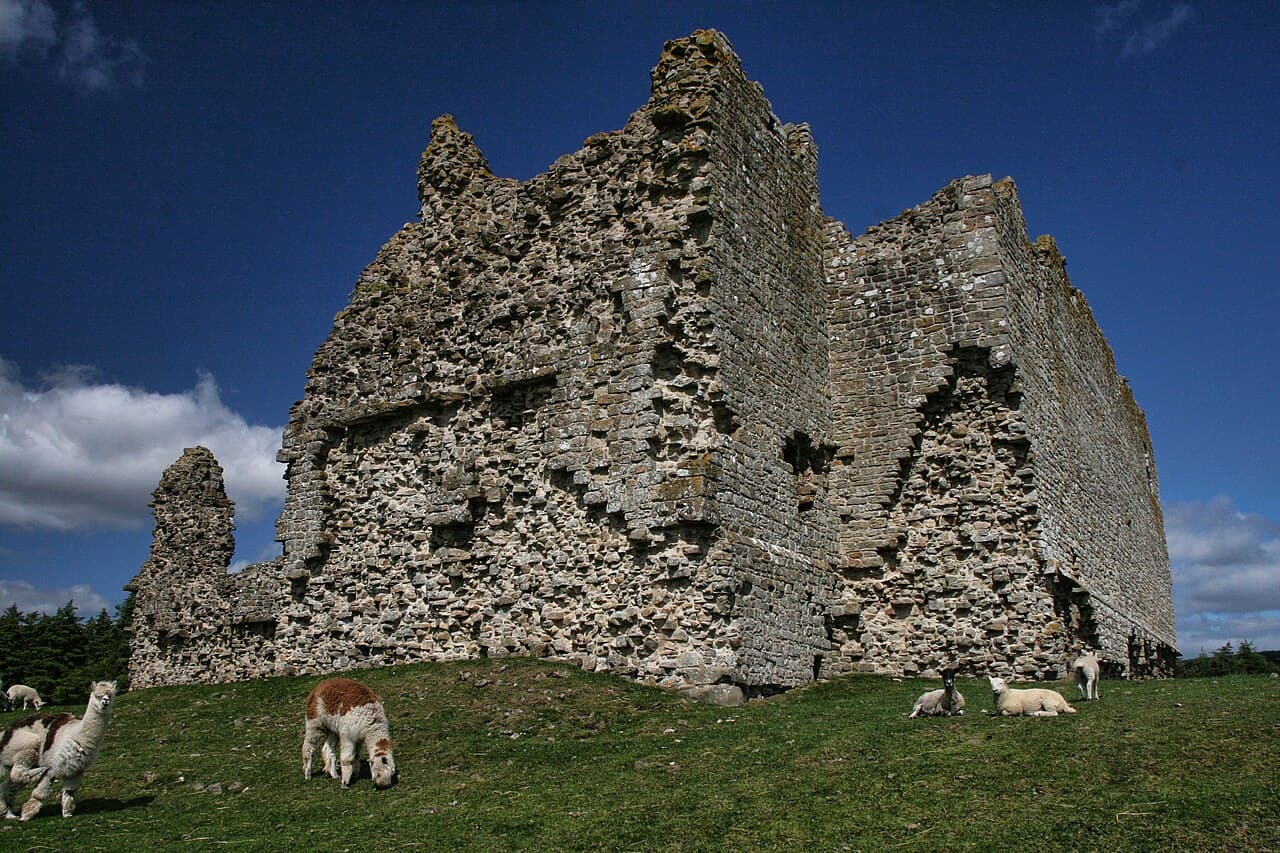
From the late 15th century, the castle was held by the Musgrave family until the mid-17th century. The castle's decline culminated during the English Civil War, when in 1641, under orders from Oliver Cromwell, it was largely destroyed. Over subsequent centuries, much of the stone was removed and repurposed for local construction, leaving the castle in a ruinous state.
The name and cultural context
The name "Bewcastle" is steeped in antiquarian tradition, believed to derive partly from an Anglo-Saxon figure named Bueth, though this connection lacks firm historical evidence. A 1272 document refers to the site as "Bothecaster," combining the Old Norse word "búð" meaning "temporary building" with "castle," referencing the Roman fort. This etymology explains the unusual repetition in the name and highlights the site's complex cultural heritage involving Anglo-Saxon, Norse, and Norman influences.
Present condition and landscape setting
Today, Bewcastle Castle exists primarily as a ruin with its most significant surviving feature being the stone gatehouse. The surrounding landscape remains largely pastoral, with the grounds used for grazing sheep and llamas, maintaining a connection between the castle and its rural environment. The earthworks, moat remnants, and masonry fragments provide a tangible link to the site's extensive history, from its Roman beginnings through medieval fortification to its eventual decline.
Visitors to the site can explore the atmospheric ruins and appreciate the enduring legacy of this Norman hill castle built upon an ancient Roman foundation. The castle's layered history, architectural features, and strategic location make it a significant monument in the context of northern England's border defenses.
Frequently asked questions (FAQ)
- How do I get to Bewcastle Castle?
- Bewcastle Castle is located in the parish of Bewcastle, Cumbria, near the English-Scottish border. It is accessible by local roads, with the nearest town being Carlisle. Visitors should plan their journey by car or local transport, as public transport options are limited.
- What remains can I see at Bewcastle Castle?
- The most prominent remains at Bewcastle Castle include the well-preserved 14th-century stone gatehouse with its unique garderobe turret. Visitors can also observe earthworks, ditches, and partial masonry from the Roman fort and medieval castle.
- When was Bewcastle Castle built and by whom?
- Bewcastle Castle was originally established by the Normans around 1092 on the site of the Roman fort Fanum Cocidi. The stone reconstruction was led by John de Strivelyn between 1361 and 1371.
- Is Bewcastle Castle open to the public?
- Bewcastle Castle is an open ruin located on private land. While there are no formal visitor facilities or entrance fees, visitors can explore the site responsibly, respecting the surrounding farmland and property.
- Why is the gatehouse at Bewcastle Castle significant?
- The gatehouse is significant due to its remarkable preservation and the inclusion of a projecting internal garderobe turret, which is a rare medieval architectural feature. It exemplifies 14th-century defensive design and reuse of Roman stone.
Photo gallery

Information
Loading map...
Visitor reviews
No reviews yet. Been here? Write the first review and help other travelers!
Write the first reviewVisited this castle? Share your experience
Your review helps other travelers and adds first-hand knowledge to our encyclopedia.