Banna
Birdoswald Roman Fort, originally known to the Romans as Banna, stands as one of the most significant military sites along Hadrian's Wall in northern England. Constructed in the 2nd century AD during the Roman occupation of Britain, Banna was one of the 16 forts strategically placed to guard the empire's northern frontier. The fort's location towards the western end of Hadrian's Wall made it a critical point for controlling movement and defending against incursions from northern tribes.
Historical significance and Roman military architecture
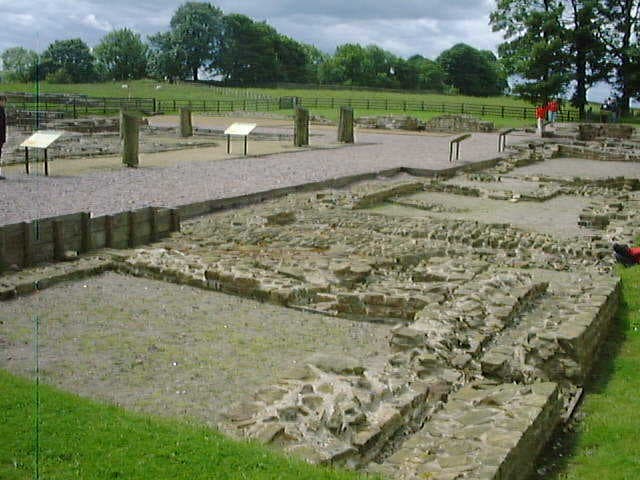
The fort was built as part of the Roman efforts to consolidate their presence in Britannia by creating a formidable defensive barrier. Birdoswald's design reflects typical Roman military architecture, featuring strong bastioned walls, defensive ditches, and internal buildings arranged around a central principia (headquarters). The fort's layout includes barracks, granaries, workshops, and a commander's house, illustrating the complex logistical and administrative functions it served.
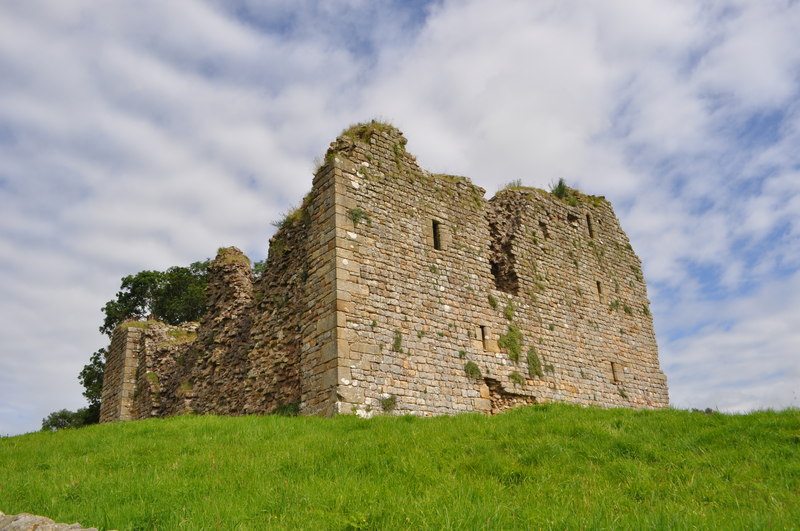
Unlike many Roman forts, Birdoswald is notable for its exceptional state of preservation, particularly its defensive walls and gateways. The fort's bastioned fortress characteristics are evident in the robust stone walls with projecting bastions designed to provide overlapping fields of fire against attackers. This architectural feature was crucial for the fort's defensive capabilities.
Continuity and post-Roman use
After the end of Roman rule in Britain in the early 5th century, Birdoswald was abandoned for a period. However, archaeological evidence shows that the site was reoccupied around the 13th century, reflecting its continued strategic or agricultural importance. During the medieval period and later, the site was adapted for use as farmland, which persisted until 1984. This long history of occupation and reuse adds layers of cultural significance to the site.
Preservation and archaeological research
Birdoswald Roman Fort is attached to the longest surviving stretch of Hadrian's Wall, making it one of the best-preserved forts along the entire frontier. The fort's preservation state allows visitors and researchers to gain valuable insights into Roman military life and frontier defense systems. Since the 1980s, extensive archaeological excavations have been conducted at Birdoswald, involving over 200 students by June 2023. These excavations have uncovered important artifacts and structural details that enhance understanding of Roman military strategy and daily life within the fort.
Management of the site transitioned from Cumbria County Council, which oversaw it from 1984 until 2004, to English Heritage, which currently manages and maintains the fort. English Heritage has worked to preserve the site, facilitate public access, and promote educational programs to highlight the fort's historical and architectural importance.
Architectural features and visitor experience
Visitors to Birdoswald can explore the well-preserved stone walls and bastions, walk along the adjoining section of Hadrian's Wall, and view the remains of internal buildings such as the principia and barracks. The site includes interpretive displays that explain the fort's role in Roman Britain, its construction techniques, and its historical context. The fort's location in Cumbria offers scenic views and a tangible connection to the Roman Empire's northernmost frontier.
Hadrian's Wall and the western frontier
Birdoswald's position on the western end of Hadrian's Wall places it near the River Irthing, a natural defensive feature. The fort's design took advantage of the terrain, with its bastions allowing defenders to cover the approaches effectively. This strategic siting underscores the Roman military's sophisticated approach to frontier defense.
Archaeological findings and ongoing research
Excavations at Birdoswald have revealed artifacts such as Roman pottery, coins, military equipment, and building materials. These finds contribute to a detailed picture of life at the fort, including the presence of auxiliary troops and the logistical challenges of maintaining a remote military outpost. Ongoing research continues to refine the understanding of Roman military architecture and frontier policy.
Access and visitor information
Birdoswald Roman Fort is open to the public, with English Heritage providing facilities and information for visitors. The site offers walking trails along Hadrian's Wall and opportunities to explore the fort's remains. Educational programs and guided tours are available seasonally, enhancing visitor engagement with the site's history and architecture.
Frequently asked questions (FAQ)
- What is the historical significance of Birdoswald Roman Fort?
- Birdoswald Roman Fort, known as Banna, was a key military site on Hadrian's Wall built in the 2nd century AD to protect the Roman Empire's northern frontier in Britain.
- Can visitors explore the remains of Birdoswald Roman Fort?
- Yes, Birdoswald is one of the best-preserved Roman forts on Hadrian's Wall, open to the public with accessible walls, bastions, and internal building remains.
- Who manages Birdoswald Roman Fort today?
- English Heritage currently manages Birdoswald Roman Fort, ensuring its preservation and providing educational resources for visitors.
- When was Birdoswald Roman Fort reoccupied after Roman times?
- The site was reoccupied around the 13th century and used as farmland until 1984, reflecting its continued use beyond the Roman period.
- What architectural features distinguish Birdoswald Roman Fort?
- The fort features robust bastioned stone walls, defensive ditches, a principia, barracks, and granaries typical of Roman military architecture.
Photo gallery

Information
Current owner
English Heritage
Loading map...
Visitor reviews
No reviews yet. Been here? Write the first review and help other travelers!
Write the first reviewVisited this castle? Share your experience
Your review helps other travelers and adds first-hand knowledge to our encyclopedia.