Bergkvara Castle Ruins
Bergkvara Castle stands as a significant example of a late medieval fortress in Sweden, located near the city of Växjö. Originally constructed around 1470-1480, the castle was likely commissioned by Arvid Trolle, a prominent nobleman of the time. The structure was designed as a fortified residence and political stronghold, reflecting the architectural and strategic needs of the period.
Architectural design and features
The castle was notable for its imposing five floors and four corner towers, which provided both defensive capabilities and residential space. The towers allowed for surveillance and protection against attacks, while the multiple floors accommodated the living quarters, halls, and administrative rooms necessary for the castle's function as a noble residence and center of power.
The castle's construction utilized local materials and medieval building techniques typical of the Scandinavian region, with thick stone walls and narrow windows designed for defense. Its layout was likely compact yet formidable, characteristic of late medieval hill castles designed to command the surrounding landscape.
Historical significance and ownership
Bergkvara Castle was owned by the Trolle family for approximately 150 years, during which it served as a major political and economic center in the region. The family's influence extended through their control of the castle, which functioned as a seat of power and administration.
The castle's role in regional politics was highlighted during the Dacke War, a significant peasant uprising in Sweden. In 1542, Nils Dacke, the leader of the revolt, laid siege to Bergkvara Castle. Following the siege, the castle was attacked and set on fire, leading to its destruction and abandonment as a noble residence.
The Dacke War and the castle's destruction
The peasant revolt led by Nils Dacke was one of the most notable uprisings in Swedish history, reflecting widespread discontent with royal policies. Bergkvara Castle's siege and subsequent burning in 1542 marked a pivotal moment in the conflict, demonstrating the vulnerability of noble strongholds to organized popular resistance.
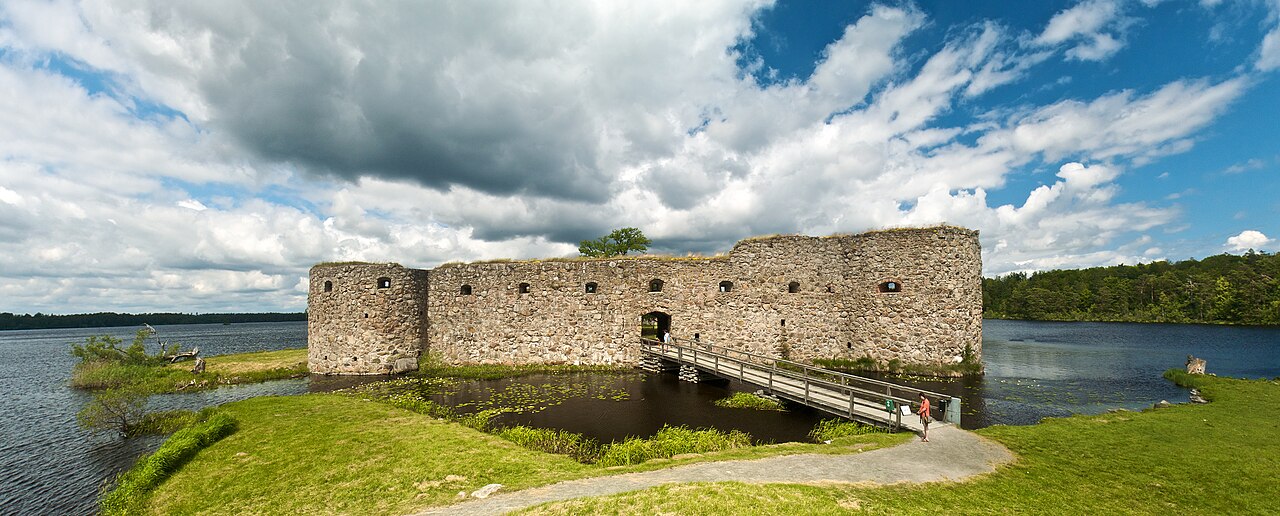
After the castle was burned, it was left in ruins and gradually fell into decay over the following centuries. The destruction of Bergkvara symbolized the decline of feudal power structures in the region and the shifting political landscape of 16th-century Sweden.
Later developments and preservation
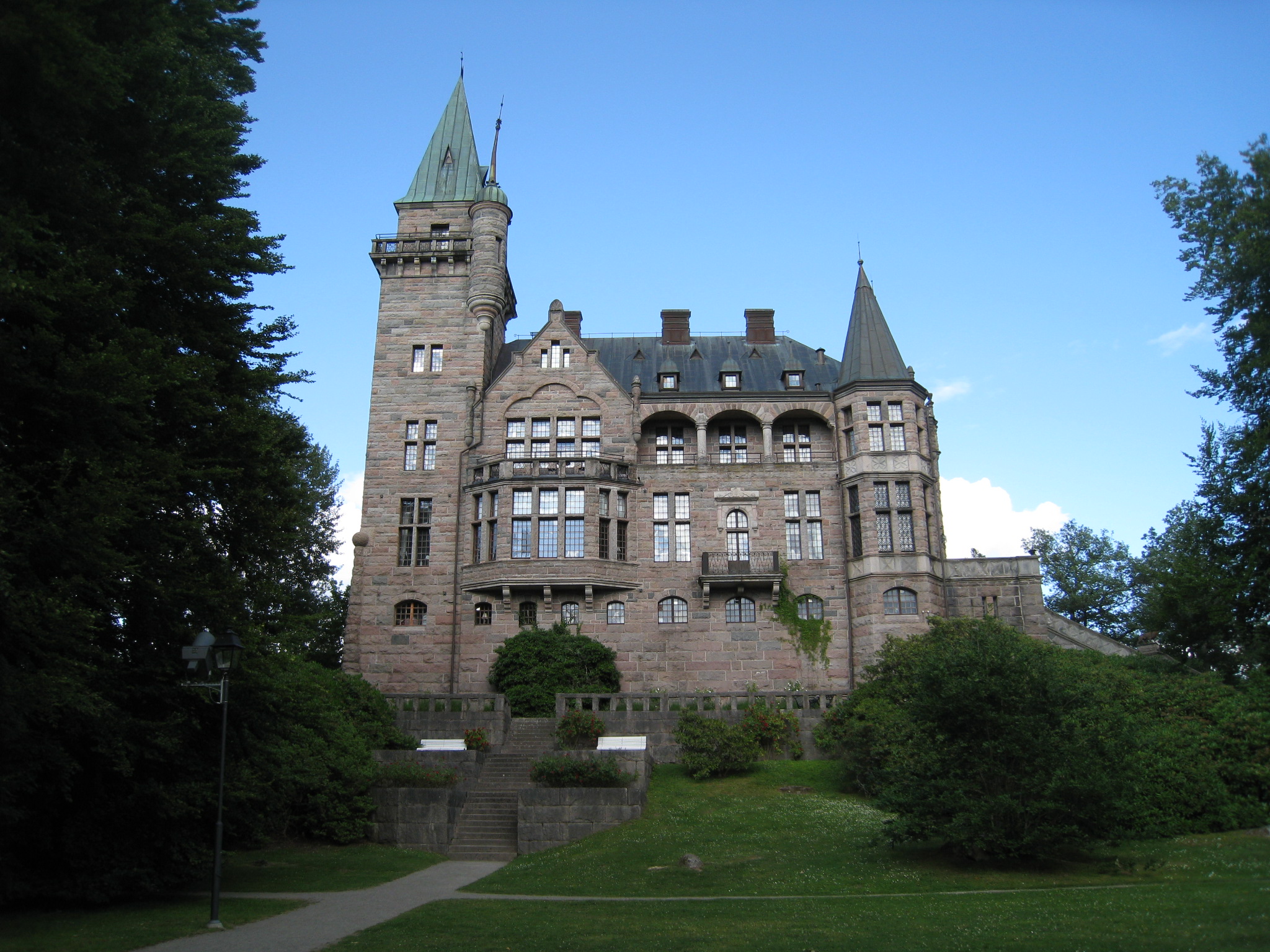
In 1794, centuries after the castle's destruction, Count Arvid Eric Posse constructed a new main building adjacent to the old ruins. This new structure reflected the architectural styles of the late 18th century and represented a revival of interest in the site, though the original castle remained in a ruined state.
Today, the Bergkvara Castle ruins are an important cultural and historical site, attracting visitors interested in medieval architecture and Swedish history. The ruins provide insight into the defensive design and noble lifestyles of the late medieval period, as well as the turbulent events of the 16th century.
Visiting the ruins
The ruins of Bergkvara Castle can be explored by visitors who wish to experience a tangible connection to Sweden's medieval past. While the castle no longer stands intact, the remaining stonework and foundations offer a glimpse into its former grandeur and strategic importance.
Interpretive signage and local guides often provide historical context, helping visitors understand the castle's role in regional power dynamics and its dramatic end during the Dacke War. The site is accessible from Växjö and is part of the broader cultural heritage of the region.
Frequently asked questions (FAQ)
- How do I get to Bergkvara Castle Ruins?
- Bergkvara Castle Ruins is located near Växjö, Sweden, and can be accessed by car or public transport. If you are driving, take the E4 highway and follow the signs to Bergkvara. For public transport, check local bus schedules that connect Växjö to nearby areas.
- What is the historical significance of Bergkvara Castle?
- Bergkvara Castle was originally built in the late 16th century and served as an important military stronghold. Its ruins provide insights into Swedish history and architecture from the Renaissance period. The castle played a vital role in regional power struggles and reflects the historical context of its time.
- When was Bergkvara Castle constructed?
- Construction of Bergkvara Castle began in 1580 and was completed a few years later. It was commissioned by the noble family of Oxenstierna and has undergone various modifications throughout its history. Today, the remaining structures highlight the architectural style of the late 16th century.
- Can I visit Bergkvara Castle Ruins year-round?
- Yes, Bergkvara Castle Ruins are open to visitors year-round, allowing for exploration in every season. However, be mindful of weather conditions, as winter may affect accessibility. It's best to check ahead for any seasonal events or maintenance closures.
- Why is Bergkvara Castle a popular tourist attraction?
- Bergkvara Castle is popular due to its rich history, picturesque ruins, and scenic surroundings. Visitors appreciate the opportunity to explore the remnants of the castle and enjoy the beautiful views of the nearby landscape. Its historical significance and charm make it a must-visit for history enthusiasts and nature lovers alike.
- Is it possible to obtain a guided tour of the castle ruins?
- Currently, guided tours are not regularly offered at Bergkvara Castle Ruins. However, informational signage is available on-site to help you learn about the castle's history and architecture. For special events, check local tourism websites for any organized tours or activities.
- What are the opening hours for Bergkvara Castle Ruins?
- Bergkvara Castle Ruins are generally accessible from dawn until dusk, but specific opening hours can vary seasonally. It’s advisable to check local tourism websites for the most current information before planning your visit. This flexibility allows guests to enjoy the ruins at their convenience.
- Are there any nearby attractions to visit along with the castle?
- Yes, visitors can explore other attractions near Bergkvara Castle, including the beautiful countryside and picturesque lakes. Växjö city, known for its cultural offerings and beautiful parks, is also just a short drive away. These nearby sites complement your visit to the castle and provide a well-rounded experience.
- What are the ticket prices for visiting Bergkvara Castle Ruins?
- There is no admission fee to visit Bergkvara Castle Ruins, making it an accessible option for all visitors. Enjoying the historical site and its surroundings is free, allowing you to explore without any financial constraints. However, check for any special events that may have separate fees.
Information
Current owner
Private owner
Loading map...
Visitor reviews
No reviews yet. Been here? Write the first review and help other travelers!
Write the first reviewVisited this castle? Share your experience
Your review helps other travelers and adds first-hand knowledge to our encyclopedia.