Bergkelder Castle
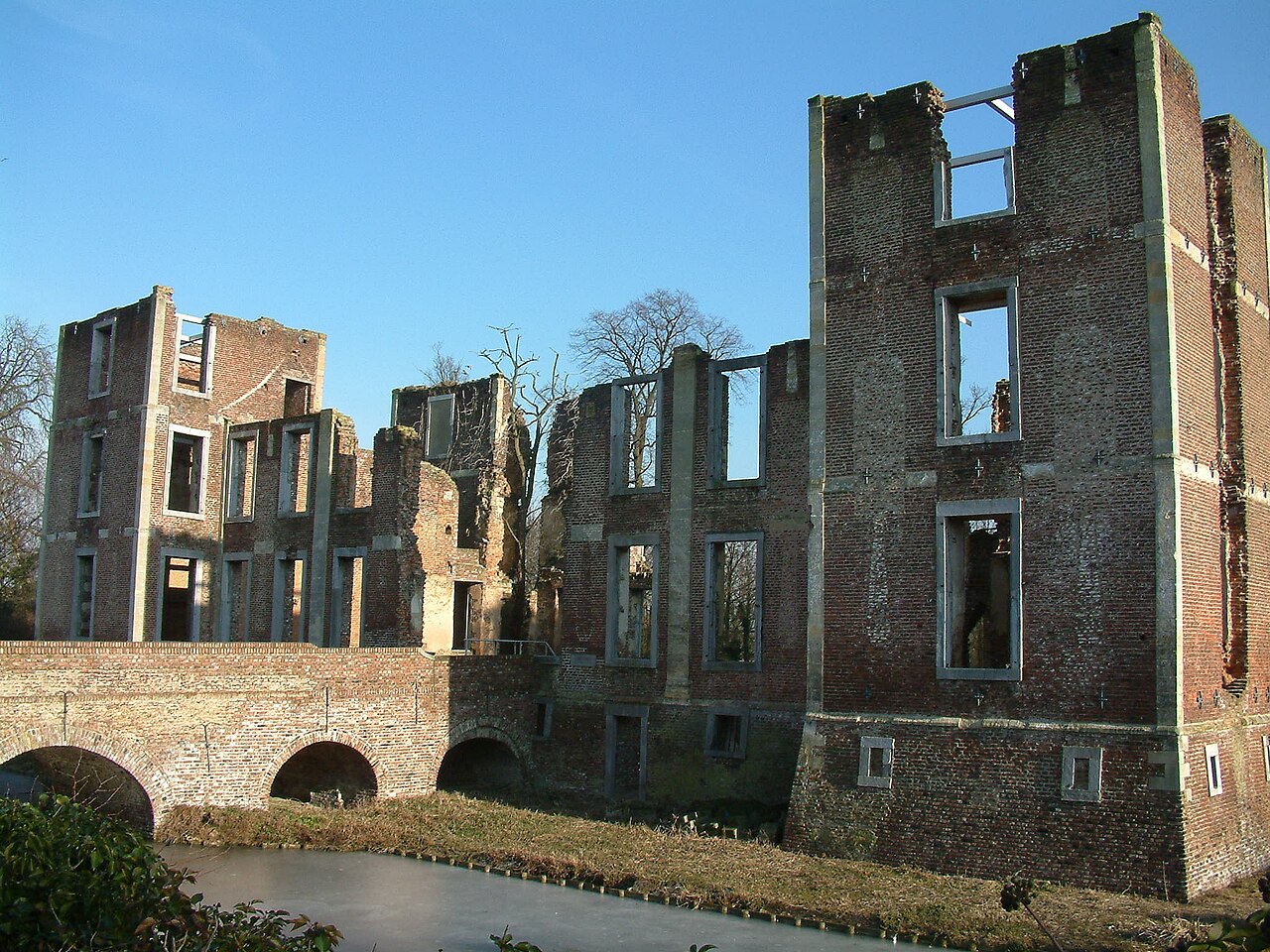
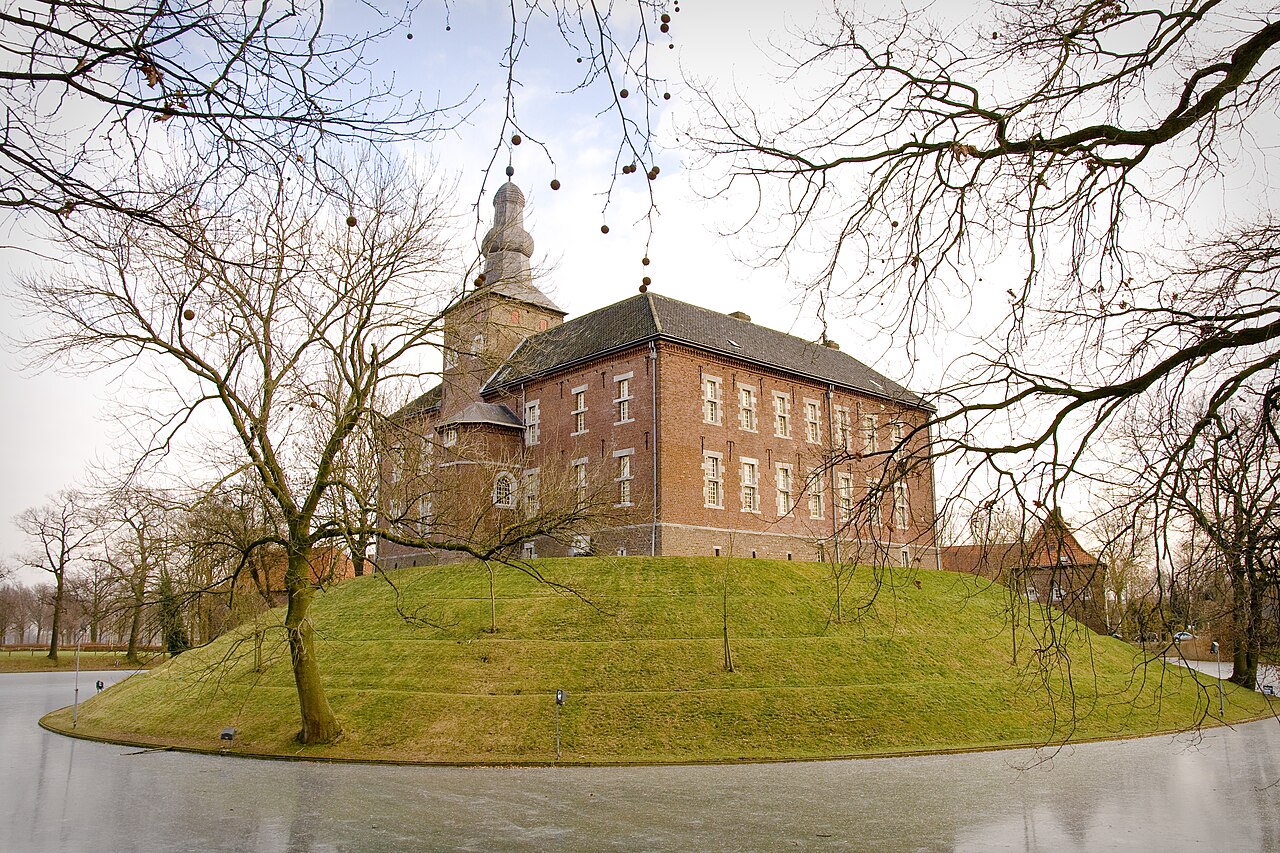
Bergkelder Castle, also known locally as Burcht van Bergkelder, is situated southeast of the village of Rotem in the province of Limburg, within the Flemish region of Belgium. This site represents a fascinating and enigmatic part of Belgium's medieval architectural heritage, though its exact origins and historical function remain subjects of debate among historians and locals alike.
Location and setting
The castle remnant lies in a rural field adjacent to a goat farm near De Schiervellaan 1-9. It is built upon a slight natural elevation in the landscape, which is a common strategic choice for medieval fortifications to provide a defensive advantage and visibility over the surrounding area. The site's rural and private nature has limited archaeological investigation and public access, contributing to the scarcity of detailed historical records.
Architectural features and construction
The surviving structure of Bergkelder Castle is modest but notable for its construction techniques and layout, which bear resemblance to early medieval keeps. The building materials and masonry style suggest a construction period potentially dating back to the early Middle Ages, although some sources have proposed a later date.
The castle's footprint and the method of construction indicate a fortified structure, possibly a small keep or tower house, designed for defense and surveillance. The use of stone and the elevated position align with defensive architectural principles common in medieval fortifications.
Controversy over function and dating
There is considerable uncertainty about whether Bergkelder Castle was originally a genuine castle or if it served a different purpose. Some local accounts and secondary sources suggest it might have been an ice house associated with the nearby 18th-century Ommerstein Castle. Ice houses were common in the post-medieval period for food preservation, often constructed with thick walls and partially subterranean chambers.
However, the elevated location and structural characteristics argue against this interpretation. Ice houses typically were built below ground level to maintain low temperatures, whereas Bergkelder Castle stands on a raised site with defensive features. This has led some experts to lean toward the interpretation of the structure as a remnant of a medieval keep, possibly dating from the early medieval period.
Historical context and significance
While direct historical documentation about Bergkelder Castle is lacking, its architectural style and location suggest it could have played a role in the medieval feudal landscape of Limburg. Castles and keeps in this region often served as local seats of power, defensive strongholds, or watchtowers controlling important routes and agricultural lands.
The proximity to Ommerstein Castle, a known 18th-century estate, indicates that the area has been of strategic and residential importance for several centuries. Bergkelder Castle's possible medieval origin would place it in a period when such fortifications were crucial for territorial control and defense against regional conflicts.
Current condition and access
Today, Bergkelder Castle exists as a ruin or remnant structure on private land. The site is not open to the public, and access is prohibited to protect the property and maintain safety. Local reports mention the site is now home to wildlife, including foxes, adding a natural element to the historical site.
The lack of public access and limited archaeological study mean that much about Bergkelder Castle remains unknown. Preservation efforts, if any, are minimal, and the structure's future depends largely on private ownership and potential interest from heritage organizations.
Exploring the mystery of Bergkelder Castle
Bergkelder Castle represents a compelling case of a historical site where architectural evidence and local tradition intersect with uncertainty. The debate over its original purpose highlights the challenges in interpreting small medieval structures with limited documentation.
Further archaeological research and historical investigation could provide clarity on the castle's origins, construction date, and role in the region's history. Until then, Bergkelder Castle remains a quiet, enigmatic landmark in the Limburg countryside, inviting curiosity and scholarly interest.
Frequently asked questions (FAQ)
- Is Bergkelder Castle open to the public for visits?
- Bergkelder Castle is located on private land and is not open to the public. Visitors are advised to respect property boundaries and not attempt to access the site.
- What is the historical period of Bergkelder Castle?
- The exact historical period of Bergkelder Castle is uncertain, but architectural features suggest it may date back to the early medieval period.
- Was Bergkelder Castle originally a castle or an ice house?
- There is debate about its original function; some believe it was a medieval keep, while others think it served as an ice house for the nearby Ommerstein Castle. The elevated position and construction style support the castle theory.
- Where is Bergkelder Castle located?
- Bergkelder Castle is near De Schiervellaan 1-9, southeast of the village of Rotem, in Limburg province, Belgium.
- Can I see wildlife near Bergkelder Castle?
- The site is reportedly home to local wildlife, including foxes, due to its rural and undisturbed setting.
Information
Address
Near De Schiervellaan 1-9, Belgium
Loading map...
Visitor reviews
No reviews yet. Been here? Write the first review and help other travelers!
Write the first reviewVisited this castle? Share your experience
Your review helps other travelers and adds first-hand knowledge to our encyclopedia.