Bereguardo Castle
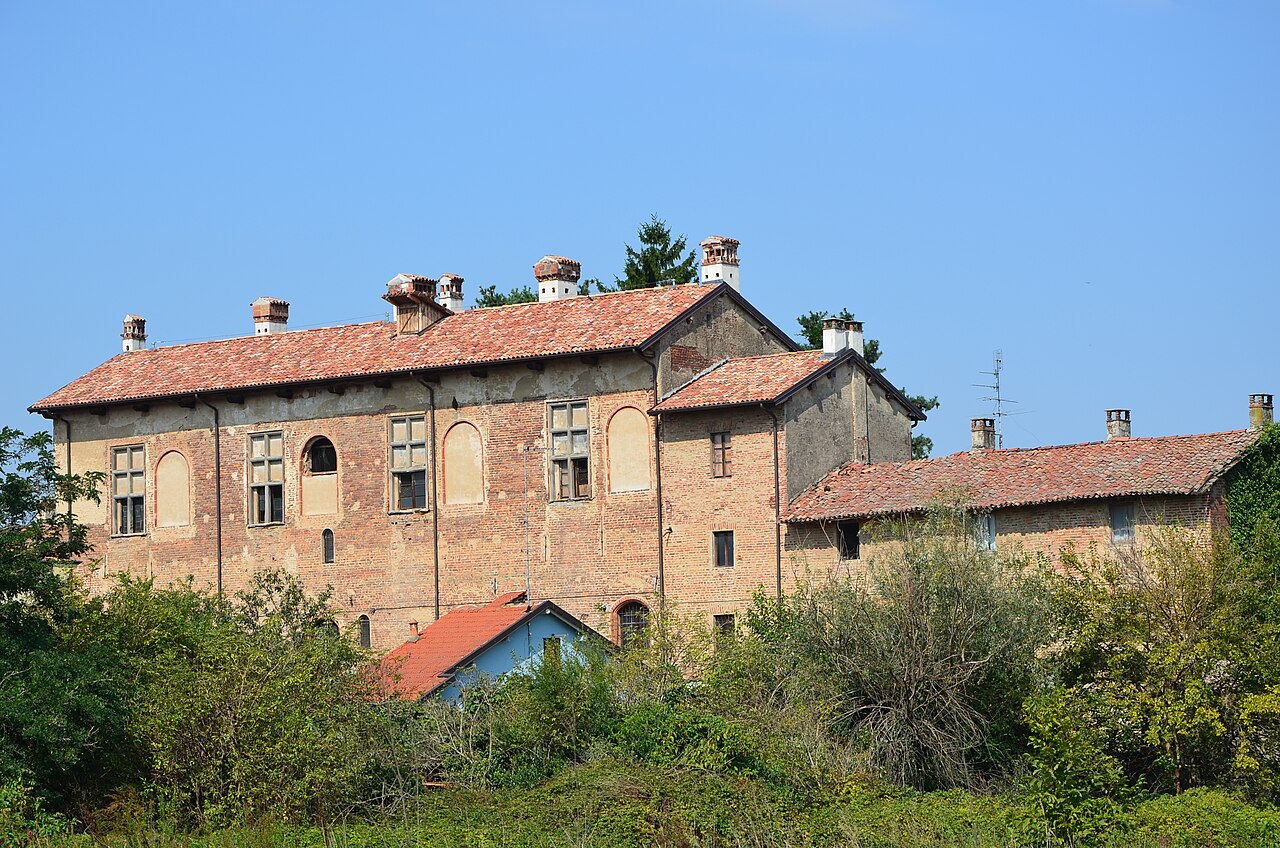
Bereguardo Castle, also known as the Castello Visconteo of Bereguardo, is a historically significant fortress located in the municipality of Bereguardo, Lombardy, Italy. Constructed in the 14th century, this castle was commissioned by Luchino Visconti to serve as a defensive stronghold for the western borders of the Duchy of Milan. Over time, it evolved into a noble residence and hunting lodge, notably used by Galeazzo II Visconti during the Late Medieval period. The castle’s strategic position and architectural features reflect the military and residential needs of the Visconti dynasty during their rule.
Historical context and visconti legacy
The Visconti family were among the most powerful ruling dynasties in northern Italy during the Middle Ages. Bereguardo Castle was part of a network of fortifications and residences designed to secure and administer the territories west of Milan. Its initial construction under Luchino Visconti in the early 14th century marked a period of territorial consolidation and defense against external threats.
Galeazzo II Visconti, who reigned in the mid-14th century, used the castle as a winter residence and hunting lodge, highlighting the dual military and leisure functions of the site. The castle thus served not only as a fortress but also as a symbol of Visconti authority and lifestyle.
In the 15th century, Filippo Maria Visconti, the last Visconti Duke of Milan, undertook renovations and enhancements to the castle. His contributions included the addition of distinctive Gothic architectural elements such as the bifore or mullioned window on the eastern façade, which bears his initials "FM." He also commissioned the construction of the Naviglio di Bereguardo, a canal that connected the castle to the Naviglio Grande at Abbiategrasso, improving waterborne access and communication with Milan.
Transition to sforza ownership and later history
Following the Visconti dynasty, the castle passed into the hands of the Sforza family, who succeeded the Visconti as rulers of Milan. In 1450, Duke Francesco I Sforza granted the castle and its lands to Giovanni Maruzzi da Tolentino, a captain and counselor to the Duke. The Maruzzi family maintained possession of the estate until the 18th century, during which time the property was subdivided and modified.
One notable development during this period was the construction of a Baroque villa opposite the castle by a branch of the Maruzzi family, reflecting changing architectural tastes and the evolution of the estate from a purely defensive fortress to a noble residence complex.
In 1897, the castle was donated to the municipality of Bereguardo by the engineer Giulio Pisa. The local government adapted the interior spaces for civic use, including private residences and administrative offices. Toward the end of the 20th century, the castle underwent restoration efforts to preserve its historical and architectural heritage.
Architectural features and layout
The castle originally had a quadrangular layout typical of Visconti castles in Lombardy, constructed primarily of brick. It enclosed a central courtyard on all four sides and was designed to serve both defensive and residential functions. Unlike many medieval fortresses, Bereguardo Castle did not have corner towers, focusing instead on solid curtain walls and fortified entrances.
Over time, the northern wing of the castle was demolished, resulting in a U-shaped floor plan open to the north. The southern wing retains a defensive moat and a bridge that historically provided access to the main entrance. The battlements along the southern façade preserve the original crenellations, which were crucial for defense, allowing archers and guards to protect the castle while remaining shielded.
A distinctive Gothic mullioned window on the western corner features a central marble column and brickwork typical of mid-15th-century design. This window bears the carved initials "FM," linking it to Filippo Maria Visconti and marking a period of architectural enhancement.
Originally, the castle was surrounded by a defensive cinta muraria or enclosing wall, of which only the base remains visible today. The interior spaces have been heavily modified over the centuries, especially following the 19th-century donation, adapting the castle for residential and municipal functions.
Defensive elements
The castle’s defensive features include the moat, crenellated walls, and a fortified entrance accessed by a bridge. These elements reflect the military architecture of the Late Medieval period in northern Italy, emphasizing protection against siege warfare and raids.
Residential adaptations
While primarily a fortress, Bereguardo Castle also functioned as a noble residence. The presence of decorative windows and comfortable living quarters indicates the dual role of the castle as both a military installation and a place of leisure and governance for the Visconti and later owners.
Current use and preservation
Today, Bereguardo Castle is partially restored and serves as a municipal building, housing the city hall and the town library. Its preservation allows visitors to appreciate the blend of medieval military architecture and later modifications that illustrate the castle’s long history.
The castle remains a cultural landmark in Bereguardo, connecting the community with its medieval past and the legacy of the Visconti and Sforza families. Restoration efforts have focused on maintaining the structural integrity of the remaining wings and defensive features, while adapting interior spaces for modern use.
Visiting information
Visitors to Bereguardo can explore the castle’s exterior features, including the moat, crenellations, and Gothic window. While the interior has been adapted for municipal use, guided tours or special events may offer opportunities to experience the castle’s historical ambiance. The castle’s location in Lombardy makes it accessible for those interested in medieval architecture and Italian history.
Frequently asked questions (FAQ)
- How do I visit Bereguardo Castle and what are the opening hours?
- Bereguardo Castle is accessible to the public primarily for exterior viewing as it houses municipal offices and the town library. Visiting hours may vary, so it is recommended to check with the Bereguardo municipality for guided tours or special events availability.
- What is the historical significance of Bereguardo Castle?
- Bereguardo Castle was built in the 14th century by the Visconti family to defend the western borders of the Duchy of Milan. It later served as a noble residence and hunting lodge, reflecting the military and residential roles of medieval Lombard castles.
- Can I see original medieval architectural features at Bereguardo Castle?
- Yes, visitors can observe original features such as the crenellated battlements, the defensive moat, and a distinctive Gothic mullioned window with the initials of Duke Filippo Maria Visconti.
- Is Bereguardo Castle wheelchair accessible?
- Due to its medieval structure and partial restoration, accessibility may be limited. Visitors with mobility concerns should contact the local municipality in advance to inquire about accommodations.
- When was the Naviglio di Bereguardo canal constructed and what was its purpose?
- The Naviglio di Bereguardo was constructed in the 15th century under Duke Filippo Maria Visconti to connect the castle with the Naviglio Grande canal, facilitating transportation and communication with Milan.
Information
Loading map...
Visitor reviews
No reviews yet. Been here? Write the first review and help other travelers!
Write the first reviewVisited this castle? Share your experience
Your review helps other travelers and adds first-hand knowledge to our encyclopedia.