Soroca Fortress
Soroca Fortress stands as a remarkable example of medieval military architecture in Moldova, constructed in the last quarter of the 15th century under the reign of Stephen the Great. This fortress was strategically built to defend the Moldavian territory against incursions by the Tartar forces crossing the Dniester River. Its name is traditionally linked to the term "soroc," a building measurement used by the lord who commissioned it, emphasizing its role as a carefully planned defensive structure.
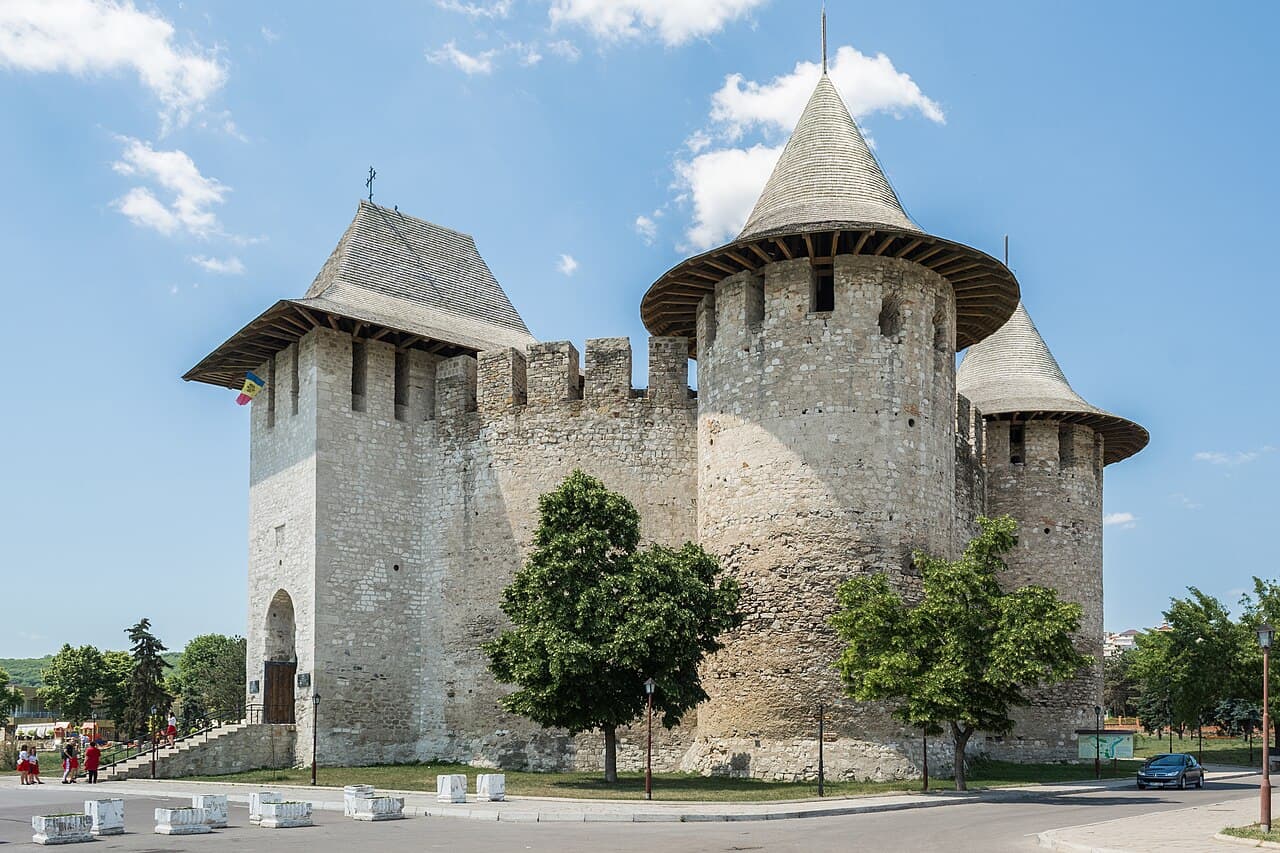
The fortress is unique among Moldavian fortifications due to its circular design, featuring a diameter of approximately 30.5 meters across the inner courtyard. Unlike larger fortresses such as Suceava, Cetatea Albă, or Hotin, Soroca was built primarily as a compact, robust shelter for a guard force tasked with monitoring and repelling Tartar raids. Its relatively small size and specific architectural features reflect its specialized military function rather than serving as a large-scale defensive citadel.
Construction and architectural features
The stone fortress visible today was erected by a skilled team of masons from Transylvania, led by the craftsman Iacob, who left an inscription inside the fortress stating, "he built this castle Iacob." This indicates the involvement of experienced builders familiar with contemporary European fortification techniques. Prior to this stone structure, a wooden and earth fortress existed on the site, referenced in records from 1499. Archaeological excavations have uncovered remains of this earlier fortification within the current walls, providing insight into the site's long-standing military significance.
The fortress's walls are constructed with a thickness of about 3.05 meters and rise to a height of 21 meters. The walls feature a distinctive talus (a sloped base) that extends approximately 7 meters into the plateau, resting on a foundation of hard rock for enhanced stability and defense against siege tactics. The upper sections of the walls are crowned with battlements, providing cover for defenders.
Equidistantly arranged around the circular perimeter are five towers: four circular and one prismatic tower, which serves as the main entrance. This prismatic tower faces the Dniester River and includes a fortified passageway on the first level, protected by two massive gates and a harrow (a defensive grate). Beneath this passage are two underground traps, designed to hinder attackers attempting to breach the entrance.
Inside the fortress, three rows of wooden galleries supported by cantilevered beams run along the walls, allowing defenders to move and fire upon attackers effectively. Access to the tower rooms is gained via these galleries and external staircases. The defensive perimeter also includes a guard road adjacent to the battlements where weaponry and defensive equipment were stored.
At the center of the fortress lies a well, essential for sustaining the garrison during sieges. Above the entrance tower is a chapel featuring an ogival arched portal with wicker frames, reflecting the Moldavian Gothic style prevalent during the period.
Historical context and military significance
Soroca Fortress was a critical component of the defense system of medieval Moldova, particularly against the persistent threat of Tartar raids. Its construction coincided with the height of the Italian Renaissance, and its design shows parallels with contemporary fortifications in northern Italy, such as the Castle of Caprarola. However, Soroca's small size and circular plan distinguish it as a unique achievement in European military architecture, demonstrating the advanced expertise of its builders.
Throughout its history, Soroca Fortress underwent modifications to adapt to evolving military technology and threats. In the late 17th century, during a siege by approximately 2,000 Polish soldiers, significant alterations were made. These included the addition of 13 gunpowder storage rooms built into the walls, with accommodation quarters constructed above them. The battlements were modified by blocking some gaps and adding small arms firing holes to improve defensive capabilities.
Outside the fortress, barracks were established for the Polish troops, surrounded by a defensive ditch and an earthen rampart, reflecting the adaptation of the site to contemporary military needs during this period.
Architectural style and cultural heritage
The fortress exemplifies a blend of Moldavian Gothic and Renaissance military architectural elements. Its circular layout, thick walls, and robust towers embody the principles of fortification design aimed at maximizing defense while maintaining a compact footprint. The presence of a chapel within the entrance tower highlights the integration of spiritual and military functions, a common feature in medieval fortifications.
As a well-preserved monument, Soroca Fortress holds significant cultural and historical value for Moldova. It represents the resilience and strategic ingenuity of Moldavian rulers during a turbulent era marked by frequent invasions and conflicts. Today, it serves as a symbol of national heritage and attracts visitors interested in medieval architecture and Eastern European history.
Visitor experience and preservation
Visitors to Soroca Fortress can explore its imposing walls, towers, and internal galleries, gaining insight into the defensive strategies employed in medieval times. The fortress's location near the Dniester River offers scenic views and contextualizes its strategic importance. Preservation efforts have maintained the fortress's structural integrity, allowing for an authentic experience of its historical atmosphere.
Interpretive signage and guided tours provide educational opportunities about the fortress's construction, historical role, and architectural features. The site remains an essential destination for those seeking to understand the military history and cultural legacy of Moldova.
Frequently asked questions (FAQ)
- How do I get to Soroca Fortress?
- Soroca Fortress is located in the city of Soroca in Moldova. It is accessible by road from major cities like Chisinau, with regular bus and car routes available.
- What is the best time to visit Soroca Fortress?
- The best time to visit Soroca Fortress is during the late spring to early autumn months when the weather is mild and conducive to outdoor exploration.
- Can I explore the towers and galleries inside Soroca Fortress?
- Yes, visitors can explore the fortress's towers, wooden galleries, and battlements, which provide a comprehensive view of its defensive architecture.
- Is there an entrance fee to Soroca Fortress?
- Entrance fees vary; it is recommended to check locally or on official tourism websites for current ticket prices and opening hours.
- What architectural style is Soroca Fortress built in?
- Soroca Fortress is primarily built in the Gothic style, featuring Moldavian Gothic elements such as ogival arches and defensive battlements.
Photo gallery

Information
Current owner
State museum
Loading map...
Visitor reviews
No reviews yet. Been here? Write the first review and help other travelers!
Write the first reviewVisited this castle? Share your experience
Your review helps other travelers and adds first-hand knowledge to our encyclopedia.