Belvoir Castle
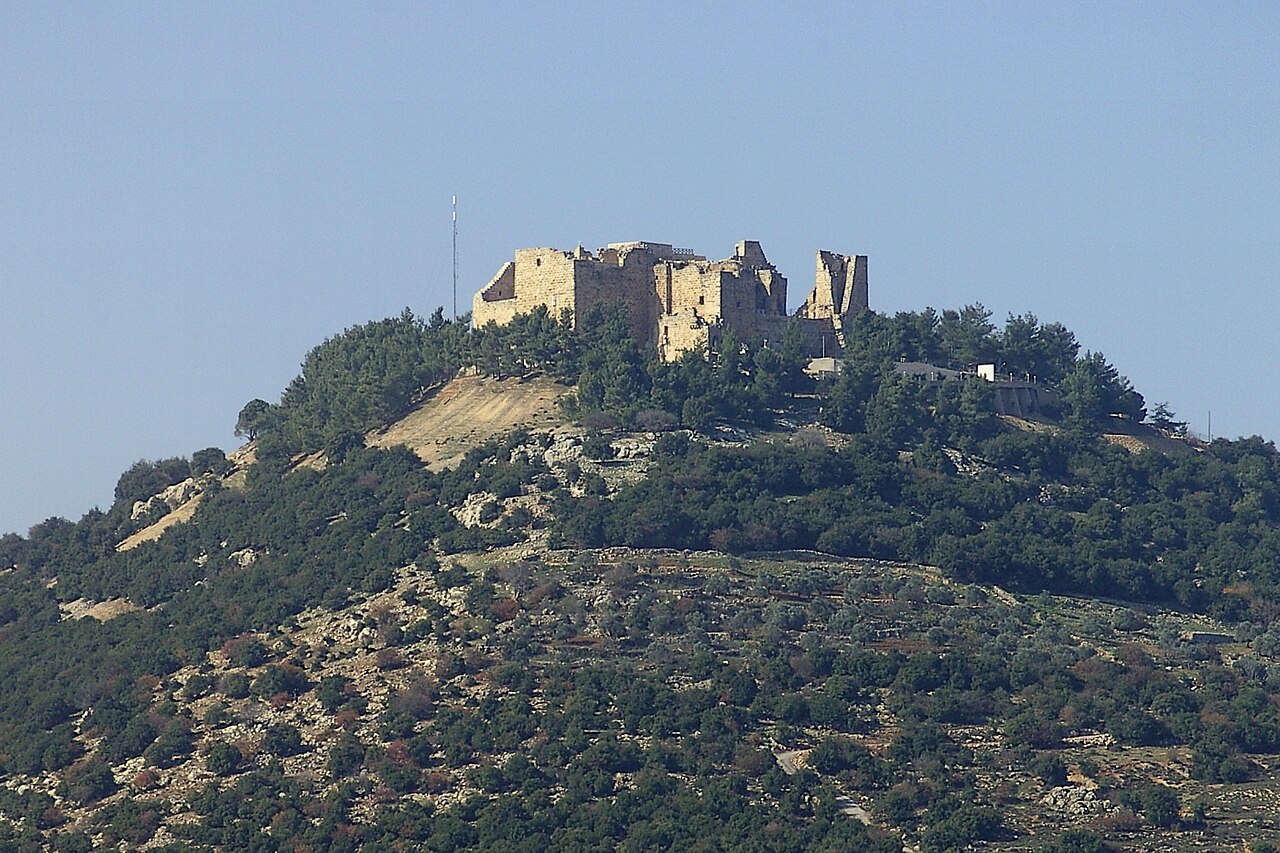
Belvoir Castle, also known as Kochav Hayarden or the "Star of the Jordan," is a remarkable Crusader fortress located in northern Israel, perched on a hill at the eastern edge of the Issachar Plateau, overlooking the Jordan River Valley. Constructed beginning in 1168 by the Knights Hospitaller under the leadership of Gilbert of Assailly, the castle stands as one of the best-preserved examples of High Medieval military architecture in the region. Its strategic position 500 metres above the valley floor allowed it to control the vital route from Gilead into the Kingdom of Jerusalem via a nearby river crossing, making it a key defensive bastion during the Crusader period.
The site of Belvoir has a history extending back to antiquity, with archaeological evidence of a Jewish settlement and a synagogue dating to the third century CE during the Talmudic period. The castle's Hebrew name preserves the legacy of the ancient village Kochava. Before the castle's construction, the land was owned by the Velos family, French nobles who established a fortified manor in the early 12th century. In 1168, the Knights Hospitaller purchased the estate and swiftly replaced the manor with the imposing concentric fortress visible today.
Historical context and military significance
Belvoir Castle played a pivotal role in the defense of the Crusader Kingdom of Jerusalem, particularly as a bulwark against Muslim forces advancing from the east. The fortress successfully withstood an attack in 1180 and was the site of the nearby Battle of Belvoir Castle in 1182, where King Baldwin IV confronted Saladin's forces. Following the devastating Crusader defeat at the Battle of Hattin in 1187, Belvoir endured a prolonged siege by Saladin's army lasting approximately eighteen months, finally surrendering in January 1189 under honorable terms.
After its capture, the castle was occupied by an Arab governor until the early 13th century when the Ayyubid ruler in Damascus ordered its slighting around 1219 to prevent its reuse by the Crusaders. The fortress briefly returned to Crusader control in 1241 but was ultimately abandoned after 1263. The ruins later became the site of a Bedouin village in the 18th century until the area was captured by Israeli forces in 1948.
Architectural design and features
Concentric castle layout
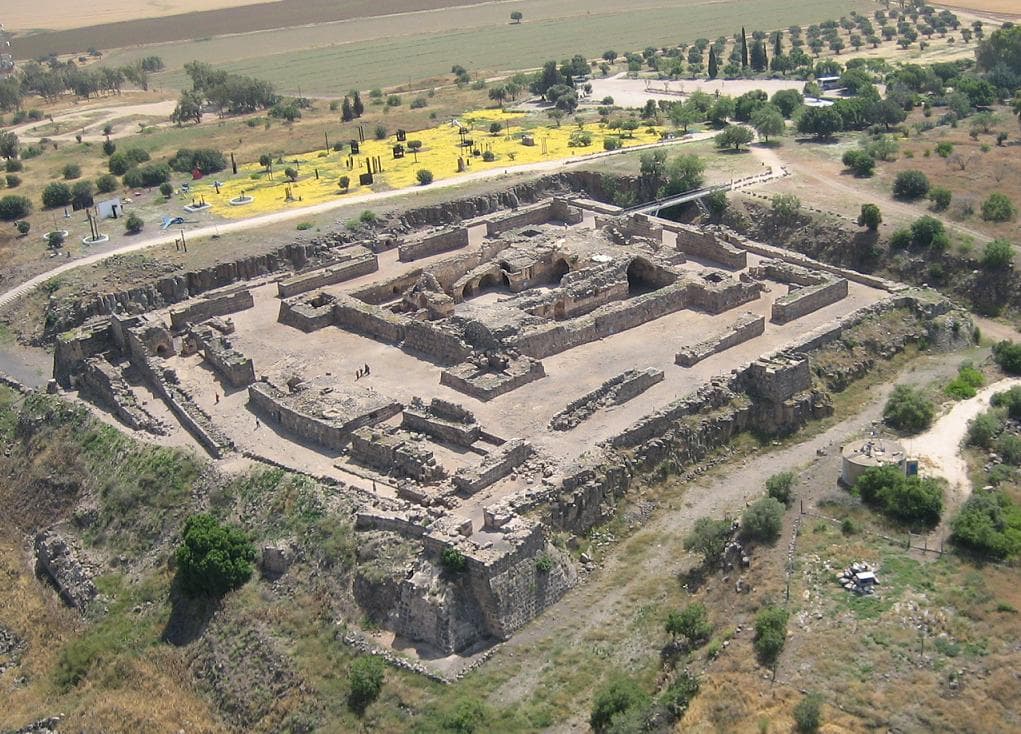
Belvoir Castle exemplifies an early and sophisticated use of the concentric castle design, characterized by a smaller inner fortress enclosed within a larger outer wall, creating multiple defensive layers. This design reflects influences from Roman military architecture, resembling a Roman castrum with its rectangular plan, corner towers, and a prominent gatehouse.
The outer enclosure is roughly square, measuring about 480 meters in perimeter, with walls approximately three meters thick, reinforced with iron and lead clamps for enhanced durability. It is surrounded on three sides by a dry moat 20 meters wide and 10 to 15 meters deep, while the eastern side benefits from a natural steep slope, reducing the need for artificial defenses there.
Towers and defensive structures
The fortress features large projecting corner towers and smaller intermediary towers along the outer walls, all rising to around seven meters in height. Some towers incorporate concealed sally ports allowing defenders to launch surprise sorties into the moat area. The main entrance, located at the southeast corner, employs a bent passage to slow attackers, protected by a mechanical portcullis and seven arrow slits for archers. A secondary gate on the western side includes a drawbridge with a removable wooden section to prevent enemy crossing.
Inner fortress and living quarters
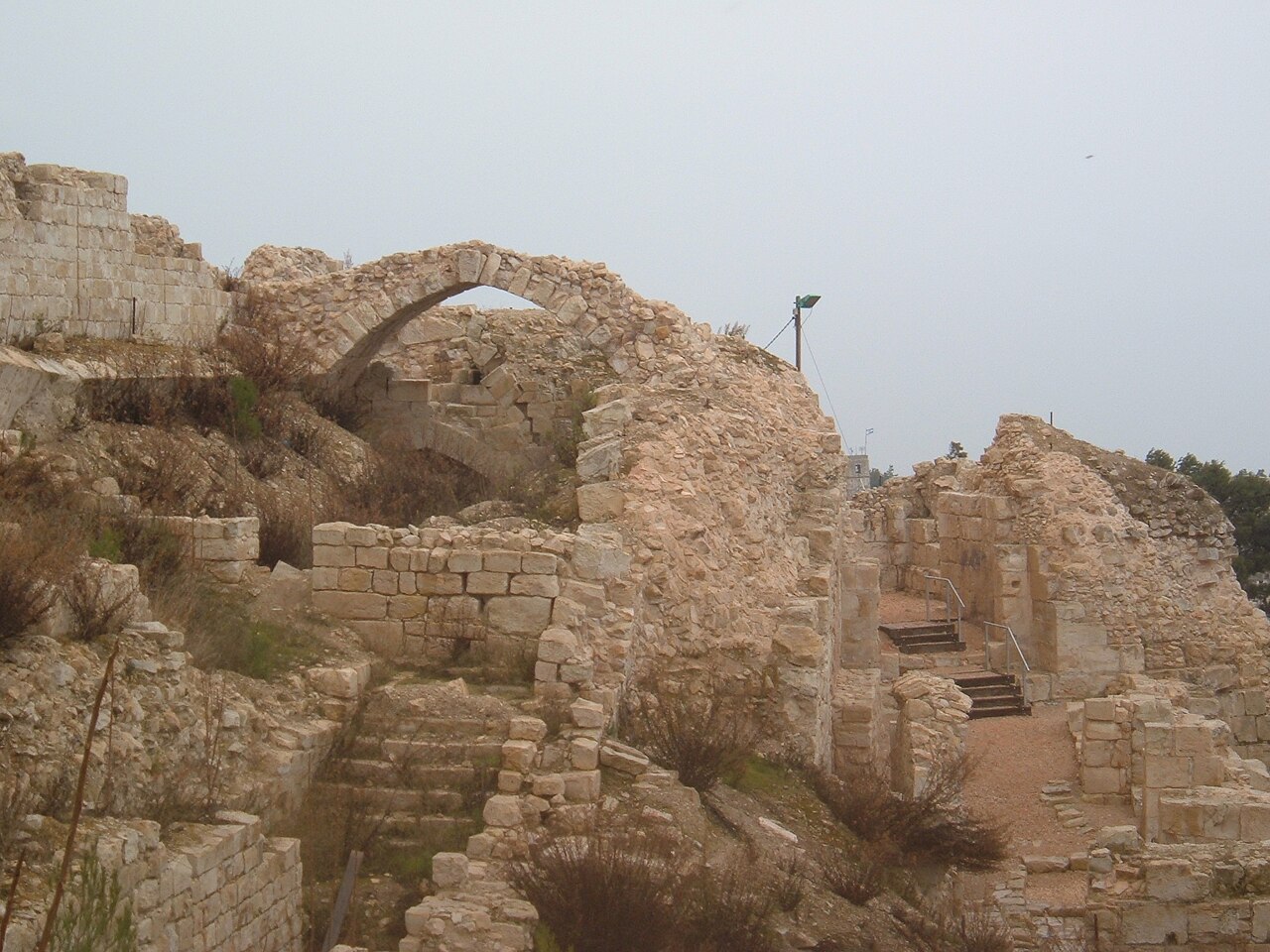
Within the outer walls lies the smaller inner fortress, also square with a perimeter of about 160 meters and standing approximately two meters higher than the surrounding walls. It contains four corner towers and served as the last line of defense and command center. Inside are vaulted halls used as dining areas, kitchens equipped with large ovens, residential quarters, and a chapel situated on the upper floor of the gate tower, illustrating the fortress's dual role as a military stronghold and a self-sufficient living complex.
Construction materials and techniques
The castle was primarily constructed from locally quarried black basalt stone, giving it a distinctive dark appearance, complemented by white limestone imported from farther afield. The walls are hollow and built with barrel vaults, creating two floors within their thickness: a lower floor for storage and stabling horses, and an upper protected walkway with crenellations for archers.
Water management and additional facilities
Water supply was a critical concern for the defenders. Belvoir Castle features carefully plastered cisterns designed to collect rainwater via a system of channels and pipes. Additional water was sourced from the nearby spring Ein Hadid, ensuring adequate provisions during sieges. Notably, archaeologists uncovered a bathhouse resembling a Turkish hammam in the northeast corner of the outer courtyard, providing hygiene and relaxation facilities for the knights.
Archaeological discoveries and preservation
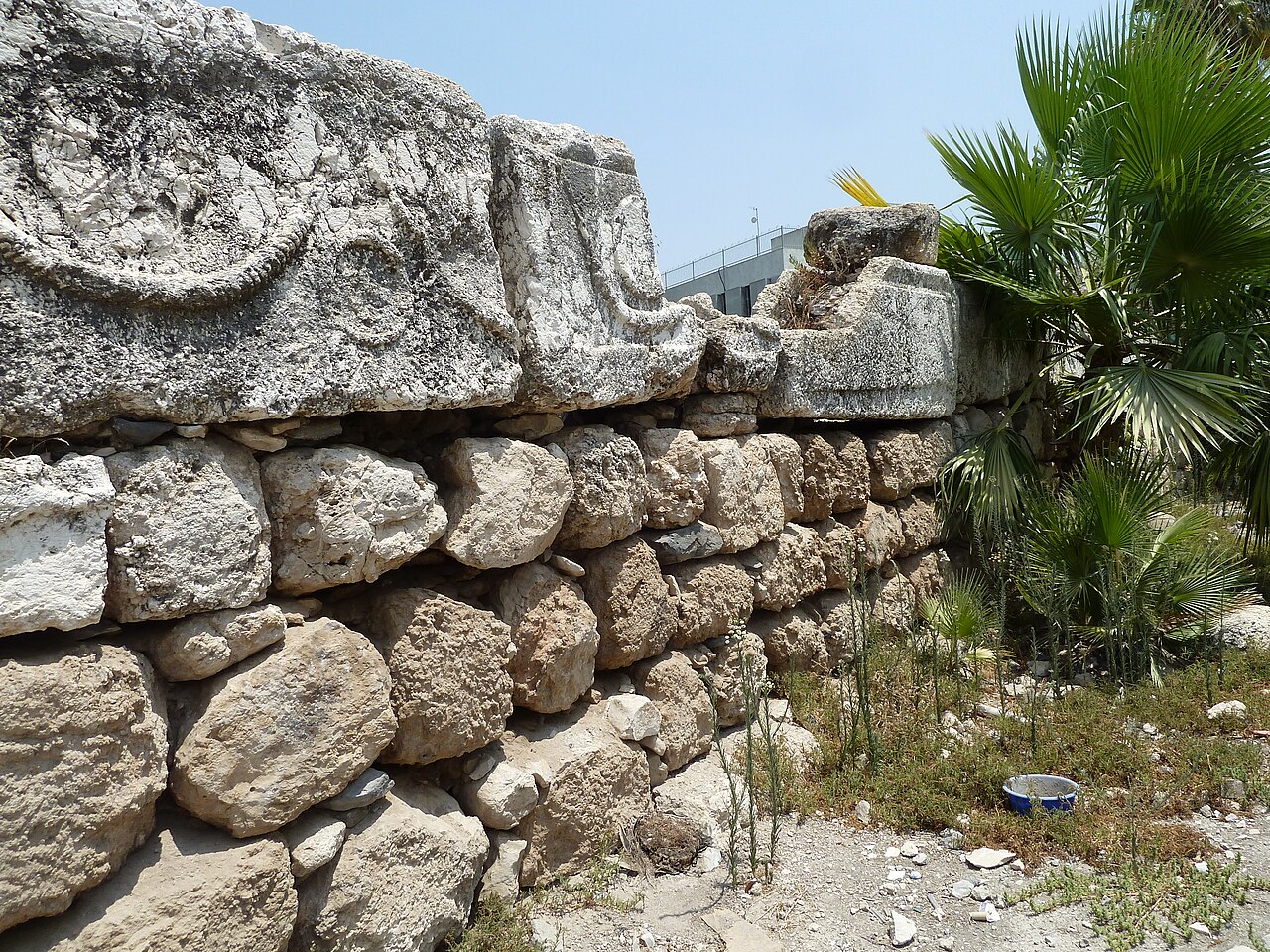
Excavations beginning in the 1960s under Nehemia Zori and Meir Ben-Dov revealed extensive information about the fortress's layout and construction. Noteworthy discoveries include carved stone blocks reused from a nearby Byzantine synagogue, featuring decorative menorahs and friezes, which were incorporated into the castle walls. These findings highlight the layered history of the site, connecting it to earlier religious and cultural traditions.
Today, Belvoir Castle remains one of the best-preserved Crusader castles in Israel. Its extensive ruins are largely intact and accessible within Belvoir National Park, also known as Jordan Star National Park. The site offers visitors a vivid glimpse into medieval military architecture, the strategic importance of the Crusader states, and the complex history of this region.
Visiting belvoir castle
Belvoir Castle is open to the public as part of Belvoir National Park. Visitors can explore the well-preserved walls, towers, and inner fortress, gaining insight into the castle's defensive design and daily life during the Crusader period. The park also provides scenic views over the Jordan Valley and surrounding landscape, making it a popular destination for history enthusiasts and tourists interested in medieval architecture and the Crusades.
Frequently asked questions (FAQ)
- How do I get to Belvoir Castle?
- Belvoir Castle is located near Beit She'an in northern Israel. It is accessible by car and public transportation, with signage directing visitors to Belvoir National Park.
- What are the opening hours of Belvoir Castle?
- Belvoir Castle, within Belvoir National Park, is typically open daily from morning until late afternoon. It's best to check the park's official website or visitor center for current hours.
- Is there an entrance fee to visit Belvoir Castle?
- Entrance to Belvoir National Park, which includes the castle, usually requires a ticket. Prices vary for adults, children, and residents. Discounts may be available for groups and seniors.
- What architectural style is Belvoir Castle built in?
- Belvoir Castle is an excellent example of a High Medieval concentric castle, featuring strong Romanesque influences and military architectural innovations of the Crusader period.
- Can I explore the interior of Belvoir Castle?
- Yes, visitors can explore many parts of the castle, including the inner fortress, towers, gatehouse, and vaulted halls, which are well-preserved and accessible.
- Why is Belvoir Castle historically significant?
- Belvoir Castle was a key Crusader stronghold controlling the eastern approaches to the Kingdom of Jerusalem. It played a crucial role in resisting Saladin's forces and exemplifies medieval military architecture.
Photo gallery

Photo by אסף.צ at Hebrew Wikipedia•Public domain
Information
Sources & official resources
Verify the information above using these authoritative references.
Loading map...
Visitor reviews
No reviews yet. Been here? Write the first review and help other travelers!
Write the first reviewVisited this castle? Share your experience
Your review helps other travelers and adds first-hand knowledge to our encyclopedia.