Tel Afula
Tel Afula is an archaeological mound located in the heart of the modern city of Afula, Israel, within the fertile Jezreel Valley. This site represents one of the region's most significant multi-period settlements, with nearly continuous human occupation spanning from the Late Chalcolithic period through to the Ayyubid period in the 13th century CE. The site offers a rare glimpse into the layered history of the Levant, revealing cultural and architectural influences from the Bronze Age, Roman, Byzantine, Early Islamic, Crusader, and Mamluk eras.
Early settlement and Bronze Age remains
Archaeological evidence indicates that Tel Afula was inhabited as early as the Late Chalcolithic period, with substantial occupation during the Bronze Age. Excavations have uncovered cemeteries containing pottery vessels such as jugs, bowls, and anthropomorphic figurines, which provide insight into the funerary customs and artistic expressions of the early communities. These findings suggest a well-established settlement with ritual practices dating back several millennia.
Further layers from the Late Bronze Age and Early Iron Age attest to continued habitation, although these periods are less extensively represented in the archaeological record. The gradual development of the site during these epochs reflects the broader historical shifts occurring in the Levantine region.
Roman and Byzantine periods: architectural development
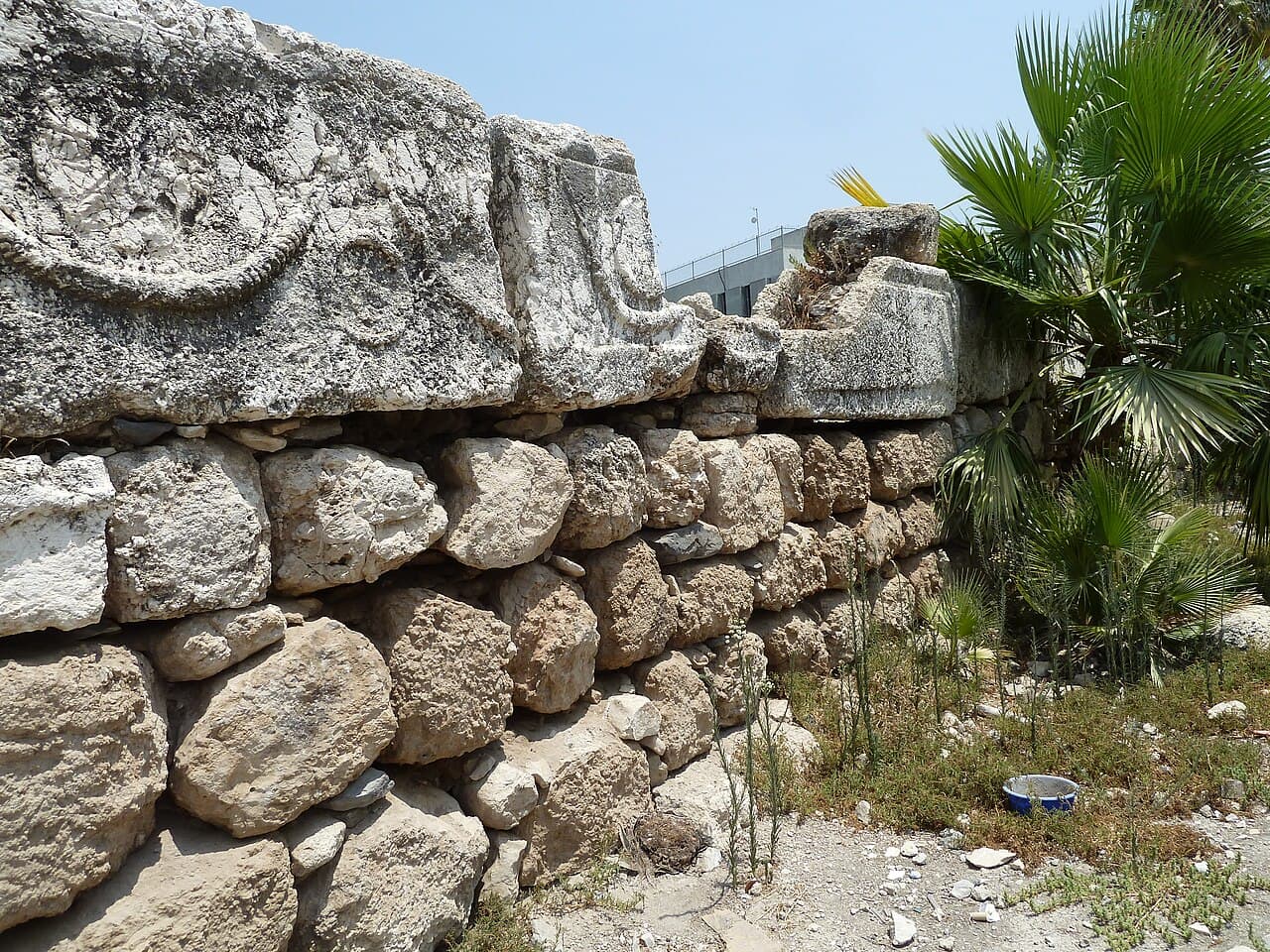
During the Roman period, Tel Afula evolved into a more structured settlement. Excavations have revealed stone walls, floors, and numerous pottery fragments indicative of organized construction and daily life. Notably, the discovery of Roman-era sarcophagi decorated with geometric motifs highlights the burial traditions of the time. These sarcophagi were initially uncovered by local farmers in the early 20th century and are believed to represent Jewish burial sites from the 2nd to 4th centuries CE.
The Byzantine and Early Islamic periods saw the construction of a fortified structure on the tell. Excavations led by Professor Eleazar Lipa Sukenik in 1926 revealed the remains of this fortress, although it was suggested that the ancient city of Afula itself was located nearby rather than directly on the mound. This fortress marks an important phase of defensive architecture reflecting the strategic significance of the site during these eras.
Crusader fortress and military significance
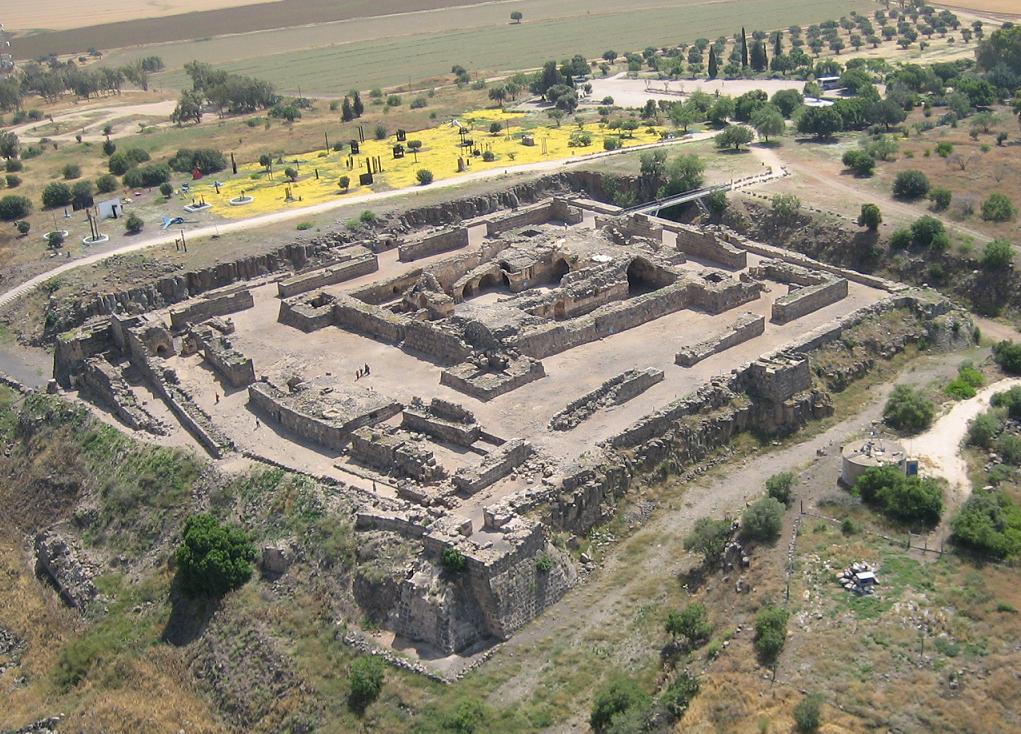
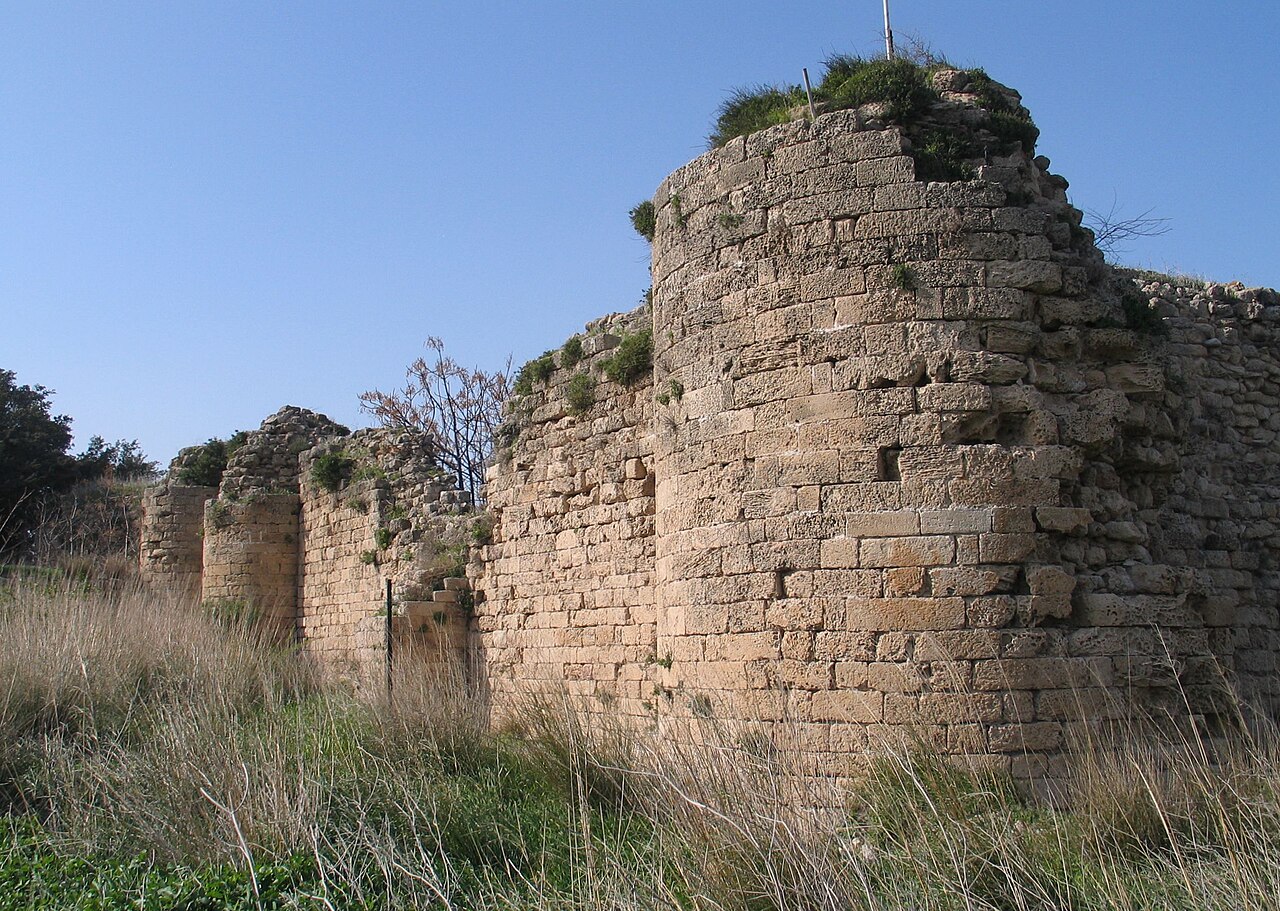
In the Crusader period, the site was transformed with the erection of a prominent square tower constructed from large stones. Remarkably, this tower incorporates Roman-era sarcophagi as building materials, a unique architectural feature illustrating the reuse of earlier artifacts. The tower and surrounding defensive walls formed a fortress linked to La Fève (Arabic: al-Fule), a small but strategically important Crusader stronghold in the Jezreel Valley.
This fortress occupied a key position on the route between Jerusalem and Tiberias, near the Sea of Galilee. It played a notable role during the late 12th century, including the 1183 battle nearby between the Crusader Kingdom of Jerusalem and Sultan Saladin's forces, which ended indecisively. The fortress hosted senior members of the Templar and Hospitaller orders in 1187, shortly before a skirmish in the vicinity turned disastrous for the Crusaders.
Following the decisive Crusader defeat at the Battle of Hattin in 1187, Saladin swiftly captured La Fève. The fortress had been defended by a garrison of approximately sixty knights before its fall, marking the end of Crusader control in this area. The site's military history underscores its strategic importance during the Crusader-Muslim conflicts in the region.
Mamluk period and later history
Tel Afula continued to be occupied during the Mamluk period, with the square tower and fortress walls bearing witness to ongoing use and maintenance. The fortress's rectangular layout, approximately 120 by 90 meters, was surrounded by a broad water-filled moat, a defensive feature designed to deter attackers and protect the garrison.
After the Mamluk era, the site gradually fell into neglect. However, modern archaeological efforts have focused on uncovering and preserving the complex stratigraphy of Tel Afula. These projects have included restoration of structural remains and the creation of visitor pathways to facilitate public access and education.
Architectural features and archaeological remains
The archaeological remains at Tel Afula present a complex palimpsest of construction phases and cultural influences. The most prominent surviving feature is the square tower from the Crusader or Mamluk period, notable for its incorporation of Roman sarcophagi into its walls. These sarcophagi, dating from the 2nd to 4th centuries CE, feature geometric decorative motifs and represent an unusual example of reuse of funerary monuments as building materials.
Surrounding and beneath the tower, excavations have revealed multiple occupation layers, including burial caves and a winepress (gath), indicating agricultural practices such as viticulture. Pottery shards, sickle blades, and arrowheads found on site further illustrate the long history of settlement and subsistence activities.
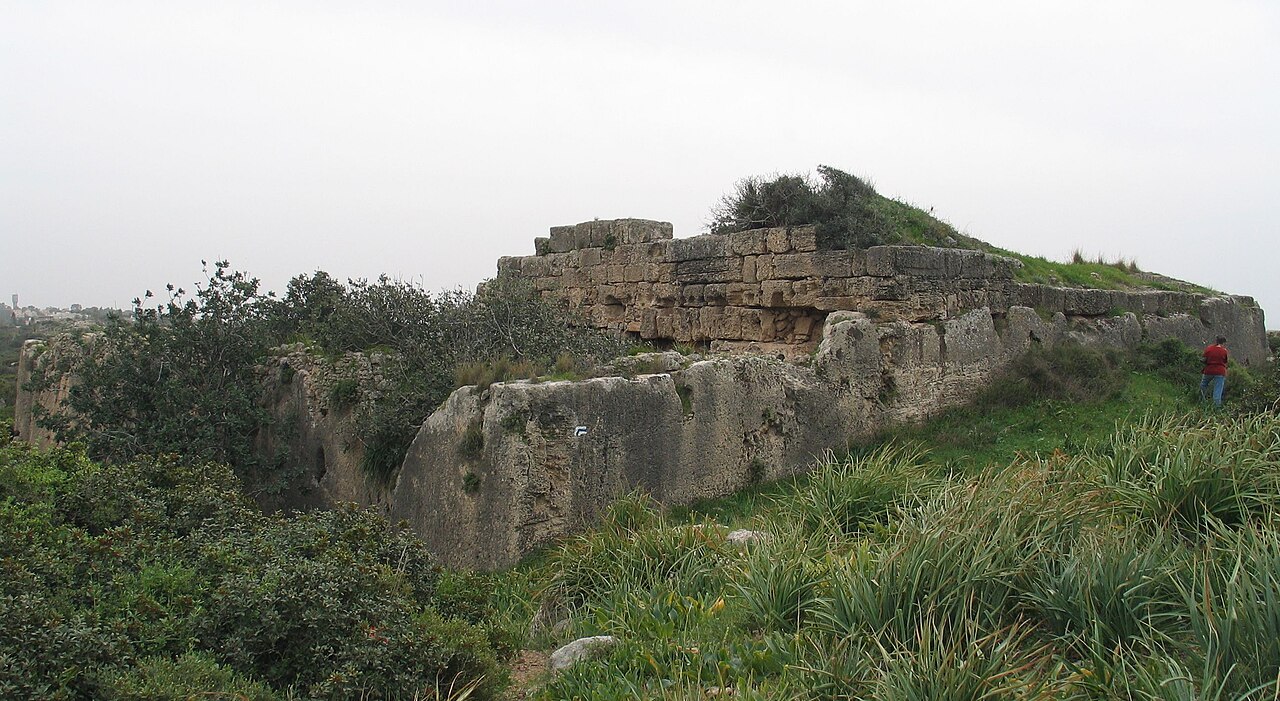
Roman-period structures include substantial stone walls and floors constructed from large limestone blocks laid on foundations of natural fieldstones. These durable building techniques reflect the architectural capabilities of the period and provide a contrast to the fortress's later medieval construction.
The fortress itself is characterized by a rectangular plan with defensive walls enclosing the site, complemented by the moat. This design reflects typical Crusader military architecture adapted to the local topography and strategic needs.
Modern archaeological efforts and preservation
Recent archaeological projects at Tel Afula have focused on excavation, conservation, and presentation of the site's historical layers. Ancient stones have been clearly marked for educational purposes, and an access path has been paved leading to a renovated plaza atop the tell. These interventions aim to balance preservation with public accessibility, allowing visitors to explore the site's rich history while safeguarding its remains.
Tel Afula's multi-period archaeological significance makes it an important cultural heritage site in Israel, providing valuable insights into the region's continuous human occupation and the evolution of settlement and fortification practices over more than three millennia.
Frequently asked questions (FAQ)
- What is the historical significance of Tel Afula?
- Tel Afula is an ancient archaeological site that has been inhabited since the Bronze Age. It serves as an important link to understanding the region's history, showcasing various cultural influences throughout the centuries.
- When was Tel Afula built?
- The structures at Tel Afula date back to several periods, with significant developments occurring during the Roman and Byzantine eras. The site reflects a rich tapestry of history that spans thousands of years.
- How do I get to Tel Afula?
- Tel Afula is easily accessible by car and public transportation, with options available from major cities like Haifa and Nazareth. Well-marked signs will guide you to the site, making it convenient for visitors.
- What are the opening hours for Tel Afula?
- Tel Afula is typically open to visitors from 8 AM to 5 PM, but hours may vary on holidays or special occasions. It is recommended to check the official website for the most current information before your visit.
- Can I take guided tours at Tel Afula?
- Yes, guided tours are available and can provide deeper insights into the history and architecture of the castle. These tours often include knowledgeable guides who can enhance your experience with fascinating stories and facts.
- Is it possible to visit Tel Afula year-round?
- Tel Afula can be visited year-round, but the best time to go is during the cooler months from October to April. This is when the weather is most pleasant for exploring the outdoor site.
- What are the ticket prices for visiting Tel Afula?
- Entry to Tel Afula is generally affordable, with reduced rates for children and students. Check the official site for current pricing details and any special promotions or group rates.
- Are there nearby attractions to visit when at Tel Afula?
- Yes, Afula is located near several attractions, including the scenic Jezreel Valley and historical sites such as the ancient city of Megiddo. This makes it a great base for exploring the rich culture and history of the region.
- Is Tel Afula wheelchair accessible?
- Yes, efforts have been made to ensure that Tel Afula is accessible to visitors with mobility challenges. There are designated pathways and facilities to accommodate guests who require assistance.
Photo gallery

Information
Loading map...
Visitor reviews
No reviews yet. Been here? Write the first review and help other travelers!
Write the first reviewVisited this castle? Share your experience
Your review helps other travelers and adds first-hand knowledge to our encyclopedia.