Belver Castle
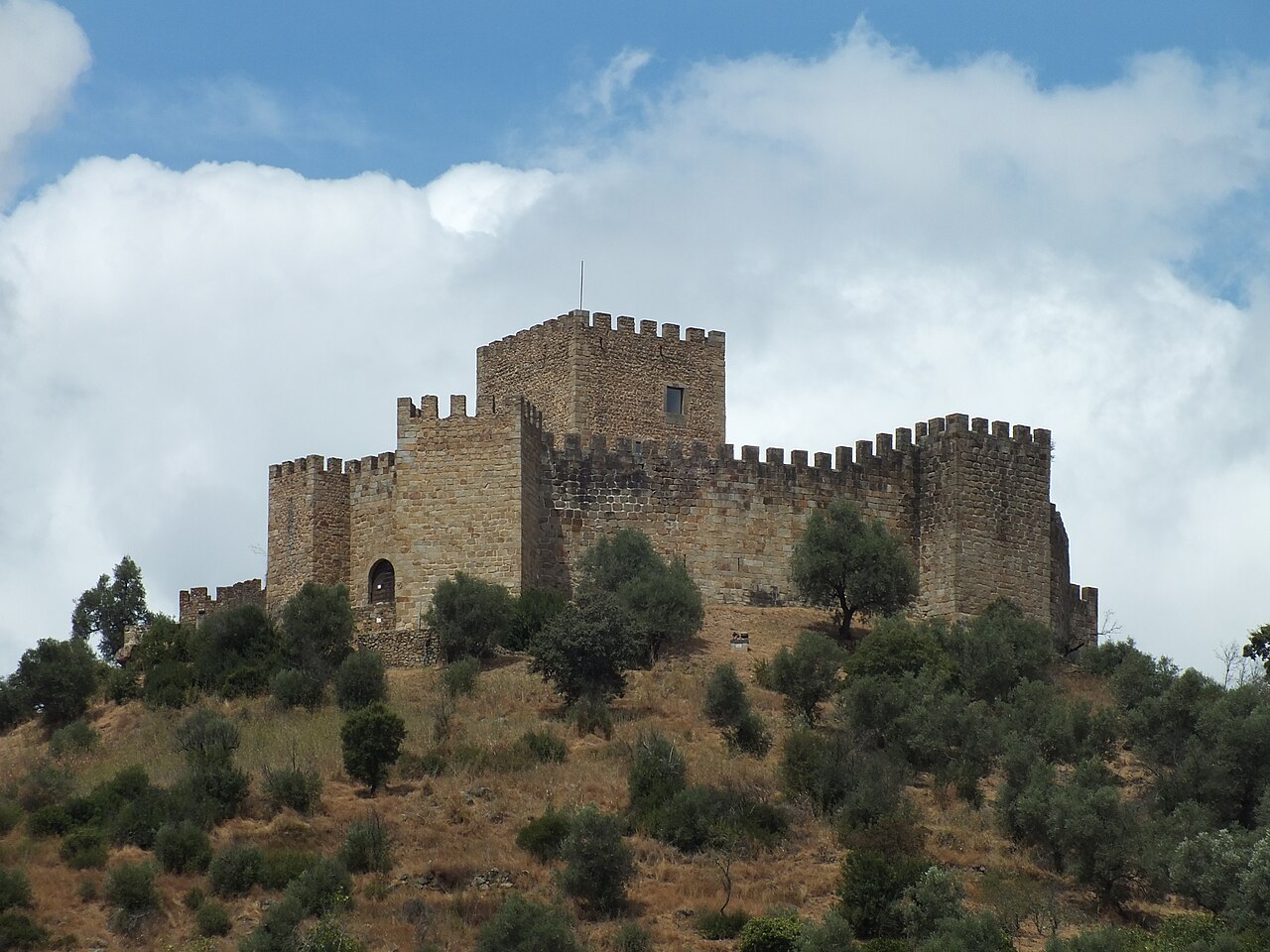
Belver Castle, known locally as Castelo de Belver, is a prominent medieval fortress situated in the tranquil town of Belver, within Portugal's Alto Alentejo region. This castle commands a strategic hilltop overlooking the north bank of the Tagus River near the confluence with the Zêzere River. Its location was carefully chosen to control river traffic and defend the region during the turbulent period of the Reconquista.
The castle's origins date back to the late 12th century, when Sancho I of Portugal granted this territory to the Knights Hospitaller in 1194, with the explicit condition that they build a fortress to secure the frontier. Construction began shortly thereafter and was completed by 1212, making Belver Castle a significant example of early 13th-century military architecture in Portugal.
Historical context and strategic importance
During the Reconquista, Christian forces sought to reclaim Iberian lands from the Almohad Caliphate, which had pushed deep into the peninsula. Belver Castle was part of a defensive network known as the Tagus Line, which included other key fortresses such as Abrantes, Almourol, Torres Novas, and Tomar. This line was crucial for controlling access along the Tagus River and protecting the kingdom's interior.
Under the reign of Sancho II of Portugal (1223-1248), Belver Castle served as the royal treasury, underscoring its security and importance. By the 1330s, it had become one of the most significant commanderies of the Knights Hospitaller.
Architectural features and fortifications
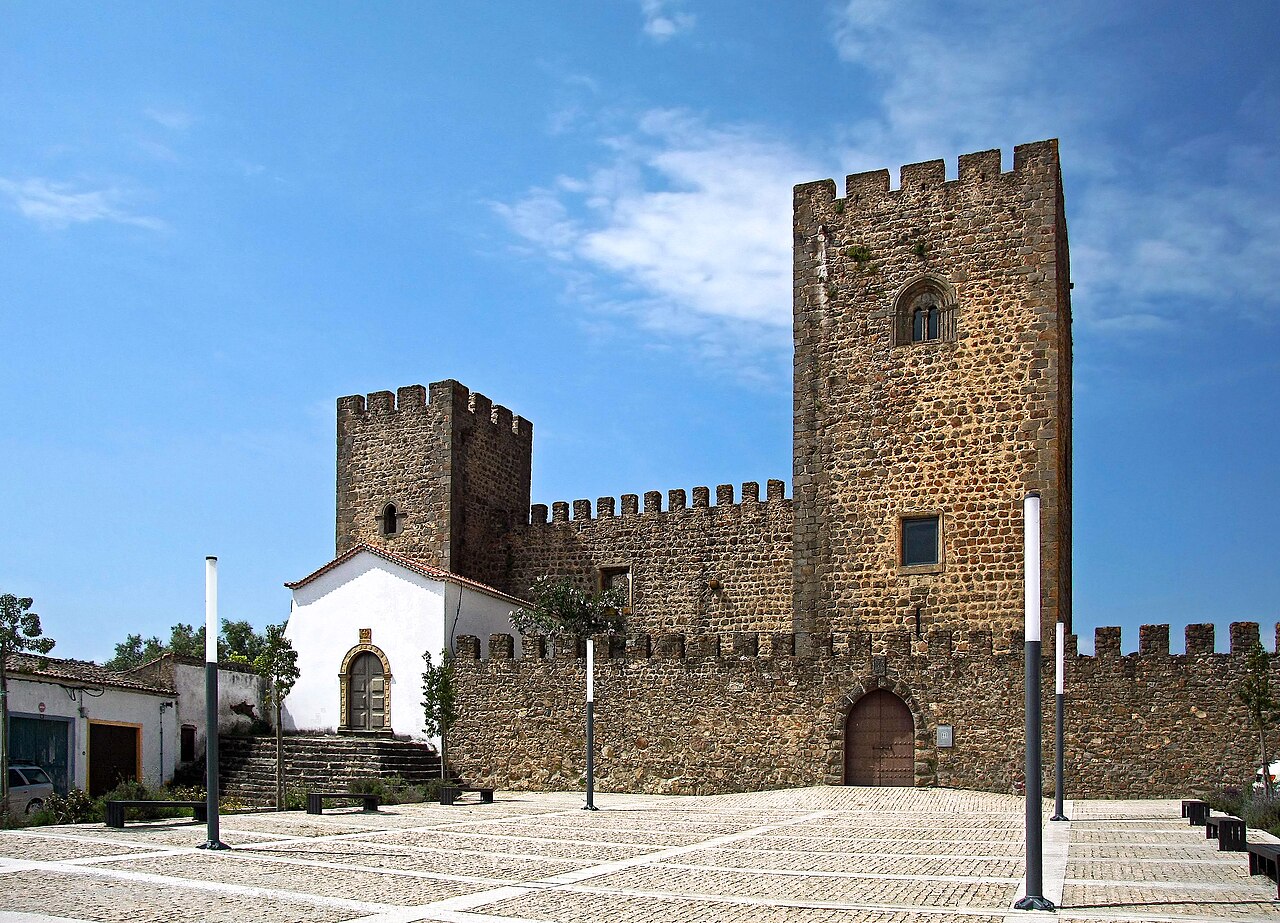
Belver Castle is a classic example of a hill castle, built on elevated terrain to maximize defensive advantage. The fortress features a rectangular plan with robust curtain walls and a prominent keep (donjon) at its core. The walls are punctuated by towers and battlements designed for archers and artillery defense.
The castle's entrance is fortified with a barbican and a drawbridge over a dry moat, enhancing its defensive capabilities. Inside, the courtyard houses various structures, including a chapel and living quarters for the garrison and commandery officials.
Significant reconstruction occurred after the 1383–1385 Portuguese interregnum, when the renowned general Nuno Álvares Pereira reinforced the defenses to resist Castilian forces. Later, during the Portuguese Restoration War in the 17th century, the castle saw further fortifications to adapt to evolving military technology.
Damage, abandonment, and restoration efforts
The 1755 Lisbon earthquake inflicted serious damage on Belver Castle, weakening its structure and hastening its decline in military relevance. By the 19th century, the castle was largely abandoned and repurposed as a village graveyard, which led to further deterioration.
Additional damage was caused by the 1909 Benavente earthquake. The castle's historical significance was recognized in 1910 when it was declared a National Monument, prompting restoration projects in the 20th century to preserve its remains and stabilize the structure.
Visiting belver castle today
Today, Belver Castle is well preserved and open to visitors for a fee. Tourists can explore the castle grounds, including the keep, which houses an exhibition detailing the castle's history and architectural evolution. Visitors can climb to the top of the keep for panoramic views of the surrounding landscape, including the Tagus and Zêzere rivers.
The castle's setting in a peaceful village offers a quiet, reflective experience distinct from more crowded tourist sites. Its combination of historical significance, architectural integrity, and scenic location makes it a notable destination for those interested in medieval military architecture and Portuguese history.
Architectural significance and legacy
Belver Castle stands as a testament to the military strategies of the Knights Hospitaller and the defensive needs of medieval Portugal. Its hilltop location and robust fortifications reflect the evolving nature of castle design from the late 12th to the 17th centuries. The castle's role in the Tagus defensive line illustrates the importance of river control in medieval warfare.
Its preservation allows scholars and visitors alike to study the transition from early medieval fortifications to adaptations made in response to gunpowder weaponry. The castle's layered history—from its foundation in the High Medieval period through its use in later conflicts—provides valuable insight into Portuguese military and political history.
Frequently asked questions (FAQ)
- How do I get to Belver Castle?
- Belver Castle is located in the town of Belver in Alto Alentejo, Portugal. It is accessible by car via regional roads, with parking available nearby. Public transport options are limited, so driving is recommended.
- What is the best time to visit Belver Castle?
- The castle is open daily from 10:00 to 17:00. Spring and autumn offer pleasant weather and fewer tourists, making these seasons ideal for visiting.
- Can I climb the keep at Belver Castle?
- Yes, visitors can climb to the top of the castle's keep, which provides panoramic views of the Tagus and Zêzere rivers and the surrounding countryside.
- Is Belver Castle wheelchair accessible?
- Due to its medieval hilltop design and historic structure, Belver Castle has limited accessibility for wheelchair users. Some areas may be difficult to navigate, so visitors with mobility issues should plan accordingly.
- Are there guided tours available at Belver Castle?
- Guided tours are occasionally offered, especially during peak tourist seasons. Visitors should check with the local tourist office or the castle's official website for current information.
Information
Opening hours
10:00-17:00, daily
Ticket prices
€3 adult, €1.5 child
Current owner
State museum
Address
R. Dom Sancho I, Portugal
Loading map...
Visitor reviews
No reviews yet. Been here? Write the first review and help other travelers!
Write the first reviewVisited this castle? Share your experience
Your review helps other travelers and adds first-hand knowledge to our encyclopedia.