Bayard’s Cove Fort is a historic coastal artillery fortification located at the entrance of the harbour in Dartmouth, Devon, in the United Kingdom. Constructed in the early 16th century, the fort was strategically positioned to defend the vital port on the River Dart estuary against maritime threats during a period of intense geopolitical tension with France and Spain. Its robust design and commanding location made it a key element of the region’s coastal defence network.
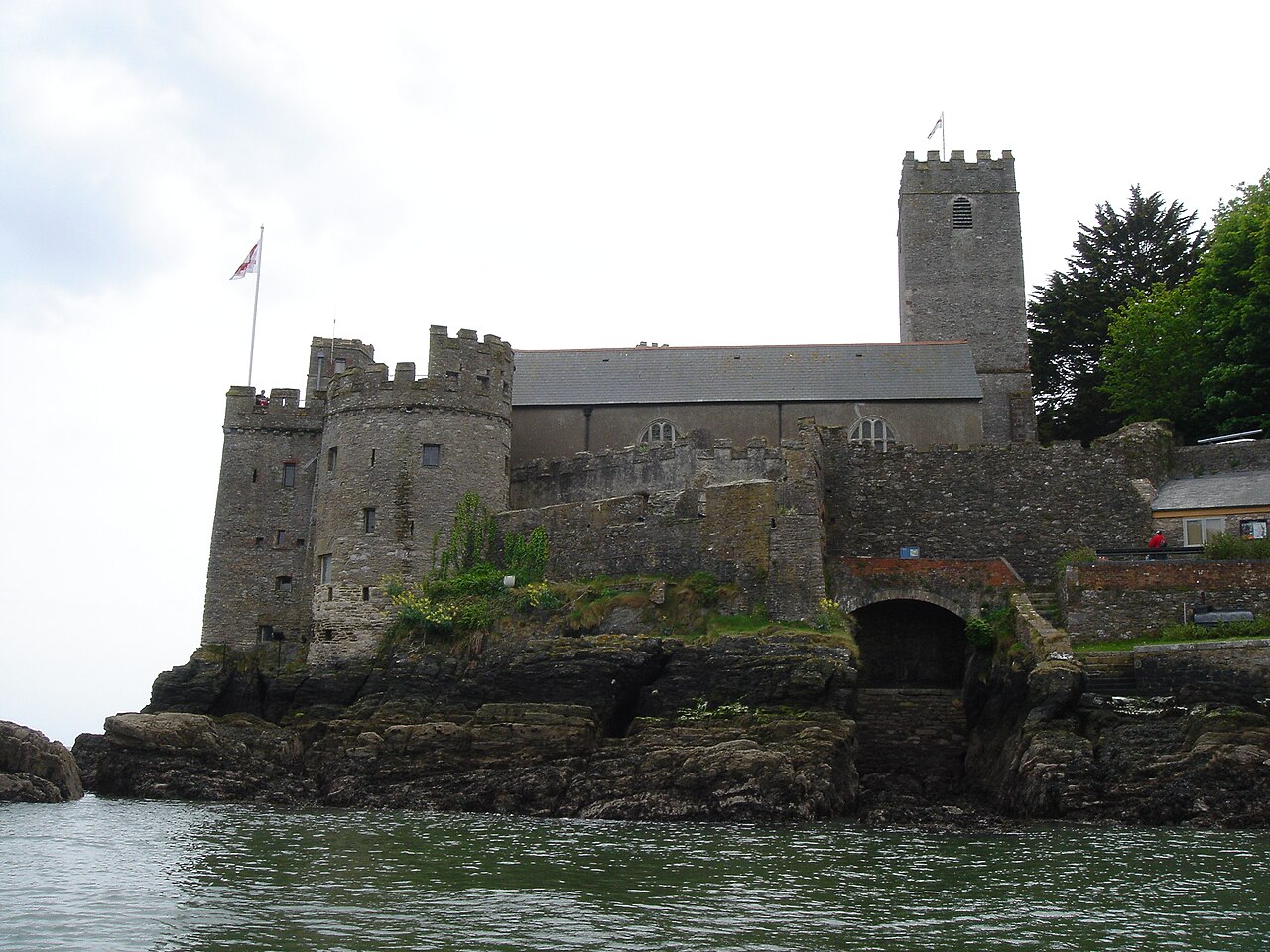
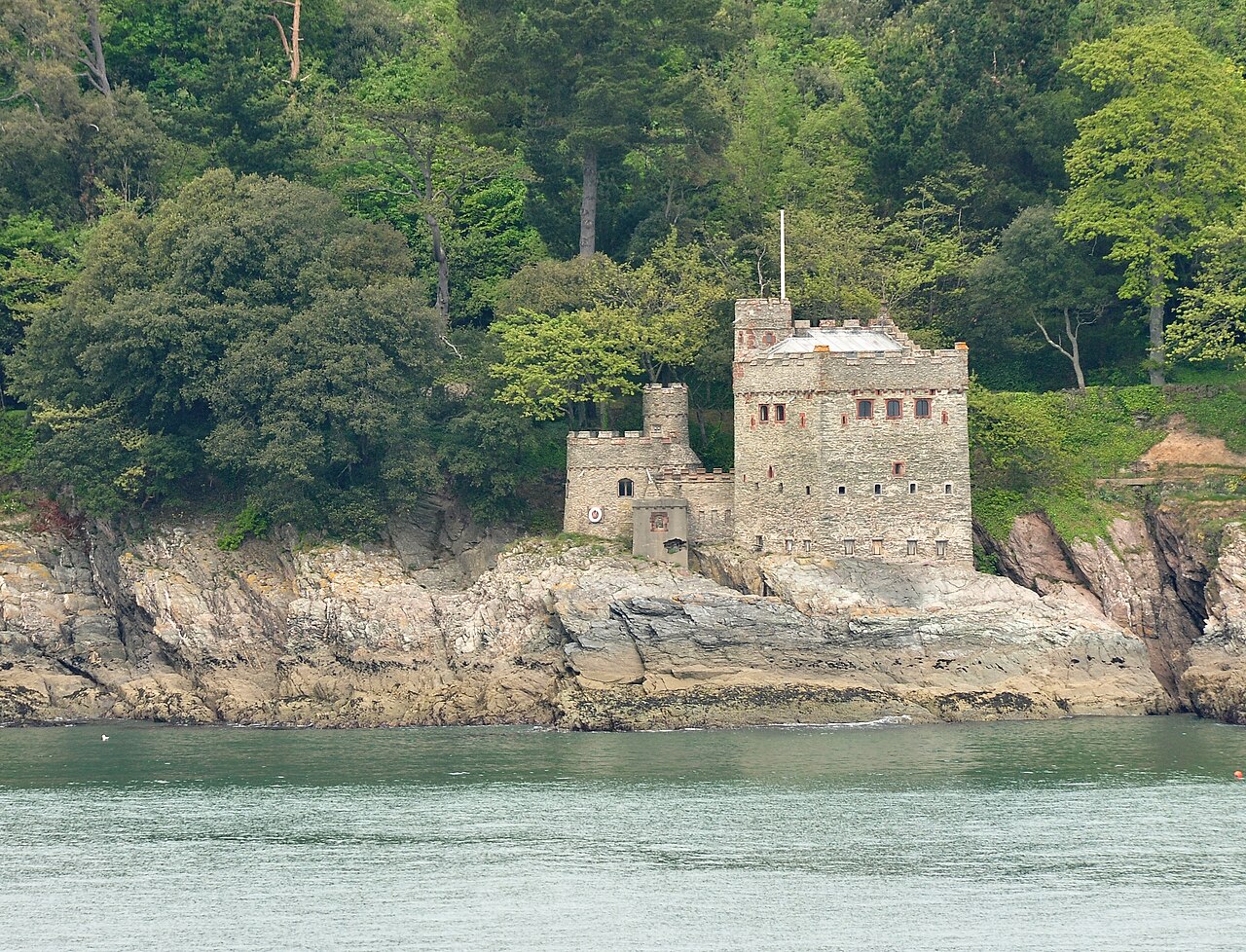
The origins of Bayard’s Cove Fort are generally dated to the reign of Henry VIII. Historical records suggest construction began either around 1509–1510 following royal directives to fortify important harbours, or possibly in 1529 when local authorities took initiative amid fears of foreign attack. By 1537, the fort was completed and integrated into a defensive system alongside Dartmouth Castle and Kingswear Castle. This network was designed to engage enemy vessels attempting to enter the estuary, providing a layered defence to protect the port’s commercial and military interests.
Historical significance and military role
Throughout its history, Bayard’s Cove Fort played a fluctuating role reflecting the changing military and political landscape. In 1575, the fort was leased to a shipwright, marking a brief departure from exclusive military use. However, during the Spanish invasion scare of 1598, control was returned to the town, underscoring the fort’s continued strategic importance.
During the English Civil War (1642–1646), the fort was held by Royalist forces and armed with five iron guns. It was captured by Parliamentary troops under Sir Thomas Fairfax in 1646. Following this, the fort underwent repairs and was maintained under Parliamentary rule during the Interregnum. A governor was appointed to oversee Dartmouth’s defences and to combat smuggling, highlighting the fort’s role not only in military defence but also in local law enforcement.
After the Restoration of the monarchy in 1660, control initially returned to the town, but by 1662 a royal garrison was established under Sir John Fowell, which remained until 1677. In the 18th century, the fort’s military significance declined, and it was gradually repurposed for storage. The structure saw restoration in the late 19th century as part of a renewed interest in local heritage preservation.
During World War II, Bayard’s Cove Fort briefly served as a machine-gun post, reflecting its enduring strategic position despite its age. Today, it is recognized as a Grade I listed building, protected for its historic and architectural value. In 2022, English Heritage identified the fort as vulnerable to coastal erosion and flooding due to climate change, prompting conservation efforts to safeguard this important heritage site.
Architectural features and defensive design
Bayard’s Cove Fort is a stone-built blockhouse originally designed as a circular artillery tower, though later modifications gave it an irregular shape. The fort’s external dimensions measure approximately 18 by 21 metres, enclosing an internal space of about 16 by 15.5 metres. It is situated on a rocky ledge carved into the cliff, overlooking the harbour entrance and providing a commanding view of the estuary and surrounding waters.
The fort’s eastern wall is notably robust, constructed from stone with a thickness of around 1.8 metres and rising to a height of 4.6 metres. This wall encloses both the main blockhouse and an adjoining limestone rubble wall. On the ground floor, there are eleven gunports, small openings positioned close to sea level designed to house heavy artillery pieces. These gunports share design similarities with those found at contemporary regional defences such as Dartmouth Castle, Little Dennis Fort, and St Catherine’s Castle, reflecting a consistent architectural approach to coastal defence in Devon during the Tudor period.
Originally, the fort featured a wall-walk and parapet along the top edges, providing cover for musketeers and other defenders stationed on the roof. Over time, adaptations were made: one gunport was converted into an entrance, while another was sealed off. The garrison’s living quarters were constructed as a lean-to structure on the western side of the fort; however, these accommodations and various internal modifications made during its later use as a storage facility have not survived.
Bayard’s Cove Fort is positioned at one end of a quay running along the harbour, strategically sited to guard the estuary alongside the neighboring castles. The remaining fabric of the fort is preserved in situ, with restoration efforts maintaining the survivable elements of its defensive architecture, allowing visitors to appreciate its historical and military significance.
The fort in the context of Tudor coastal defences
Bayard’s Cove Fort is part of a broader system of Tudor coastal defences commissioned during the reign of Henry VIII, a period marked by heightened fears of invasion from European powers. These fortifications were innovative for their time, incorporating artillery emplacements designed to engage enemy ships before they could threaten key ports and naval bases.
The fort’s design reflects the transition from medieval castle architecture to early modern artillery fortifications. Its compact, rounded form minimized vulnerable angles and maximized fields of fire for its cannon. The thick stone walls and low profile were intended to withstand bombardment and reduce the target profile presented to enemy ships.
Bayard’s Cove Fort’s integration with nearby Dartmouth Castle and Kingswear Castle created overlapping fields of fire, a tactical arrangement that enhanced the defence of the River Dart estuary. This network exemplifies the strategic military thinking of the Tudor period, balancing the need for robust defence with the practicalities of local geography and available resources.
Conservation and public engagement
Today, Bayard’s Cove Fort is managed as a heritage site, recognized for its architectural and historical importance. Its Grade I listing underscores its national significance as an example of Tudor military architecture. Conservation efforts focus on protecting the fort from natural threats such as coastal erosion and flooding, challenges that have become more acute with climate change.
The fort is accessible to the public, offering visitors a tangible connection to England’s maritime and military history. Interpretive signage and guided tours help contextualize the site within the broader story of Tudor coastal defences and Dartmouth’s role as a strategic port. The preservation of Bayard’s Cove Fort ensures that this remarkable example of early modern fortification continues to educate and inspire future generations.
Frequently asked questions (FAQ)
- How do I get to Bayard’s Cove Fort?
- Bayard’s Cove Fort is located in Dartmouth, Devon, and can be easily accessed by car, bus, or train. The nearest train station is Dartmouth, and there are local buses that connect to surrounding areas. There is also limited parking available nearby for visitors traveling by car.
- What is the historical significance of Bayard’s Cove Fort?
- Bayard’s Cove Fort was built in the late 16th century to protect the port of Dartmouth from potential attacks by foreign naval forces. It played a crucial role during the English Civil War and has witnessed significant historical events over the centuries. Today, it stands as a testament to military architecture and the strategic importance of the area.
- When was Bayard’s Cove Fort constructed?
- The construction of Bayard’s Cove Fort began in 1550 and was completed in 1560. It was commissioned during the reign of Queen Elizabeth I, aimed at strengthening the defenses of the port. The fort has been well-preserved and continues to attract visitors interested in its rich history.
- Can I enter Bayard’s Cove Fort?
- Yes, visitors are welcome to enter Bayard’s Cove Fort and explore its historic structures. There may be guided tours available, allowing you to learn more about its history and architecture. Be sure to check the opening hours and any potential visitor restrictions before planning your visit.
- Why is Bayard’s Cove Fort popular among tourists?
- Bayard’s Cove Fort is popular due to its rich history and stunning coastal views. The fort not only offers a glimpse into the past but also provides picturesque scenery that attracts photographers and history enthusiasts alike. Its location in Dartmouth, a charming town with other attractions, adds to its appeal.
- Is it possible to visit Bayard’s Cove Fort year-round?
- Yes, Bayard’s Cove Fort is open to visitors year-round, although opening hours may vary seasonally. It’s best to check the official website for the most current information regarding hours and any special events. Visiting in the off-peak season can provide a quieter experience.
- What are the ticket prices for Bayard’s Cove Fort?
- Entry to Bayard’s Cove Fort typically requires a small fee, which helps with the maintenance of the site. Prices may vary based on age, with discounts often available for children and seniors. It’s advisable to check the official site for the latest ticket pricing and any special offers.
- What is the best time to visit Bayard’s Cove Fort?
- The best time to visit Bayard’s Cove Fort is during the spring and early autumn months when the weather is mild and pleasant. Summers can also be enjoyable but may be busier due to tourist traffic. Consider visiting during weekdays to avoid crowds and fully appreciate the fort’s history and views.
- What nearby attractions should I explore while visiting Bayard’s Cove Fort?
- While visiting Bayard’s Cove Fort, you can explore other attractions in Dartmouth, such as the Dartmouth Castle and the historic town center. The South West Coast Path also offers beautiful coastal walks nearby. Additionally, the River Dart provides opportunities for boat trips and scenic views.
Information
Website
Visit websiteSources & official resources
Verify the information above using these authoritative references.
Loading map...
Visitor reviews
No reviews yet. Been here? Write the first review and help other travelers!
Write the first reviewVisited this castle? Share your experience
Your review helps other travelers and adds first-hand knowledge to our encyclopedia.