Bastion III Kleparz
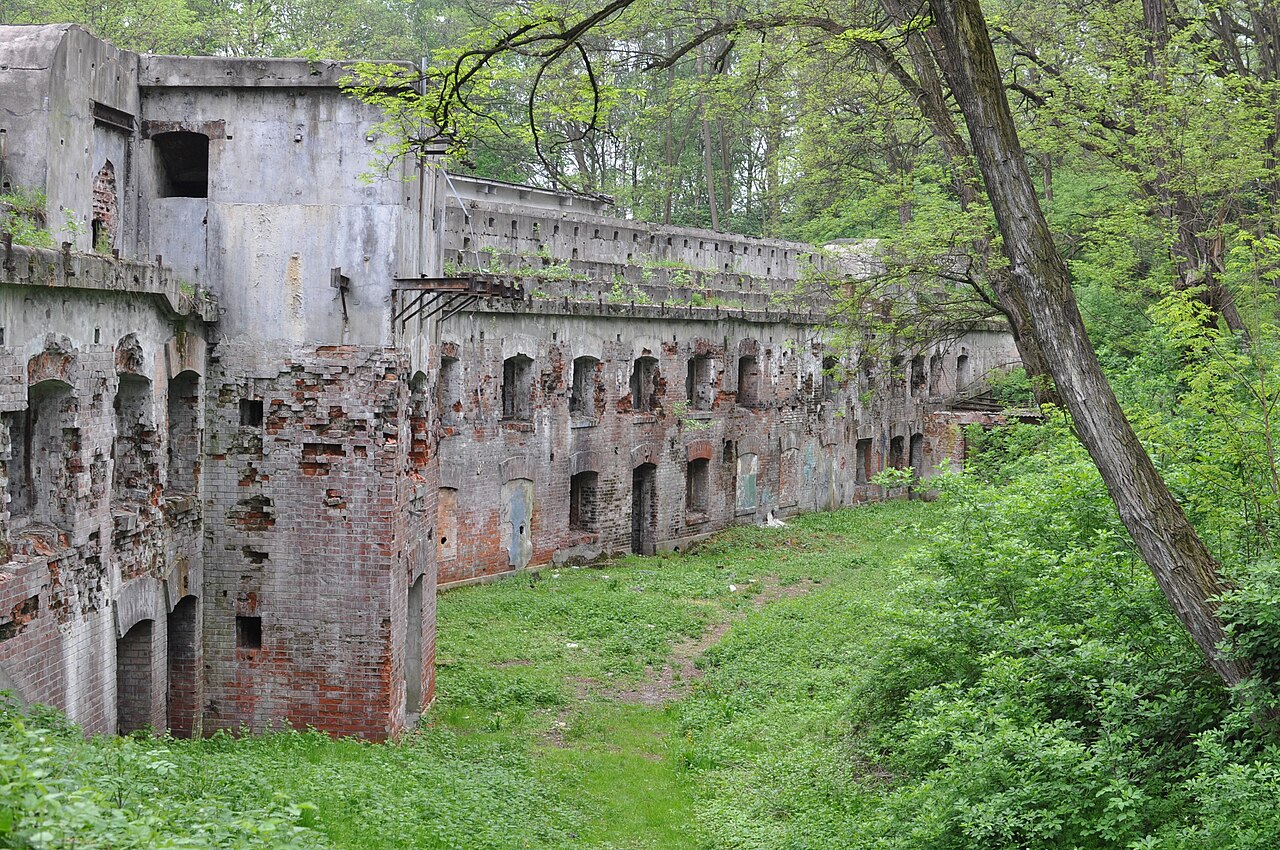
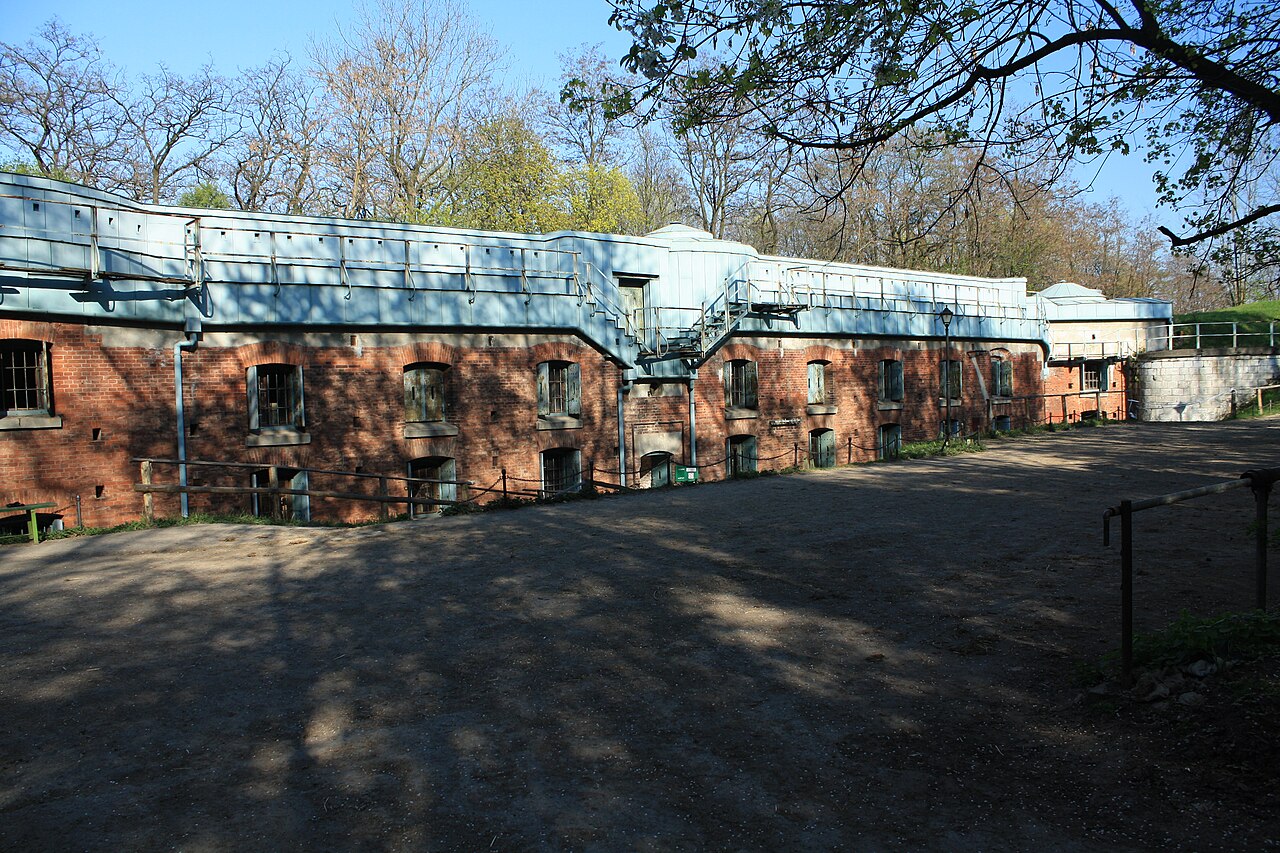
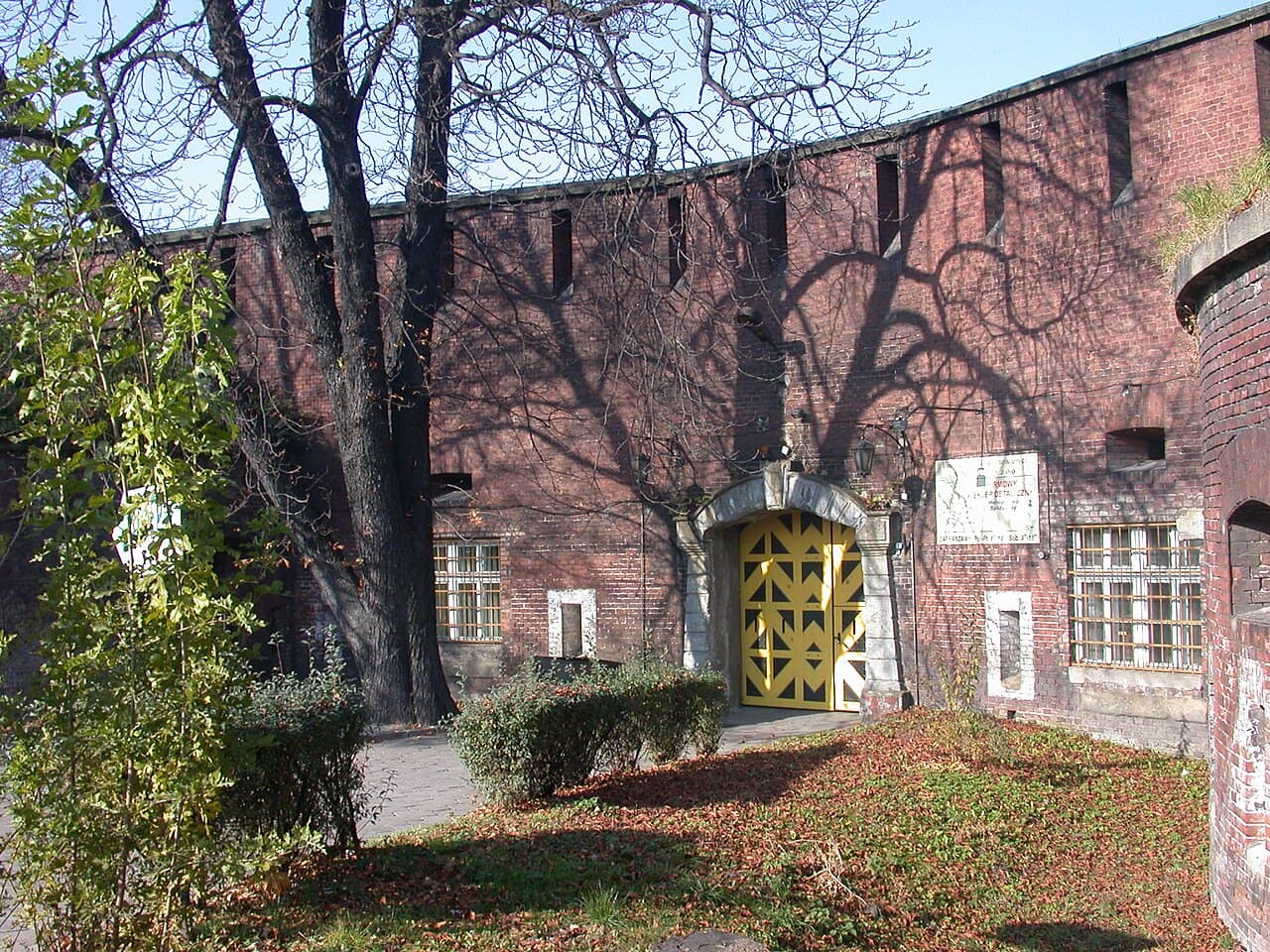
Bastion III Kleparz is a key component of the 19th-century fortification system that once surrounded the city of Kraków, Poland. This bastioned fortress was constructed as part of a broader defensive strategy to protect the city against modern artillery and military threats that emerged in the 19th century. The fortress exemplifies the bastioned fortress architectural type, characterized by angular bastions designed to eliminate blind spots and provide overlapping fields of fire, a significant evolution from medieval castle fortifications.
Historical context and military significance
The construction of Bastion III Kleparz took place during a period when Kraków was fortified with a ring of modern defenses, primarily in the mid to late 19th century. These fortifications were built under the influence of military engineering advancements following the Napoleonic Wars and the rise of rifled artillery, which rendered traditional medieval walls obsolete. The bastions, including Bastion III Kleparz, were part of the so-called Kraków Fortress system, designed to defend the city against siege and bombardment.
The fortress was strategically positioned in the area known as Kleparz, a historic district north of Kraków's Old Town. This location was chosen to cover approaches to the city from the north and northwest, controlling important access routes and serving as a strongpoint in the defensive ring.
Architectural features and design
The design of Bastion III Kleparz follows the principles of bastioned fortification, a style that emerged in the Renaissance but was adapted and modernized in the 19th century to meet contemporary military needs. The bastion itself is an angular projection from the main defensive walls, allowing defenders to fire along the faces of adjacent walls and eliminate dead zones where attackers could approach unseen.
The fortress likely includes thick earthworks and masonry walls, designed to absorb and deflect artillery fire. The bastion would have been equipped with gun emplacements and firing positions for infantry, integrating both stone and earth in its construction to maximize resilience. Defensive ditches or moats may have been part of the design, further hindering enemy advances.
While specific architectural details of Bastion III Kleparz are less documented compared to larger castles, its classification as a bastioned fortress places it firmly within the military architectural tradition that prioritizes functionality and defense over residential or ornamental features.
Preservation and current status
Today, Bastion III Kleparz remains a significant historical structure within Kraków's urban landscape. Although not a castle in the traditional sense, it is an important example of 19th-century military architecture in Poland. Its condition varies, with some parts preserved or partially restored, while others may be in a state of decline due to urban development and changing land use.
The bastion is part of Kraków's cultural heritage and is occasionally accessible to visitors interested in military history and fortifications. Efforts to maintain and protect these fortifications contribute to the understanding of the city's defensive past and the evolution of military engineering.
The role of bastioned fortresses in european military architecture
Bastioned fortresses like Bastion III Kleparz represent a critical phase in the evolution of military architecture in Europe. Originating in the Renaissance, bastioned designs were adapted throughout the centuries to counter advances in siege technology and artillery. The angular bastions allowed defenders to cover all approaches with overlapping fields of fire, a significant improvement over earlier medieval designs.
The 19th-century adaptations, including those seen in Kraków's fortress system, incorporated modern materials and construction techniques. These fortresses were part of a broader European trend responding to the changing nature of warfare, emphasizing strong, layered defenses capable of withstanding prolonged sieges and bombardments.
Comparison with other bastioned fortresses
Bastion III Kleparz shares characteristics with other bastioned fortresses found across Europe, such as the fortifications around Antwerp, Luxembourg, and various Italian cities. While many of these fortresses have been repurposed or fallen into ruin, they collectively illustrate the strategic importance of bastioned designs in the pre-modern era of warfare.
Visiting bastion iii kleparz
Visitors interested in exploring Bastion III Kleparz should check local resources for access information, as parts of the fortress may be on private land or under conservation. Kraków offers a rich historical context, with the bastion complementing other nearby heritage sites including the Old Town and Wawel Castle.
Walking tours and military history excursions often include the bastion as part of the broader Kraków Fortress narrative, providing insights into 19th-century defensive strategies and urban development.
Frequently asked questions (FAQ)
- What is bastion iii kleparz?
- Bastion III Kleparz is a 19th-century bastioned fortress that was part of Kraków's defensive ring fortifications in Poland.
- When was bastion iii kleparz built?
- It was constructed during the 19th century as part of the modernization of Kraków's military defenses against artillery threats.
- Can I visit bastion iii kleparz?
- Access to Bastion III Kleparz may be limited due to preservation efforts or private ownership. Visitors should check local information before planning a visit.
- What architectural style is bastion iii kleparz?
- Bastion III Kleparz is classified as a bastioned fortress, a military architectural style that emphasizes angular bastions and layered defenses.
- Why were bastioned fortresses like bastion iii kleparz built?
- They were built to defend cities against advances in artillery and siege warfare, providing overlapping fields of fire and stronger fortifications than medieval walls.
Photo gallery

Information
Loading map...
Visitor reviews
No reviews yet. Been here? Write the first review and help other travelers!
Write the first reviewVisited this castle? Share your experience
Your review helps other travelers and adds first-hand knowledge to our encyclopedia.