Bardowie Castle
Bardowie Castle stands as a significant example of Renaissance architecture in Scotland, located in Milngavie. The castle's origins trace back to the early 13th century when the estate was owned by the Clan Galbraith from 1214. This long-standing connection to Scottish clans establishes Bardowie as a site of historic importance in the region.
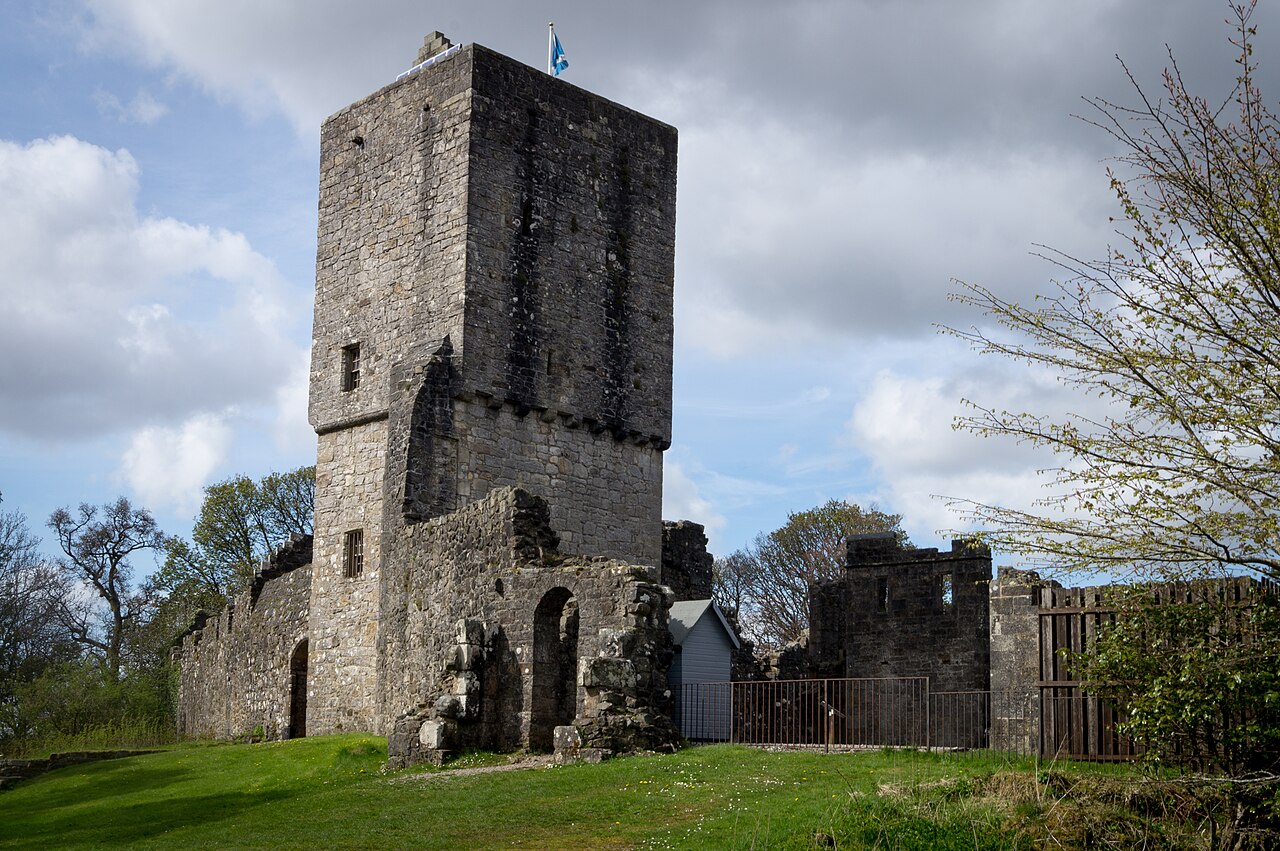
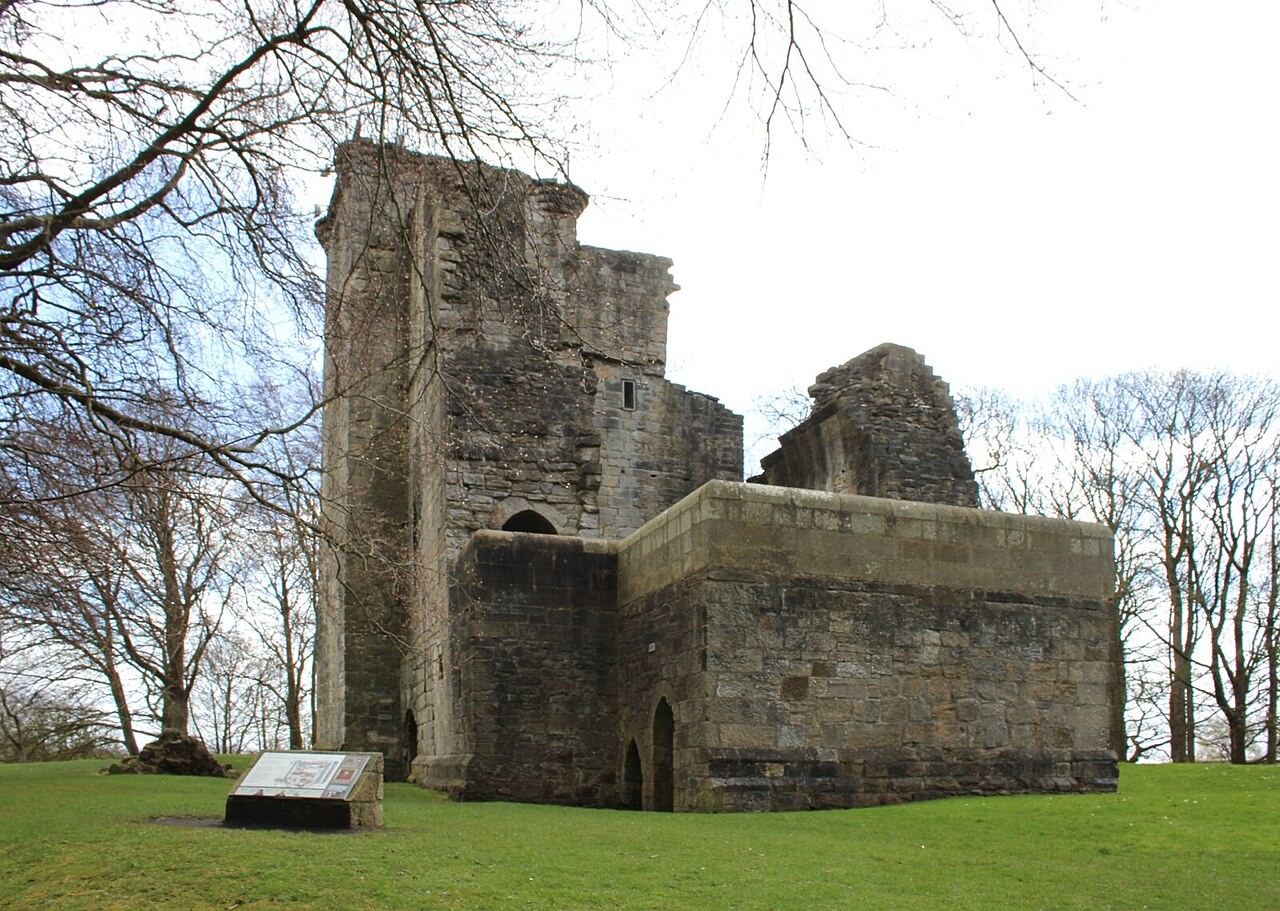
The present tower of Bardowie Castle was constructed in 1566, during the Renaissance period, reflecting the architectural transition from purely defensive medieval structures to more comfortable and stylistically refined residences. The tower itself exemplifies typical features of the era, including thick stone walls and narrow windows designed for defense, combined with more elaborate elements that suggest a shift towards domestic comfort.
Architectural evolution and additions
Following the initial construction of the tower, Bardowie Castle underwent significant expansions in the late 17th or early 18th century. These additions, dated around 1713, introduced new wings and living spaces, adapting the castle to the evolving needs and tastes of its owners. This phase of construction likely incorporated elements of the Scottish baronial style, which often merged Renaissance and later influences, though the core Renaissance character of the castle remains prominent.
Structural features
The castle's layout centers on the original tower, which served as the main defensive and residential structure. Surrounding it are the later extensions that provided additional accommodation and service areas. The castle's stone construction and preserved elements such as battlements and narrow slit windows highlight its defensive origins, while later modifications indicate a shift toward a more stately home ambiance.
Historical ownership and significance
The estate passed from the Clan Galbraith to John Hamilton of Cadzow in the late 14th century through marriage, illustrating the common medieval practice of transferring land and titles via dynastic unions. In the mid-18th century, Bardowie came into the possession of Thomas Buchanan of Spittal-Leny, again through marriage, linking the castle to the prominent Buchanan family. His son, Dr. Francis Buchanan-Hamilton, was notable for claiming the chiefship of Clan Buchanan, further emphasizing the castle's importance in Scottish clan history.
Throughout the 20th century, Bardowie Castle changed hands several times, reflecting broader social and economic shifts impacting many Scottish estates. Notably, in 2002, the castle was owned by Jack Black, a motivational speaker and founder of MindStore, who modernized the interior extensively. Despite its historic fabric, the castle has adapted to contemporary uses, though planning restrictions have influenced its commercial potential.
Preservation and current status
Bardowie Castle remains a well-preserved example of a Renaissance tower house with later additions. Its condition is generally good, with modernizations inside that have updated the living spaces while maintaining the castle's historic character. The castle's location in Milngavie places it within easy reach of Glasgow, making it a notable heritage site in the region.
Architectural style and significance
The castle embodies the Renaissance architectural style that became prominent in Scotland in the 16th century, characterized by a blend of fortified elements and increasing attention to comfort and style. Bardowie's construction date of 1566 situates it among the period's notable Scottish tower houses, which served both defensive and residential functions.
Legacy of the clans
The castle's association with Clan Galbraith and later the Buchanan family reflects the complex social history of Scottish clans and their estates. These connections contribute to Bardowie's cultural heritage and its role in the narrative of Scottish noble families.
Visiting Bardowie Castle
While Bardowie Castle is privately owned and not generally open to the public, its historical and architectural significance make it a point of interest for scholars and enthusiasts of Scottish heritage. The castle's exterior can be appreciated from nearby public areas, and its story is integral to understanding the development of Renaissance castles in Scotland.
Information
Loading map...
Visitor reviews
No reviews yet. Been here? Write the first review and help other travelers!
Write the first reviewVisited this castle? Share your experience
Your review helps other travelers and adds first-hand knowledge to our encyclopedia.