Barbençon Castle
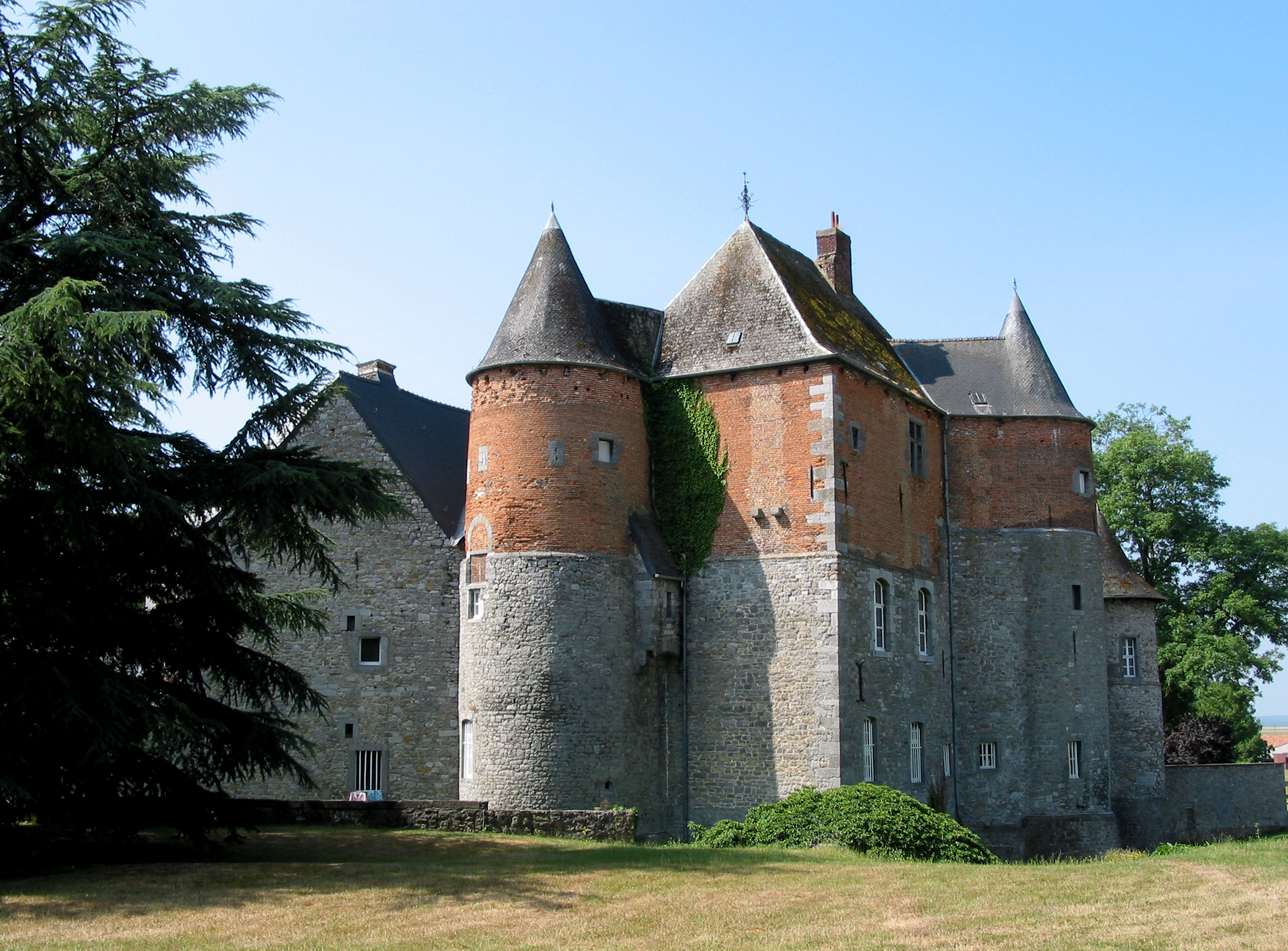
Barbençon Castle, also known as Château de Barbençon, is situated in the village of Barbençon in the province of Hainaut, within the Wallonia region of Belgium. This site holds significant historical value as the ancestral seat of the Lords of Barbençon, a powerful noble family influential in the medieval politics of the County of Hainaut.
The castle's origins trace back to the late 12th or early 13th century, placing it firmly in the high medieval period. Initially constructed on a rocky outcrop adjacent to Barbençon Lake, the fortress was designed with a quadrilateral enclosure fortified by multiple towers, a common defensive layout of medieval castles intended to provide strong protection and surveillance.
Medieval architecture and strategic location
The original medieval castle featured robust stone ramparts and a series of towers that enhanced its defensive capabilities. Its position on elevated terrain next to a water body not only provided natural defense but also control over the surrounding landscape. This strategic placement was typical of high medieval fortifications designed to assert lordly power and secure territorial claims.
Fortification elements
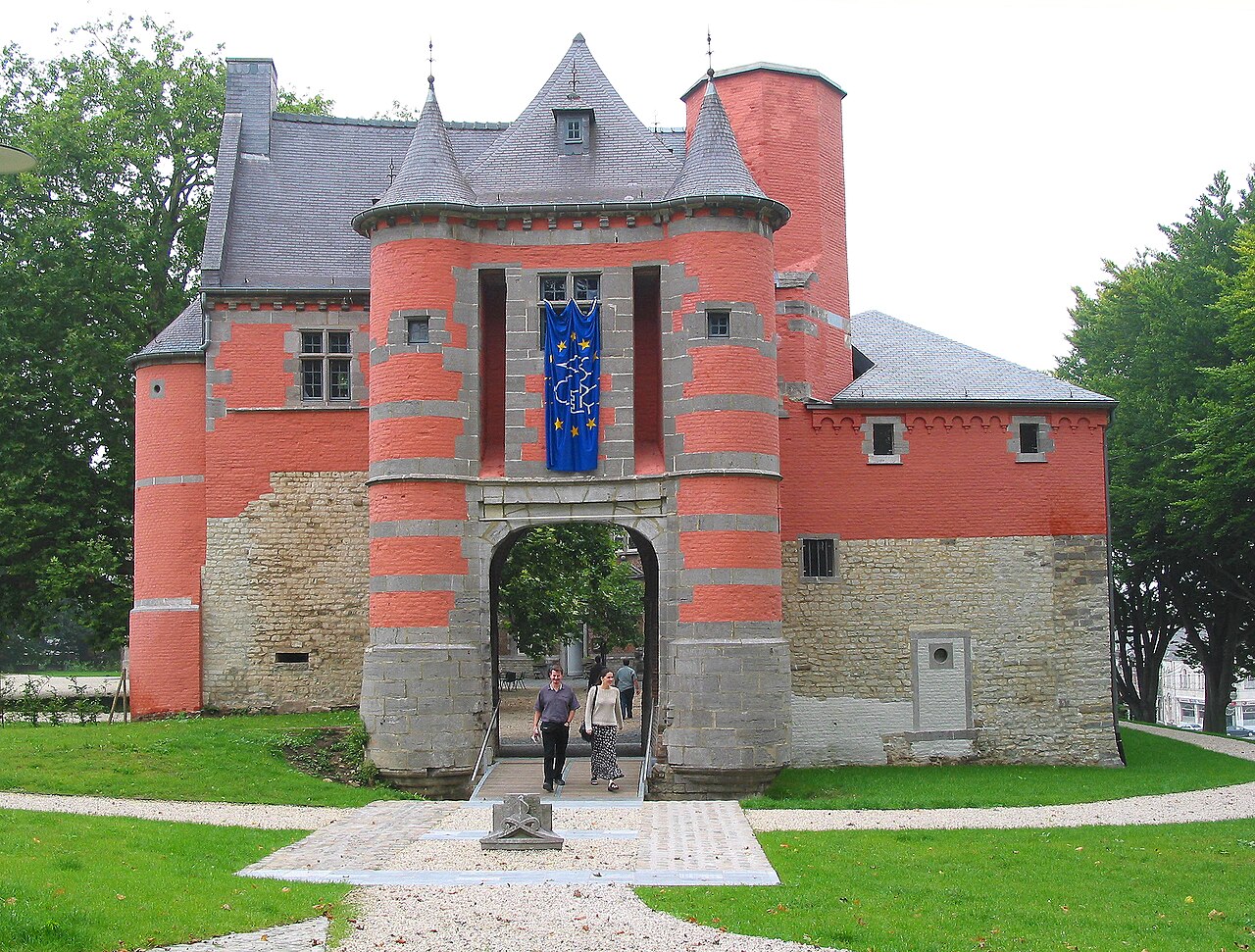
The castle's quadrilateral plan incorporated a curtain wall enclosing a courtyard, with towers likely positioned at corners or along the walls to facilitate defense. The surviving gatehouse is a key architectural remnant, representing the main controlled entry point to the castle, originally equipped to withstand sieges and regulate access.
Historical significance and noble lineage
The Lords of Barbençon were prominent feudal lords who held significant influence in the region. Their role extended beyond this castle, as they also constructed other fortifications such as the castles of Jeumont and Solre-sur-Sambre in the late 13th century, indicating their wealth and strategic importance.
Later transformations and decline
By the 17th or 18th century, the original medieval fortress was dismantled. The reasons for this removal remain unclear, but such changes were common as military technology evolved and the need for fortified castles diminished. The medieval structure was replaced by a manor house, reflecting a shift from military defense to residential comfort.
Only the medieval ramparts, which now form a terrace, and the gatehouse remain from the original castle. These remnants provide a tangible link to the site's medieval past despite the extensive alterations.
19th and 20th-century developments
In the 19th century, the manor house was reconstructed in a style typical of the Napoleonic era, characterized by a two-story structure. However, a fire at the end of the century caused significant damage, resulting in the loss of one floor.
During the 20th century, the castle's gardens were subdivided into residential lots, reflecting changing land use and ownership patterns. The manor house remains a private residence, while the medieval gatehouse has been converted into holiday apartments. Unfortunately, the gatehouse's interior no longer retains medieval features, indicating extensive modern renovations.
Current condition and cultural context
Today, Barbençon Castle is a somewhat overlooked heritage site. The medieval gatehouse stands as a visible reminder of the castle's long history, though modern residential developments nearby have altered the historic setting. The surviving medieval ramparts contribute to the site's character, but much of the original fortress has been lost.
Despite these changes, Barbençon Castle remains an important example of a high medieval fortress that transitioned through multiple phases, reflecting broader historical shifts from feudal defense to residential use. Its location in the Wallonia region adds to Belgium's rich tapestry of medieval castles and noble estates.
Frequently asked questions (FAQ)
- When was Barbençon Castle originally built?
- Barbençon Castle was originally constructed in the late 12th or early 13th century, placing it in the high medieval period.
- What remains of the medieval castle today?
- Today, only the medieval ramparts forming a terrace and the gatehouse remain from the original fortress, while the rest has been replaced or altered.
- Can visitors access the castle's interior?
- The manor house is a private residence, and the medieval gatehouse has been converted into private holiday apartments, so public access to interiors is limited.
- What architectural style characterizes the current manor house?
- The current manor house dates from the 19th century and reflects a Napoleonic-era style, rebuilt after the original medieval castle was removed.
- Why was the medieval castle removed?
- The exact reasons for the removal of the medieval castle in the 17th or 18th century are unclear, but such changes often reflected evolving military needs and residential preferences.
Information
Current owner
Private owner
Address
All. du Château, Barbençon, Belgium
Loading map...
Visitor reviews
No reviews yet. Been here? Write the first review and help other travelers!
Write the first reviewVisited this castle? Share your experience
Your review helps other travelers and adds first-hand knowledge to our encyclopedia.