Bampton Castle
Bampton Castle stands as a significant medieval fortification located in the village of Bampton in England. Its origins date back to the Saxon period, prior to the Norman Conquest of 1066, when the site was initially used as a defensive earthwork. This early use highlights the strategic importance of the location, which overlooks the River Batherm and occupies a prominent spur, providing natural defensive advantages.
Following the Norman invasion, the land was granted to Walter Douai by 1086. Either Walter or his son Robert initiated the construction of the first major fortification on the site, adopting the motte and bailey design typical of Norman military architecture. The motte at Bampton Castle is particularly notable for its large size, approximately sixty meters across, and its unusual square shape. This artificial earth mound was topped with a wooden palisade, serving as a defensive wall around the summit platform.
The evolution of Bampton Castle's fortifications
During the turbulent period known as The Anarchy in the mid-12th century, Bampton Castle was a site of military conflict. In 1136, King Stephen besieged the castle, resulting in the destruction of its wooden defenses by fire. This event marked a turning point in the castle's development, as the owners chose not to rebuild the timber fortifications. Instead, they constructed a stone mansion atop the motte, signaling a shift towards more permanent and durable structures.
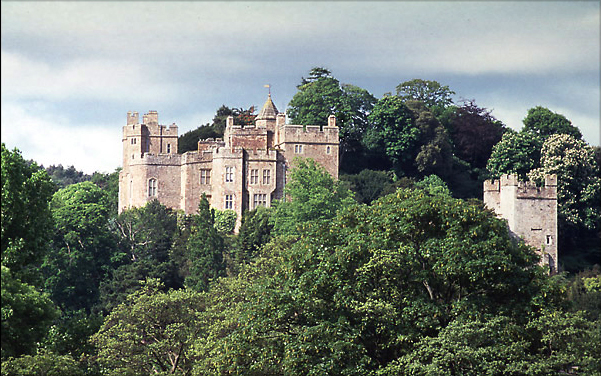
By 1336, under the lordship of Richard Cogan, the castle underwent further significant enhancements. Cogan obtained royal permission to crenellate the building, allowing the addition of battlements and the enclosure of the site within stone and mortar walls. This transformation elevated Bampton Castle from a simple fortified manor into a more robustly defended residence, reflecting the architectural and military trends of the Late Medieval period.
Architectural features and layout
The castle's defensive layout combined natural and man-made elements. The motte itself was surrounded by a broad ditch forming a circular trench, designed to impede attackers. Although partially infilled over time, the ditch's outline remains visible, delineating the castle's defensive perimeter.
To the east of the motte lies a roughly rectangular enclosure measuring approximately seventy-five by sixty meters. This area contained the fortified stone mansion and the surrounding curtain walls erected in the 14th century. The walls featured battlements and were constructed using durable stone and mortar, typical of fortified manor houses of the period.
Historical significance and later history
Bampton Castle served as the administrative center of the feudal barony of Bampton, overseeing the surrounding lands and exercising local authority. Its strategic location and fortifications made it a key stronghold in the region during periods of conflict and political instability.
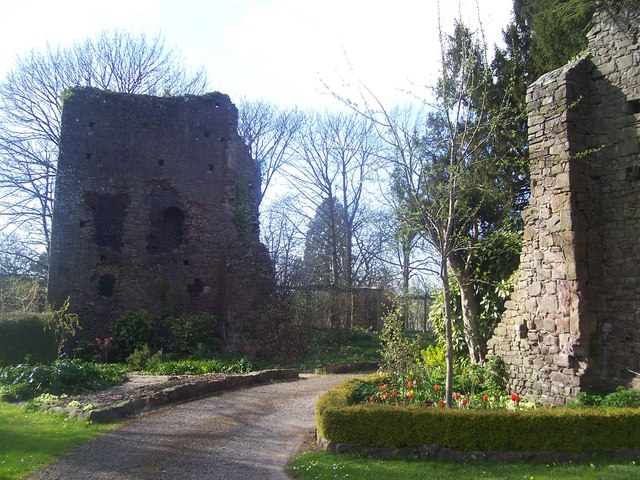
In 1607, a rare and significant earthquake struck the area, causing a portion of the castle's stone structure to collapse. Following this event, the remaining stone buildings were dismantled, leaving only the earthworks as a testament to the castle's former presence. No standing stone structures survive today.
Current remains and archaeological importance
Today, the site is distinguished by its prominent motte, which remains a dominant feature on the outskirts of Bampton village. The motte, with its square platform and surrounding ditch, clearly conveys the scale and defensive strategy of the original Norman fortification.
The earthworks of the rectangular enclosure still mark the extent of the medieval fortified manor. Although the stone walls and mansion no longer stand, the remaining earthworks provide valuable insights into the castle's layout and evolution over several centuries.
Bampton Castle is an important example of a hill castle that transitioned from early timber defenses to stone fortifications, reflecting broader trends in medieval castle development in England. Its combination of natural topography and constructed defenses illustrates the strategic considerations of Norman and later medieval builders.
Visiting Bampton Castle and its surroundings
While no stone structures remain, the site offers visitors a compelling glimpse into medieval fortification techniques through its preserved earthworks. The motte and surrounding ditches are accessible and provide panoramic views of the surrounding countryside, highlighting the castle's strategic location.
The village of Bampton itself is rich in history and provides a charming context for exploring the castle site. Nearby landmarks and walking trails allow visitors to appreciate the natural and historical landscape that shaped the castle's significance.
Frequently asked questions (FAQ)
- When was Bampton Castle originally constructed?
- Bampton Castle's origins trace back to the Saxon period, with the first significant Norman fortifications built shortly after 1066 by Walter Douai or his son Robert.
- What type of castle is Bampton Castle?
- Bampton Castle is a hill castle featuring a motte and bailey design, typical of Norman military architecture.
- Are there any stone structures remaining at Bampton Castle?
- No standing stone structures survive today; only the earthworks such as the motte, ditches, and enclosure remain visible.
- What historical events affected Bampton Castle?
- The castle was besieged and burned during The Anarchy in 1136, and later partly destroyed by an earthquake in 1607, leading to its dismantling.
- Can visitors access Bampton Castle today?
- Yes, visitors can explore the earthworks and motte, which provide insight into the castle's medieval defensive layout and enjoy views of the surrounding countryside.
Information
Loading map...
Visitor reviews
No reviews yet. Been here? Write the first review and help other travelers!
Write the first reviewVisited this castle? Share your experience
Your review helps other travelers and adds first-hand knowledge to our encyclopedia.