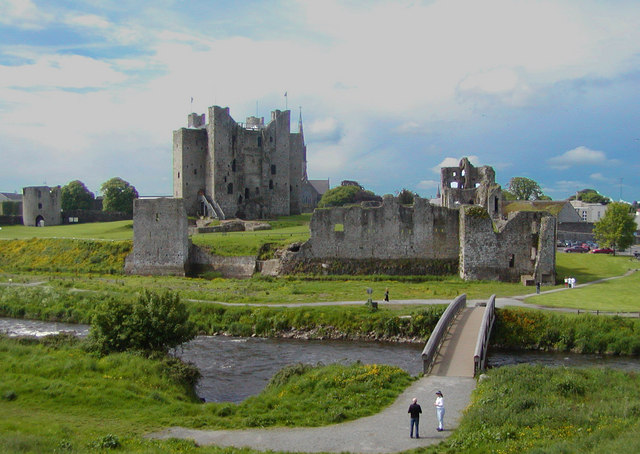
Ballinlough Castle stands as a remarkable example of a 17th-century fortified country house located near Clonmellon in County Westmeath, Ireland. Constructed in the early 1600s, it reflects the architectural and social ambitions of the landed gentry during a period of significant political and cultural change in Ireland. The castle's strategic placement on a hill overlooking two lakes within a wooded landscape underscores its dual purpose of defense and aesthetic appeal, typical of fortified houses of the era.
Historical background and ownership
The castle was originally built by the O’Reilly family, prominent local landowners, with the construction traditionally dated to 1614. This date is supported by the presence of the O’Reilly family coat of arms above the main entrance, though some historians have debated the exactness of this year. The O’Reillys were influential in the region, and the castle served as a symbol of their status and power.
In the late 18th century, around 1790, the estate underwent significant expansion under Sir Hugh O’Reilly. He added a new wing to the castle, likely designed by Thomas Wogan Browne, an amateur architect known for his work on Malahide Castle, home to Sir Hugh’s sister. This addition reflects the family's sustained prosperity during this period.
An important familial transformation occurred in 1812 when Hugh O’Reilly was granted a baronetcy and adopted the surname Nugent by royal licence, following a bequest from his maternal uncle, John Nugent. Since then, the castle has remained the ancestral seat of the Nugent baronets. Notably, the Nugents are among the few Irish Catholic families to have continuously inhabited their original family home through centuries marked by political and religious upheaval.
Architectural features and layout
Ballinlough Castle exemplifies the fortified country house style of the early 17th century, combining defensive elements with domestic comfort. Its prominent hilltop location provides commanding views of the surrounding lakes and woodland, enhancing both security and scenic enjoyment.
The castle's interior layout includes a ground floor with a large drawing room and dining room, designed for social and formal gatherings. The first floor houses four bedrooms accessed via a distinctive vaulted corridor, an architectural feature that adds both strength and elegance to the structure.
One of the castle's most notable architectural details is its exceptionally tall windows, reputedly the tallest installed in a private house from the period. These windows flood the interiors with natural light and offer expansive views of the estate, reflecting a balance between fortification and comfort.
The drawing room features a chimneypiece identical in design to a known Wyatt chimneypiece at Curraghmore House in County Waterford, linking Ballinlough Castle to wider architectural trends among Irish country houses of the era.
Landscape and cultural significance
The castle is set within private gardens, lakeside areas, and woodland walks that contribute to the estate's historic character and natural beauty. Although these grounds are not open to the public, they enhance the overall setting of the castle and reflect the traditional country estate layout.
In the 21st century, Ballinlough Castle has become a notable venue for cultural events, hosting music performances and festivals that attract visitors from across Ireland and beyond. Since 2006, the estate has welcomed artists such as Kenny Rogers and Van Morrison, as well as festivals including the Life Festival in 2009 and Ireland's first gay music festival, MILK, in 2010. The annual Body & Soul music festival, held since 2010, further underscores the castle's ongoing role as a vibrant cultural hub.
Preservation and current status
Ballinlough Castle remains in the possession of the Nugent family, currently the eighth Baronet Nugent, maintaining its status as a continuous family residence. The castle is well-preserved, retaining key architectural elements from its original construction and subsequent expansions.
Its enduring presence through centuries of Irish history, including periods of conflict and change, marks Ballinlough Castle as a significant heritage site. The combination of its architectural features, historical associations, and contemporary cultural use make it an important example of Ireland's fortified country houses.
Frequently asked questions (FAQ)
- How do I get to Ballinlough Castle?
- Ballinlough Castle is located in the heart of the United Kingdom, easily accessible by car and public transport. The nearest major city is Dublin, which is about a two-hour drive away. Local bus services may also be available, so it's advisable to check local schedules for the best routes.
- What is the historical significance of Ballinlough Castle?
- Ballinlough Castle dates back to the 17th century and has significant historical importance as a family residence for centuries. It has witnessed various historical events and has been carefully preserved, showcasing the rich heritage of Ireland. The castle's architecture reflects the style and craftsmanship of its time, making it a valuable site for visitors interested in history.
- When was Ballinlough Castle built?
- Ballinlough Castle was constructed in the early 17th century, with its foundations laid in 1610. Over the years, it has undergone several renovations to maintain its structure and aesthetic appeal. The castle's long history adds to its charm and significance in the region.
- Can I visit Ballinlough Castle?
- Yes, Ballinlough Castle is open to visitors, but it is advisable to check the official website for tour availability and booking requirements. Guided tours are often available, allowing guests to explore the castle's beautiful grounds and learn about its history. Special events may also be hosted throughout the year.
- Is Ballinlough Castle accessible for individuals with disabilities?
- Ballinlough Castle strives to be accessible to all visitors, with measures in place to assist those with mobility challenges. However, due to its historical nature, some areas might have limitations. It's best to contact the castle directly for specific accessibility information before planning your visit.
- What are the opening hours for Ballinlough Castle?
- Ballinlough Castle typically opens to visitors during the warmer months, from April to October. Opening hours can vary, so it’s recommended to check the castle's official website for the most current information regarding specific days and times of operation.
- What is the best time to visit Ballinlough Castle?
- The best time to visit Ballinlough Castle is during the spring and summer months when the gardens are in full bloom and the weather is generally pleasant. This period also aligns with the castle's longer opening hours and special events. Fall can also be a lovely time to visit, as the foliage adds a beautiful backdrop.
- Are there any nearby attractions to Ballinlough Castle?
- Yes, there are several attractions near Ballinlough Castle, including scenic parks, historical sites, and charming villages to explore. The surrounding countryside offers beautiful walking trails and opportunities for outdoor activities. Local towns may also provide dining options and cultural experiences to enhance your visit.
- What are the ticket prices for visiting Ballinlough Castle?
- Ticket prices for Ballinlough Castle vary depending on the type of tour and age of the visitor. Discounts may be available for children, students, and seniors. For the most accurate pricing and any special offers, it is best to check the castle's official website or contact their visitor information center.
Information
Loading map...
Visitor reviews
No reviews yet. Been here? Write the first review and help other travelers!
Write the first reviewVisited this castle? Share your experience
Your review helps other travelers and adds first-hand knowledge to our encyclopedia.