Balási Castle is a notable hill castle located in Romania, distinguished by its strategic position atop a prominent elevation. This placement provided significant defensive advantages, allowing its occupants to oversee the surrounding landscape and control key routes during its active use.
Historical background and significance
The origins of Balási Castle trace back to the medieval period, with construction likely beginning in the 14th or 15th century. While specific records about its founders are limited, the castle served as a fortified residence and military stronghold during a time marked by frequent territorial disputes and incursions in the region. Its location in Romania situates it within a historical context of shifting borders and cultural influences, including Hungarian and Romanian governance.
Throughout its history, the castle played a role in local defense and administration. It was part of a network of fortifications designed to protect the region from invasions and to assert control over trade routes. The castle's presence contributed to the stability and security of the surrounding area during turbulent times.
Architectural features and layout
Balási Castle exhibits characteristics typical of hill castles constructed in the late medieval period. The castle's design capitalizes on the natural topography, with defensive walls and towers arranged to maximize visibility and protection. The remains suggest a compact layout with a central keep or donjon, surrounded by curtain walls and possibly a moat or ditch adapted to the hillside terrain.
The castle's fortifications include stone walls of varying thickness, designed to withstand siege weaponry of the era. Defensive features such as battlements, arrow slits, and gatehouses would have been integral to its defensive strategy. Although much of the structure may now be in ruins, archaeological evidence points to a well-planned defensive complex.
Construction materials and techniques
The builders of Balási Castle employed locally sourced stone and timber, common in medieval Romanian fortifications. The masonry work reflects the techniques of the period, with carefully cut stones forming the main defensive walls and towers. Timber elements likely included floors, roofs, and internal structures, though these have largely not survived.
Current condition and preservation
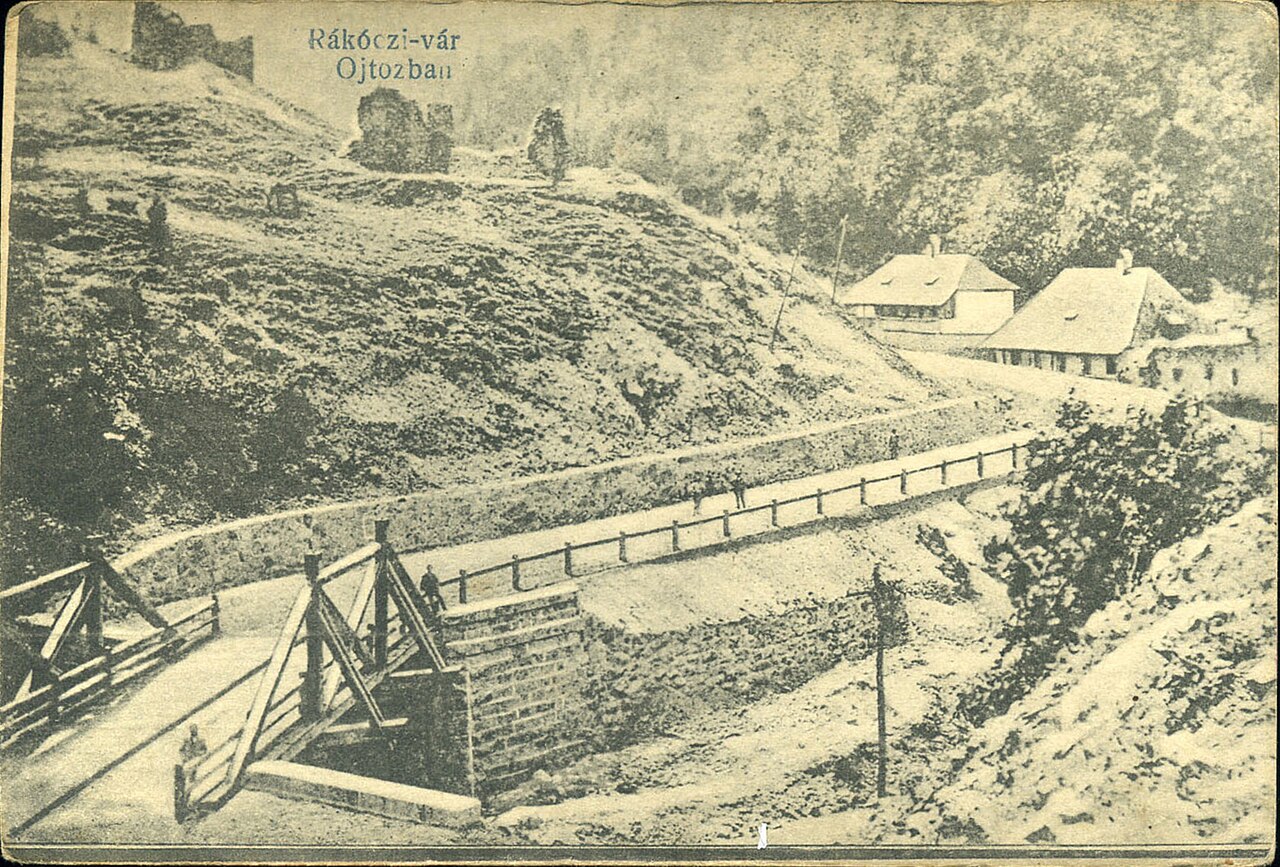
Today, Balási Castle exists primarily as ruins, with significant portions of its walls and towers collapsed or eroded over time. The site remains an important archaeological and cultural landmark, attracting historians and visitors interested in medieval architecture and regional history.
Preservation efforts have been limited, but the castle's ruins continue to be a subject of study and conservation interest. Its location and remains offer valuable insights into medieval fortification strategies in Romania.
Visiting balási castle
While the castle is accessible to visitors, facilities are minimal due to its ruinous state and remote location. Visitors should prepare for uneven terrain and limited signage. The site is best visited during favorable weather conditions to fully appreciate the panoramic views and the historical ambiance of the ruins.
Nearby attractions and context
The region surrounding Balási Castle offers additional historical and natural attractions, including traditional Romanian villages and scenic landscapes. Exploring these areas provides a broader understanding of the cultural and historical context in which the castle operated.
Frequently asked questions (FAQ)
- How do I get to Balási Castle?
- Balási Castle is located in Romania and is accessible by car or public transportation from nearby cities. The nearest major city is Cluj-Napoca, from where you can take a bus or drive approximately 50 kilometers to reach the castle.
- What is the historical significance of Balási Castle?
- Balási Castle dates back to the 14th century and is a remarkable example of medieval architecture in Romania. It has served various purposes throughout history, including as a defensive fortress and a noble residence, reflecting the rich cultural heritage of the region.
- When was Balási Castle built?
- Construction of Balási Castle began in the late 1300s and continued over the centuries, with several renovations and expansions. Its architectural features showcase the evolution of styles and techniques used in Romanian fortifications.
- Can I take guided tours of Balási Castle?
- Yes, guided tours are available for visitors looking to learn more about the history and architecture of Balási Castle. These tours typically provide detailed insights into the castle's past, making it a rewarding experience for history enthusiasts.
- Why is Balási Castle a popular tourist destination?
- Balási Castle is popular due to its stunning architecture, historical significance, and picturesque setting. Visitors are drawn to its unique blend of history and natural beauty, making it an ideal spot for photography and exploration.
- Is it possible to visit Balási Castle year-round?
- Yes, Balási Castle is open to visitors year-round, although opening hours may vary by season. It is advisable to check the specific visiting hours before planning your trip, especially during the winter months when some facilities may be limited.
- What are the ticket prices for Balási Castle?
- Ticket prices for Balási Castle are generally affordable, with discounts available for students and seniors. It is best to check the official website for the most current pricing and any special offers for group visits.
- What is the best time to visit Balási Castle?
- The best time to visit Balási Castle is during the spring and fall when the weather is mild and the surrounding scenery is particularly beautiful. These seasons also tend to attract fewer tourists, allowing for a more peaceful experience.
- Are there any nearby attractions to Balási Castle?
- Yes, there are several attractions near Balási Castle, including local museums and scenic hiking trails. Additionally, nearby towns offer cultural experiences and traditional Romanian cuisine, making it easy to plan a full day of exploration.
Photo gallery

Information
Loading map...
Visitor reviews
No reviews yet. Been here? Write the first review and help other travelers!
Write the first reviewVisited this castle? Share your experience
Your review helps other travelers and adds first-hand knowledge to our encyclopedia.