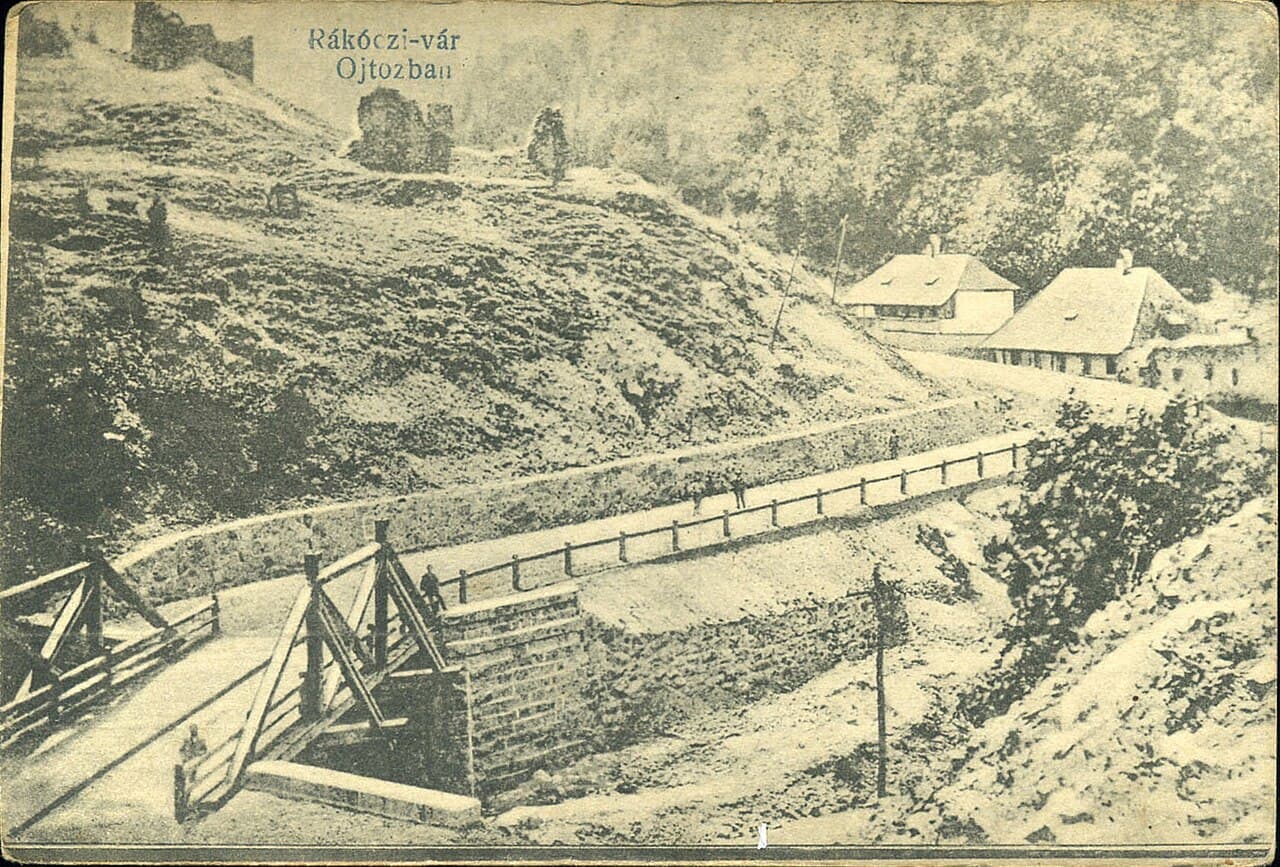
Rákóczi fortress from Oituz is a significant example of a bastioned fortress located in Romania. This fortress played an important role in the military history of the region, reflecting the strategic defensive architecture of its time. It is situated near the Oituz Pass, a crucial mountain pass in the Eastern Carpathians, which historically served as a vital route between Transylvania and Moldavia.
Historical background and strategic importance
The fortress was constructed to control and defend the Oituz Pass, a key transit point that has seen numerous military campaigns and conflicts throughout history. The location's strategic importance stems from its position as a gateway between different territories, making it a focal point for controlling movement and trade as well as military operations.
Although exact construction dates remain uncertain, the fortress is associated with the period when bastioned fortifications were prevalent in Eastern Europe, roughly spanning the late 16th to the 18th centuries. The fortress is named after the Rákóczi family, a noble Hungarian family prominent in Transylvania and Hungary, known for their political and military influence during the 17th and early 18th centuries.
Architectural features and design
The bastioned fortress design of Rákóczi fortress incorporates angled bastions projecting outward from the main walls, allowing defenders to cover adjacent walls with crossfire and eliminate blind spots. This design reflects the evolution of military architecture in response to the development of artillery and siege warfare.
The fortress likely features thick stone walls, ramparts, and defensive ditches or moats, typical of bastioned fortifications. Its layout would have been planned to maximize defensive capabilities while controlling the surrounding terrain, especially the approaches through the Oituz Pass.
While the fortress today may be in a state of partial preservation or ruin, its remnants provide valuable insights into the military engineering techniques of the period and the regional history of fortification construction.
Role in regional conflicts and legacy
Throughout its history, Rákóczi fortress served as a defensive stronghold during various conflicts involving Transylvanian, Hungarian, and Ottoman forces. It was part of the larger network of fortifications that protected the borders of the Habsburg Monarchy and other regional powers.
The fortress also symbolizes the historical influence of the Rákóczi family, particularly Francis II Rákóczi, who led a significant uprising against Habsburg rule in the early 18th century. Although the fortress itself was not the site of major battles directly linked to the uprising, its association with the family underscores its place in the broader historical narrative of resistance and regional power struggles.
Current condition and cultural significance
Today, the Rákóczi fortress from Oituz stands as a cultural and historical monument, attracting visitors interested in military history and architecture. The site offers a glimpse into the defensive strategies employed in the region and the architectural adaptations made to counter evolving military technologies.
Preservation efforts, if any, focus on maintaining the remaining structures and promoting awareness of the fortress's historical value. The fortress contributes to the cultural heritage of Romania and the shared history of Eastern Europe, representing an era of fortified military architecture that shaped the political landscape.
Visiting information and accessibility
While specific visitor information such as opening hours and ticket prices may vary, the fortress is accessible to tourists and history enthusiasts. Its location near natural mountain landscapes also makes it a point of interest for those exploring the Carpathian region.
Visitors are encouraged to explore the ruins carefully and respect the site's preservation guidelines to help maintain its condition for future generations.
Frequently asked questions (FAQ)
- What is the historical significance of Rákóczi fortress from Oituz?
- Rákóczi fortress from Oituz controlled the strategic Oituz Pass, a critical route between Transylvania and Moldavia, playing a key role in regional military defense.
- Can I visit Rákóczi fortress from Oituz?
- Yes, the fortress is accessible to visitors interested in history and military architecture, though specific visiting hours may vary and should be checked locally.
- What architectural style characterizes Rákóczi fortress from Oituz?
- The fortress is an example of a bastioned fortress, featuring angled bastions designed to improve defensive coverage against artillery attacks.
- Why is the fortress named Rákóczi?
- It is named after the Rákóczi family, a noble Hungarian lineage influential in Transylvania and Hungary during the 17th and 18th centuries.
- What is the current condition of the fortress?
- The fortress is likely partially preserved or in ruins, offering valuable insights into historical military engineering despite its aged state.
Photo gallery

Photo by Balázs Orbán (1829–1890), (photograph) Turóczi István kiadása, Kézdivásarhely (publishing house)•Public domain
Information
Loading map...
Visitor reviews
No reviews yet. Been here? Write the first review and help other travelers!
Write the first reviewVisited this castle? Share your experience
Your review helps other travelers and adds first-hand knowledge to our encyclopedia.