Baia Castle
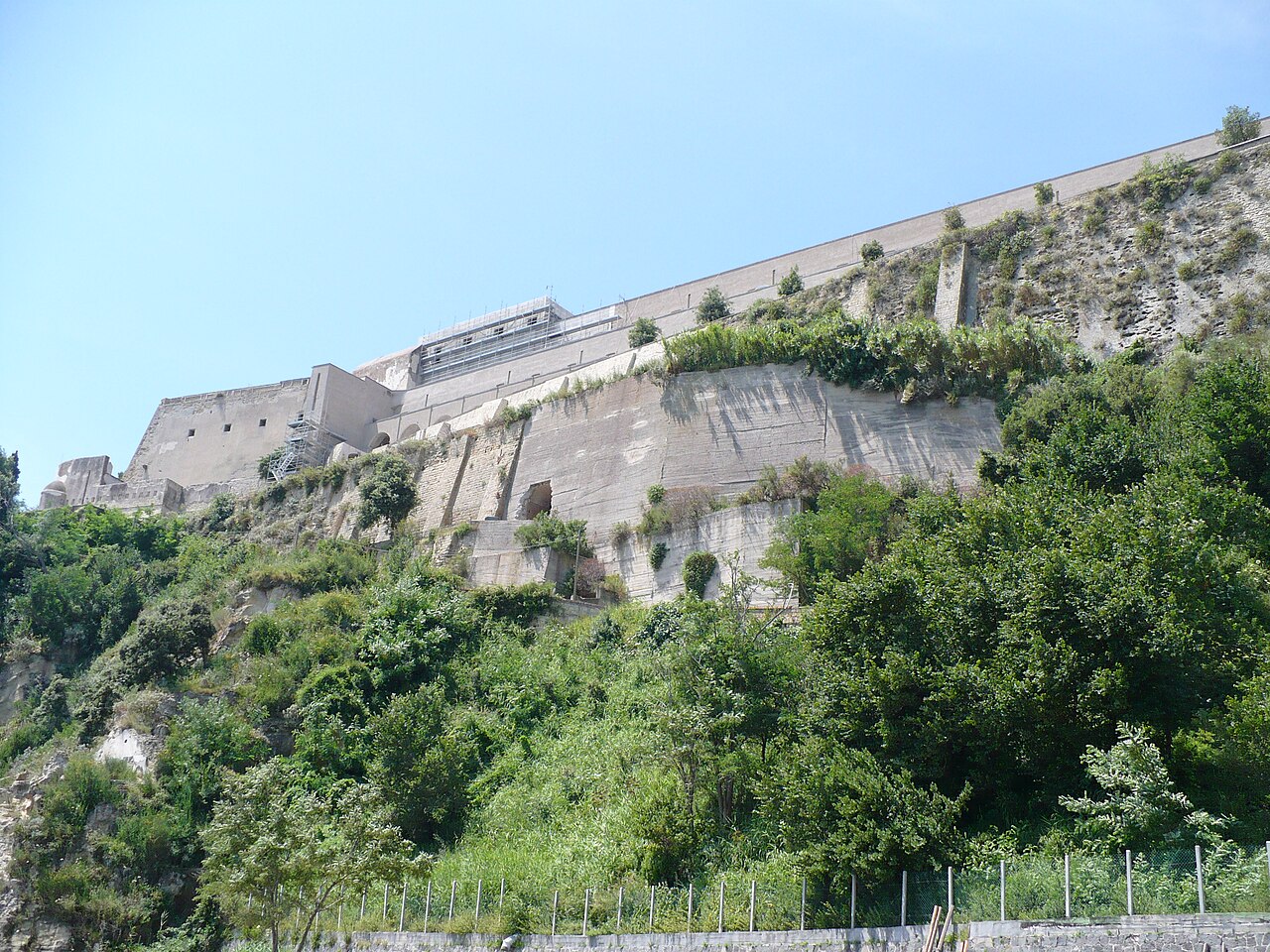
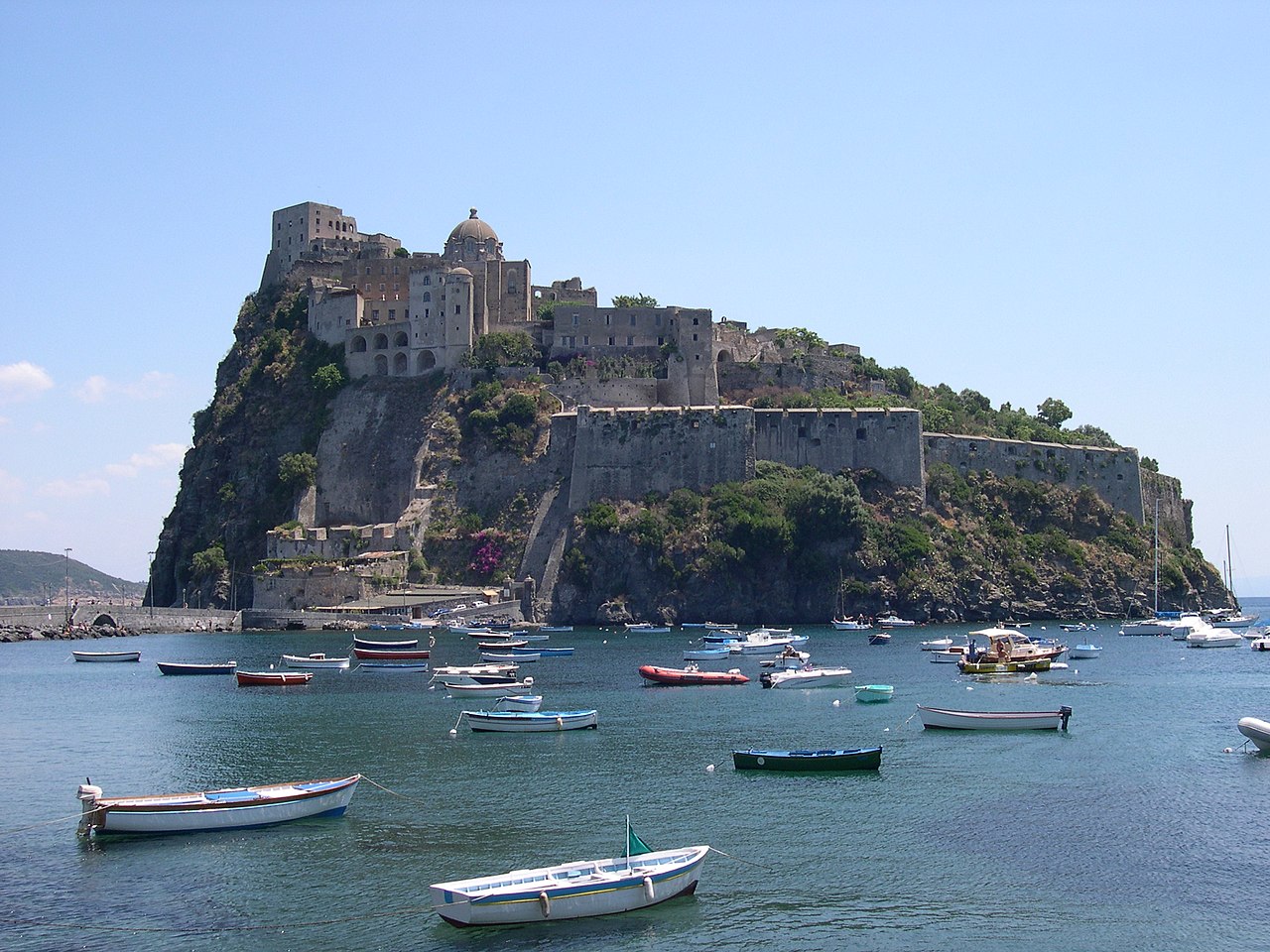
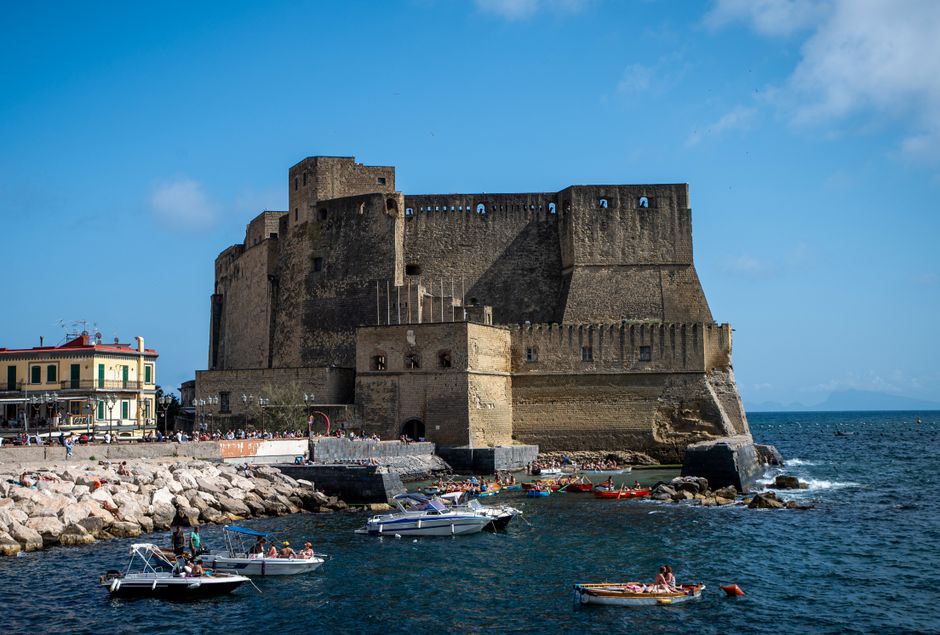
Baia Castle stands prominently on the coast of Bacoli, Italy, a striking example of a late medieval fortress constructed in the 15th century. Its foundations rest upon the remnants of ancient Roman structures, believed to be part of the summer residence of Julius Caesar. This unique layering of history connects the site to both the grandeur of the Roman Empire and the strategic military architecture of the medieval period.
Historical background and early significance
The area around Baia was renowned in antiquity for its luxurious villas and thermal baths, favored by Roman elites. The castle's location atop these ruins highlights the continuity of occupation and the strategic importance of the site overlooking the Phlegraean Fields and the Tyrrhenian Sea. The Phlegraean Fields are a volcanic area with a history of eruptions, the most notable of which occurred on 29 September 1538. This eruption, known as the formation of Monte Nuovo, caused widespread devastation throughout the region, including serious damage to Baia Castle.
Construction and architectural features
Originally built in the late 15th century during the Aragonese rule of Naples, Baia Castle was designed as a coastal fortress to defend against naval attacks and to assert control over the surrounding maritime routes. The castle's architecture reflects typical Aragonese military design of the period, characterized by robust stone walls, battlements, and towers strategically positioned to provide wide-ranging views of the sea and coastline.
The castle's cliffside position enhances its defensive capabilities, allowing it to dominate the surrounding landscape and control access to the bay. Its layout includes fortified walls with embrasures for cannon and gunfire, a central courtyard, and living quarters adapted from the earlier Roman structures beneath. The integration of medieval fortifications with ancient Roman masonry creates a complex architectural palimpsest.
Restoration and enlargement under don Pedro Alvarez de Toledo
Following the damage inflicted by the 1538 volcanic eruption, the castle underwent significant restoration and expansion under the direction of Don Pedro Alvarez de Toledo, the viceroy of Naples. His work reinforced the castle's defenses and adapted it to the evolving military technologies of the 16th century, including the use of artillery. These enhancements ensured that Baia Castle remained a vital stronghold in the region for decades to come.
The castle today and its cultural importance
Today, Baia Castle is well preserved and serves as the home of the Archaeological Museum of Campi Flegrei. The museum showcases artifacts from the surrounding volcanic area and ancient Roman sites, providing visitors with a comprehensive understanding of the region's rich history. The castle's location offers panoramic views of the sea and the volcanic landscape, making it a popular destination for tourists and scholars alike.
The castle's preservation and adaptive reuse as a museum highlight its cultural and historical significance. It stands as a testament to the region's layered past, from the Roman imperial era through the medieval and early modern periods. Visitors can explore the castle's defensive structures, learn about the volcanic activity that shaped the area, and appreciate the architectural evolution visible in its walls and towers.
Architectural and archaeological significance
Baia Castle is a valuable example of coastal fortress architecture that incorporates ancient Roman foundations. Its walls and towers exhibit features typical of Aragonese military engineering, such as thick stone masonry, angled bastions to deflect cannon fire, and strategic placement for surveillance and defense. The castle's archaeological layers provide insight into the transformation of a Roman elite residence into a medieval military installation.
Visitor experience and accessibility
Visitors to Baia Castle can explore its extensive grounds, including the battlements and courtyards, while enjoying views of the Tyrrhenian Sea and the volcanic landscape of the Phlegraean Fields. The castle houses exhibitions that detail the area's volcanic history, Roman heritage, and medieval military architecture. The site is accessible to the public, with guided tours often available to enhance understanding of its complex history.
Frequently asked questions (FAQ)
- What is the historical significance of Baia Castle?
- Baia Castle, located in Bacoli, Italy, was originally built in the 15th century as a fortress to defend the Bay of Naples. It holds great historical importance as it reflects the architectural styles of the period and has witnessed various historical events, including military confrontations and the decline of the nearby Roman villas.
- When was Baia Castle built?
- Baia Castle was constructed starting in the 15th century, with significant modifications made over the years. It was strategically positioned to protect the coastline and has undergone various restorations to preserve its structure and historical value.
- Can I visit Baia Castle?
- Yes, visitors can explore Baia Castle and its beautiful surroundings. The castle offers guided tours, allowing guests to learn about its rich history and architectural features while enjoying breathtaking views of the Bay of Naples.
- What are the opening hours for Baia Castle?
- Baia Castle is typically open from 9:00 AM to 7:00 PM, with last admissions around 6:00 PM. However, it is advisable to check the official website or contact them directly for any seasonal changes in hours.
- Is it possible to access Baia Castle with a wheelchair?
- While Baia Castle has made efforts to improve accessibility, some areas may still present challenges for wheelchair users due to uneven terrain and historical architecture. It is recommended to contact the castle administration in advance to inquire about specific accessibility features and assistance.
- What is the best time to visit Baia Castle?
- The best time to visit Baia Castle is during the spring and fall months when the weather is pleasantly mild and crowds are smaller. Visiting during these times allows for a more enjoyable experience while exploring the castle and its scenic views.
- Are there any nearby attractions to Baia Castle?
- Yes, Baia Castle is located near several attractions, including the ancient Roman ruins of Baiae and the beautiful beaches of Bacoli. Visitors can also explore the archaeological park of Cumae, which is just a short distance away, enhancing their historical experience.
- What are the ticket prices for Baia Castle?
- Ticket prices for Baia Castle are generally affordable, with discounts available for students and seniors. It's best to check the official website for the most current pricing and any special offers or group rates that may apply.
Loading map...
Visitor reviews
No reviews yet. Been here? Write the first review and help other travelers!
Write the first reviewVisited this castle? Share your experience
Your review helps other travelers and adds first-hand knowledge to our encyclopedia.