Babakale Castle
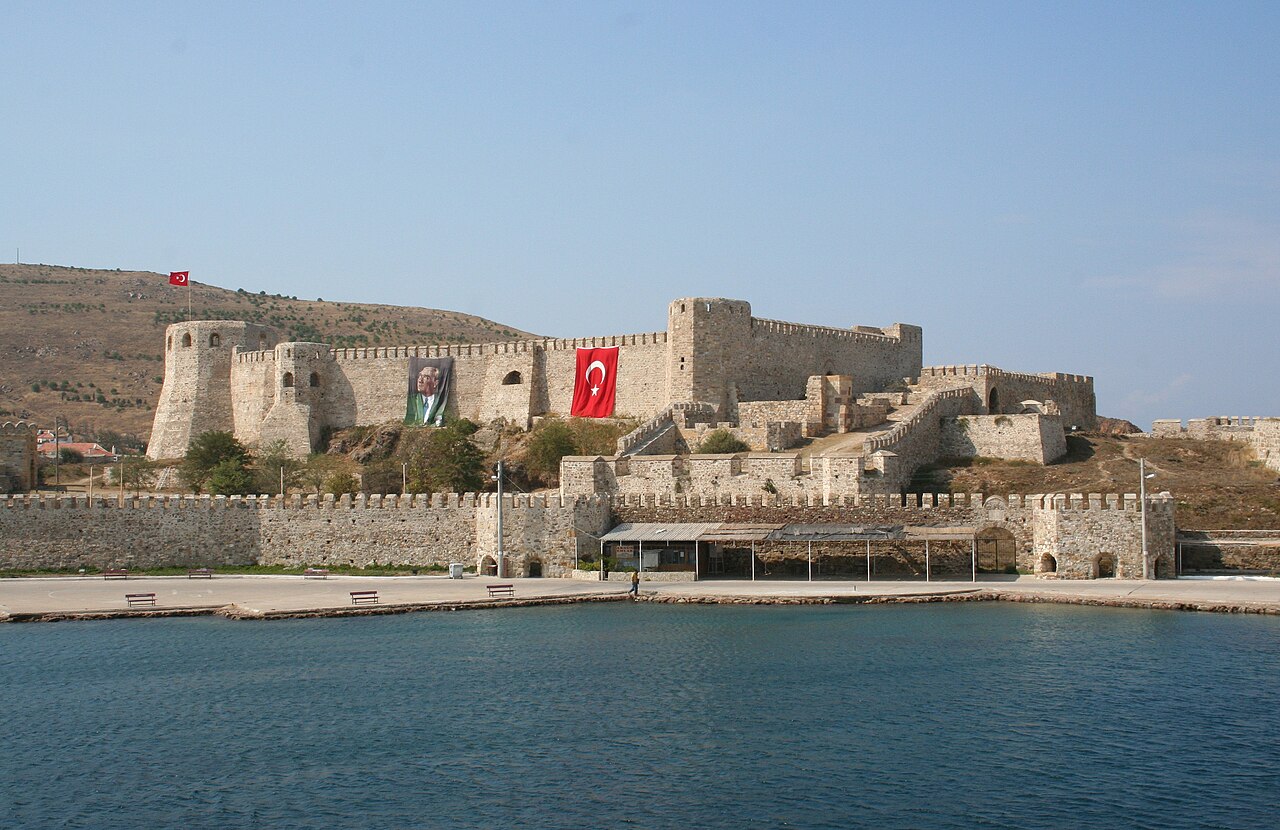
Babakale Castle, also known locally as Babakale Kalesi or Baba Kale, is a historic Ottoman fortress situated in the village of Babakale in the Çanakkale province of Turkey. This 18th-century castle occupies a strategic position on Cape Baba, the westernmost tip of Anatolia, marking a significant geographical landmark. Constructed between 1723 and 1729 during the reign of Sultan Ahmet III, Babakale Castle was commissioned by Kaymak Mustafa Paşa, the Ottoman naval commander-in-chief, to protect the local population against pirate incursions along the Aegean coast.
Historical context and construction
The castle was originally known as Hirzulbahir Castle and was part of a broader Ottoman defensive strategy to secure maritime trade routes and coastal settlements during the post-Renaissance period. The construction was a community effort, reportedly involving prisoners who were granted freedom upon its completion. Alongside the fortress, Kaymak Mustafa Paşa also established several auxiliary buildings including a Turkish bath (hamam), a mosque, a well, and shops, which contributed to the development of the surrounding village.
Architectural features
Babakale Castle is characterized by its rectangular ground plan fortified with pentagonal towers at each corner, a design typical of Ottoman coastal fortifications aimed at providing overlapping fields of fire. The walls were built robustly to withstand artillery attacks, reflecting advancements in military architecture during the 18th century. The main entrance of the castle opens directly onto the village square, facilitating access between the fortress and the local community.
In addition to the main gate, the castle includes a sally port that opens towards the harbor, allowing for discreet sorties or escape in case of siege. Inside the walls, there were once multiple buildings serving various military and civilian functions; however, today only the foundations of these structures remain, offering insights into the castle's original layout and usage.
Location and cultural significance
The castle's location on Cape Baba is notable not only for its military importance but also for its cultural heritage. Near the castle stands the tomb of Emek Yemez Baba, an Islamic saint whose presence predates the castle by at least a century. This tomb has lent its name to the village and the castle itself since 1912, highlighting the intertwining of religious and military history at this site.
Preservation and current status
Babakale Castle has undergone restoration efforts in the 21st century to preserve its structural integrity and historical value. Despite the loss of many internal buildings, the castle remains well-preserved and accessible to visitors. It stands as a quiet yet evocative destination for those interested in Ottoman military architecture and the history of Turkey's Aegean coast.
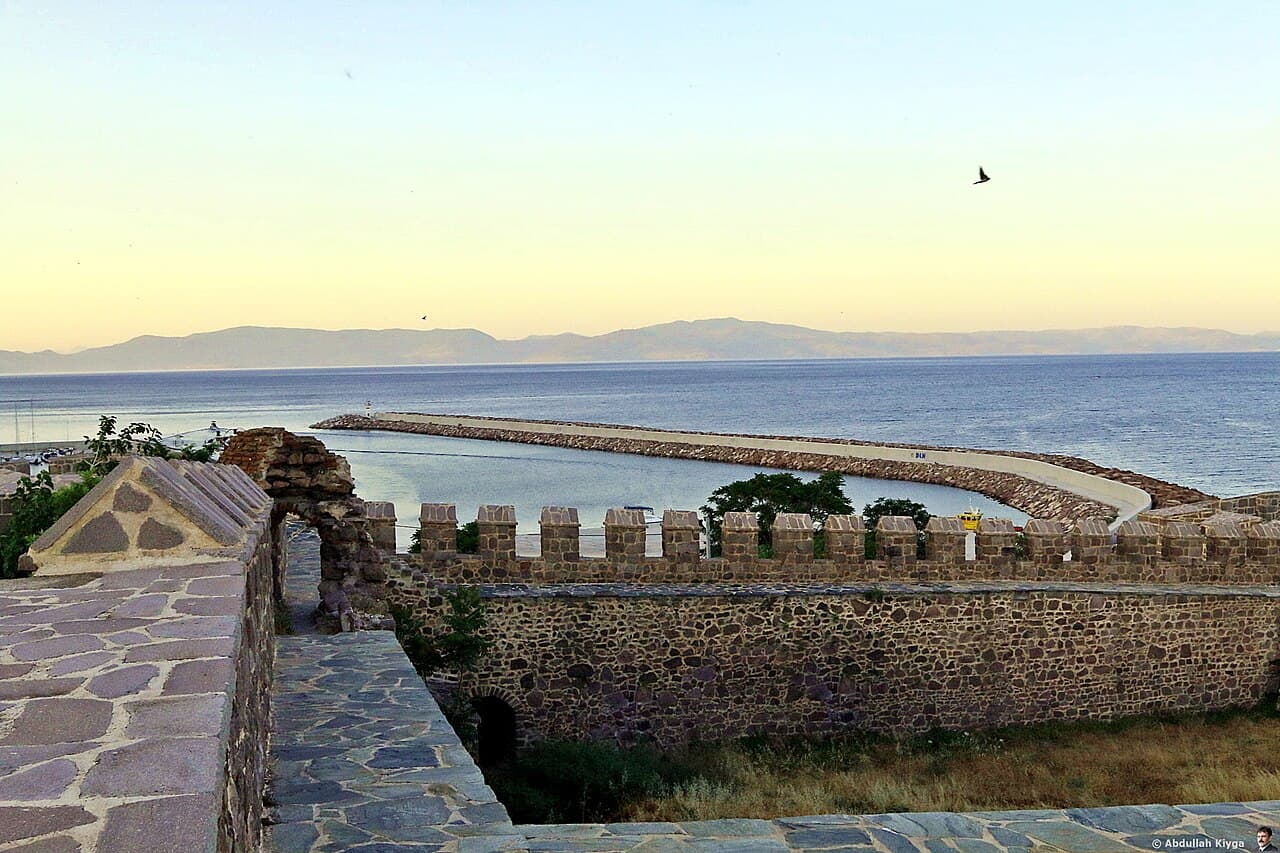
Visitors today can freely explore the castle and its surroundings, enjoying the peaceful atmosphere of the small coastal village. The castle's strategic position and robust design offer a tangible connection to the Ottoman Empire's maritime defense system and the local community's resilience against piracy during the 18th century.
Architectural style and classification
The castle exemplifies post-Renaissance Ottoman military architecture with its functional design tailored to coastal defense. It is classified as a hill castle due to its elevated position on the cape, which provided commanding views over the surrounding sea and land approaches. The use of pentagonal bastions reflects the adaptation of European star fort principles into Ottoman fortification practices, enhancing the castle's defensive capabilities.
Frequently asked questions (FAQ)
- How do I get to Babakale Castle?
- Babakale Castle is located in the village of Babakale in Çanakkale province, Turkey. It can be reached by road from nearby towns such as Ayvacık and Ezine, with local transportation options available.
- What is the historical significance of Babakale Castle?
- Babakale Castle was built in the 18th century by Ottoman naval commander Kaymak Mustafa Paşa to protect the region from pirate attacks. It marks the westernmost point of Anatolia and reflects Ottoman coastal defense strategies.
- Can I visit Babakale Castle freely?
- Yes, Babakale Castle is open to the public and can be visited without an entrance fee. Visitors can explore the castle grounds and enjoy views of the Aegean Sea.
- What are the main architectural features of Babakale Castle?
- The castle features a rectangular layout with pentagonal towers at each corner, a main gate opening to the village square, and a sally port towards the harbor. It showcases Ottoman post-Renaissance military architecture.
- Is Babakale Castle accessible for people with mobility issues?
- Due to its historic nature and terrain, access to Babakale Castle may be challenging for visitors with mobility impairments. Visitors should prepare accordingly and check local resources for assistance.
Photo gallery

Information
Address
Babakale Köyü Yolu, Turkey
Loading map...
Visitor reviews
No reviews yet. Been here? Write the first review and help other travelers!
Write the first reviewVisited this castle? Share your experience
Your review helps other travelers and adds first-hand knowledge to our encyclopedia.