Azay-le-Rideau Castle
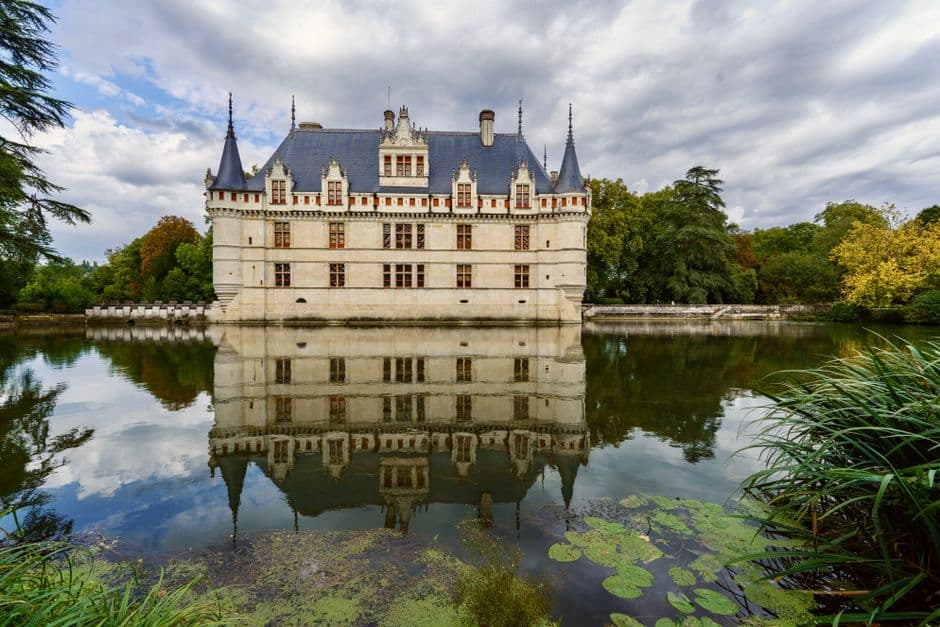
Azay-le-Rideau Castle stands as one of the most exquisite examples of French Renaissance architecture, gracefully situated on an island in the Indre River within the Loire Valley. Constructed between 1515 and 1527, this château epitomizes the early Renaissance style in France, blending traditional French elements with Italianate influences that were becoming fashionable during the reign of King Francis I. Its harmonious proportions, elegant turrets, and reflective waterscape create a striking visual impression that has captivated visitors for centuries.
The castle's origins trace back to the early 12th century when a medieval fortress was established by Ridel of Azay in 1119, strategically located to control the vital route between Tours and Chinon. This original fortress was destroyed in 1418 under the orders of Charles VII during the turbulent period of the Hundred Years' War. The site remained significant through the centuries, eventually passing into the hands of Martin Berthelot, a prominent official serving the king, at the end of the 15th century.
Renaissance rebirth under Gilles Berthelot
The château as it stands today was primarily constructed in the early 16th century by Gilles Berthelot, who served as the Treasurer-General of France and Mayor of Tours under King Francis I. Berthelot embarked on an ambitious project to rebuild the medieval fortress into a refined residence that reflected the new Renaissance ideals of symmetry, light, and classical ornamentation. However, much of the actual direction of the construction is attributed to his wife, Philippe Lesbahy, who oversaw key design decisions including the creation of the château's remarkable central staircase, a masterpiece of Renaissance craftsmanship and architectural ingenuity.
Architectural features and layout
Azay-le-Rideau is characterized by its compact yet elegant plan, comprising a main body and a projecting wing, each corner adorned with slender turrets that rise above the roofline, lending a fairy-tale silhouette. The château's walls are constructed from finely chiseled limestone blocks that shimmer in the sunlight and reflect beautifully in the surrounding waters of the Indre. Its façades are richly decorated with sculptural details including the royal salamander and ermine motifs, symbols associated with King Francis I and his queen, Claude of France.
The entrance portal is a notable feature, inspired by Roman triumphal arches, and bears the intertwined initials of the Berthelot family, emphasizing the personal imprint on the château. The castle's foundations rise directly from the river, giving it the appearance of floating on water, which enhances its romantic and picturesque setting.
Interior decoration and state apartments
The château's interiors were refurbished in the 19th century in a neo-Renaissance style, featuring richly decorated state apartments that display an impressive collection of 16th and 17th-century tapestries. Key rooms include the luminous lounge with its large windows overlooking the water, the royal apartments, the white room, and the blue room, each offering a glimpse into the refined tastes of the French nobility. These rooms are arranged around the central staircase, which remains the château's most celebrated architectural element.
Historical vicissitudes and ownership
Despite its grandeur, the château's history was marked by political intrigue. In 1528, Gilles Berthelot was accused of financial misconduct and fled, never to return to Azay-le-Rideau. The property was confiscated by King Francis I and awarded to a loyal soldier, marking the beginning of a series of ownership changes over the centuries. The castle survived the upheavals of the French Revolution and continued to be preserved as a cultural monument.

Photo by Lieven Smits • CC BY-SA 3.0
Surrounding landscape and park
Azay-le-Rideau is enveloped by a romantic 19th-century English landscape park, designed to complement the château's aesthetic. The park features a variety of exotic trees, including Atlas cedars, bald cypresses, and sequoias, which were introduced from the New World and add to the site's botanical interest. The park's naturalistic design contrasts with the château's formal Renaissance architecture, creating a harmonious blend of art and nature.
Preservation and public access
Today, Azay-le-Rideau Castle is owned by the French state and managed by the Centre des monuments nationaux. It is a protected historic monument since 1914 and remains one of the most visited and admired châteaux in the Loire Valley. Visitors can explore its exquisite interiors, admire its architectural details, and enjoy the serene parkland setting. The château's unique location on an island, its elegant Renaissance design, and its rich history make it a must-see destination for enthusiasts of French history and architecture.
Frequently asked questions (FAQ)
- How do I get to Azay-le-Rideau Castle?
- Azay-le-Rideau Castle is easily accessible by car or public transport. If you're traveling by train, the closest station is Azay-le-Rideau, which is about a 15-minute walk from the castle. Additionally, there are parking facilities available for visitors arriving by car.
- What is the historical significance of Azay-le-Rideau Castle?
- Azay-le-Rideau Castle was built in the early 16th century and is considered one of the finest examples of Renaissance architecture in France. It was constructed by Gilles Berthelot, a wealthy financier, and reflects the wealth and artistic culture of the period. The castle is also surrounded by a picturesque park, enhancing its historical and aesthetic appeal.
- When was Azay-le-Rideau Castle constructed?
- The construction of Azay-le-Rideau Castle began in 1518 and was completed in 1527. The castle was designed by the architect Philippe de l'Orme, showcasing a blend of French Gothic and Renaissance styles. Over the centuries, it has undergone various restorations, preserving its historical integrity.
- Can I visit Azay-le-Rideau Castle year-round?
- Yes, Azay-le-Rideau Castle is open to visitors throughout the year, although opening hours may vary by season. During the peak tourist season, the castle offers extended hours, while in the off-peak months, it may close earlier. It's advisable to check the official website for specific dates and times before your visit.
- Why is Azay-le-Rideau Castle a popular attraction?
- Azay-le-Rideau Castle is celebrated for its stunning architecture, beautifully landscaped gardens, and rich history. Visitors are captivated by the castle's unique setting on an island in the Indre River, which adds to its charm. The combination of cultural heritage and breathtaking views makes it a must-visit destination in the Loire Valley.
- Is it possible to take guided tours of the castle?
- Yes, guided tours of Azay-le-Rideau Castle are available and highly recommended for a more in-depth experience. Knowledgeable guides provide insights into the castle's history, architecture, and the lives of its former inhabitants. Audio guides are also offered for those who prefer a self-guided experience.
- What are the ticket prices for Azay-le-Rideau Castle?
- Ticket prices for Azay-le-Rideau Castle vary depending on age and the type of tour selected. As of 2023, adult tickets typically cost around €11, while discounts are available for children and students. It's best to purchase tickets online in advance to secure your visit and avoid long lines.
- What is the best time to visit Azay-le-Rideau Castle?
- The best time to visit Azay-le-Rideau Castle is during the spring and early autumn months, when the gardens are in full bloom and the weather is pleasant. Summer is also a popular time to visit, but it can be crowded with tourists. Visiting early in the morning or later in the afternoon can help you avoid peak crowds.
- Are there any nearby attractions to visit?
- Yes, there are several nearby attractions to explore after visiting Azay-le-Rideau Castle. The charming village of Azay-le-Rideau offers quaint shops and restaurants, while the nearby Château de Langeais and Château de Villandry are also worth a visit. The Loire Valley is rich in history and offers many other castles and vineyards to discover.
Photo gallery


Information
Website
Visit websiteFeatured in
Articles on the Castlopedia blog that feature Azay-le-Rideau Castle.
Sources & official resources
Verify the information above using these authoritative references.
Loading map...
Visitor reviews
No reviews yet. Been here? Write the first review and help other travelers!
Write the first reviewVisited this castle? Share your experience
Your review helps other travelers and adds first-hand knowledge to our encyclopedia.