Islette Castle
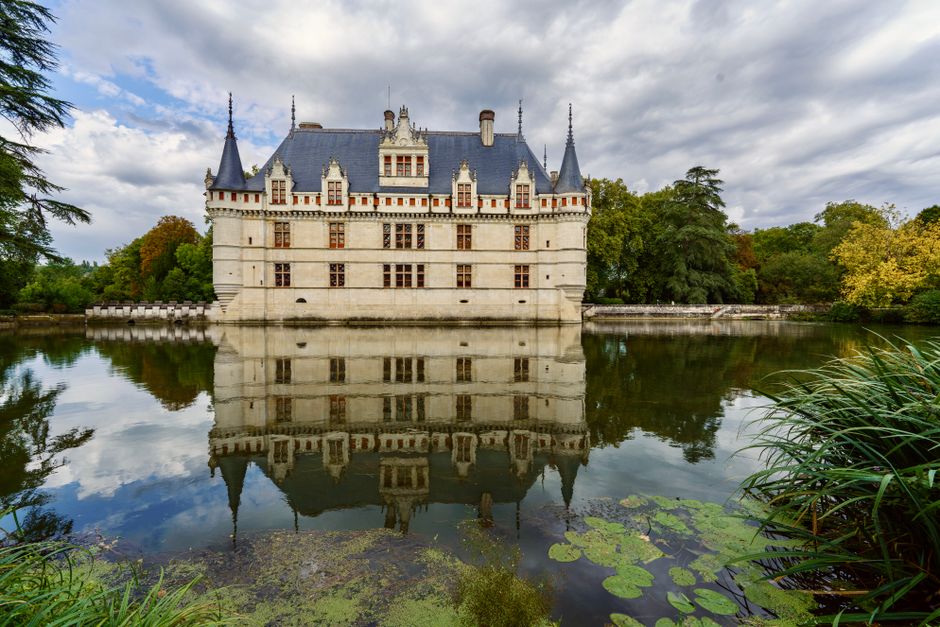
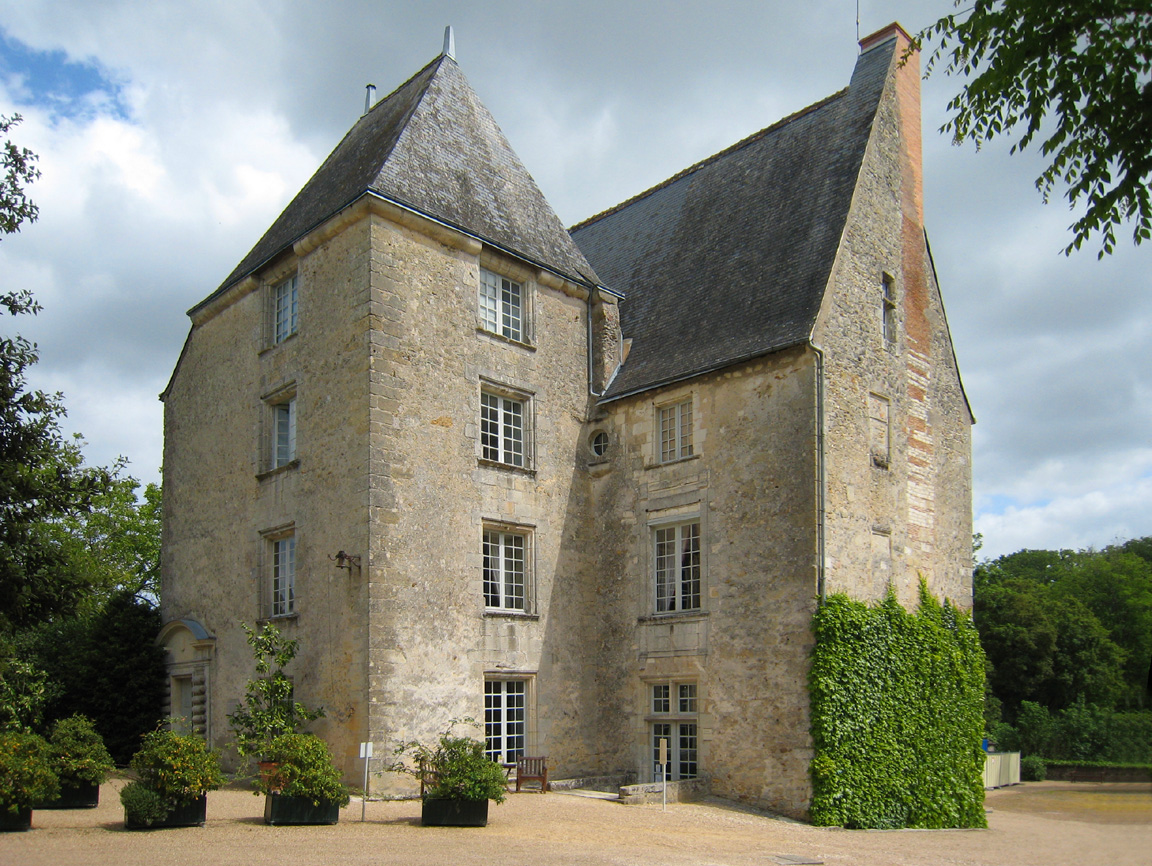
Islette Castle is a striking example of a Renaissance water castle located in the Centre-Val de Loire region of France, just two kilometers west of the renowned Azay-le-Rideau. Nestled on the left bank of the Indre River, the castle's strategic position amidst waterways and its architectural features recall the elegance and defensive design of nearby chateaux from the same period.
Historical context and location
The castle's origins trace back to the early 16th century, with construction completed around 1530. It stands near a historic water mill, likely a banal mill where local inhabitants were obliged to grind their grain for the lord's fee, emphasizing the castle's role within the feudal economy. The proximity to Azay-le-Rideau and the use of similar architectural motifs suggest that the same skilled artisans, traditionally known as the Azay workers, were responsible for its construction.
Islette Castle is accessed through a portal dated 1638, flanked by two square pavilions, which marks the entrance to the estate. A bridge crosses the main branch of the Indre, linking the castle to the surrounding landscape and enhancing its defensive and aesthetic appeal.
Architectural features and design
Overall structure
The castle is characterized by a long rectangular three-storey main building, flanked by two imposing towers that dominate the water-surrounded site. This layout is typical of Renaissance chateaux in the Loire Valley, combining both residential comfort and fortification elements.
Facade and decorative elements
The facade exhibits a double body of moldings between the floors, with windows featuring mullions of harmonious proportions. Each window is topped by a lintel decorated with a central volute, a common Renaissance ornamental motif. The building is crowned by a path of round machicolations, which historically would have allowed defenders to protect the castle from attackers below.
Before the 19th century, the castle had a more pronounced defensive appearance with filled moats, gabled dormers, and intact towers. However, modifications such as the filling of moats, trimming of dormer gables, and truncation of the towers have altered the silhouette to its current form.
Main entrance and defensive features
The main entrance retains traces of its medieval defensive past, including an old drawbridge with grooves and a finely carved cartouche displaying the coat of arms of Barjot de Roncée. This heraldic emblem is supported by delicate Renaissance angels, highlighting the blend of martial and artistic influences.
Interior highlights
The chapel
Within the eastern tower, the ground floor houses a chapel that has been fully restored. It features ribbed vaulting decorated with a star motif and preserved murals, reflecting the religious devotion and artistic tastes of the castle's inhabitants.
The noble floor and grand hall
Ascending past the guard room via a large stone staircase, visitors reach the noble floor, the primary living quarters. The highlight here is the Grande Salle, measuring approximately 14 meters by 8 meters. This room is renowned for its remarkable pictorial decoration dating from the early 17th century.
The ceiling and plinths are adorned with elegant bouquets of flowers and bucolic landscapes, creating a richly decorative environment. A monumental fireplace anchors the room, above which a frieze depicts the alliances of the Mille and Carman families. An inscription near the fireplace commemorates a significant marriage alliance that shaped the castle's lineage and ownership.
Current status and cultural significance
Today, Islette Castle remains inhabited by its current owners, preserving its function as a residence while maintaining its historical and architectural heritage. The castle's blend of Renaissance architectural features, defensive elements, and richly decorated interiors makes it a valuable cultural landmark within the Loire Valley.
Its proximity to other famous chateaux and its picturesque setting on the Indre River contribute to its appeal for visitors interested in French history, architecture, and the Renaissance period.
Frequently asked questions (FAQ)
- How do I get to Islette Castle from Azay-le-Rideau?
- Islette Castle is located approximately two kilometers west of Azay-le-Rideau and can be reached by local roads. Visitors can walk, cycle, or drive to the castle, enjoying scenic views along the Indre River.
- What architectural style is Islette Castle known for?
- Islette Castle is a fine example of Renaissance architecture, featuring characteristic elements such as mullioned windows, decorative lintels, and machicolations.
- Can visitors tour the interior of Islette Castle?
- As Islette Castle is currently a private residence, interior tours may be limited or by appointment only. Visitors should check ahead for any public visiting opportunities or special events.
- What historical periods does Islette Castle represent?
- The castle primarily represents the Renaissance period, with construction completed around 1530 and interior decorations from the early 17th century.
- Are there any notable artworks inside Islette Castle?
- Yes, the Grande Salle features remarkable early 17th-century pictorial decorations, including floral motifs, landscapes, and heraldic friezes depicting family alliances.
Information
Loading map...
Visitor reviews
No reviews yet. Been here? Write the first review and help other travelers!
Write the first reviewVisited this castle? Share your experience
Your review helps other travelers and adds first-hand knowledge to our encyclopedia.