Aunqueospese Castle
Aunqueospese Castle, located in Mironcillo, Spain, is a striking example of a late-medieval hill castle that illustrates the evolution of military architecture from the medieval period through the Renaissance. Its origins trace back to the strategic frontier conflicts of the 11th and 12th centuries, when it served as a military outpost overseeing the Amblés valley and controlling key access routes between the city of Ávila and the surrounding highlands, including the Sierra de la Paramera. Over centuries, the castle transformed from a modest watchtower into a formidable fortress reflecting the changing demands of warfare and noble power in Castile.
The castle's initial construction likely began as a small fortress or lookout point designed to monitor the volatile borderlands during the Reconquista. This early phase is evidenced by the site's strategic positioning and the presence of medieval legends about knights such as Nalvillos and Don Alvar Dávila, who were associated with the border skirmishes and noble rivalries in the region. These stories underscore the castle's role as a military and noble stronghold during a period of fluctuating Christian-Muslim frontiers.
Historical development and ownership
The most significant phase of construction began in 1490 under the direction of Pedro Dávila, lord of Villafranca and captain to the Duke of Alba. Pedro Dávila, who was also the first Count of El Risco, initiated a major rebuilding campaign aimed at modernizing the fortress to meet the evolving military technologies of the late 15th century. This included adapting the castle to accommodate artillery and other Renaissance-era defensive innovations. However, legal disputes with the nearby community of Ávila temporarily halted construction.
Work resumed and was completed in 1504 by Pedro's son, Esteban Dávila, who enhanced the fortress with features such as artillery embrasures and reinforced towers. These modifications reflect the transition from medieval fortification techniques to those suited for gunpowder weaponry, marking the castle as a hybrid of Gothic and Renaissance military architecture.
Ownership of the castle passed through several prominent families. The Dávila family maintained control as lords of Villafranca and Las Navas before their elevation to Counts of El Risco. Through marriage, the castle later came under the influence of the Medinaceli family, one of Spain’s most powerful noble houses. In the 19th century, specifically in 1850, the castle was sold to the Duke of Abrantes. The local residents of Mironcillo purchased the property in 1956, but it was sold again to private ownership in 1975. Throughout its history, the castle has remained in private hands and has not been publicly owned.
Its cultural and historical significance was officially recognized in 1931 when it was declared a Historic-Artistic Monument and classified as a Bien de Interés Cultural (Cultural Interest Site), ensuring its protection as a heritage landmark.
Architectural features and layout
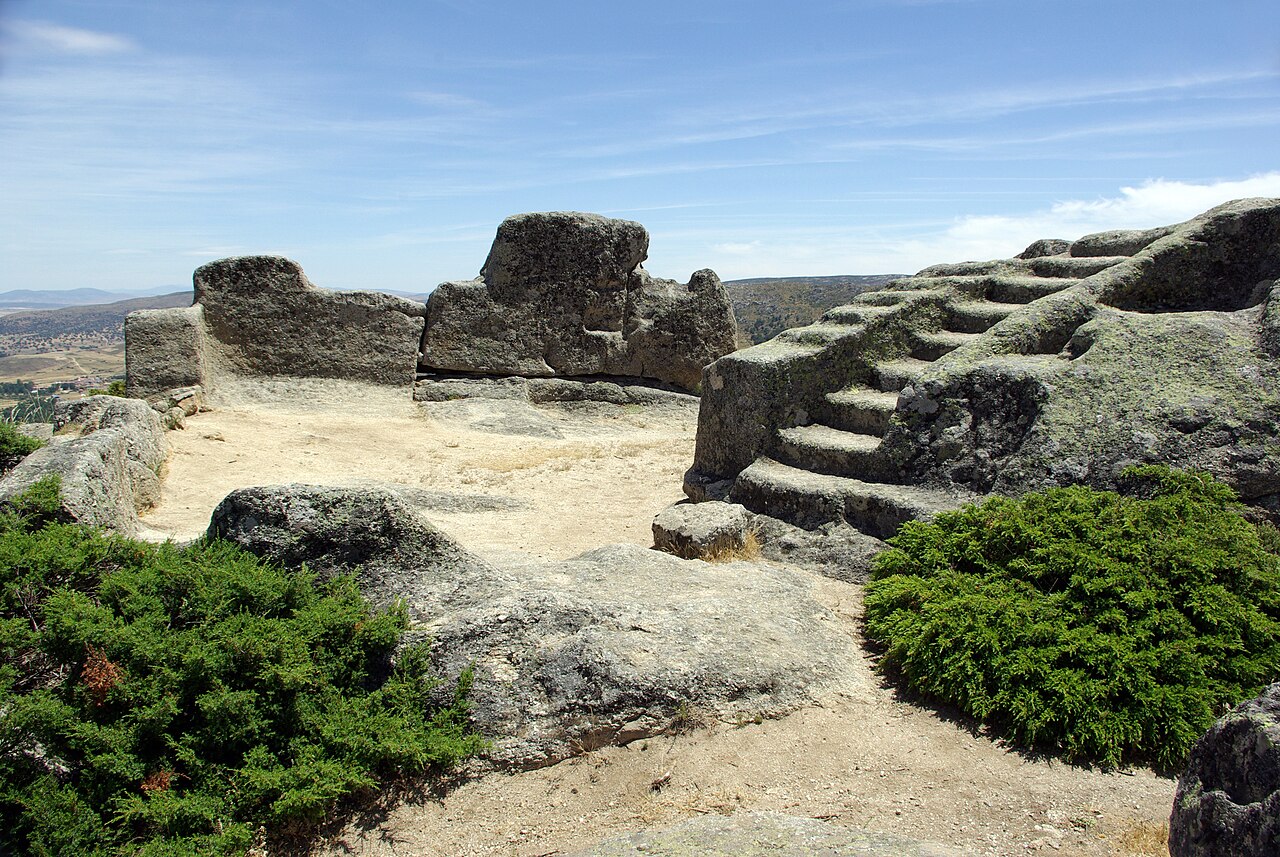
Situated on rocky outcrops at the base of the Sierra de la Paramera, Aunqueospese Castle exhibits an irregular layout that follows the natural contours of the terrain. This integration with the rugged landscape is typical of hill castles designed for strategic defense and surveillance. The construction materials include finely dressed stone blocks known as ashlar, smaller squared stones called sillarejo, and rough rubble masonry, reflecting a combination of building techniques accumulated over several centuries.
Outer defenses and entrance
The castle features a prominent outer enclosure functioning as a barbican, an advanced defensive wall designed to shield the main fortress from direct attack. The main entrance is a Renaissance-style gateway characterized by a pointed conopial arch, a distinctive tulip-shaped arch framed by an alfiz, a rectangular decorative molding common in Moorish and Spanish architecture. Above the gate, the Dávila family coat of arms is prominently displayed, symbolizing their authority and ownership.
Flanking the gate are two robust cylindrical towers, known as cubos, which reinforced the defensive approach and provided commanding views over the surrounding landscape. These towers were essential for monitoring and defending the approach routes to the castle.
Inner fortress and key structures
The inner enclosure, situated at a higher elevation, houses the core defensive and residential elements of the castle. Central to this area is the patio de armas (courtyard), around which are arranged the torre del homenaje (keep or main tower), stables (caballerizas), and various chambers used for defense and habitation.
The castle's defensive architecture includes inverted keyhole-shaped loopholes (aspilleras) designed for archers and later adapted for firearms, allowing defenders to fire while minimizing exposure. Additionally, mailbox-shaped embrasures (troneras-buzón) accommodate cannons and other artillery, reflecting the castle's adaptation to Renaissance military technology.
Small watch turrets (escaraguaitas) project from the walls, supported by stepped corbels, providing observation points for early warning and surveillance. A particularly well-preserved feature is the latrines located within one of the cylindrical towers, indicating attention to sanitation and comfort within the fortress.
Military and cultural significance
Aunqueospese Castle represents a transitional fortress that bridges medieval and Renaissance defensive architecture. Its location on a rocky hilltop allowed it to control vital routes and served as a military outpost during the turbulent Reconquista period. The castle's design showcases the evolution of fortification techniques, from high-walled medieval defenses to the incorporation of artillery and gunpowder weaponry in the 16th century.
The castle's layered construction phases reveal the complex history of border warfare and noble power struggles in Castile. Its association with prominent families such as the Dávila and Medinaceli lineages connects it to broader political and social developments in Spanish history.
Today, although the castle remains largely in ruins, it stands as a significant cultural monument protected under Spanish heritage laws. Its architectural features and historical context provide valuable insights into the military, social, and architectural history of the region.
Visiting Aunqueospese Castle
Visitors to Aunqueospese Castle can explore its dramatic hilltop setting and observe the remains of its defensive walls, towers, and courtyard. The castle's irregular layout and rugged construction materials offer a tangible connection to the medieval and Renaissance periods. While the site is not fully restored, its ruins convey the strategic importance and architectural ingenuity of its builders.
The castle's position near Mironcillo provides opportunities to explore the surrounding natural landscape of the Sierra de la Paramera and the historic town of Ávila, enriching the visitor experience with both cultural and natural attractions.
Frequently asked questions (FAQ)
- How do I get to Aunqueospese Castle?
- Aunqueospese Castle is located in Mironcillo, Spain, and can be accessed by car or public transport. The nearest major city is Ávila, which is about 30 kilometers away. Visitors can follow local signage or use GPS coordinates for precise directions.
- What is the historical significance of Aunqueospese Castle?
- Aunqueospese Castle dates back to the 15th century and played a crucial role in the defense of the region during the Middle Ages. Its strategic location allowed it to oversee important trade routes, making it a significant military stronghold. The castle's rich history is reflected in its well-preserved architecture and surrounding landscape.
- When was Aunqueospese Castle built?
- Aunqueospese Castle was constructed in the late 1400s, a period marked by territorial conflicts in Spain. It served not only as a fortress but also as a residence for local nobility. The castle's architecture showcases the transition from medieval to Renaissance styles.
- Can I take photos inside Aunqueospese Castle?
- Yes, visitors are welcome to take photographs inside and outside of Aunqueospese Castle. However, it is recommended to be respectful of other guests and the historical integrity of the site. Make sure to check for any specific rules or restrictions upon your visit.
- Why is Aunqueospese Castle a popular tourist attraction?
- Aunqueospese Castle attracts visitors due to its historical significance, stunning architecture, and picturesque views of the surrounding countryside. The castle offers a glimpse into Spain's medieval past, making it an educational experience for history enthusiasts. Additionally, its scenic location makes it a perfect spot for photography and exploration.
- Is it possible to book guided tours of Aunqueospese Castle?
- Yes, guided tours of Aunqueospese Castle are available and can be booked in advance. These tours provide in-depth insights into the history and architecture of the castle, enhancing the visitor experience. It's recommended to check the official website or contact local tourism offices for availability and pricing.
- What are the opening hours for Aunqueospese Castle?
- Aunqueospese Castle is open to visitors from 10 AM to 6 PM, with extended hours during the summer months. It is advisable to check the castle's official website for any seasonal changes or special holiday hours. Arriving early can help you avoid crowds and enjoy a more intimate experience.
- What are the ticket prices for visiting Aunqueospese Castle?
- Ticket prices for Aunqueospese Castle are generally affordable, with discounts available for children, seniors, and groups. As prices may vary, it is best to consult the official website for the most up-to-date information and any special promotions. Purchasing tickets online in advance can also save time during your visit.
- What are some nearby attractions to visit after exploring Aunqueospese Castle?
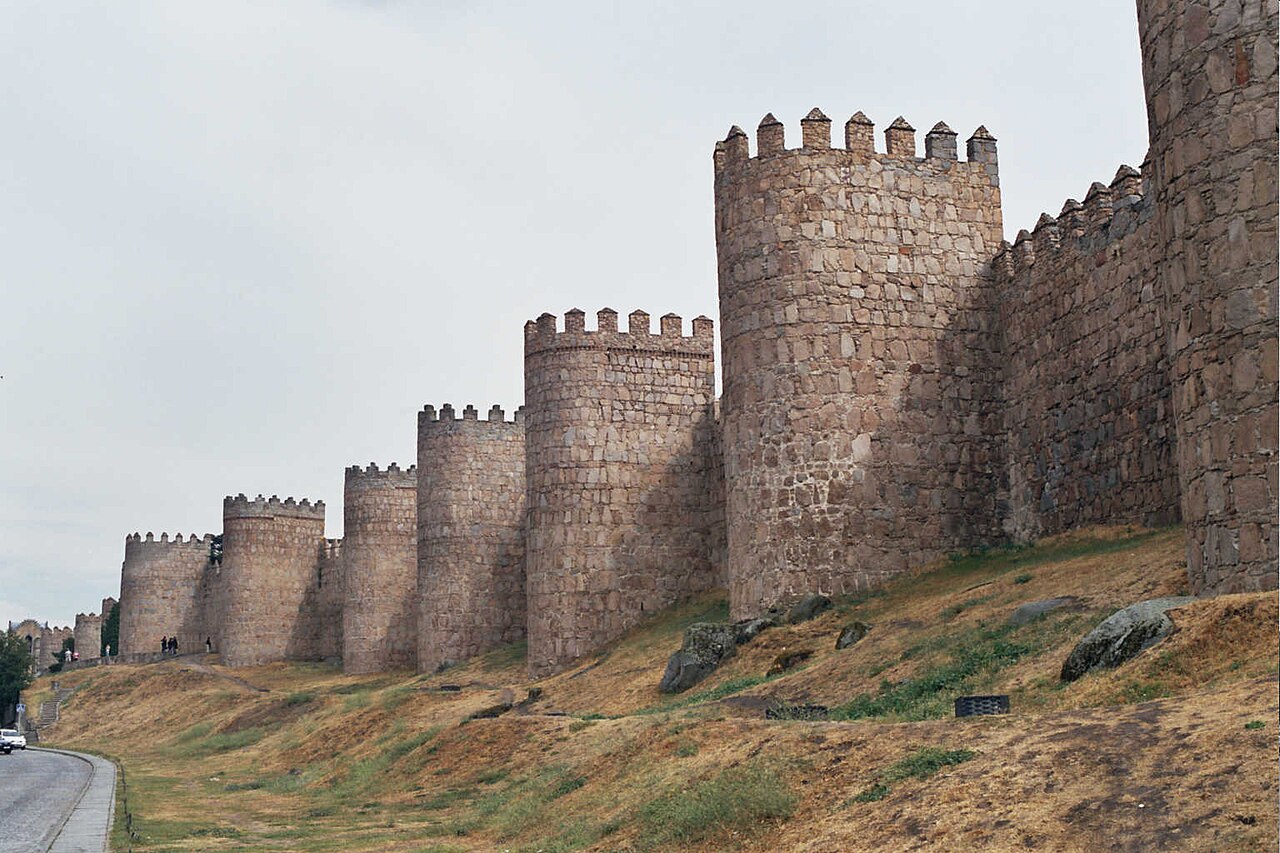
- After visiting Aunqueospese Castle, you can explore the charming village of Mironcillo, known for its traditional architecture and tranquil atmosphere. Additionally, the historic city of Ávila, famous for its well-preserved medieval walls, is just a short drive away. Other nearby attractions include local parks and scenic hiking trails, perfect for a day of outdoor adventure.
Information
Website
Visit websiteSources & official resources
Verify the information above using these authoritative references.
Loading map...
Visitor reviews
No reviews yet. Been here? Write the first review and help other travelers!
Write the first reviewVisited this castle? Share your experience
Your review helps other travelers and adds first-hand knowledge to our encyclopedia.