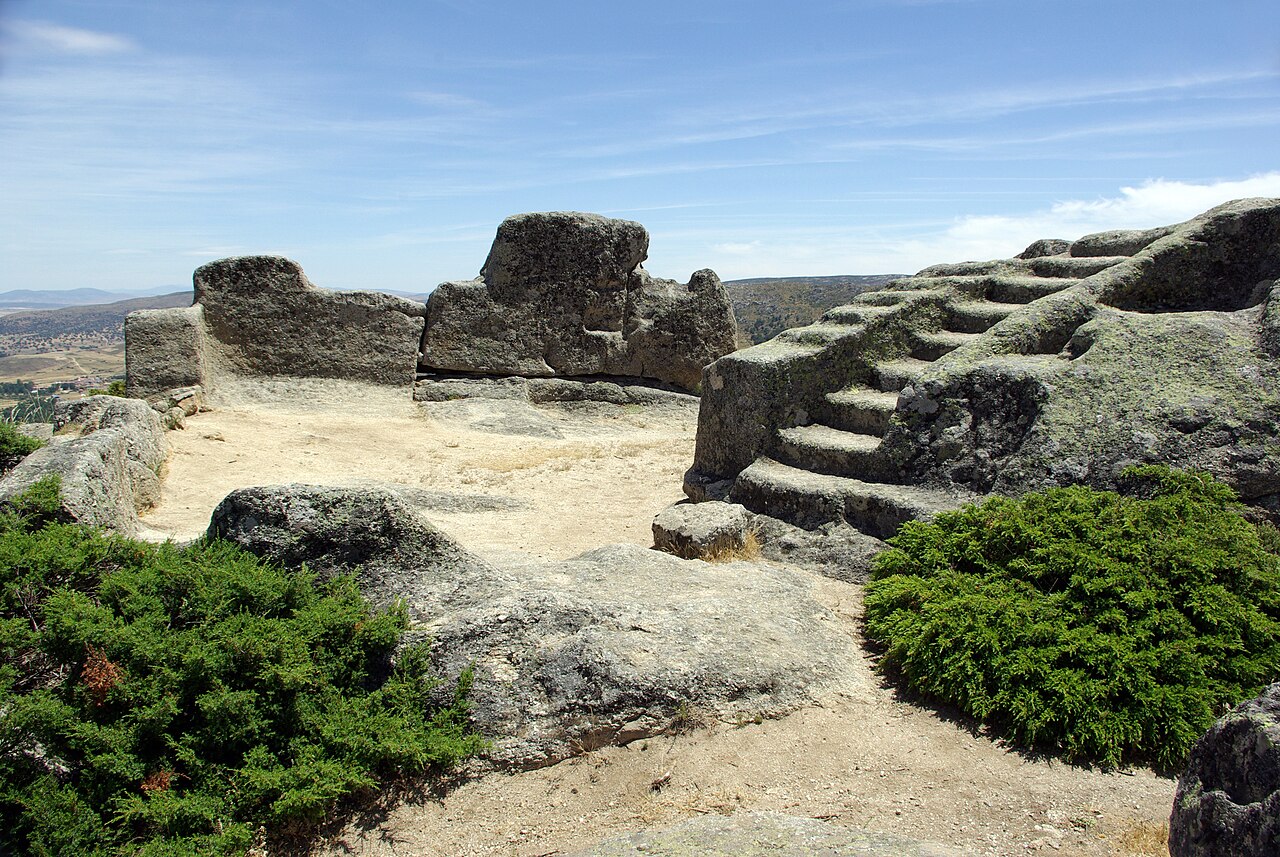
Villaviciosa Castle
Villaviciosa Castle is a significant late medieval fortress located in Villaviciosa, Spain. Its construction began in the 15th century under the direction of Nuño González del Águila y Guzmán, a nobleman who sought to establish control over the strategic passage from the Amblés Valley to the Sierra de la Paramera. This location was of considerable military and commercial importance, as it provided a critical route through the rugged terrain of central Spain.
Historical background and strategic importance
The castle was originally commissioned to serve as a defensive stronghold to monitor and secure the passageway, reflecting the turbulent political climate of the late medieval period in Spain. The 15th century saw numerous conflicts and power struggles among local lords and the crown, making fortified structures like Villaviciosa essential for asserting territorial control and safeguarding trade routes.
During the 16th century, the castle underwent significant modifications, including the construction of the Torre de las Damas (Tower of the Ladies). This addition enhanced the castle's defensive capabilities and also reflected evolving architectural styles and military needs of the Renaissance period. The tower likely served both as a lookout and a symbol of prestige for the castle's owners.
Architectural features and construction phases
The castle's original 15th-century construction exhibits characteristics typical of late medieval military architecture. Thick stone walls, battlements, and strategically placed towers provided robust defense against invaders. The layout was designed to maximize control over the surrounding landscape, with vantage points allowing surveillance of the valley and mountain passes.
The Torre de las Damas, completed in the 16th century, represents a later architectural phase. Its design incorporated Renaissance influences, seen in more refined stonework and possibly larger windows or decorative elements, which contrasted with the more utilitarian medieval structures. This blend of styles illustrates the castle's evolution from a purely military fortress to a residence with representational functions.
Defensive structures
The castle's fortifications include curtain walls, a main gatehouse, and several towers positioned to cover all approaches. The walls were constructed with local stone, providing both strength and camouflage within the natural environment. The battlements allowed defenders to repel attackers while remaining protected.
Interior layout
Inside the castle, there would have been living quarters, storage rooms, and possibly a chapel, although specific details about these internal spaces are limited. The presence of the Torre de las Damas suggests an emphasis on comfort and status alongside defense.
Modern use and preservation
Today, Villaviciosa Castle has been repurposed as a hotel, allowing visitors to experience its historic atmosphere firsthand. The adaptation respects the castle's architectural heritage while providing modern amenities. This use helps maintain the structure and promotes cultural tourism in the region.
The castle's preservation state is generally good, with key features like the Torre de las Damas and the defensive walls still intact. Its location continues to attract visitors interested in medieval history, architecture, and the scenic landscapes of the Amblés Valley.
Cultural significance and tourism
Villaviciosa Castle stands as a testament to the military and social history of Castile and León during the late medieval and Renaissance periods. Its strategic position and architectural evolution provide insight into the changing needs and tastes of Spanish nobility over centuries.
As a hotel, the castle offers a unique lodging experience that combines historical ambiance with contemporary comfort. Visitors can explore the surrounding countryside, which features hiking trails and natural landmarks, making it a destination for both history enthusiasts and nature lovers.
Frequently asked questions (FAQ)
- How do I get to Villaviciosa Castle?
- Villaviciosa Castle is located in the heart of Villaviciosa, Spain. You can easily reach it by car or public transport from nearby towns, with ample parking available nearby for visitors traveling by vehicle.
- What is the historical significance of Villaviciosa Castle?
- Villaviciosa Castle dates back to the 10th century and played a crucial role in the region's defense against invasions. It symbolizes the rich medieval history of Asturias and showcases the architectural styles of the era.
- When was Villaviciosa Castle built?
- The castle was constructed in the late 10th century, during a period of instability in the region. It has undergone several renovations, preserving its historical character while adapting to modern times.
- Can I enter Villaviciosa Castle?
- Yes, visitors can enter Villaviciosa Castle to explore its grounds and learn about its history. Guided tours are often available, providing insights into the castle's architecture and significance.
- Is it possible to visit Villaviciosa Castle year-round?
- Villaviciosa Castle is generally open to visitors throughout the year, though hours may vary by season. It’s advisable to check the official site or local tourism information for the most current opening hours.
- What are the ticket prices for Villaviciosa Castle?
- Entry to Villaviciosa Castle is typically affordable, with reduced rates for children and students. Special discounts may also be available for groups, making it accessible for all visitors.
- What is the best time to visit Villaviciosa Castle?
- The best time to visit is during the spring and early autumn when the weather is mild and pleasant for exploring. Additionally, fewer tourists during these seasons can enhance your experience.
- Are there nearby attractions to Villaviciosa Castle?
- Yes, the castle is located near several attractions, including the beautiful beaches of Villaviciosa and the scenic landscapes of the Picos de Europa National Park. Visitors can enjoy a variety of outdoor activities and local cultural experiences in the area.
- Is Villaviciosa Castle accessible for people with disabilities?
- Villaviciosa Castle strives to be accessible to all visitors, with facilities in place to assist those with mobility challenges. However, some areas may have limitations due to the castle's historical structure, so it's best to check in advance.
Information
Loading map...
Visitor reviews
No reviews yet. Been here? Write the first review and help other travelers!
Write the first reviewVisited this castle? Share your experience
Your review helps other travelers and adds first-hand knowledge to our encyclopedia.