Auerbach Castle
Auerbach Castle is a notable hill castle located in the Vogtland region of Germany. Constructed in the 12th century, it was originally established to protect the early settlers from Franconia and Thüringen, reflecting the strategic importance of fortifications during the High Medieval period. The castle's initial design included defensive features such as a moat and a drawbridge, which were typical of medieval military architecture aimed at deterring invaders and securing the stronghold.
The castle's history is marked by significant events, including a devastating fire in 1757 that led to its destruction. Despite this, the castle was reconstructed in 1849, undergoing alterations that adapted its medieval structure for new uses. Today, Auerbach Castle serves as a cultural and historical attraction, housing a restaurant that welcomes visitors to experience its unique atmosphere and panoramic views from its elevated position.
Historical background and significance
The origins of Auerbach Castle trace back to its role in securing the region during the turbulent times of the High Middle Ages. The castle was built to protect settlers who migrated from Franconia and Thüringen, two important historical regions in Germany. Its location atop a hill provided a natural vantage point for surveillance and defense, which was crucial in an era characterized by frequent territorial disputes and feudal conflicts.
The castle is part of a network of fortifications along the Bergstrasse, a historic route in southern Hesse, although this may refer to another castle of the same name in Hesse rather than the Vogtland location. The existing data suggests some conflation between two castles named Auerbach. The Vogtland Auerbach Castle is primarily recognized for its medieval origins and its role within the local feudal system rather than direct ties to Charlemagne or the Katzenelnbogen dynasty, which are associated with the Hesse Auerbach Castle.
Architectural features and layout
Auerbach Castle exemplifies typical High Medieval hill castle architecture. The presence of a moat and drawbridge indicates a focus on strong defensive measures. The moat would have served as a water barrier, complicating any siege attempts, while the drawbridge allowed controlled access to the inner courtyard.
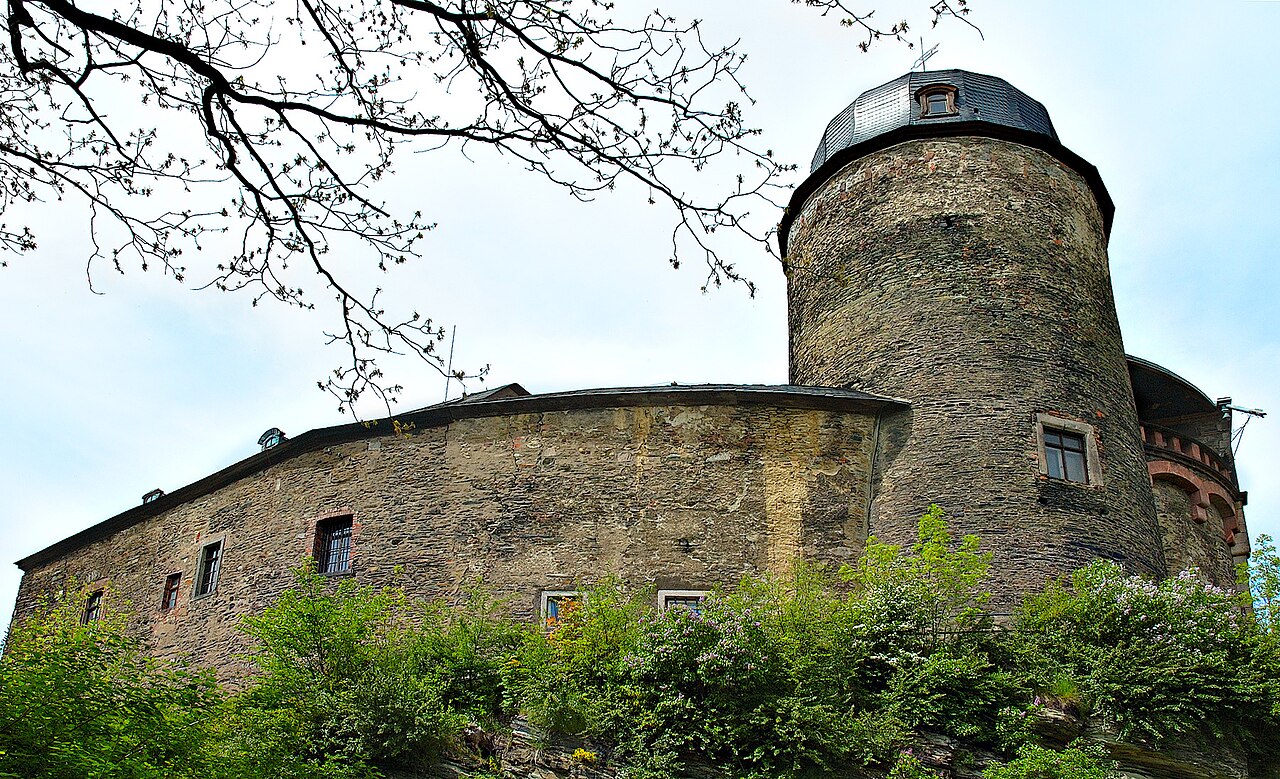
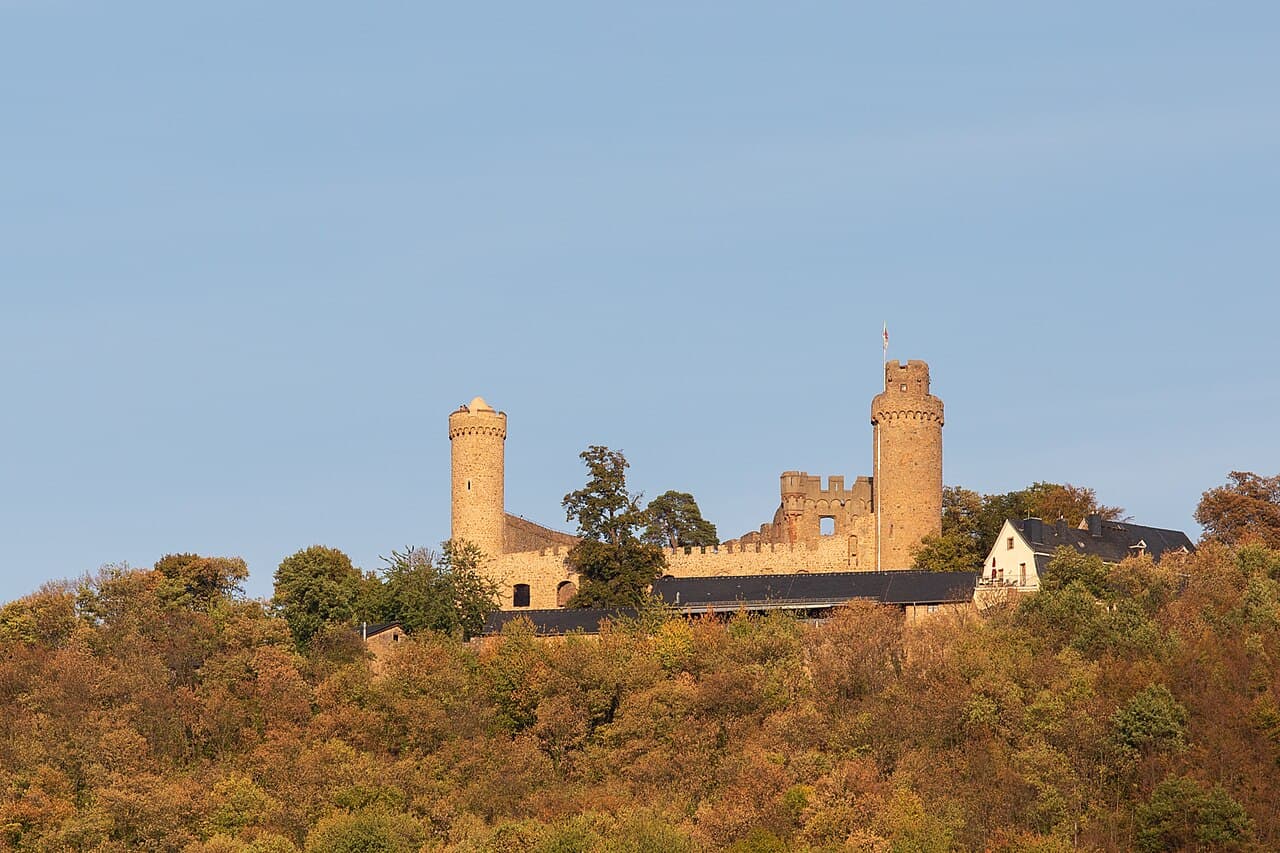
The castle's elevated position on a hill enhanced its defensive capabilities, allowing defenders to spot approaching enemies from a distance. The walls and towers, although partially ruined today, would have been constructed from local stone, providing both durability and imposing presence.
Defensive structures
The castle likely featured curtain walls with battlements, towers for archers and lookouts, and a gatehouse controlling entry. These elements were common in hill castles of the period and contributed to the castle's ability to withstand attacks.
Residential and functional spaces
Within the castle walls, there would have been a keep or donjon serving as the last line of defense and residence for the lord or castellan. Other buildings likely included a great hall for gatherings, chapel, kitchens, and storage rooms, supporting both the military and domestic needs of its inhabitants.
Destruction and restoration
The fire of 1757 greatly damaged the castle, leading to a period of decline. However, the 19th-century reconstruction in 1849 revived the structure, though with alterations that reflected the architectural sensibilities and practical needs of that era rather than a strict medieval restoration.
This restoration allowed the castle to remain a visible landmark and eventually adapt to new functions, including its current use as a restaurant, which attracts tourists and locals alike.
Current status and visitor experience
Today, Auerbach Castle stands as a partially preserved medieval fortress that offers visitors a glimpse into Germany's feudal past. The castle's restaurant provides a unique setting where guests can enjoy regional cuisine while surrounded by historic stone walls and scenic views of the Vogtland countryside.
The castle is accessible to the public, and its location on a hill makes it a popular destination for those interested in medieval architecture, history, and panoramic landscapes. Visitors can explore the remaining structures, learn about the castle's role in regional defense, and appreciate the blend of medieval and 19th-century architectural elements.
Visitor information
- Opening hours: Typically open during restaurant hours; visitors should check local listings for current times.
- Accessibility: The hilltop location requires some walking uphill; suitable footwear is recommended.
- Nearby attractions: The Vogtland region offers additional historical sites and natural beauty for extended visits.
Frequently asked questions (FAQ)
- When was Auerbach Castle originally built?
- Auerbach Castle was originally constructed in the 12th century during the High Medieval period to protect early settlers in the region.
- What defensive features did Auerbach Castle have?
- The castle featured a moat and drawbridge, along with curtain walls and towers typical of hill castles designed for defense during the medieval era.
- What happened to Auerbach Castle in 1757?
- In 1757, Auerbach Castle was severely damaged by a fire, which led to its decline until it was reconstructed in 1849.
- Can visitors dine at Auerbach Castle today?
- Yes, the castle currently houses a restaurant where visitors can enjoy meals within the historic setting of the castle.
- Is Auerbach Castle accessible to the public?
- Yes, Auerbach Castle is open to the public, though visitors should be prepared for a hill climb to reach the site.
Photo gallery

Information
Loading map...
Visitor reviews
No reviews yet. Been here? Write the first review and help other travelers!
Write the first reviewVisited this castle? Share your experience
Your review helps other travelers and adds first-hand knowledge to our encyclopedia.