Auchterhouse Castle
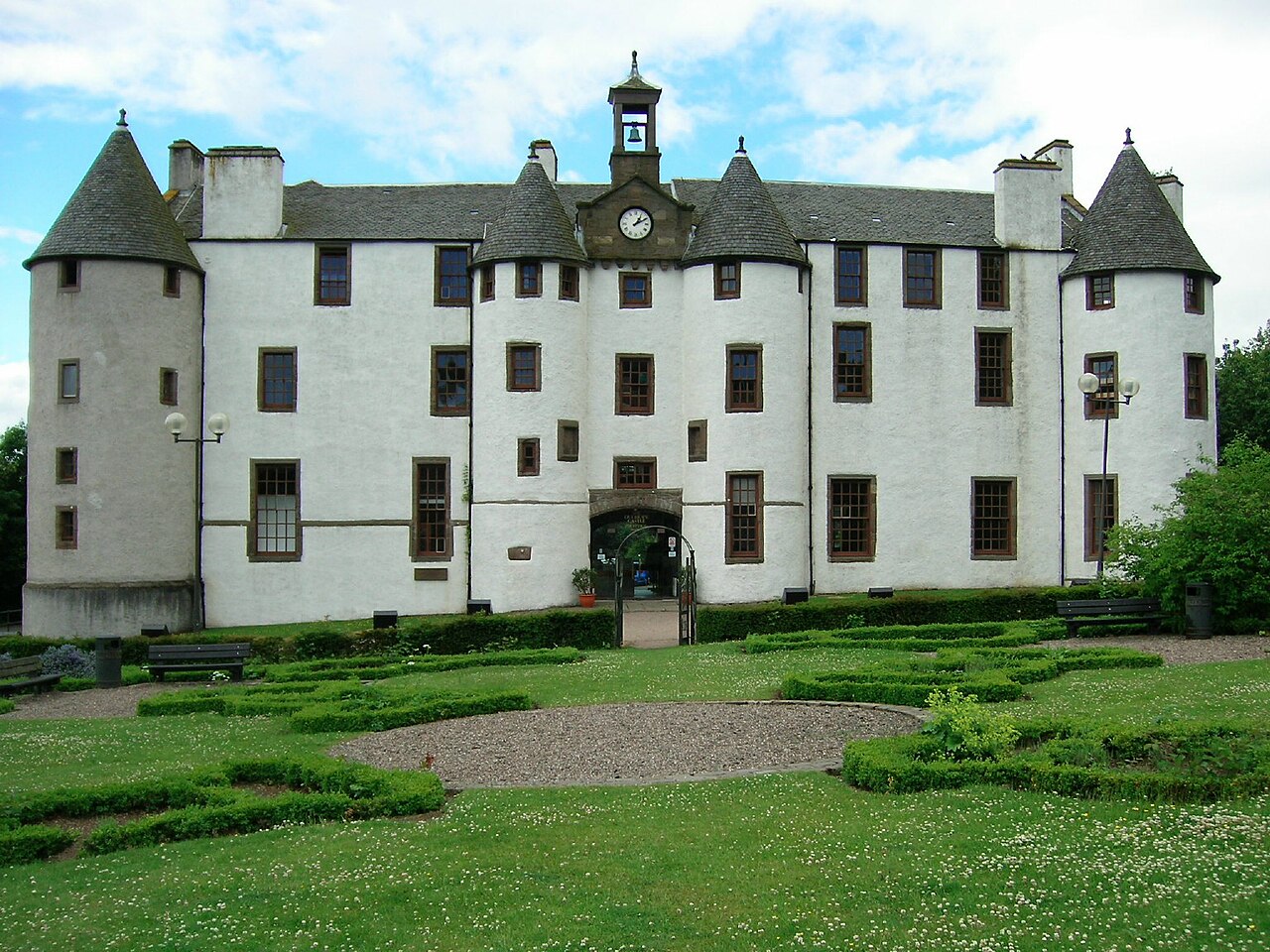
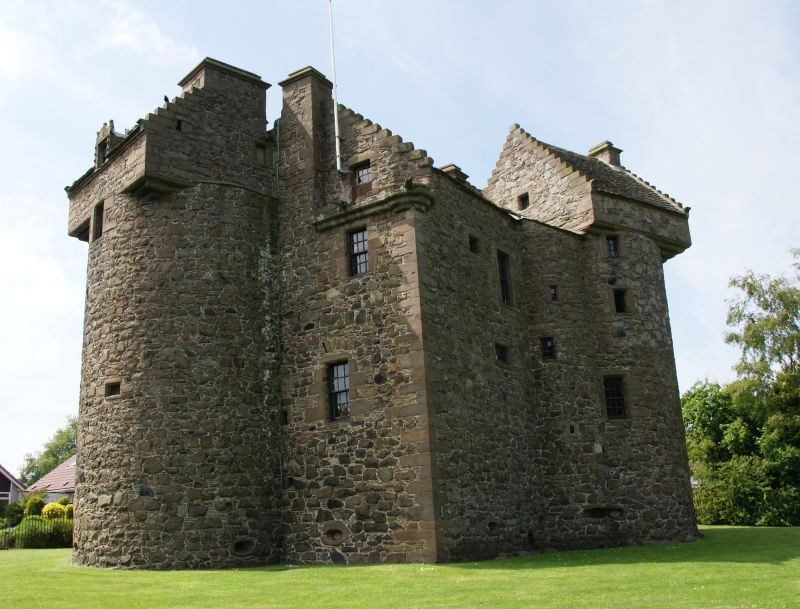
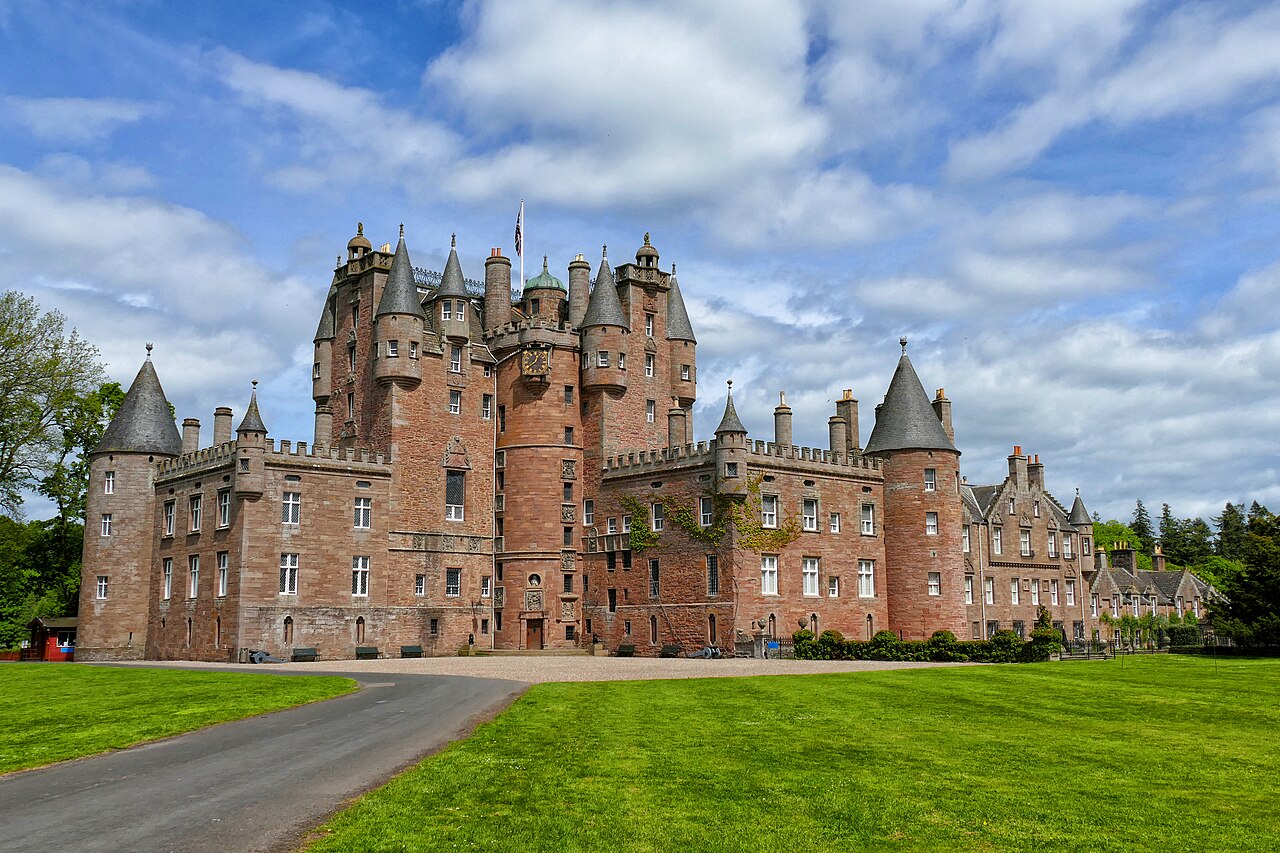
Auchterhouse Castle is a 13th-century medieval fortress located northwest of Dundee in the historic county of Angus, Scotland. This castle was originally constructed during the High Medieval period and exemplifies the typical defensive architecture of that era, featuring enclosing walls, towers, and a central keep. Auchterhouse Castle's strategic location and robust fortifications highlight its role in regional defense and governance during the turbulent medieval centuries.
Architectural features and layout
The castle was designed as a fortified enclosure, with curtain walls surrounding the complex to provide protection against invaders. The presence of multiple towers enhanced its defensive capabilities, enabling archers and lookouts to monitor the surrounding landscape. At the heart of the castle stood a keep, which served as the primary residence and last line of defense. The keep's robust construction and elevated position underscored its importance both militarily and symbolically.
In the 17th century, the castle saw the addition of a tower house, likely commissioned by James Erskine, 7th Earl of Buchan. This later structure introduced elements typical of Scottish tower houses, including more comfortable living quarters and architectural features reflecting the changing needs of castle inhabitants in the post-medieval period.
Historical ownership and significance
The castle is believed to have been under the ownership of the Ramsay family, hereditary Sheriffs of Angus, who played a significant role in the administration and defense of the region. Their stewardship likely influenced the castle's development and maintenance as a noble residence and military stronghold.
Association with sir william wallace
Sir William Wallace, the famed Scottish patriot and military leader, is traditionally said to have stayed at Auchterhouse Castle. One of the castle's towers was named in his honor, reflecting the local reverence for his role in Scotland's struggle for independence during the late 13th and early 14th centuries.
King edward i's visit
On the night of 20 July 1303, King Edward I of England lodged at Auchterhouse Castle during his military campaigns in Scotland. This event underscores the castle's strategic importance during the Wars of Scottish Independence and its role as a site of political and military activity.
17th-century developments and later history
The transition into the 17th century brought architectural modifications under the ownership of James Erskine, 7th Earl of Buchan. The construction of the tower house at Auchterhouse signified a shift from purely defensive structures to residences that balanced security with domestic comfort. This period saw many Scottish castles adapted to changing social and military conditions, and Auchterhouse is a representative example of this evolution.
While much of the original medieval castle is now in ruins or partially preserved, the remnants provide valuable insights into the architectural and historical development of Scottish castles from the medieval through early modern periods.
Cultural heritage and present condition
Today, Auchterhouse Castle stands as a partially preserved site that offers a glimpse into Scotland's feudal past and the architectural styles spanning several centuries. Its association with notable historical figures such as Sir William Wallace and King Edward I enhances its cultural significance. Visitors and scholars alike study the castle to understand the dynamics of medieval Scottish nobility, warfare, and architecture.
The castle's ruins and surviving structures contribute to the rich tapestry of Scotland's historical landscape, making it a point of interest for heritage tourism and academic research.
Frequently asked questions (FAQ)
- What is the historical significance of Auchterhouse Castle?
- Auchterhouse Castle is historically significant as a 13th-century fortress linked to the Ramsay family, Sir William Wallace, and King Edward I, reflecting Scotland's medieval conflicts and noble residences.
- Can visitors access Auchterhouse Castle today?
- The castle is partially preserved and accessible as a historic site, though facilities and visiting hours may vary. Visitors should check local resources for current access information.
- What architectural features are notable at Auchterhouse Castle?
- Notable features include the original enclosing walls, defensive towers, a central keep, and a 17th-century tower house added by James Erskine, illustrating medieval and early modern Scottish castle architecture.
- When was the 17th-century tower house at Auchterhouse Castle built?
- The 17th-century tower house was likely constructed during the ownership of James Erskine, 7th Earl of Buchan, reflecting architectural trends of that period.
- Why is Sir William Wallace associated with Auchterhouse Castle?
- Sir William Wallace is associated with the castle because he is said to have stayed there, and one of the towers was named in his honor, commemorating his role in Scotland's fight for independence.
Information
Loading map...
Visitor reviews
No reviews yet. Been here? Write the first review and help other travelers!
Write the first reviewVisited this castle? Share your experience
Your review helps other travelers and adds first-hand knowledge to our encyclopedia.