Assos Castle
Assos Castle is a prominent Venetian fortification located on the island of Kefalonia in western Greece. Constructed during the Renaissance period between 1593 and 1596, it stands as a remarkable example of military architecture from that era. The castle was designed to serve as a defensive stronghold against both pirate raids and potential Ottoman naval invasions, reflecting the strategic importance of Kefalonia in the eastern Mediterranean under Venetian rule.
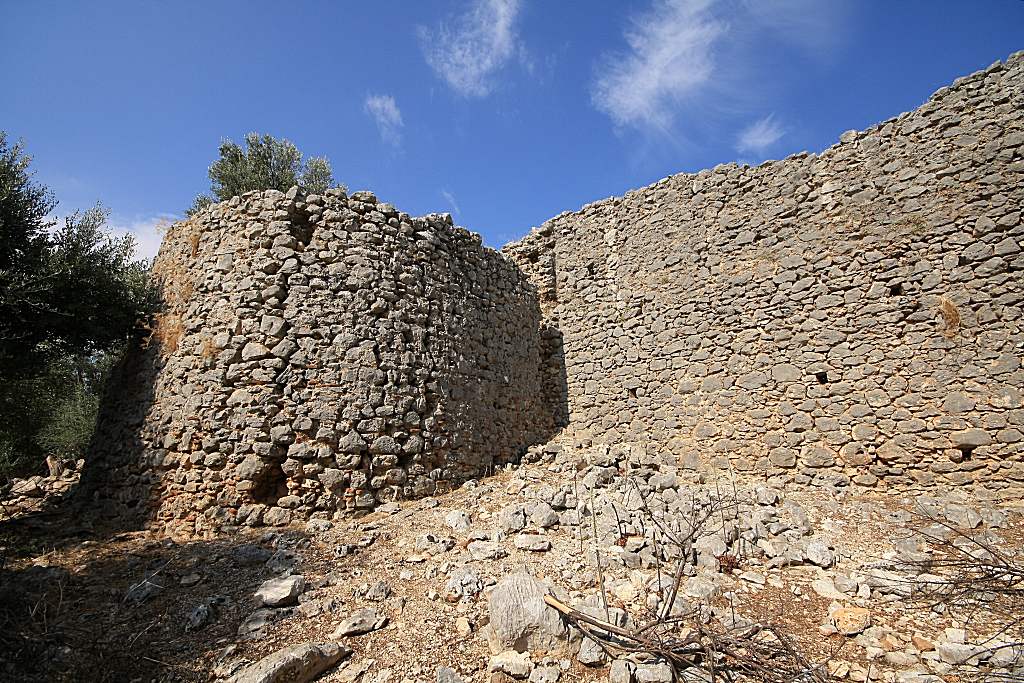
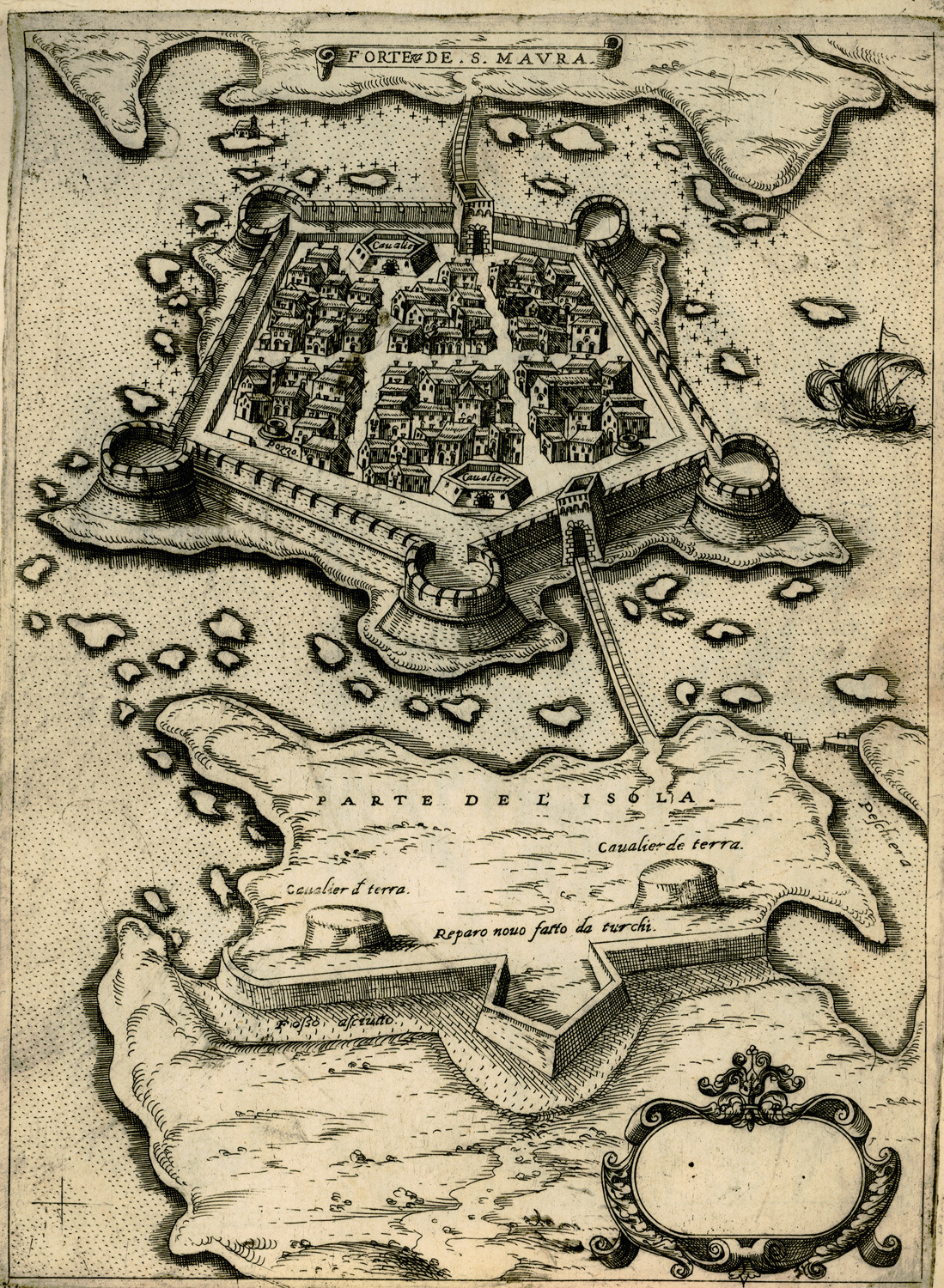
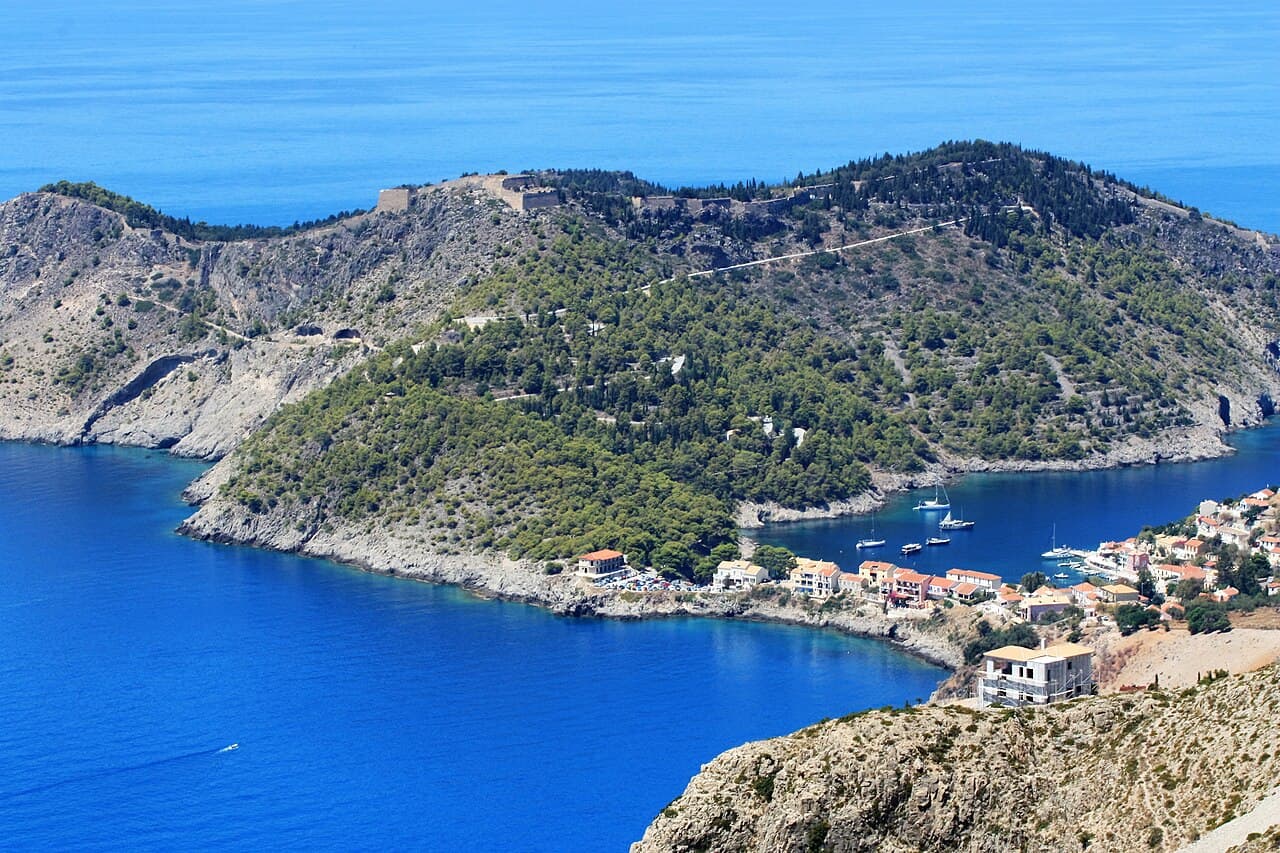
Perched atop a 170-meter-high rocky hill that dominates the entire Assos peninsula, the castle overlooks the bay of Agia Kyriaki to the north of the Paliki region. Its commanding position provided extensive views of the surrounding sea and land, making it an ideal location for surveillance and defense. The fortress is enclosed by formidable defensive walls stretching approximately 2000 meters in length, enclosing an area of about 44,000 square meters. This extensive perimeter was designed to protect the small settlement within and to withstand sieges.
Historical context and construction
During the late 16th century, the Venetian Republic sought to strengthen its control over Kefalonia amid increasing threats from the Ottoman Empire and piracy. The existing Castle of Saint George was deemed insufficient for the island's defense. In 1584, local nobles petitioned the Venetian Senate for a new fortress capable of securing the northern part of the island and serving as a naval base.
Construction of Assos Castle began in 1593 under the supervision of Ambrosius Cornelius, with the design attributed to the Venetian architect Marino Gentillini. Gentillini, who later settled permanently in Kefalonia and married locally, was recognized in the Libro d'Oro of noble families. His legacy continues through the Gentillini winery, which is linked to his descendants.
Architectural features and design
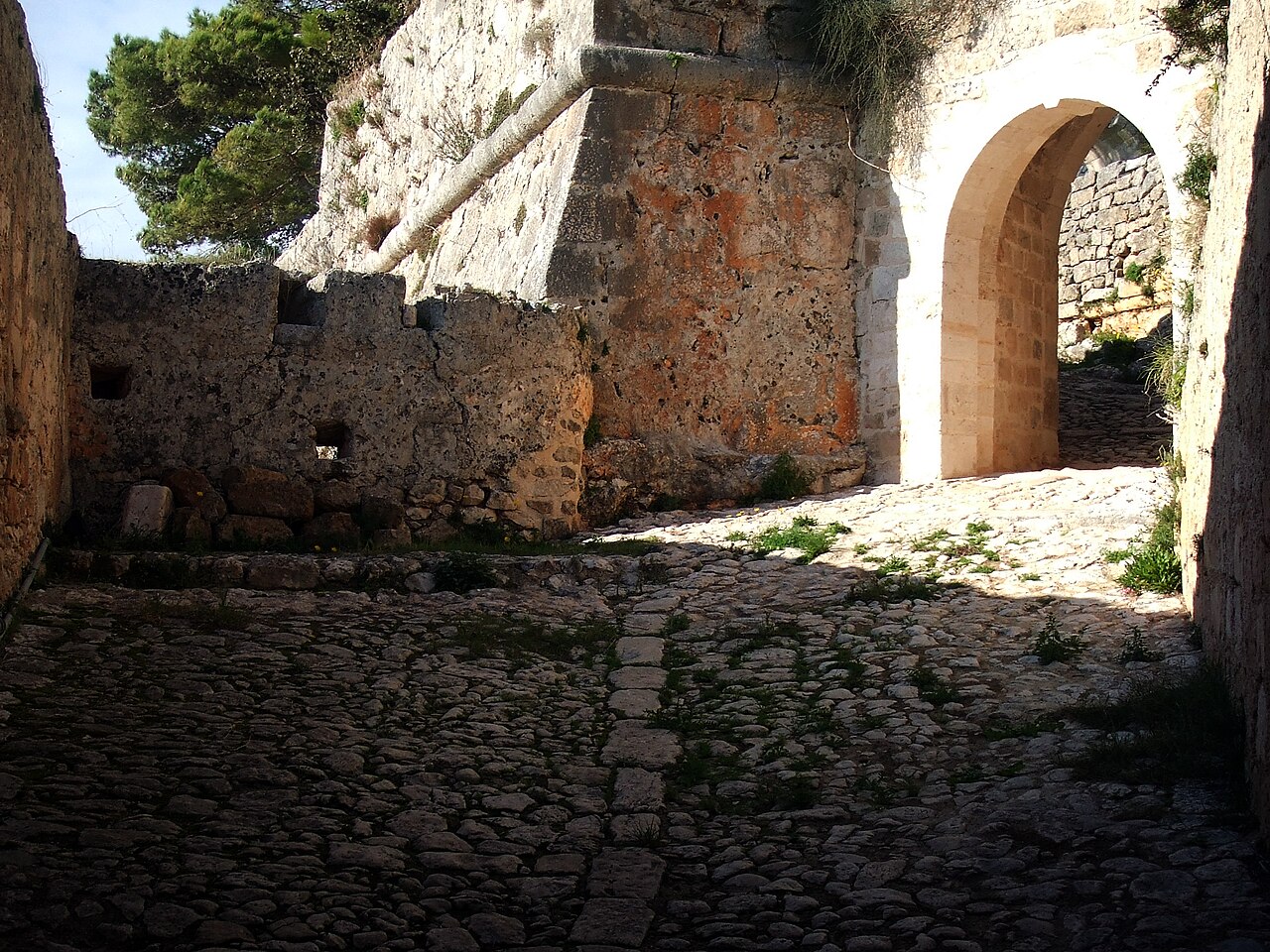
The castle's design reflects Renaissance military architecture principles, emphasizing thick walls, bastions, and strategic placement to maximize defense. The walls incorporate arched gates adorned with the Venetian Lion of Saint Mark, symbolizing Venetian authority. Inside the fortress, visitors can find the ruins of the church of St. Mark and the residence of the Venetian provveditore (high commissioner), highlighting the castle's dual role as a military and administrative center.
The fortress's location on a rocky hilltop meant it was vulnerable to siege tactics that could cut off supplies, especially water. Despite this, Assos served as the capital of northern Kefalonia during its operational period. The castle's extensive walls and elevated position made it a formidable defense point.
Strategic importance and later history
In 1684, following Venetian victories against the Ottoman Turks, including the capture of Lefkas, Assos Castle's strategic importance diminished. The reduction of pirate threats and Ottoman pressure led to the establishment of Argostoli in 1757 as the island's main town, further shifting the island's administrative focus.
Despite this, Assos remained the seat of the Venetian provveditore until the fall of the Venetian Republic at the end of the 18th century. In 1822, the fortress served as a refuge for approximately 1700 Souliotes fleeing conflict, resulting in the creation of a small settlement known as Souli within the castle grounds.
Throughout the 19th and early 20th centuries, Assos Castle lost its military role but remained inhabited. In the late 1920s, the fortress was repurposed as a prison, which housed political prisoners during and after World War II. These inmates cultivated vineyards and cereal crops within the castle grounds.
Impact of the 1953 ionian earthquake
The devastating Ionian Earthquake of 1953 severely damaged the castle and the surrounding region. Following the quake, most residents left the fortress, and the prison was closed. By 1961, only six inhabitants remained, known locally as the Kastrinoi or 'people of the castle,' primarily engaged in olive and grape cultivation. The last resident departed in 1963, marking the end of permanent habitation within the castle walls.
Current condition and visitor experience
Today, Assos Castle stands as a partially preserved monument open to the public daily without an entry fee. Access is provided via a renovated stone path leading up the hill. Visitors can explore significant remnants including the arched entrance gate featuring the Venetian Lion of Saint Mark, sections of the extensive defensive walls, the ruins of the church of St. Mark, and the former residence of the Venetian High Commissioner.
Near the castle lies the small, abandoned church of the Prophet Elias, built in 1888 on the site of an earlier 16th-century church. Adjacent to this are the ruins of a Venetian building once owned by the Gentillini family, further connecting the site to its historical architects.
Assos Castle remains a significant cultural and historical landmark on Kefalonia, offering insight into Venetian military architecture and the island's complex history of defense, administration, and settlement. Its panoramic views and evocative ruins continue to attract visitors interested in the heritage of the Ionian Islands.
Frequently asked questions (FAQ)
- How do I get to Assos Castle on Kefalonia?
- Assos Castle is accessible by a renovated stone path leading up the hill from the village of Assos on Kefalonia. The path is well-maintained but involves a steep climb, so comfortable footwear is recommended.
- What is the best time to visit Assos Castle?
- The best time to visit Assos Castle is during the spring and autumn months when the weather is mild and the site is less crowded. Early mornings and late afternoons offer cooler temperatures and excellent lighting for photography.
- Are there guided tours available at Assos Castle?
- While there are no official guided tours regularly offered at Assos Castle, local guides can be hired in the nearby village of Assos to provide historical context and detailed information about the fortress and its architecture.
- Is Assos Castle wheelchair accessible?
- Due to its hillside location and uneven stone paths, Assos Castle is not wheelchair accessible. Visitors should be prepared for a physically demanding visit involving walking on rough terrain.
- What are the main architectural features of Assos Castle?
- Assos Castle features extensive defensive walls stretching 2000 meters, bastions, an arched entrance gate with the Venetian Lion of Saint Mark, ruins of the church of St. Mark, and the residence of the Venetian provveditore.
- Can I visit the church of the Prophet Elias near Assos Castle?
- The church of the Prophet Elias near Assos Castle is small and abandoned, built in 1888 on the ruins of a 16th-century church. It can be viewed from outside, but it is not maintained for public entry.
- Why was Assos Castle built?
- Assos Castle was built in the late 16th century to strengthen Kefalonia's defenses against Ottoman naval threats and pirate raids, as the existing Castle of Saint George was insufficient for protecting the entire island.
Photo gallery

Information
Opening hours
Daily, dawn to dusk
Ticket prices
Free
Current owner
Municipality
Loading map...
Visitor reviews
No reviews yet. Been here? Write the first review and help other travelers!
Write the first reviewVisited this castle? Share your experience
Your review helps other travelers and adds first-hand knowledge to our encyclopedia.