Aspremont-Lynden Castle
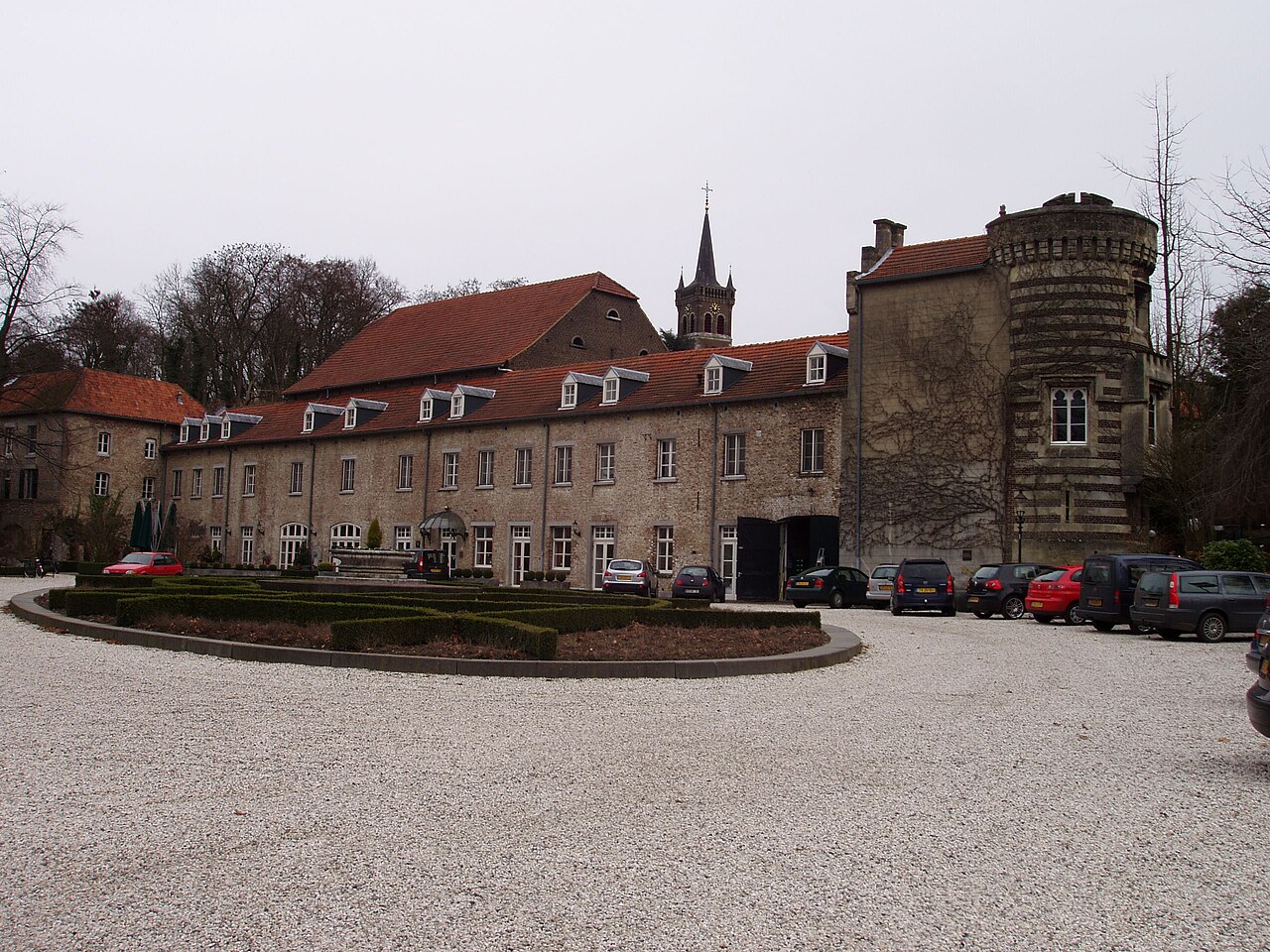
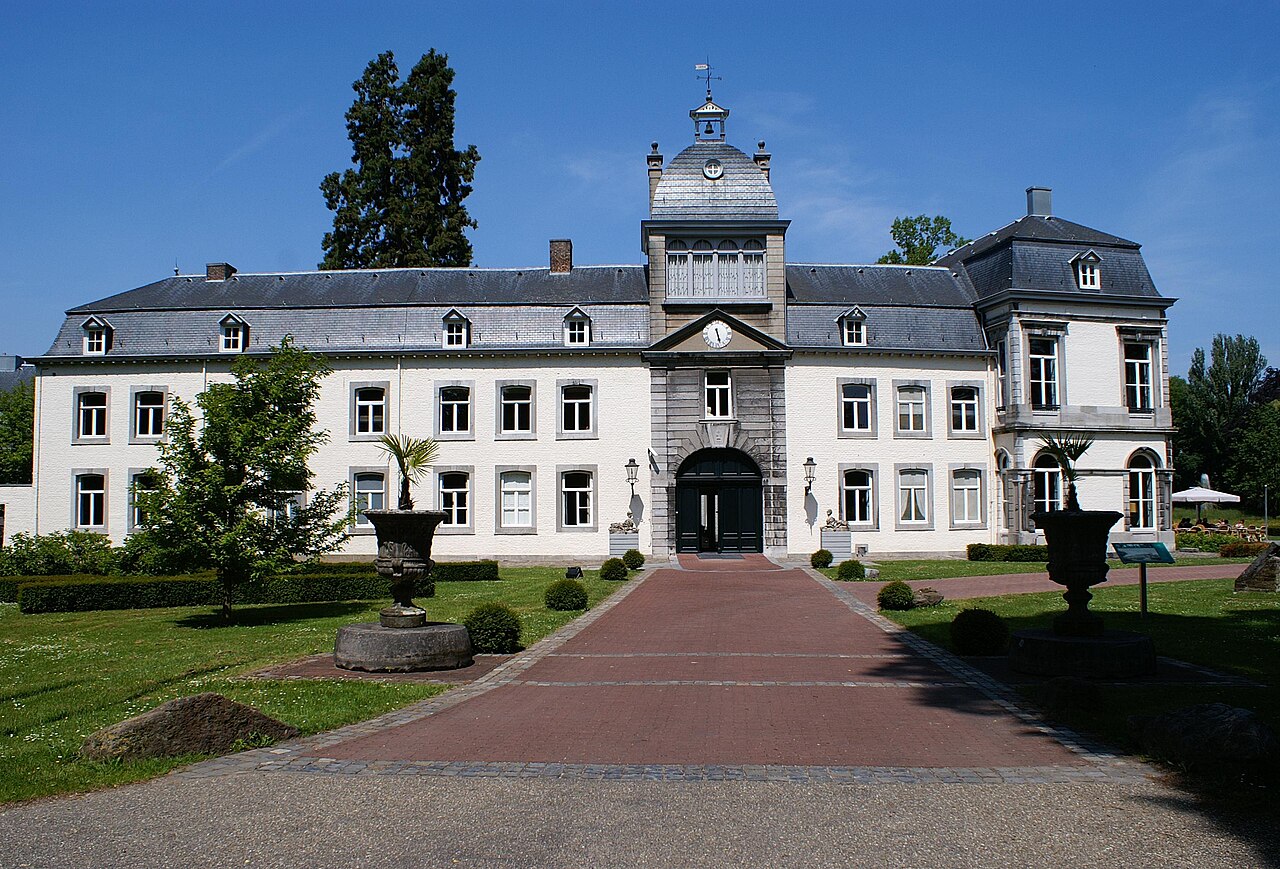
Aspremont-Lynden Castle, known locally as Kasteel d'Aspremont-Lynden, is a prominent historic castle located in the village of Oud-Rekem in the province of Limburg, within the Flemish region of Belgium. This castle stands on a site with a long history of fortification, originally established as a motte castle in the 10th century. Its strategic position and architectural evolution reflect the changing needs and styles of fortifications and noble residences in the region over many centuries.
Early fortifications and medieval development
The first fortification at the site was a typical early medieval motte castle, characterized by a raised earthwork mound topped with wooden or stone structures, common in the 10th century for defense and control of the surrounding territory. Around the mid-14th century, approximately 1350, this initial structure was replaced by a more substantial oval-shaped stone castle. This second castle served as a fortified noble residence and was inhabited until 1507, after which it gradually fell into ruin, reflecting the turbulent political and military changes of the late medieval period.
Renaissance reconstruction and architectural style
In the late 16th century, around 1595, the castle underwent a significant transformation under the direction of Count Herman d'Aspremont-Lynden. He commissioned the construction of a new castle on the foundations of the previous medieval structure. This third incarnation was built in the distinctive Mosan-Renaissance style, a regional architectural expression combining Renaissance elements with local traditions from the Meuse valley (Maasland). This style is noted for its decorative brickwork, stone detailing, and harmonious proportions, marking a shift from purely defensive architecture to more comfortable and prestigious noble residences.
Architectural features of the Mosan-Renaissance castle
The castle features an irregular layout adapted to the existing foundations, with characteristic Renaissance elements such as ornate gables, stone-framed windows, and decorative cornices. The use of brick combined with natural stone accents is typical of the Mosan style. The castle's gate building remains notable and currently houses a restaurant, providing visitors with a tangible connection to the castle's historic fabric.
Historical uses and transformations from the 18th to 20th centuries
During the French Revolutionary Wars in 1792, Aspremont-Lynden Castle was seized by French forces and repurposed as a military hospital until 1795. This period marked the beginning of significant changes to the castle's structure and function. Following the military use, large parts of the castle were demolished, reflecting the decline of its original residential purpose.
In the 19th century, the remaining castle buildings served various social functions. From the early 1800s until 1890, the castle was used as an institute for beggars, illustrating its adaptation to social welfare roles. Subsequently, between 1891 and 1904, it functioned as a re-education home for boys, continuing its role in social care.
Following extensive renovations, the castle became a state psychiatric institution until 1974. This use further altered the interior and exterior to meet institutional needs. After 1974, the castle changed ownership multiple times, with various proposals for its use, including an unsuccessful plan to convert the cellars into a cinema.
Current status and visitor information
Today, Aspremont-Lynden Castle remains a partially restored historic site with ongoing challenges in funding for comprehensive restoration and research. It is intermittently used for exhibitions and cultural events, allowing public access during these occasions. The gate building operates as a restaurant, providing visitors with amenities while experiencing the castle's historic ambiance.
Visitors interested in exploring Aspremont-Lynden Castle should plan to visit during special exhibitions or events, as regular public access is limited. The castle's layered history, from its early medieval origins to its Renaissance reconstruction and modern adaptations, offers a rich narrative of architectural and social evolution in the Limburg region.
The castle's place in regional history and architecture
Aspremont-Lynden Castle is an important example of the transition from medieval fortifications to Renaissance noble residences in the Meuse valley. Its architectural features embody the Mosan-Renaissance style, which blends local building traditions with Renaissance aesthetics, making it a valuable cultural landmark in Belgium. The castle's varied uses over the centuries also reflect broader social and political changes, from feudal lordship through revolutionary upheaval to modern institutional functions.
The castle's survival, despite partial demolition and changes in use, underscores the challenges faced by many historic buildings in balancing preservation with contemporary needs. Its current intermittent use for cultural events helps maintain public interest and awareness of its historical significance.
Frequently asked questions (FAQ)
- When was Aspremont-Lynden Castle originally built?
- Aspremont-Lynden Castle was originally established as a motte castle in the 10th century, marking its early medieval origins.
- What architectural style characterizes Aspremont-Lynden Castle?
- The current castle is built in the Mosan-Renaissance style, a regional Renaissance architectural style from the Meuse valley, dating from the late 16th century.
- Can visitors tour Aspremont-Lynden Castle year-round?
- Aspremont-Lynden Castle is only open to the public during special exhibitions and events; regular year-round tours are not available.
- What are some historical uses of the castle besides being a noble residence?
- The castle has served as a military hospital during the French Revolutionary Wars, an institute for beggars, a re-education home for boys, and a state psychiatric institution.
- Is there a restaurant on site at Aspremont-Lynden Castle?
- Yes, the gate building of Aspremont-Lynden Castle currently houses a restaurant, offering visitors a place to dine within the historic setting.
Information
Loading map...
Visitor reviews
No reviews yet. Been here? Write the first review and help other travelers!
Write the first reviewVisited this castle? Share your experience
Your review helps other travelers and adds first-hand knowledge to our encyclopedia.