Vaeshartelt Castle
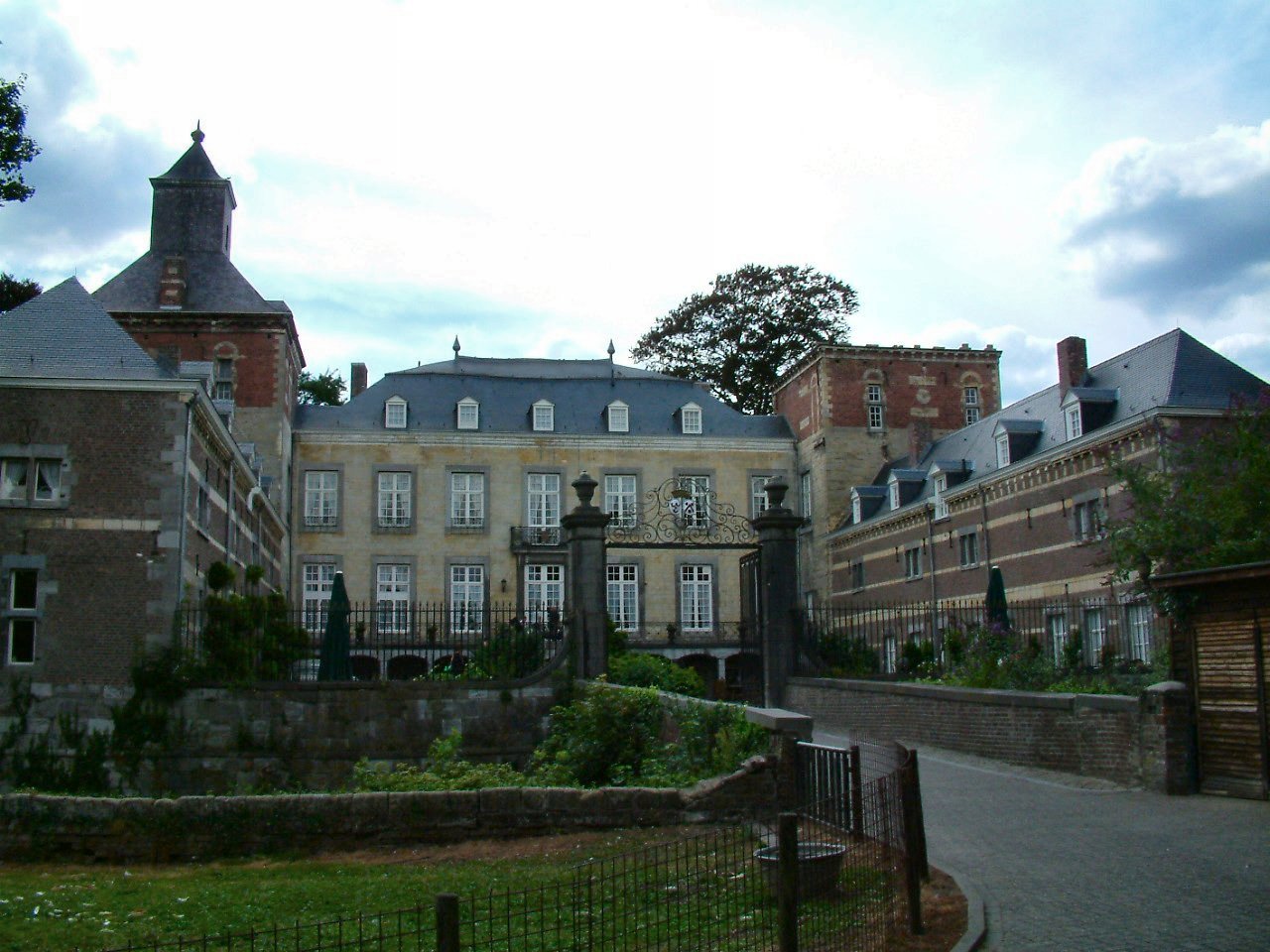
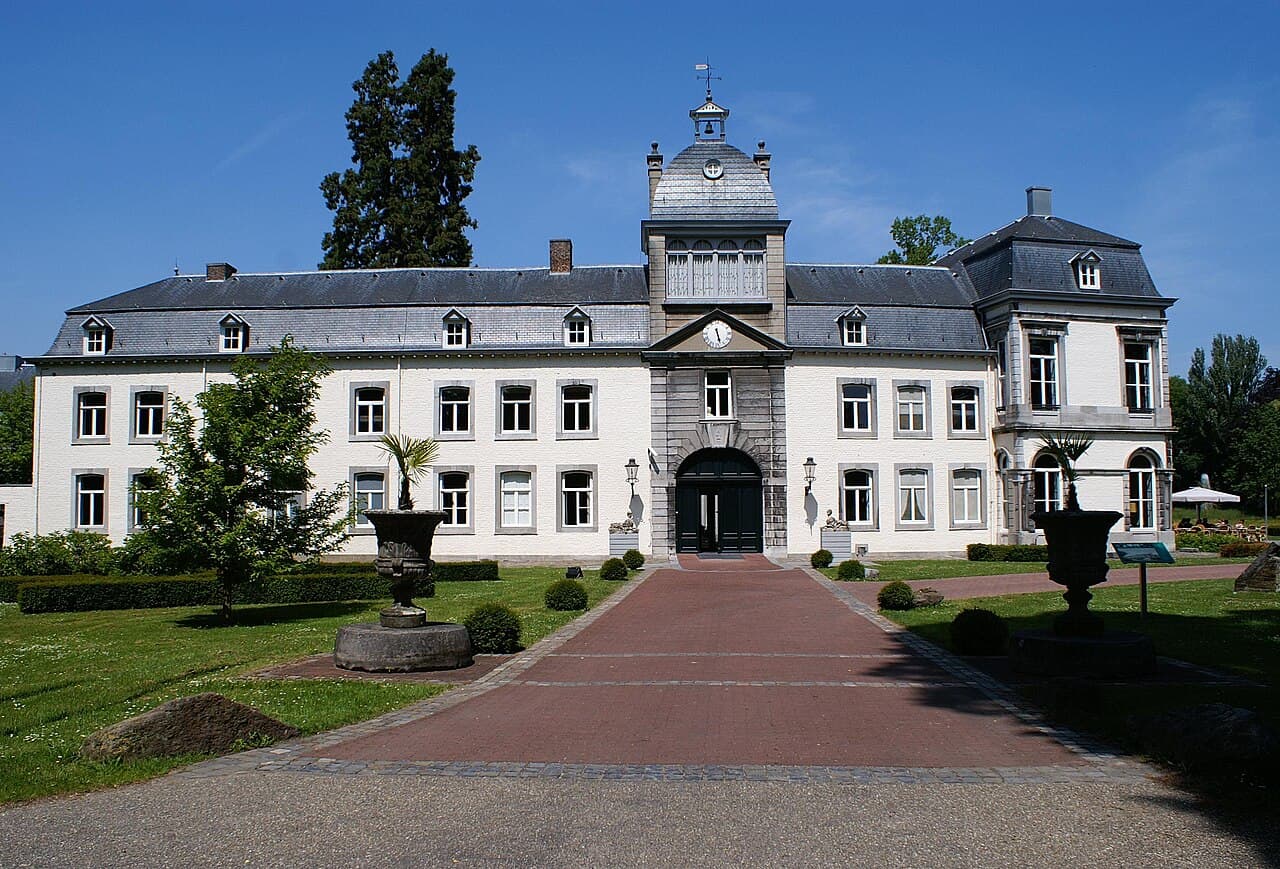
Vaeshartelt Castle, located in the Netherlands, is a notable example of an 18th-century hill castle that reflects the architectural and landscaping trends of the post-Renaissance period. This castle is distinguished by its elegant design and the integration of formal gardens, which were a hallmark of aristocratic estates during this era.
Historical background and construction
The origins of Vaeshartelt Castle date back to the 18th century, a time when many Dutch noble families built country estates that combined residential comfort with defensive features. Although the castle is classified as a hill castle, it was primarily constructed as a stately home rather than a military fortress. The castle was built to serve as a residence for wealthy landowners and to showcase their status through refined architecture and landscaped grounds.
Architectural features and style
Vaeshartelt Castle exemplifies the post-Renaissance architectural style, characterized by symmetry, proportion, and classical elements adapted to local tastes. The castle's structure includes a prominent main building with balanced windows and a hipped roof, typical of the period. The use of brick and natural stone materials aligns with Dutch construction practices of the time.
Layout and structural components
The castle is situated on a gentle hill, providing a commanding view of the surrounding landscape. Its design incorporates formal gardens and avenues that extend from the main building, emphasizing harmony between architecture and nature. The grounds feature ornamental ponds and tree-lined paths, reflecting the influence of French and English garden design trends that were popular in the 18th century.
Gardens and landscape design
The landscaped gardens of Vaeshartelt Castle are a significant aspect of its heritage. They include geometric parterres, water features, and carefully arranged greenery that enhance the visual appeal of the estate. The gardens were designed not only for aesthetic pleasure but also to demonstrate the owner's wealth and cultural sophistication.
Influence of garden styles
The garden layout shows elements of both the French formal garden style, with its emphasis on order and symmetry, and the emerging English landscape garden style, which favored naturalistic arrangements and picturesque views. This blend illustrates the transitional period of garden design in the 18th century.
Preservation and current status
Vaeshartelt Castle remains in well-preserved condition, retaining much of its original architectural integrity and garden layout. The estate is valued for its cultural and historical significance in the Netherlands. It is accessible to visitors who wish to explore its elegant interiors and extensive grounds, which offer insight into the lifestyle of the Dutch nobility in the 18th century.
Visitor experience
Visitors to Vaeshartelt Castle can enjoy guided tours that highlight the castle's architectural details, historical context, and the artistry of its gardens. The estate often hosts cultural events and exhibitions that celebrate regional heritage and promote conservation awareness.
Frequently asked questions (FAQ)
- What is the historical significance of Vaeshartelt Castle?
- Vaeshartelt Castle is an 18th-century estate that exemplifies post-Renaissance Dutch architecture and landscape design, reflecting the lifestyle of the nobility during that period.
- Can I visit the gardens at Vaeshartelt Castle?
- Yes, the castle's formal gardens are open to visitors and feature a blend of French and English garden styles, showcasing 18th-century landscaping trends.
- Is Vaeshartelt Castle well preserved?
- The castle is well preserved, maintaining much of its original structure and garden layout, allowing visitors to experience its historical ambiance.
- When was Vaeshartelt Castle built?
- Vaeshartelt Castle was constructed in the 18th century, during the post-Renaissance period.
- What type of castle is Vaeshartelt?
- Vaeshartelt Castle is classified as a hill castle, built on elevated ground to enhance its prominence and views.
Photo gallery

Information
Loading map...
Visitor reviews
No reviews yet. Been here? Write the first review and help other travelers!
Write the first reviewVisited this castle? Share your experience
Your review helps other travelers and adds first-hand knowledge to our encyclopedia.