Aspelt Castle
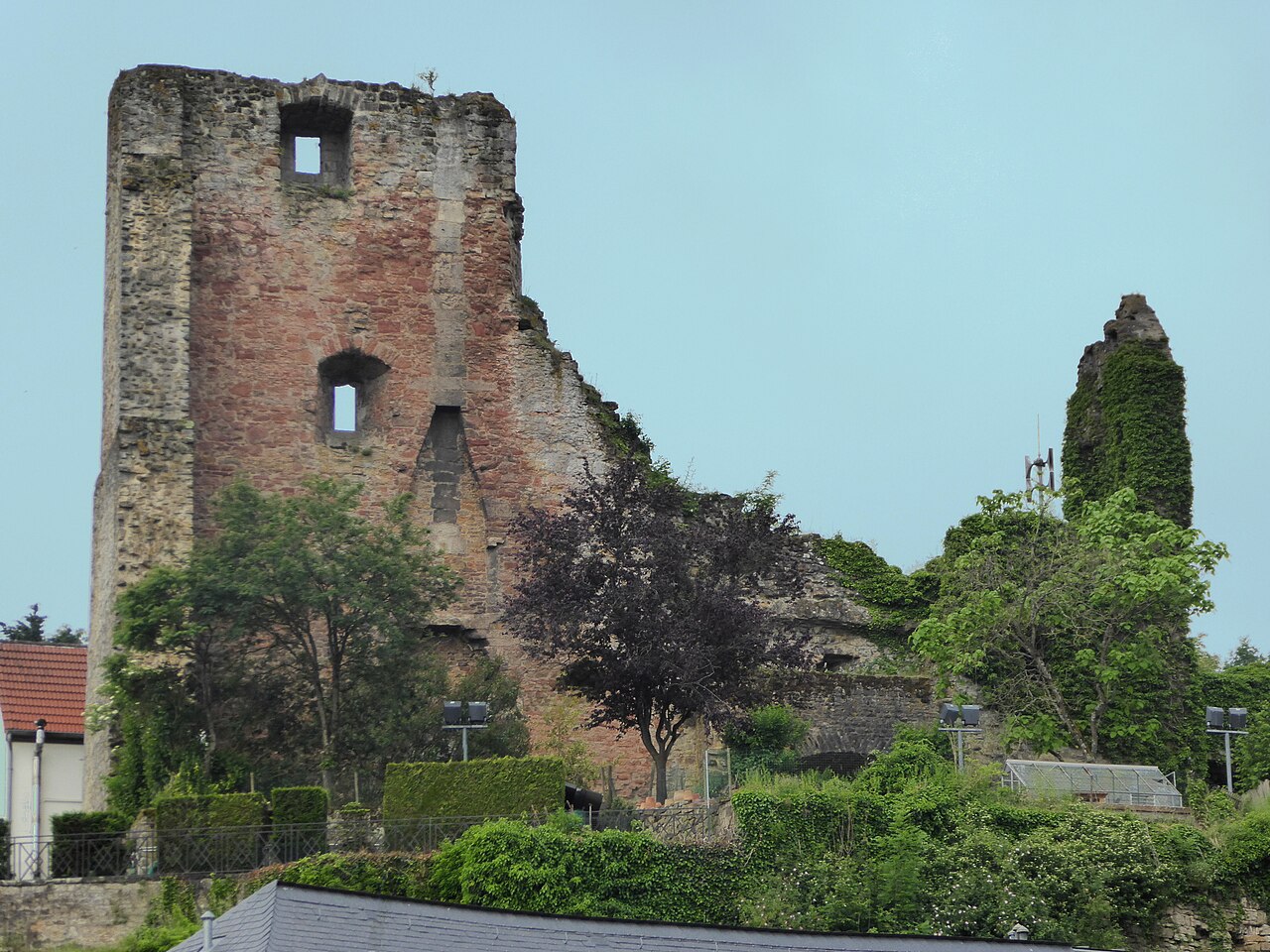
Aspelt Castle stands as a remarkable example of architectural evolution, blending medieval fortifications with Renaissance and Baroque residential design. Located in the village of Aspelt within the commune of Frisange in Luxembourg, the castle's origins trace back to the 11th century, with archaeological and historical evidence suggesting the site may have been occupied since Roman times. This layered history has left a rich architectural and cultural legacy that continues to captivate visitors and scholars alike.
The earliest known fortified structure at the site was a medieval water castle, characterized by defensive moats and strategic positioning typical of the 11th century. The first documented mention of the castle appears in the Echternach Chronicle of 1132, authored by Theoderich von Wied, indicating the castle's significance in the region's medieval history. Over the centuries, the castle underwent numerous transformations, reflecting changing architectural styles and the evolving needs of its inhabitants.
Medieval origins and gothic architectural features
The foundations of Aspelt Castle are deeply rooted in the medieval period. Archaeological studies and historical accounts confirm that the castle was initially constructed as a fortified water castle, surrounded by moats that provided natural defense. This form of fortification was common in the 11th century, emphasizing protection against sieges and invasions.
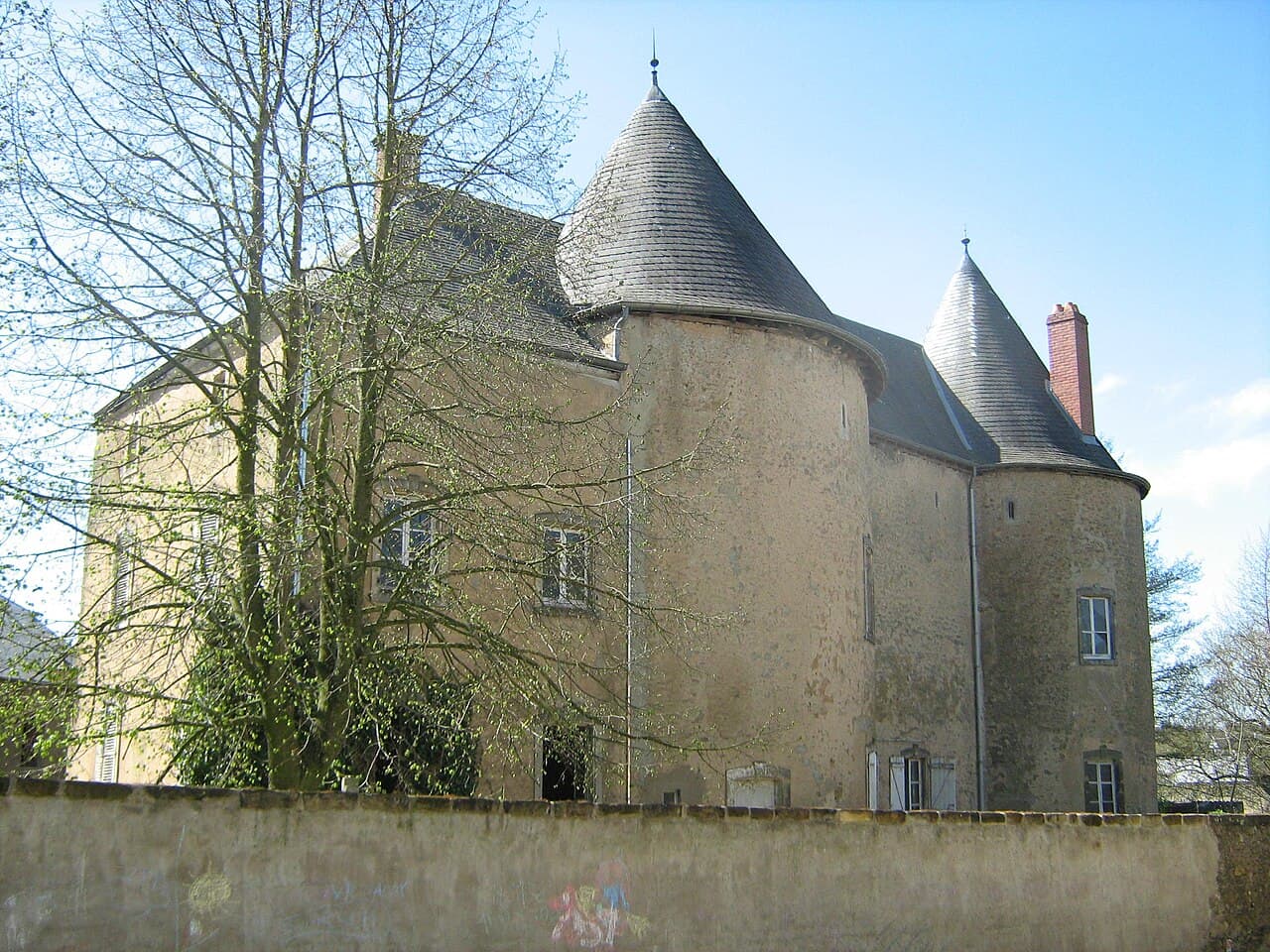
By the 14th century, the castle saw the addition of its distinctive round Gothic towers. These towers, built with robust stone masonry, embody the military architectural style of the Gothic era, designed not only for defense but also to project power and prestige. The round shape was particularly effective in deflecting projectiles and preventing blind spots, a tactical advantage in medieval warfare.
One of the castle's notable features is the vaulted cellar beneath the main building. This cellar, with its arched stone construction, is one of the oldest surviving structural elements and provides insight into the functional aspects of the castle during its medieval phase. The inner courtyard, originally a utilitarian space, has been transformed into a village square, connecting the castle's historical fabric with the contemporary community.
Renaissance transformation and baroque enhancements
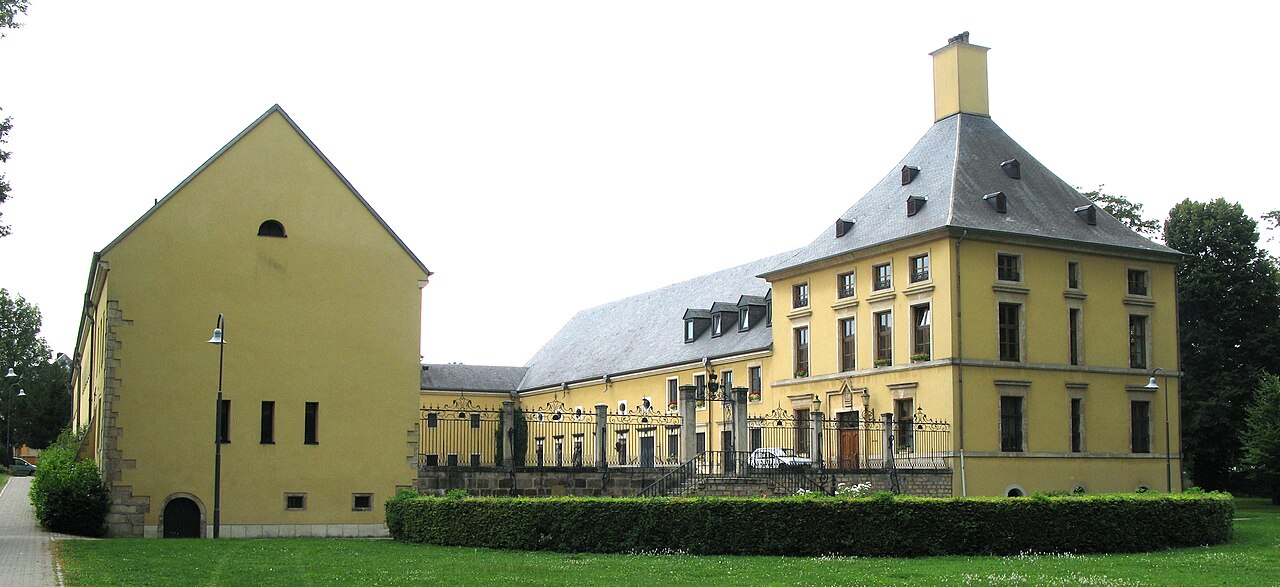
The castle underwent a significant transformation in 1590 when the Ruelle, Kempt, and Burthé families completed the construction of the current residence. This period marked a shift from purely defensive architecture to a more comfortable and prestigious Renaissance-style home. The design integrated elements that emphasized symmetry, proportion, and classical motifs, aligning with the broader European Renaissance movement.
In 1777, the Martiny family further enhanced the castle by expanding its structure and installing new Baroque windows in the towers. These windows featured larger glass panes and ornate frames typical of the Baroque period, introducing a decorative contrast to the castle's medieval and Renaissance elements. This blend of styles illustrates the castle's continuous adaptation to the tastes and requirements of its owners.
Modern adaptations and cultural significance
After centuries of private ownership, Aspelt Castle was acquired by the commune of Frisange in 1992, marking a new chapter focused on preservation and public engagement. Since 2010, the commune has undertaken extensive renovations to maintain the castle's structural integrity and adapt its facilities for contemporary use.
The castle grounds have been thoughtfully repurposed to serve the community while respecting the historical context. The southern barns were converted into a central building and a festival hall, featuring seating for 110 people and a bar area, making it a vibrant venue for cultural events. The western barns now house a village shop and holiday apartments, blending modern amenities with the castle's heritage.
A remarkable recent discovery on the castle grounds is a Renaissance sundial measuring over one meter wide, found on the former parsonage wall. This artifact is believed to have originally adorned an entrance or the doorway of a family chapel built in 1514, providing a tangible connection to the scientific and artistic practices of the Renaissance era.
In recognition of its historical and architectural value, Aspelt Castle was officially designated a national monument on December 2, 2011. This status underscores its importance as a cultural heritage site in Luxembourg, attracting visitors interested in history, architecture, and preservation.
Architectural layering and preservation efforts
Aspelt Castle exemplifies the concept of architectural layering, where successive periods and styles coexist within a single complex. The medieval foundations and Gothic towers provide a sturdy framework upon which Renaissance and Baroque elements were later superimposed. This amalgamation offers a unique opportunity to study the evolution of castle architecture from defensive stronghold to elegant residence.
The restoration of the southwest tower's ground floor in 1957 was a crucial step in preserving the castle's medieval character. Such efforts have continued into the 21st century, with renovations focusing on the roof and outbuildings to prevent deterioration and adapt the site for modern use.
The castle's integration into the community through adaptive reuse has ensured its survival and relevance. The transformation of agricultural buildings into functional spaces for social and commercial activities demonstrates a sustainable approach to heritage conservation.
Historical context and regional importance
Situated in the Grand Duchy of Luxembourg, Aspelt Castle holds a significant place in the region's history. Its long-standing presence since at least the 11th century reflects the strategic importance of the site, likely chosen for its defensible position on a hill and proximity to important routes.
The castle's mention in early chronicles and its architectural features testify to its role as a local power center, residence of noble families, and a symbol of authority. The discovery of Roman foundations hints at the site's importance even before the medieval period, suggesting continuity of occupation and strategic use.
Today, Aspelt Castle serves not only as a monument of architectural and historical interest but also as a vibrant cultural hub that connects the past with the present community life in Aspelt and the wider Frisange commune.
Frequently asked questions (FAQ)
- What is the historical significance of Aspelt Castle?
- Aspelt Castle, located in the picturesque village of Aspelt, Luxembourg, dates back to the 13th century and is a remarkable example of medieval architecture. It served as a strategic fortification during various feudal conflicts and has been an integral part of the region's history.
- When was Aspelt Castle built?
- Aspelt Castle was constructed in the early 13th century, with its foundations laid around 1220. Over the centuries, it has undergone several renovations, reflecting the architectural styles of different periods.
- What are the opening hours for Aspelt Castle?
- Aspelt Castle is open to visitors from April to October, with hours typically from 10 AM to 6 PM. It is advisable to check the official website for any updates or changes to the schedule.
- Can I take guided tours of Aspelt Castle?
- Yes, guided tours are available at Aspelt Castle, providing visitors with an in-depth understanding of its history and architecture. These tours are usually conducted in multiple languages, making it accessible for international visitors.
- Is Aspelt Castle accessible for visitors with disabilities?
- Aspelt Castle strives to be accessible for all visitors, but due to its historical nature, some areas may present challenges. It is recommended to contact the castle administration in advance to inquire about specific accessibility options.
- What is the best time to visit Aspelt Castle?
- The best time to visit Aspelt Castle is during the spring and early fall when the weather is pleasant, and the surrounding gardens are in full bloom. This allows for an enjoyable exploration of the castle and its scenic views.
- Are there any nearby attractions to visit along with Aspelt Castle?
- Yes, visitors can explore several nearby attractions, including the beautiful Moselle Valley and the charming town of Remich. These locations offer a variety of recreational activities and cultural experiences, making for a perfect day trip.
- How much are the ticket prices for Aspelt Castle?
- Ticket prices for Aspelt Castle are generally affordable, with discounts available for students and seniors. It's best to check the official website for the latest pricing information and any special offers that may be available.

Information
Website
Visit websiteSources & official resources
Verify the information above using these authoritative references.
Loading map...
Visitor reviews
No reviews yet. Been here? Write the first review and help other travelers!
Write the first reviewVisited this castle? Share your experience
Your review helps other travelers and adds first-hand knowledge to our encyclopedia.