Roussy Castle
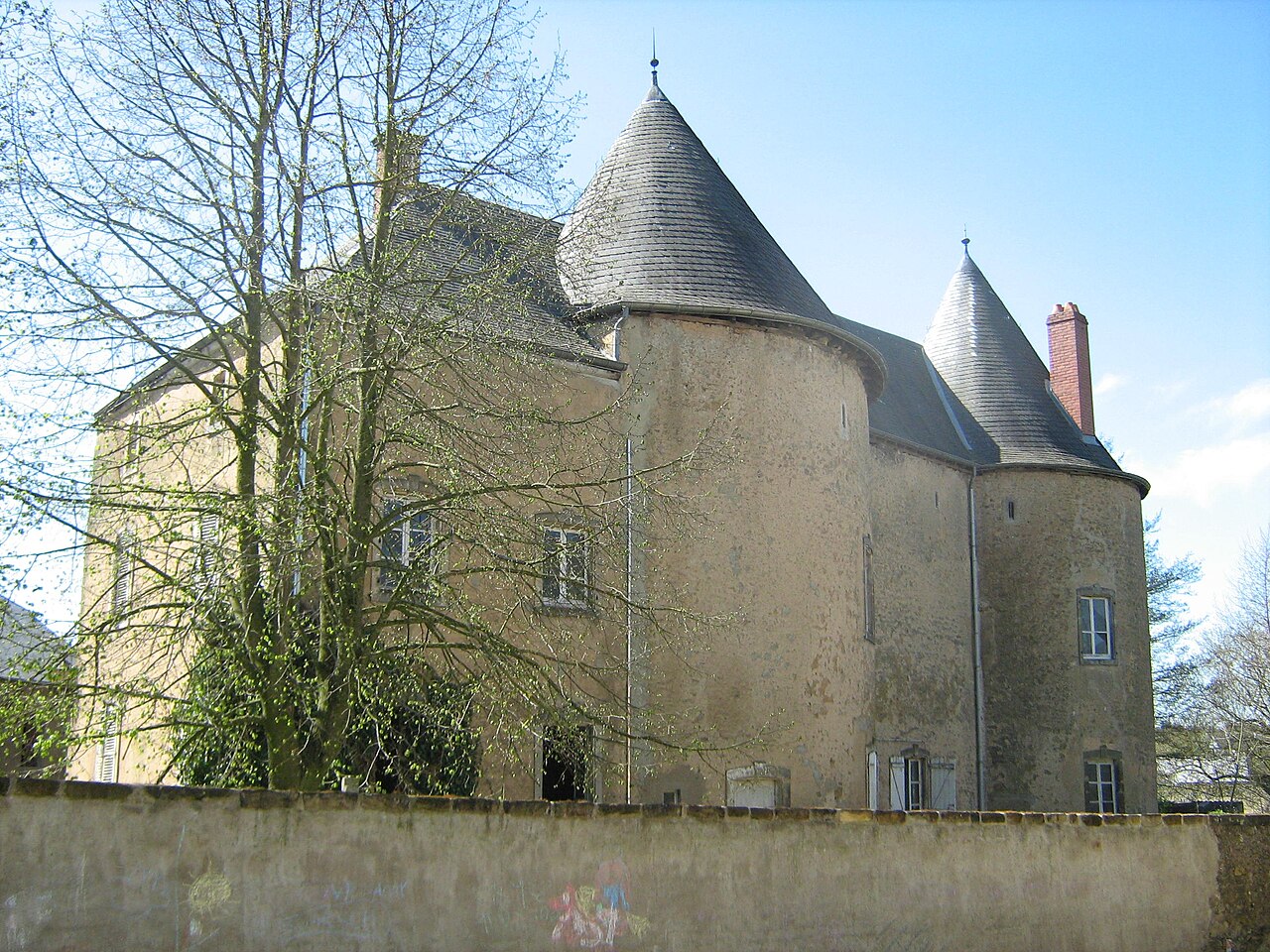
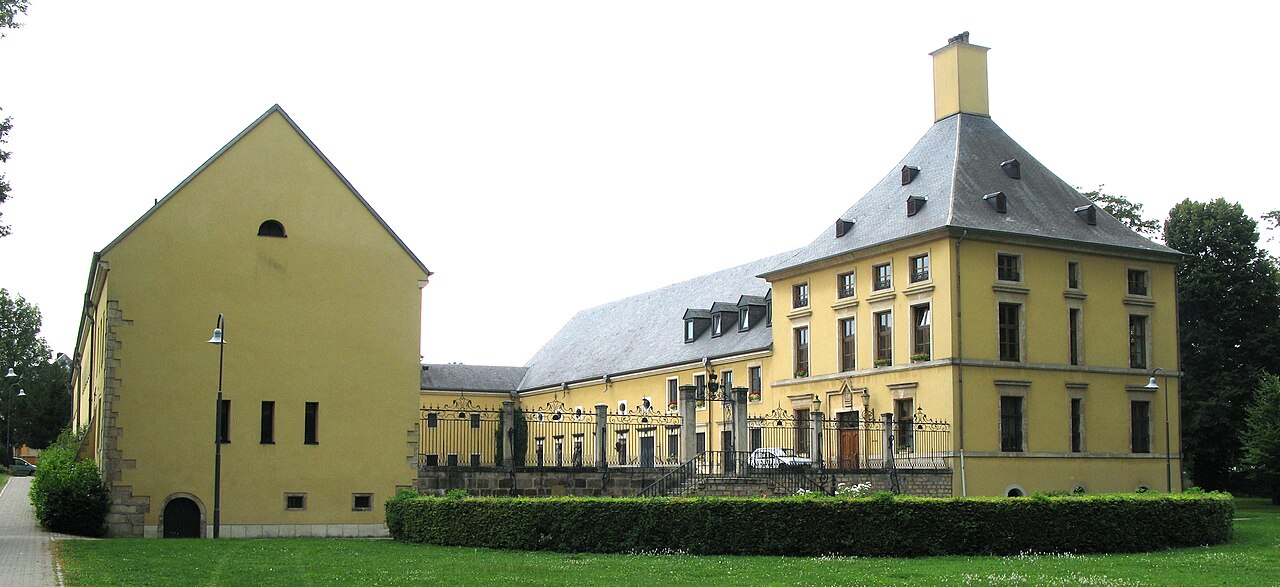
Roussy Castle, known locally as Château de Roussy, is a notable medieval castle complex located in the hamlet of Roussy-le-Bourg within the Moselle department of northeastern France. This site is unique for comprising two contiguous castles, a rare architectural and historical feature that reflects the complex feudal dynamics of the Middle Ages in this region.
Historical background and feudal significance
The first documented mention of Roussy Castle dates back to 1131, situating its origins firmly in the high medieval period. The castle complex consists of two distinct parts: Roussy-Seigneurie and Roussy-Comté, each serving different feudal functions. This duality is a direct consequence of the political fragmentation and feudal rivalries that characterized medieval Europe, particularly in border regions such as Moselle.
Roussy-Seigneurie Castle was originally constructed in the 12th century and underwent significant rebuilding in the 13th century. It functioned as the seat of the feudal lord governing the Seigniory of Roussy, a territorial jurisdiction typical of medieval lordships. This castle exemplifies the defensive and residential architecture of its time, with features designed to assert lordly authority and provide protection.
The adjoining Roussy-Comté Castle, also referred to as Custine Castle, was built later in the 13th century. It served as the residence of the Count of Roussy County, a higher-ranking noble title than that of the seigneur. The castle was likely rebuilt during the 14th century to enhance its fortifications and residential comfort. However, it suffered extensive damage during the Thirty Years' War in the early 17th century, a devastating conflict that affected much of central Europe.
Architectural features and evolution
The two castles together illustrate the evolution of medieval fortification and noble residence architecture. Roussy-Seigneurie retains elements typical of 12th-century military architecture, including thick defensive walls, narrow windows for archers, and a compact layout optimized for defense. The rebuilding in the 13th century introduced refinements that reflected advances in siege warfare and living standards.
Roussy-Comté Castle contrasts with its neighbor by displaying architectural modifications that hint at a transition from purely military functions to more residential and administrative uses. After its 14th-century reconstruction, it featured larger windows and more elaborate living quarters, signaling a shift towards comfort and status display. Today, the castle resembles more a stately residence than a fortress, a testament to its changing role over centuries.
Political affiliations and ownership changes
The territory of Roussy was historically significant due to its location and noble affiliations. In 1287, the land was granted to the Ligny branch of the House of Luxembourg, a powerful noble family with extensive holdings in the region. This connection elevated Roussy's status and integrated it into broader political networks.
Later, in 1367, King Charles V of France re-established Roussy as a county, rewarding the House of Luxembourg for its services. This royal endorsement reinforced the importance of the castle complex as a seat of power. By 1471, ownership shifted to the Lord of Rodemack, indicating the fluid nature of feudal landholding and alliances in the late medieval period.
Current status and accessibility
Today, Roussy Castle remains a private property and is used as a farm, which limits public access. The castle complex is not open for visitation, and its historical structures have undergone various changes that affect its original medieval character. While the site is large and architecturally complex, it is considered by some as less interesting from a tourist perspective due to its private use and limited preservation of medieval features.
Legacy and cultural context
Despite its limited accessibility, Roussy Castle holds considerable historical value as a representation of medieval feudal architecture and territorial politics in the Moselle region. The juxtaposition of two castles within one complex provides insight into the layered nature of medieval lordship and the architectural responses to evolving military and residential needs. Its connection to significant noble families like the House of Luxembourg situates it within the broader narrative of European medieval history.
Frequently asked questions (FAQ)
- Can I visit Roussy Castle?
- Roussy Castle is private property and currently used as a farm, so it is not open to the public for visits.
- What is the historical significance of Roussy Castle?
- Roussy Castle is significant for its unique composition of two contiguous castles reflecting feudal politics and noble residences in medieval Moselle.
- When was Roussy Castle built?
- The castle complex dates back to the 12th century, with major construction phases in the 12th and 13th centuries.
- What happened to Roussy-Comté Castle during the Thirty Years' War?
- Roussy-Comté Castle was heavily damaged during the Thirty Years' War in the early 17th century, affecting its defensive structures.
- Who were the historical owners of Roussy Castle?
- The castle was owned by the House of Luxembourg's Ligny branch, then became a county under Charles V of France, and later passed to the Lord of Rodemack.
Information
Current owner
Private owner
Address
Place du Château, Roussy-le-Bourg, Moselle, France
Loading map...
Visitor reviews
No reviews yet. Been here? Write the first review and help other travelers!
Write the first reviewVisited this castle? Share your experience
Your review helps other travelers and adds first-hand knowledge to our encyclopedia.