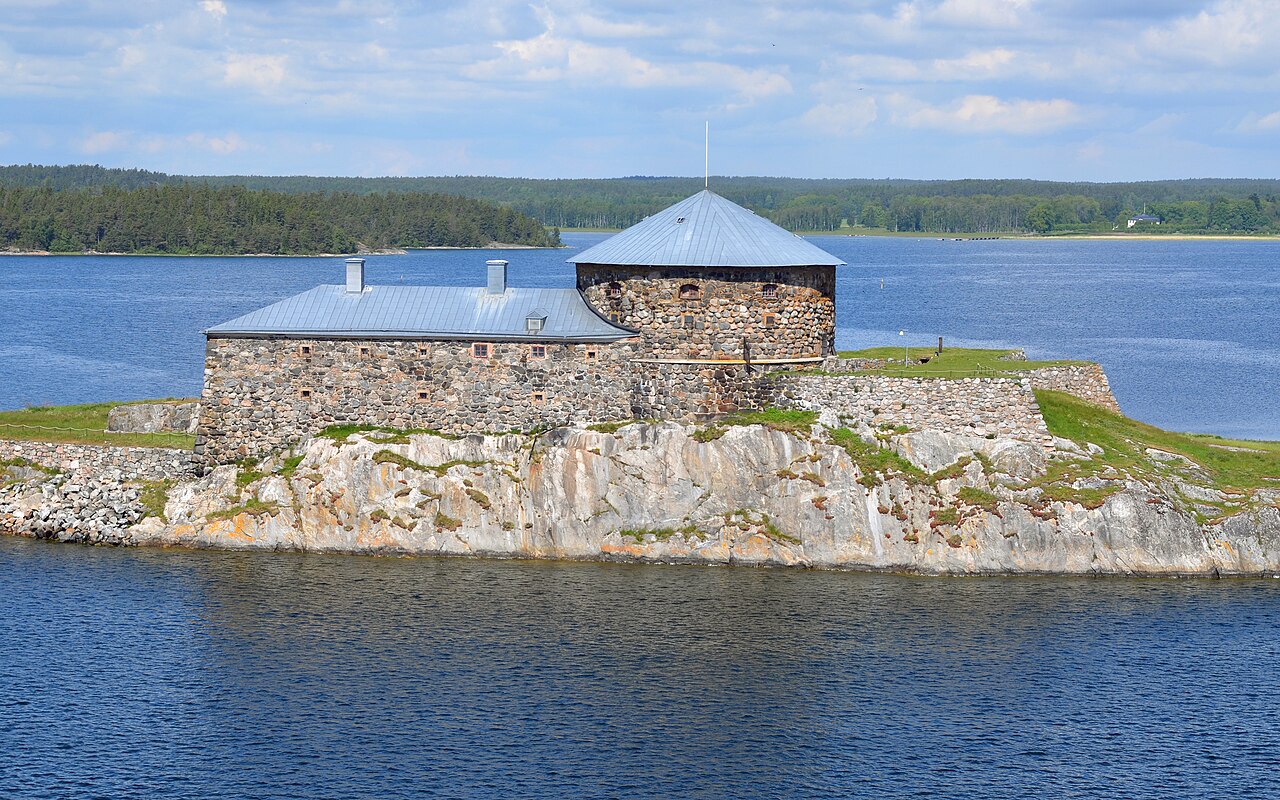
Årsta Castle, located in Haninge, Sweden, is a historic manor with origins tracing back to the 14th century. Initially, the estate served as a residence for the Teutonic Order of Livonia, a powerful military and religious order influential in the Baltic region during the medieval period. This early connection places Årsta within the broader context of Northern European medieval history and the territorial ambitions of the Teutonic Knights.
In 1467, the manor was acquired by Erik Axelsson Tott, a notable Swedish nobleman and statesman. The estate remained significant through the centuries, witnessing various ownership changes among prominent Swedish noble families, including the Kurck, Soop, and Fleming families. These families played important roles in Swedish history, often involved in military and political affairs.
Architectural development and the main building
The current main building of Årsta Castle was constructed around 1650 by Claes Hansson Bielkenstierna. This construction period places the manor firmly within the Renaissance era in Sweden, characterized by a transition from medieval fortress styles to more refined and comfortable noble residences. The manor reflects typical Renaissance architectural elements, emphasizing symmetry, proportion, and classical details rather than heavy fortifications.
The building likely features a balanced facade, orderly window arrangements, and possibly decorative elements such as pilasters or cornices, consistent with Swedish Renaissance manors of the mid-17th century. While not a fortress in the military sense, Årsta Castle embodies the transformation of noble estates into stately homes that combined residential comfort with status display.
Historical ownership and significance
Ownership by the Bielkenstierna family marks an important phase in the manor's history, as Claes Hansson Bielkenstierna was responsible for the manor's Renaissance redesign. The subsequent ownership by the Kurck, Soop, and Fleming families reflects the estate's continued importance among Sweden's noble elite.
Each family contributed to the manor's legacy, possibly making modifications or additions over the centuries. The estate's survival and maintenance through turbulent periods in Swedish history, including wars and political changes, underscore its resilience and the value placed on it by its owners.
Modern use and preservation
Today, Årsta Castle is owned by the Cedergren family. The manor has been adapted for modern use and currently hosts a restaurant, making it accessible to visitors and allowing the public to experience its historic ambiance. This adaptive reuse helps preserve the manor's architectural integrity while providing a sustainable function.
The castle's setting in Haninge offers visitors a glimpse into Sweden's noble past, set against the region's natural beauty. The preservation of Årsta Castle as a well-maintained manor house contributes to the cultural heritage of the Stockholm County area.
Architectural features and estate grounds
While detailed architectural surveys are limited, Årsta Castle's Renaissance style suggests it includes hallmark features such as a central main building with a symmetrical layout, possibly complemented by auxiliary buildings and landscaped grounds typical of Swedish manors. The estate's layout would have balanced functional farm buildings with ornamental gardens and parkland, reflecting the lifestyle of the Swedish nobility in the 17th century.
The manor's location in Haninge situates it within a region known for its rich history and natural landscapes, enhancing its appeal as a cultural and historical site.
Frequently asked questions (FAQ)
- What is the history of Årsta Castle?
- Årsta Castle dates back to the 14th century as a residence of the Teutonic Order of Livonia. It was acquired by Erik Axelsson Tott in 1467 and rebuilt around 1650 by Claes Hansson Bielkenstierna. It has since been owned by several noble families and is now owned by the Cedergren family.
- Can I visit Årsta Castle and its restaurant?
- Yes, Årsta Castle is open to visitors and features a restaurant. It offers a unique opportunity to experience a historic Renaissance manor while enjoying local cuisine. Check their official website or contact them for current opening hours and reservation details.
- What architectural style is Årsta Castle built in?
- Årsta Castle is built in the Renaissance style, characterized by symmetry, classical proportions, and decorative elements typical of mid-17th century Swedish manors.
- Where is Årsta Castle located?
- Årsta Castle is located in Haninge, within Stockholm County, Sweden. It is accessible from Stockholm and situated in a region known for its natural beauty and historical sites.
- Is Årsta Castle well preserved?
- Yes, Årsta Castle is well preserved. The manor has maintained its Renaissance architectural features and continues to serve a functional role as a restaurant and cultural site.
Information
Current owner
Cedergren family
Loading map...
Visitor reviews
No reviews yet. Been here? Write the first review and help other travelers!
Write the first reviewVisited this castle? Share your experience
Your review helps other travelers and adds first-hand knowledge to our encyclopedia.