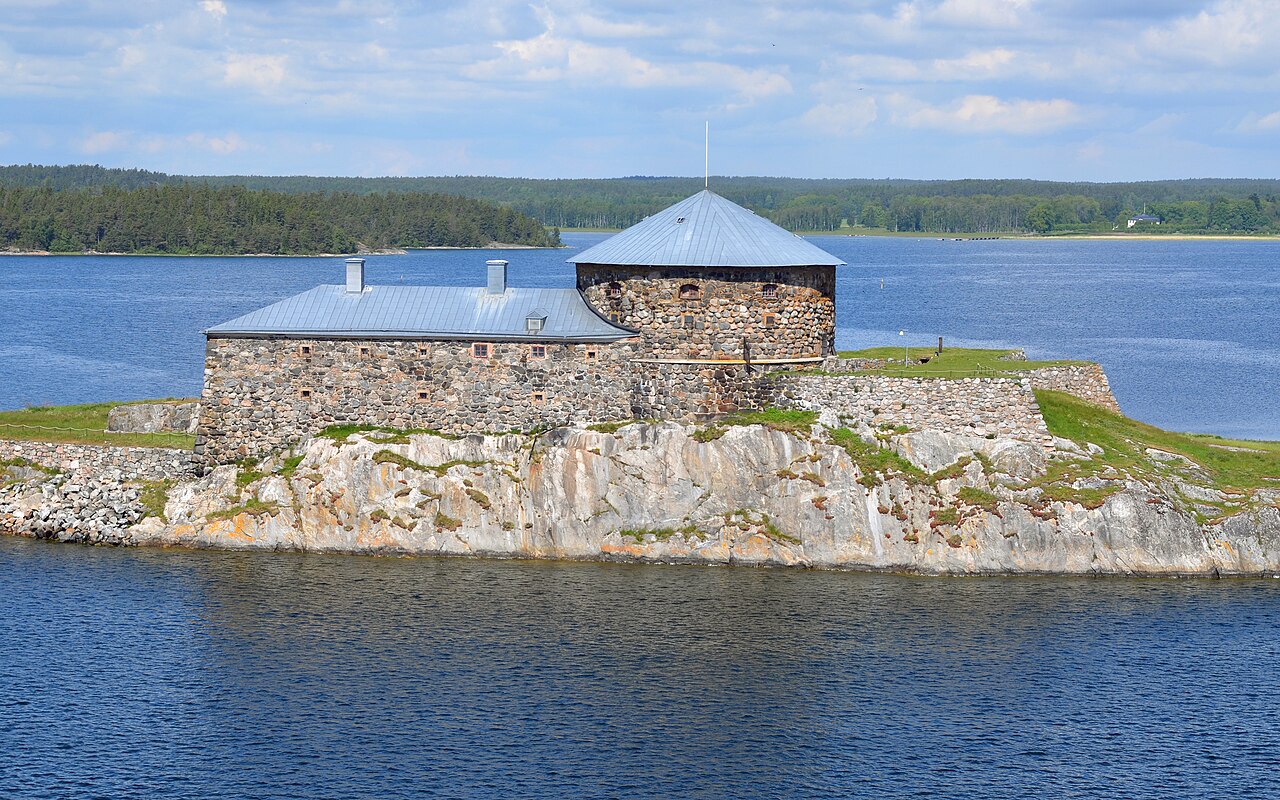
Sandemar Castle
Sandemar Castle is a historic manor located in Haninge, Sweden, with origins tracing back to the early period of the Kalmar Union. Initially, the estate was owned by the Teutonic Order of Livonia, a powerful military and religious order that held significant territories in the Baltic region. In 1467, the prominent Swedish nobleman Erik Axelsson Tott acquired all the Order's properties in Sweden, including Sandemar, marking an important transfer of ownership during the late medieval period.
The ownership of Sandemar during the 1500s remains largely undocumented, but by the 1600s, the estate was held by some of Sweden's most influential noble families, including the Oxenstierna, Bonde, and Falkenberg families. These families played critical roles in Swedish political and military history, and their stewardship contributed to the estate's development and preservation.
Architectural evolution and the main building
The current main building of Sandemar Castle was completed around 1693 under the direction of Gabriel Falkenberg, a member of the Royal Council and president. This period falls within the Renaissance era in Sweden, although the architectural style of the manor reflects a blend of late Renaissance influences adapted to local materials and climate.
The manor's main building is notable for its wooden construction, which is somewhat unusual for grand estates of the time that often favored stone. The wooden walls are covered with tiles, and the water side plates serve as protection against the harsh sea winds from the nearby Baltic Sea. This combination of materials demonstrates a practical approach to architecture, balancing aesthetic qualities with environmental resilience.
Historical significance and preservation
Sandemar Castle escaped destruction during the Russian ravages of 1719, a series of raids along the Swedish coast during the Great Northern War. The nearby Dalarö Fortress likely served as a deterrent to Russian forces, sparing Sandemar from the widespread devastation that affected many other estates in the region.
As a result, Sandemar has preserved many of its original Carolinian period decorations, offering valuable insight into Swedish noble life in the late 17th and early 18th centuries. The estate provides an important example of a well-maintained Renaissance manor that retains its historical character despite the passage of centuries.
Gardens and landscape features
In addition to the historic manor, Sandemar features an English garden that was added later, enhancing the estate's landscape. This garden includes a greenhouse, as well as vegetable and fruit tree plantations, reflecting the evolving tastes and practical needs of the estate's owners over time.
Current ownership and status
Today, Sandemar Castle remains privately owned by Karin Mattson Nordin, daughter of the noted real estate developer John Mattson. The estate continues to be a significant cultural and historical site within the Haninge region, representing centuries of Swedish noble heritage and architectural tradition.
Architectural features and style
While the castle is classified within the Renaissance period, its architectural style incorporates practical adaptations to its coastal environment. The use of wood construction covered with tiles and protective water side plates is characteristic of Swedish manor houses built near the sea during this period. The manor's layout and decorative elements reflect the influence of the Carolinian era, known for its elegant yet functional design.
Main building layout
The main building is designed as a manor house rather than a fortified castle, emphasizing residential comfort and aesthetic appeal. Its wooden framework is supported by sturdy beams and features large windows that allowed natural light to illuminate the interior spaces. The roof is steeply pitched and covered with tiles to withstand the regional climate.
Interior decorations
The interior preserves original Carolinian period decorations, including wood paneling, ornamental ceilings, and period-appropriate furnishings. These elements provide a glimpse into the artistic and cultural sensibilities of the Swedish nobility during the late 17th century.
Historical context: the Kalmar Union and beyond
The estate's early connection to the Teutonic Order of Livonia situates it within the broader political and military landscape of Northern Europe during the late medieval period. The Kalmar Union (1397–1523), which united Denmark, Norway, and Sweden under a single monarch, was a time of significant territorial and dynastic changes. Sandemar's transfer to Swedish noble hands in 1467 reflects the shifting power dynamics of the era.
During the 17th century, Sweden emerged as a major European power, and estates like Sandemar played roles in supporting the nobility that governed the realm. Ownership by families such as the Oxenstierna and Bonde underscores the estate's importance within the Swedish aristocracy.
Preservation and cultural heritage
Sandemar Castle is an important example of a well-preserved Renaissance manor in Sweden. Its survival through turbulent historical events, including the Great Northern War and the Russian coastal raids, makes it a valuable cultural asset. The estate's combination of original architecture, period decorations, and landscaped gardens offers a comprehensive view of Swedish noble life from the late 17th century onwards.
Efforts to maintain the castle and its grounds reflect a commitment to preserving Sweden's architectural heritage. The private ownership by the Mattson family has ensured that Sandemar remains a cared-for historic site, contributing to the cultural landscape of Haninge and the wider Stockholm region.
Visiting information and accessibility
As a privately owned estate, Sandemar Castle is not generally open to the public. However, its presence is well recognized in the region, and it is often featured in discussions of Swedish manor architecture and history. Visitors interested in the architectural and historical significance of Sandemar can explore the surrounding Haninge area, which offers other cultural and natural attractions.
Frequently asked questions (FAQ)
- What is the historical significance of Sandemar Castle?
- Sandemar Castle, built in the late 17th century, is a prime example of Swedish Baroque architecture. It has played a vital role in the local history of Haninge, serving as a noble residence and a symbol of the region's rich cultural heritage.
- When was Sandemar Castle constructed?
- The construction of Sandemar Castle began in 1690 and was completed in 1695. It was commissioned by the noble family of von Rosen, and its design reflects the grandeur and style of the time.
- Can I visit Sandemar Castle?
- Yes, Sandemar Castle is open to visitors, offering guided tours and special events throughout the year. However, it is advisable to check the official website for specific visiting hours and any scheduled events before planning your trip.
- What are the opening hours of Sandemar Castle?
- Sandemar Castle typically opens its doors to visitors from May to September, with varying hours throughout the week. During peak tourist season, the castle is often open daily, while in the off-season, it may have limited hours.
- Is it possible to access Sandemar Castle by public transport?
- Yes, Sandemar Castle is accessible by public transport, including buses that connect to the Haninge area. Visitors can take a short walk from the nearest bus stop to reach the castle, making it convenient for those without a car.
- What is the best time to visit Sandemar Castle?
- The best time to visit Sandemar Castle is during the summer months, from June to August, when the weather is pleasant and the gardens are in full bloom. Additionally, the castle hosts various events during this period, enriching the visitor experience.
- Are there any nearby attractions to Sandemar Castle?
- Yes, nearby attractions include the beautiful nature reserves of Haninge, such as Tyresta National Park and the scenic waters of the Baltic Sea. Visitors can enjoy outdoor activities like hiking and boating, making it a perfect day trip destination.
- What are the ticket prices for visiting Sandemar Castle?
- Ticket prices for Sandemar Castle are generally affordable, with discounts available for children, students, and seniors. It's best to check the official website for the latest pricing information and any special promotions that may be available.
Information
Loading map...
Visitor reviews
No reviews yet. Been here? Write the first review and help other travelers!
Write the first reviewVisited this castle? Share your experience
Your review helps other travelers and adds first-hand knowledge to our encyclopedia.