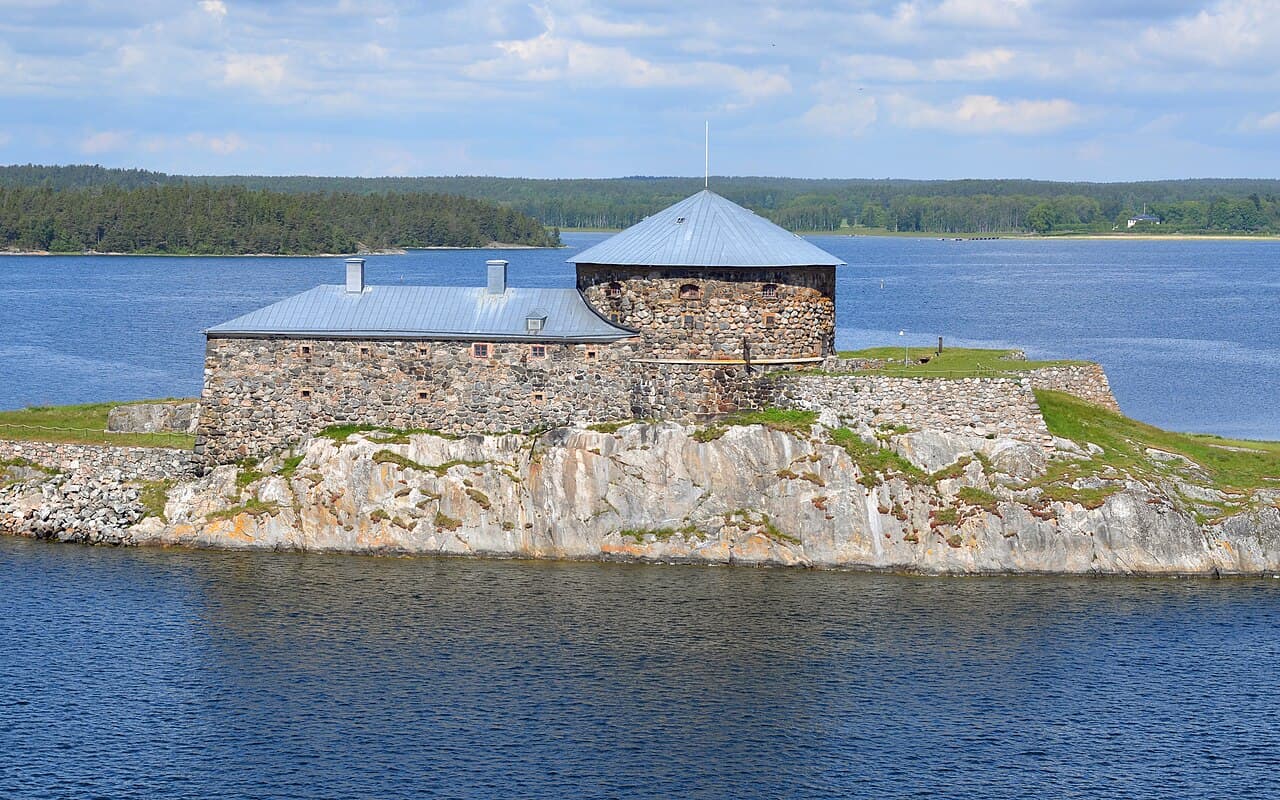
Dalarö Fortress
Dalarö fortress is a significant example of a bastioned fortress built during the Renaissance period in Sweden. Constructed in 1656 under the reign of Charles X Gustav of Sweden, it replaced an earlier fortification dating back to 1623. Strategically located just south of the coastal town of Dalarö, the fortress was designed to protect the important maritime routes leading to Stockholm and safeguard Sweden's territorial interests in the Baltic Sea region.
Historical background and strategic importance
The site originally hosted a smaller fortification from 1623, reflecting the growing military needs of Sweden during the early 17th century. The decision to build a more substantial fortress in 1656 was driven by the need to strengthen coastal defenses amidst ongoing conflicts in Northern Europe, particularly during the period of the Thirty Years' War and subsequent wars involving Sweden. Charles X Gustav commissioned the new fortress to enhance control over the archipelago and provide a secure base for naval operations.
Architectural design and renovations
The fortress was constructed following the principles of bastioned fortification, a style that emerged during the Renaissance to counter advances in artillery technology. Its design features angular bastions projecting outward from the curtain walls, allowing defenders to cover all approaches with overlapping fields of fire and minimizing blind spots. This layout was crucial for coastal defense, enabling the fortress to withstand naval bombardments and potential land assaults.
Between 1683 and 1698, the fortress underwent significant renovations led by the renowned Swedish military engineer Erik Dahlbergh. Dahlbergh enhanced the fortifications by reinforcing the bastions, improving the defensive walls, and upgrading the internal structures to better accommodate troops and artillery. His work ensured that Dalarö fortress remained a modern and formidable defensive installation well into the late 17th century.
Structural features
- Bastions: The fortress includes several bastions arranged to provide comprehensive defensive coverage.
- Curtain walls: Thick walls connecting the bastions, designed to absorb artillery fire.
- Moats and ditches: Defensive earthworks that added an extra layer of protection against attackers.
- Internal buildings: Barracks, armories, and command posts housed within the fortress walls.
Military history and preservation
Remarkably, Dalarö fortress has never been subjected to a siege or direct military assault, which has contributed to its excellent state of preservation. The fortress was actively used by the Swedish military until it was decommissioned in 1854. After its military use ended, the fortress transitioned into a cultural heritage site, preserving its historical and architectural integrity.
Current use and visitor experience
Today, Dalarö fortress serves as a museum that offers visitors insight into Sweden's coastal defense history and Renaissance military architecture. The fortress also houses a restaurant, providing a unique setting where guests can enjoy meals surrounded by historic walls and scenic views of the Baltic Sea. Its well-preserved condition and accessible location make it a popular destination for tourists interested in military history, architecture, and Swedish heritage.
Visitor information
- The fortress is open to the public during the warmer months, with guided tours available to explain its history and architectural features.
- Visitors can explore the bastions, walls, and internal buildings, gaining a comprehensive understanding of 17th-century fortification design.
- The on-site restaurant offers traditional Swedish cuisine in a historic ambiance.
Frequently asked questions (FAQ)
- How do I get to Dalarö Fortress?
- Dalarö Fortress is accessible by car or public transport. If you're coming from Stockholm, you can take a bus to Dalarö, which is about a 30-minute ride, followed by a short walk to the fortress.
- What is the historical significance of Dalarö Fortress?
- Dalarö Fortress was built in the 17th century to protect Stockholm from naval attacks. It played a crucial role in Sweden's military history and is a key example of coastal fortifications from that era.
- When was Dalarö Fortress constructed?
- Construction of Dalarö Fortress began in 1692 and continued until the early 18th century. It was strategically designed to defend the archipelago against foreign naval threats.
- Can I enter Dalarö Fortress?
- Yes, visitors can explore Dalarö Fortress, including its historical structures and exhibitions. However, it is advisable to check for any specific entry requirements or guided tour availability before your visit.
- Why is Dalarö Fortress a popular tourist attraction?
- Dalarö Fortress is popular due to its rich history, stunning architecture, and beautiful coastal views. Visitors enjoy not only the historical insights but also the picturesque surroundings that make it a perfect spot for photography and relaxation.
- Is it possible to visit Dalarö Fortress year-round?
- Yes, Dalarö Fortress is open to visitors throughout the year, but the best time to visit is during the summer months when the weather is pleasant and additional activities are available. Be sure to check specific opening hours for different seasons.
- What are the ticket prices for visiting Dalarö Fortress?
- Entry to Dalarö Fortress is generally free, but guided tours or special exhibitions may have a small fee. It's best to check the official website for the most current pricing and any ongoing events.
- What are the opening hours for Dalarö Fortress?
- Dalarö Fortress typically opens its doors to visitors from 10 AM to 6 PM during the summer season. However, hours may vary in the off-season, so it's recommended to verify beforehand.
- Are there any nearby attractions to visit while at Dalarö Fortress?
- Yes, nearby attractions include the charming village of Dalarö, with its quaint shops and cafes, as well as beautiful nature trails along the coast. The area is also known for its boating and fishing opportunities, enhancing your visit to the fortress.
Photo gallery

Information
Website
Visit websiteSources & official resources
Verify the information above using these authoritative references.
Loading map...
Visitor reviews
No reviews yet. Been here? Write the first review and help other travelers!
Write the first reviewVisited this castle? Share your experience
Your review helps other travelers and adds first-hand knowledge to our encyclopedia.



