Arsameia
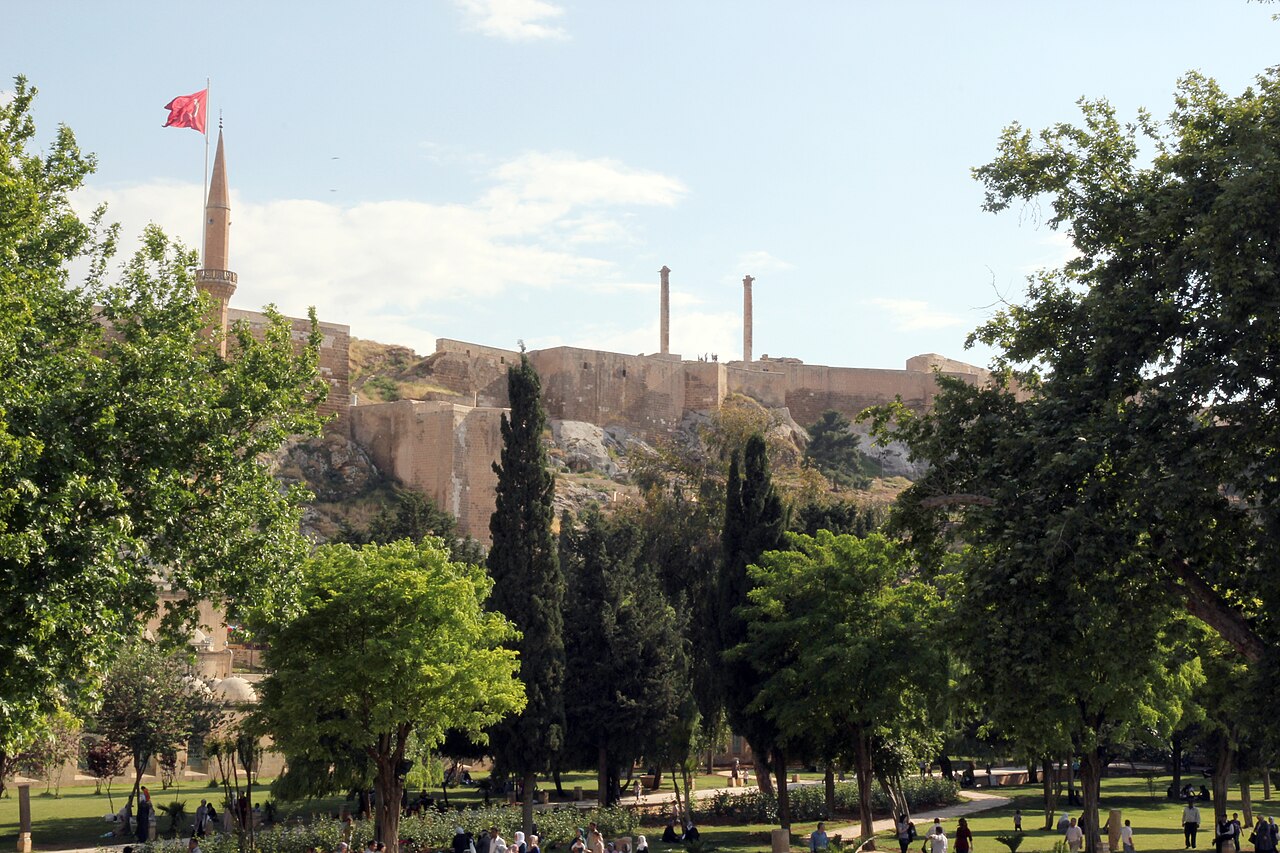
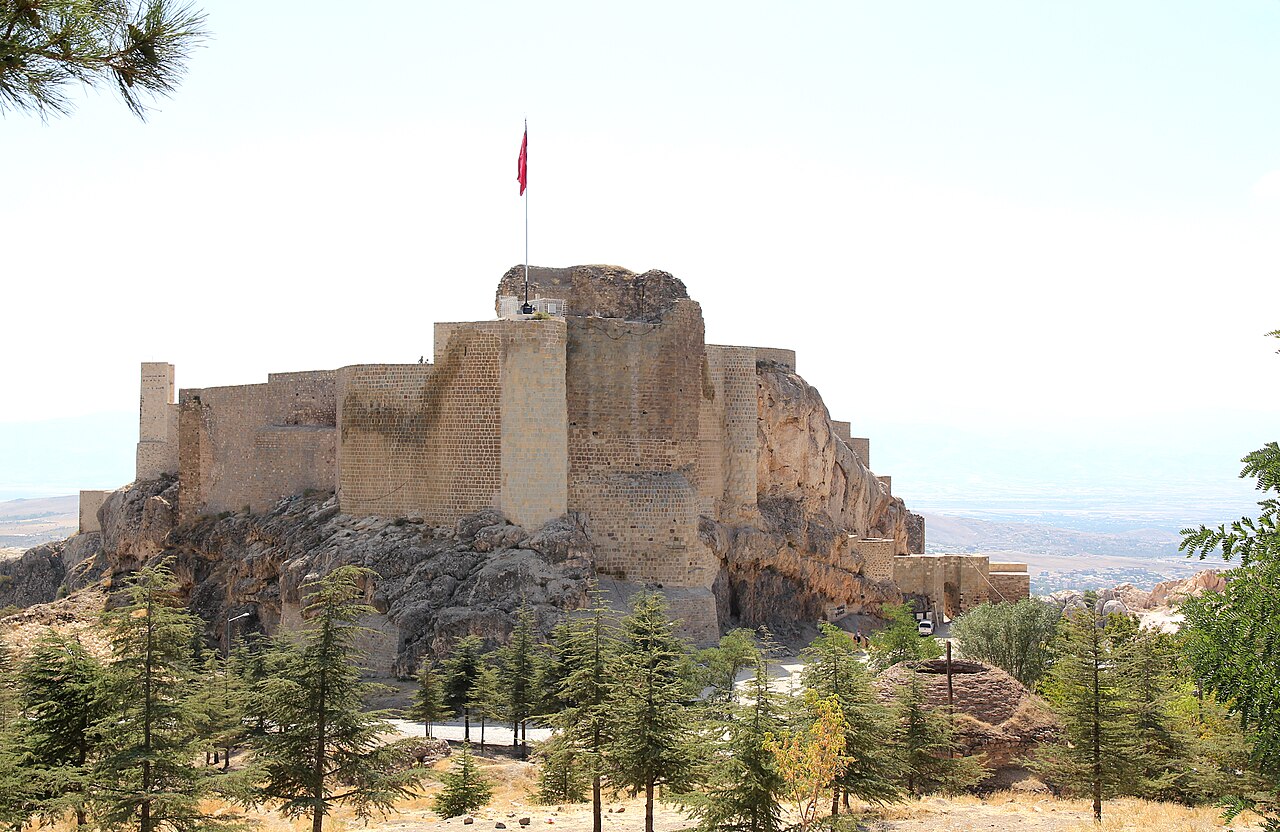
Arsameia on the Nymphaios is a significant ancient archaeological site located in the district of Kâhta, Adıyaman Province, Turkey. This site, also known historically as Arshamashat in Armenian and Eski Kale in Turkish, meaning "Old Castle," lies near the Kâhtaçay river, which was known in antiquity as the Nymphaios River. Arsameia served as a royal seat for the kingdom of Commagene, a Hellenistic kingdom that flourished in the region during the 1st century BCE and CE.
Historical context and significance
The kingdom of Commagene, strategically positioned between the Roman and Parthian empires, was known for its unique cultural blend of Persian, Armenian, and Greek influences. Arsameia was founded by King Mithridates I Callinicus around the 2nd century BCE and later became renowned as the site of the Hierothesion, a monumental royal tomb complex built by his son, Antiochos I Theos, to honor his father. The Hierothesion complex is a key example of the syncretic religious and political symbolism that characterized Commagene's rulers, combining elements of Persian royal iconography with Hellenistic architectural styles.
Architectural features and layout
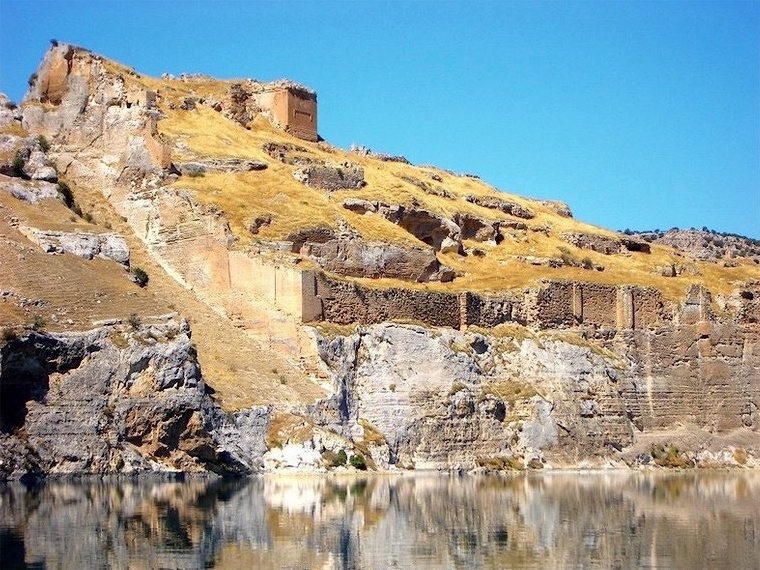
The site of Arsameia comprises extensive ruins spread across a hillside overlooking the Kâhtaçay valley. The most prominent feature is the Hierothesion of King Mithridates I, which includes a rock-cut tomb sanctuary and a series of reliefs and inscriptions carved into the cliffs. These reliefs depict the king and gods, illustrating the divine ancestry claimed by the Commagenian rulers. The site also contains remains of a fortress and other structures that suggest a combination of residential, religious, and defensive functions.
The architectural style reflects a blend of Hellenistic and Persian influences, visible in the use of relief sculpture, monumental stairways, and terraces. The rock-cut tomb is particularly notable for its intricate carvings and the integration of natural rock formations into the design, a hallmark of Commagenian royal monuments. The presence of inscriptions in Greek further emphasizes the cultural fusion that defined the kingdom.
Archaeological discoveries and research
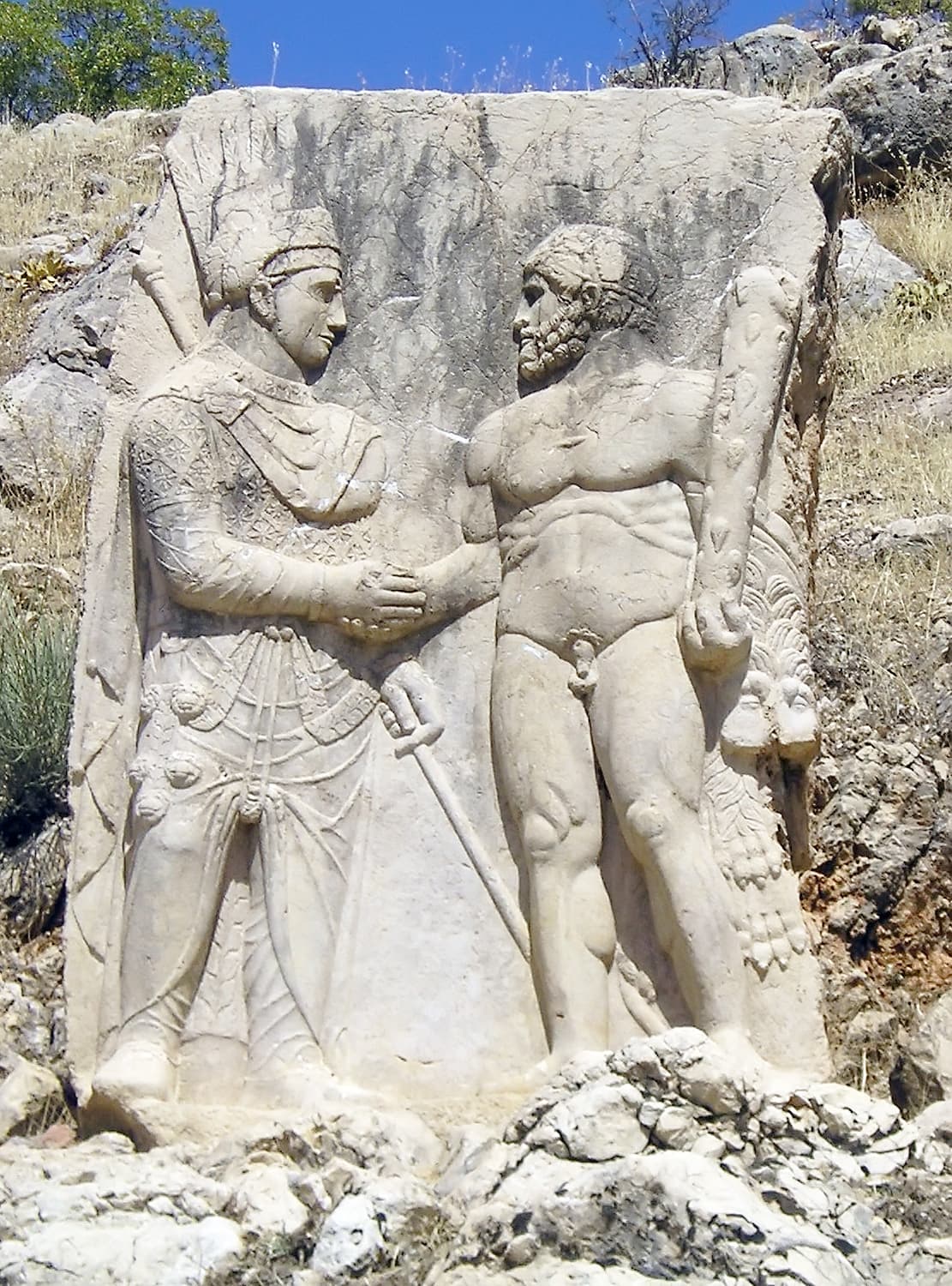
Excavations at Arsameia began in the 20th century and have revealed much about the political and religious life of Commagene. Archaeologists uncovered the Hierothesion complex, including the famous relief of Antiochos I shaking hands with Herakles, symbolizing the king's divine right to rule and his connection to Greek mythology. Numerous inscriptions provide insight into the genealogy of the Commagenian dynasty and their claims to divine descent.
The site continues to be an important focus of archaeological study, shedding light on the cultural interactions between the East and West during the Hellenistic period. Despite its ruinous condition, Arsameia remains a valuable source of information about ancient funerary practices, royal propaganda, and the architectural innovations of the Commagene kingdom.
Visiting arsameia today
Today, Arsameia on the Nymphaios is classified as archaeological ruins and is accessible to visitors interested in ancient history and archaeology. The site offers a glimpse into the grandeur of the Commagenian kingdom through its surviving rock reliefs and tomb structures. Visitors can explore the hillside ruins and appreciate the scenic views of the Kâhtaçay valley.
While the ruins are in a ruined condition, efforts have been made to preserve the site and provide informational signage to help visitors understand the historical context. The remote location and rugged terrain mean that access can be challenging, but the site is a rewarding destination for those interested in ancient Near Eastern history and Hellenistic art.
Frequently asked questions (FAQ)
- What is the historical significance of Arsameia?
- Arsameia is an ancient site that dates back to the Hellenistic period and served as a royal city during the reign of the Commagene Kingdom. It features remarkable rock-cut monuments and inscriptions that highlight the fusion of Greek and Persian cultures. The site is an important archaeological location that provides insights into the region's history and cultural exchanges.
- When was Arsameia built?
- Arsameia was established in the 1st century BC, primarily under King Mithridates I of Commagene. The site flourished during the Hellenistic period and became a center for art and culture, showcasing the architectural styles of the time.
- Can I visit Arsameia year-round?
- Yes, Arsameia is open to visitors throughout the year, although the most pleasant times to visit are during the spring and autumn months when the weather is milder. However, it's advisable to check local conditions as winter weather can affect accessibility.
- What are the opening hours for Arsameia?
- Arsameia is generally open from 8:00 AM to 7:00 PM during the summer months and 8:00 AM to 5:00 PM in the winter. It is best to verify the current hours before your visit, as they may vary due to seasonal changes.
- Is there an admission fee for Arsameia?
- Yes, there is a small entrance fee to visit Arsameia, which helps maintain the site. Ticket prices are generally affordable, making it accessible for tourists and locals alike.
- What should I know about accessibility at Arsameia?
- Arsameia is situated in a rugged terrain, and while some paths are manageable for visitors, others may present challenges for those with mobility issues. It's advisable to wear comfortable shoes and be prepared for some uneven surfaces while exploring the site.
- What nearby attractions can I visit while in Kâhta?
- While visiting Arsameia, you can also explore other nearby attractions such as the ancient city of Nemrut Dağ, known for its colossal statues and stunning sunrise views. Additionally, the historic ruins of Karakuş Tumulus and Cendere Bridge are also worth visiting for their unique historical significance.
- When is the best time to visit Arsameia?
- The best time to visit Arsameia is during the spring (April to June) and autumn (September to November) months when temperatures are pleasant and ideal for outdoor exploration. Summer can be quite hot, while winter might bring rain and snow, affecting accessibility.
Photo gallery

Information
Address
Near Kâhtaçay river, Eski Kâhta, Kâhta district, Adıyaman Province, Turkey
Loading map...
Visitor reviews
No reviews yet. Been here? Write the first review and help other travelers!
Write the first reviewVisited this castle? Share your experience
Your review helps other travelers and adds first-hand knowledge to our encyclopedia.