Arnad Upper Castle
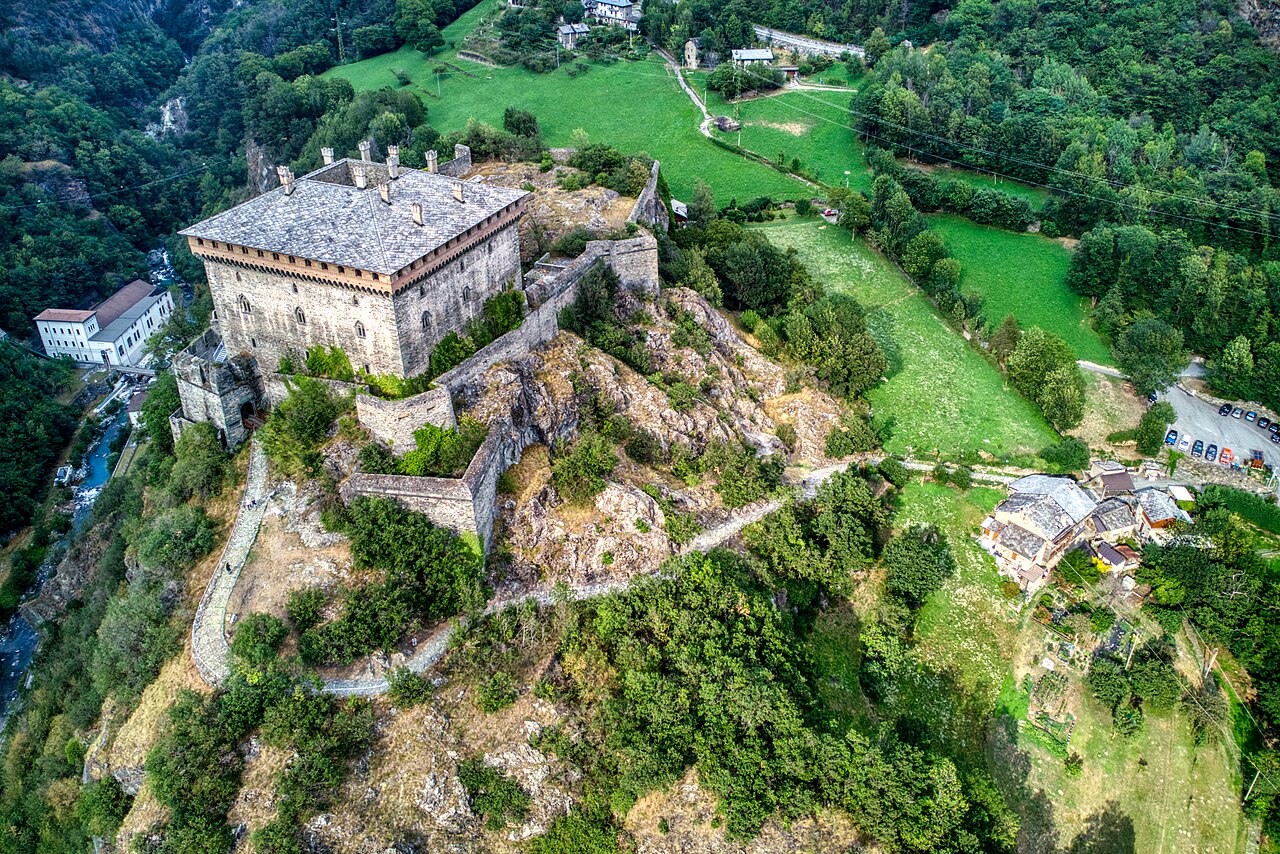
Arnad Upper Castle is a striking example of a high medieval hill castle located in the municipality of Arnad, Italy. Constructed around the 12th century, this fortress occupies a commanding position atop a rocky promontory overlooking the village of Ville and key medieval routes such as the ancient Via Francigena and the Machaby valley path. Its strategic placement allowed control over important transit corridors connecting the central valley to the Gressoney area.
The castle first appears in historical records in a 1207 papal letter which references its chapel dedicated to Saint Mary Magdalene and Saint Michael the Archangel. Although the exact origins and original owners are not definitively known, it is widely believed that the castle was built by Saverio di Arnad or the de Arnado family during the late 12th or early 13th century. Alternative theories propose the fortress was initially held by the lords of Bard and later awarded to Guillaume de Bard by the House of Savoy following a family conflict in the 12th century.
Historical ownership and significance
In 1239, documents reveal that half of the castle was granted in fiefdom to Ruffino de Arnado as part of financial arrangements. By 1293, the entire castle was sold to the Vallaise family, who established their residence there and maintained control throughout the 14th century. The castle hosted notable figures such as Amadeus VI of Savoy, known as the Green Count, who dined within its walls in 1351.
The Vallaise family contributed to the castle's development, adding a central building featuring battlements, large fireplaces, and walls decorated with frescoed and graffitied coats of arms representing noble lineages of the era. This period marked the castle’s architectural peak and its role as a noble residence with defensive capabilities.
Architectural features and layout
Arnad Upper Castle retains a predominantly Romanesque architectural style characterized by solid stone construction, simple yet robust forms, and functional defensive elements such as battlements. The main structure is a substantial crenellated building dating to the 14th century, which includes spacious fireplaces designed to provide warmth and communal space.
A unique feature of the castle is a slender adjoining tower that served as a latrine block. This architectural element was unusual for the Aosta Valley region at the time and may have been inspired by a similar latrine tower at the Papal Palace in Avignon. This practical design highlights the castle's attention to the daily living needs within a fortified setting.
The fortress’s layout takes advantage of the natural rocky outcrop, providing commanding views and a defensible position. Despite centuries of abandonment, much of the main structure remains visible, offering valuable insight into medieval castle design without the later stylistic alterations common in other regional fortresses.
Decline and current condition
From the 15th century onward, the castle’s military function diminished due to advances in warfare and the inadequacy of its defensive design. The Vallaise family eventually abandoned the upper castle in favor of a more accessible residence lower in the valley called the Palais de la Côte. By the 17th century, the fortress was largely deserted and fell into ruin.
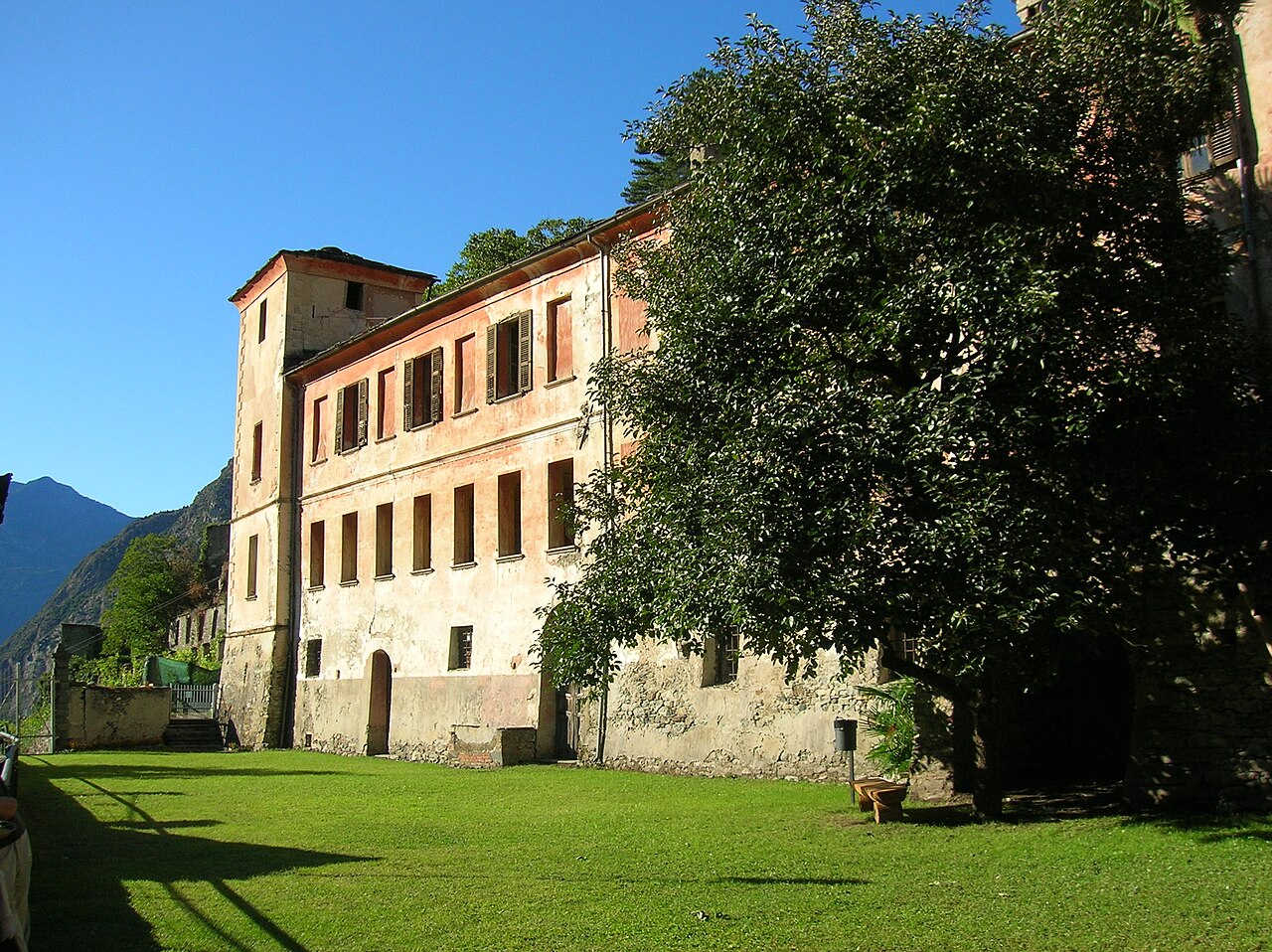
Today, Arnad Upper Castle stands as a ruined hill castle preserving its original Romanesque style without later modifications. Its remains provide a rare example of medieval military architecture in the Aosta Valley region and reflect the historical shifts in noble residence preferences and military needs over several centuries.
Cultural significance and modern use
In modern times, the castle was used as a filming location in 2008 for the French director Pascal Thomas's movie "Le crime est notre affaire," where its preserved spaces served as a backdrop for scenes set in a museum environment. This use highlights the castle’s atmospheric and historical value.
Currently privately owned, Arnad Upper Castle contrasts with the nearby lower Arnad castle (Castello Vallaise), which is publicly accessible following acquisition by the Autonomous Region of Aosta Valley. The upper castle’s ruins remain a significant testament to medieval fortifications and noble life in the region.
Architectural details and preservation
The castle’s walls, battlements, and fireplaces remain largely intact, allowing visitors and scholars to study Romanesque defensive architecture in situ. The frescoed and graffitied coats of arms on the interior walls provide a visual record of the noble families associated with the castle’s history, adding to its cultural heritage value.
Its location on a rocky outcrop not only offered strategic military advantages but also influenced the castle’s compact and vertical design. The presence of the latrine tower demonstrates an advanced understanding of hygiene and comfort for its time, a feature not commonly found in contemporary castles of the region.
Frequently asked questions (FAQ)
- When was Arnad Upper Castle first mentioned in historical records?
- Arnad Upper Castle was first mentioned in a papal letter dated 1207, which referenced its chapel dedicated to Saint Mary Magdalene and Saint Michael the Archangel.
- What architectural style characterizes Arnad Upper Castle?
- The castle is characterized by Romanesque architecture, featuring solid stone walls, battlements, and a unique latrine tower inspired by the Papal Palace in Avignon.
- Is Arnad Upper Castle accessible to the public?
- Arnad Upper Castle is privately owned and not generally open to the public, unlike the nearby lower Arnad castle which is accessible following acquisition by the Autonomous Region of Aosta Valley.
- What led to the abandonment of Arnad Upper Castle?
- The castle was abandoned in the 15th century as its military design became outdated and the Vallaise family moved to a more accessible residence lower in the valley called Palais de la Côte.
- What notable families were associated with Arnad Upper Castle?
- The de Arnado family likely built the castle, and it was later owned by the Vallaise family, who lived there throughout the 14th century and hosted Amadeus VI of Savoy in 1351.
Information
Website
Visit websiteSources & official resources
Verify the information above using these authoritative references.
Loading map...
Visitor reviews
No reviews yet. Been here? Write the first review and help other travelers!
Write the first reviewVisited this castle? Share your experience
Your review helps other travelers and adds first-hand knowledge to our encyclopedia.