Arnad Lower Castle
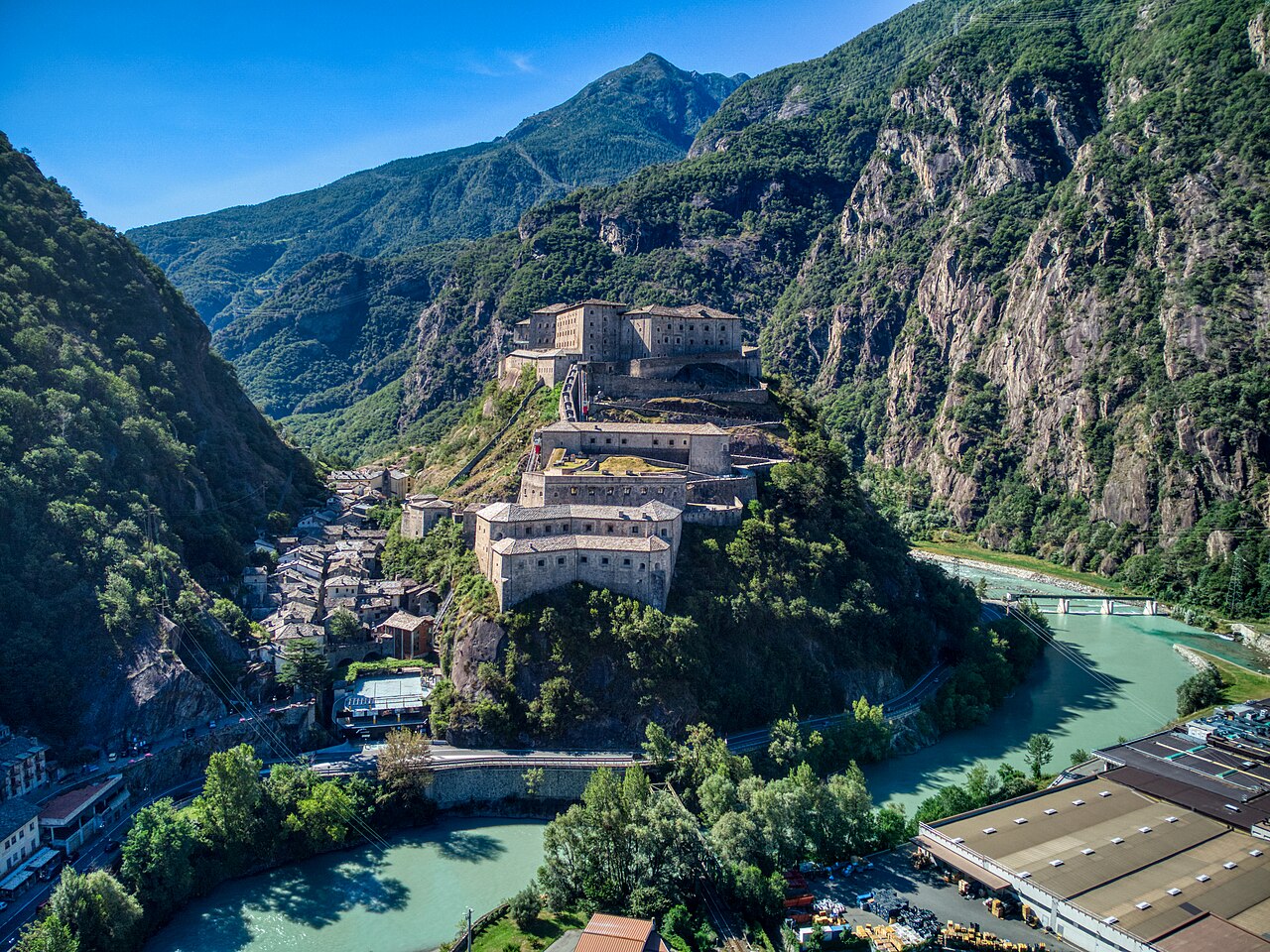
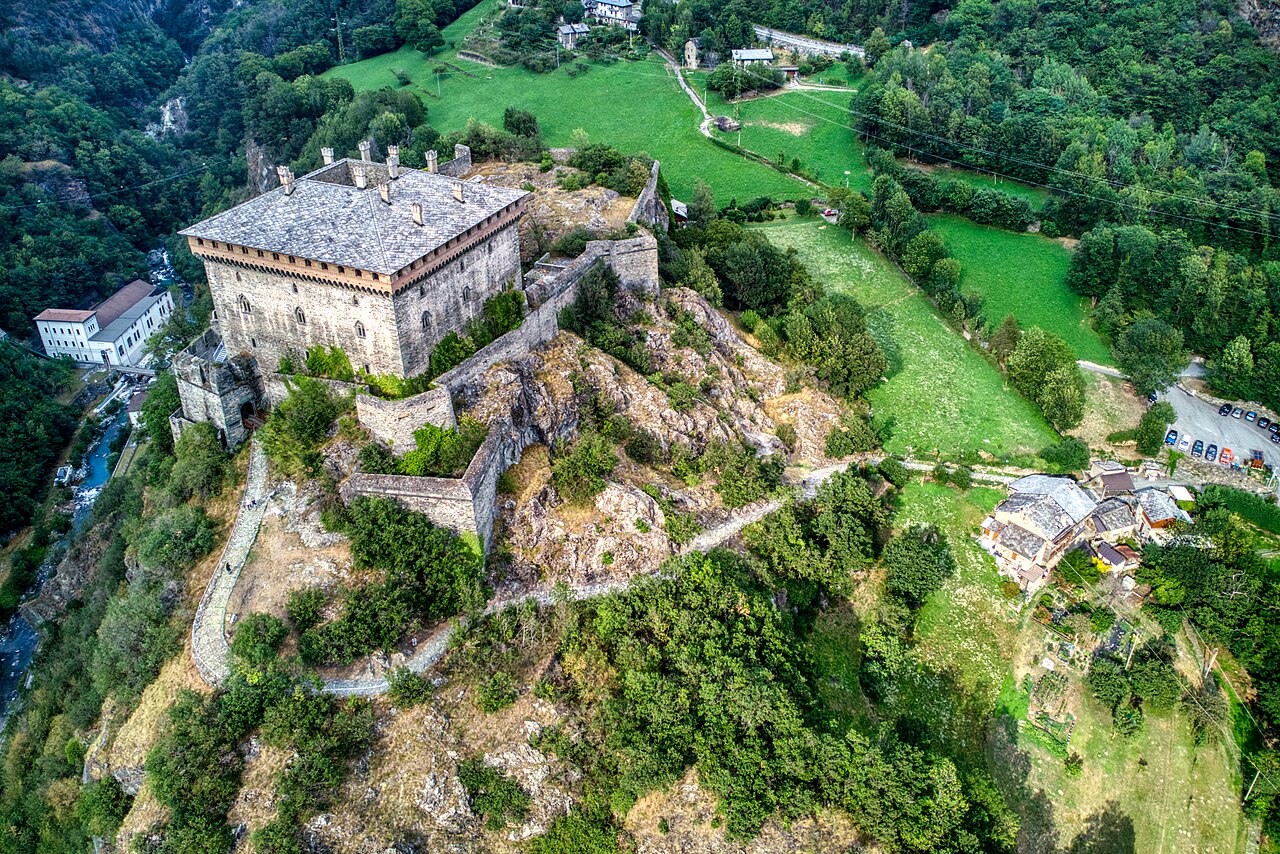
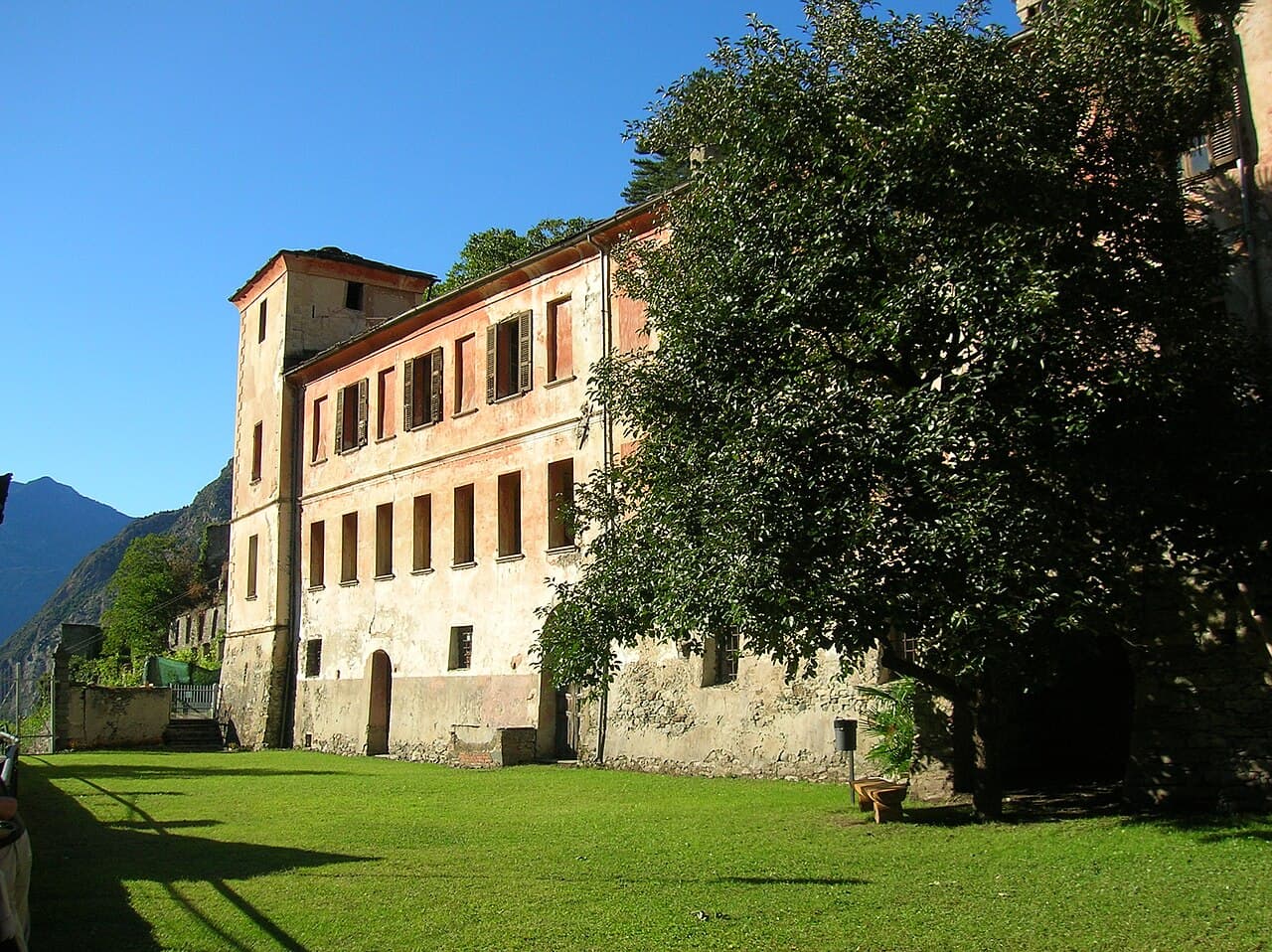
Arnad Lower Castle is a notable example of a hill castle located in the Aosta Valley region of Italy. This medieval fortress holds significant historical and architectural value, reflecting the defensive strategies and residential needs of its time. Although the exact city location within the region is not definitively recorded, the castle is closely associated with the town of Arnad, a small community known for its rich heritage and scenic landscapes.
Historical context and significance
The origins of Arnad Lower Castle date back to the High Medieval period, a time characterized by the construction of numerous fortifications across Europe to assert control over territories and protect inhabitants from invasions. The castle served both as a defensive stronghold and a noble residence, indicative of the feudal system that dominated the region during the Middle Ages.
Throughout its history, the castle has witnessed various ownership changes among noble families, each contributing to its architectural evolution. Its strategic placement on a hill provided commanding views of the surrounding valleys, making it a critical point for surveillance and defense.
Architectural features and layout
Arnad Lower Castle exemplifies typical hill castle architecture, designed to utilize the natural topography for defense. The fortress is built on elevated ground, which enhances its defensive capabilities against attackers.
The castle complex traditionally includes a fortified keep or donjon, surrounded by thick curtain walls and protected by towers positioned at strategic points. These features allowed defenders to monitor and repel assaults effectively.
The interior of the castle likely contained residential quarters, a great hall, and storage areas, all arranged to support both daily life and military readiness. The presence of a courtyard within the walls would have facilitated various activities and gatherings.
Defensive elements
The castle's defenses would have included battlements, arrow slits, and possibly a moat or ditch, typical of hill castles designed to withstand sieges. The elevated position itself served as a natural barrier, complicating enemy approaches.
Preservation and current condition
Today, Arnad Lower Castle remains partially preserved, with sections of its walls and towers still intact. Its condition reflects centuries of weathering and historical events that have shaped its structure.
Efforts to maintain and restore parts of the castle have helped preserve its cultural heritage, making it accessible to visitors interested in medieval architecture and history. The castle stands as a testament to the region's feudal past and architectural ingenuity.
Visiting information and cultural importance
While specific visiting hours and ticket prices for Arnad Lower Castle may vary, it is generally open to the public during certain seasons, offering guided tours that explain its history and architectural features.
The castle is an important cultural landmark in the Aosta Valley, attracting tourists and scholars alike. Its location offers picturesque views of the surrounding landscape, enhancing the visitor experience.
Nearby attractions
Visitors to Arnad Lower Castle can also explore nearby historical sites and natural attractions within the Aosta Valley, known for its alpine scenery and medieval heritage.
Frequently asked questions (FAQ)
- What is the historical significance of Arnad Lower Castle?
- Arnad Lower Castle, located in the Aosta Valley, dates back to the 12th century and is an important example of medieval military architecture in Italy. It served as a defensive stronghold for the region and played a role in the territorial disputes of the time, reflecting the rich history of the area.
- When was Arnad Lower Castle built?
- Arnad Lower Castle was constructed in the late 12th century, making it one of the oldest castles in the region. Its design and structure have been preserved over the centuries, allowing visitors to glimpse the medieval past.
- Can I visit Arnad Lower Castle year-round?
- Yes, Arnad Lower Castle is open to visitors throughout the year, although specific opening hours may vary by season. It is advisable to check ahead for any seasonal changes or special events that might affect access.
- What are the opening hours for Arnad Lower Castle?
- The opening hours of Arnad Lower Castle typically vary by season, with longer hours in the summer months. Generally, the castle is open from 10 AM to 5 PM, but it’s best to verify the current schedule before your visit.
- Is it possible to access Arnad Lower Castle with mobility aids?
- While Arnad Lower Castle has some pathways accessible to those with mobility aids, parts of the castle may present challenges due to uneven terrain and stairs. Visitors are encouraged to contact the castle administration for detailed accessibility information before planning their visit.
- What is the best time to visit Arnad Lower Castle?
- The best time to visit Arnad Lower Castle is during the spring and early autumn months when the weather is mild and pleasant. These seasons also offer beautiful views of the surrounding landscape, enhancing your overall experience.
- Are there any nearby attractions to visit along with Arnad Lower Castle?
- Yes, visitors to Arnad Lower Castle can explore other nearby attractions, such as the historic town of Aosta and the scenic hiking trails in the surrounding mountains. The region is rich in cultural heritage, providing a variety of experiences for all types of travelers.
- How much do tickets for Arnad Lower Castle cost?
- Ticket prices for Arnad Lower Castle are generally affordable, with discounts available for students and seniors. It's recommended to check the official website for the latest pricing information and any available packages or group rates.
Photo gallery

Information
Loading map...
Visitor reviews
No reviews yet. Been here? Write the first review and help other travelers!
Write the first reviewVisited this castle? Share your experience
Your review helps other travelers and adds first-hand knowledge to our encyclopedia.