Ares Castle — Spain castle

Ares Castle

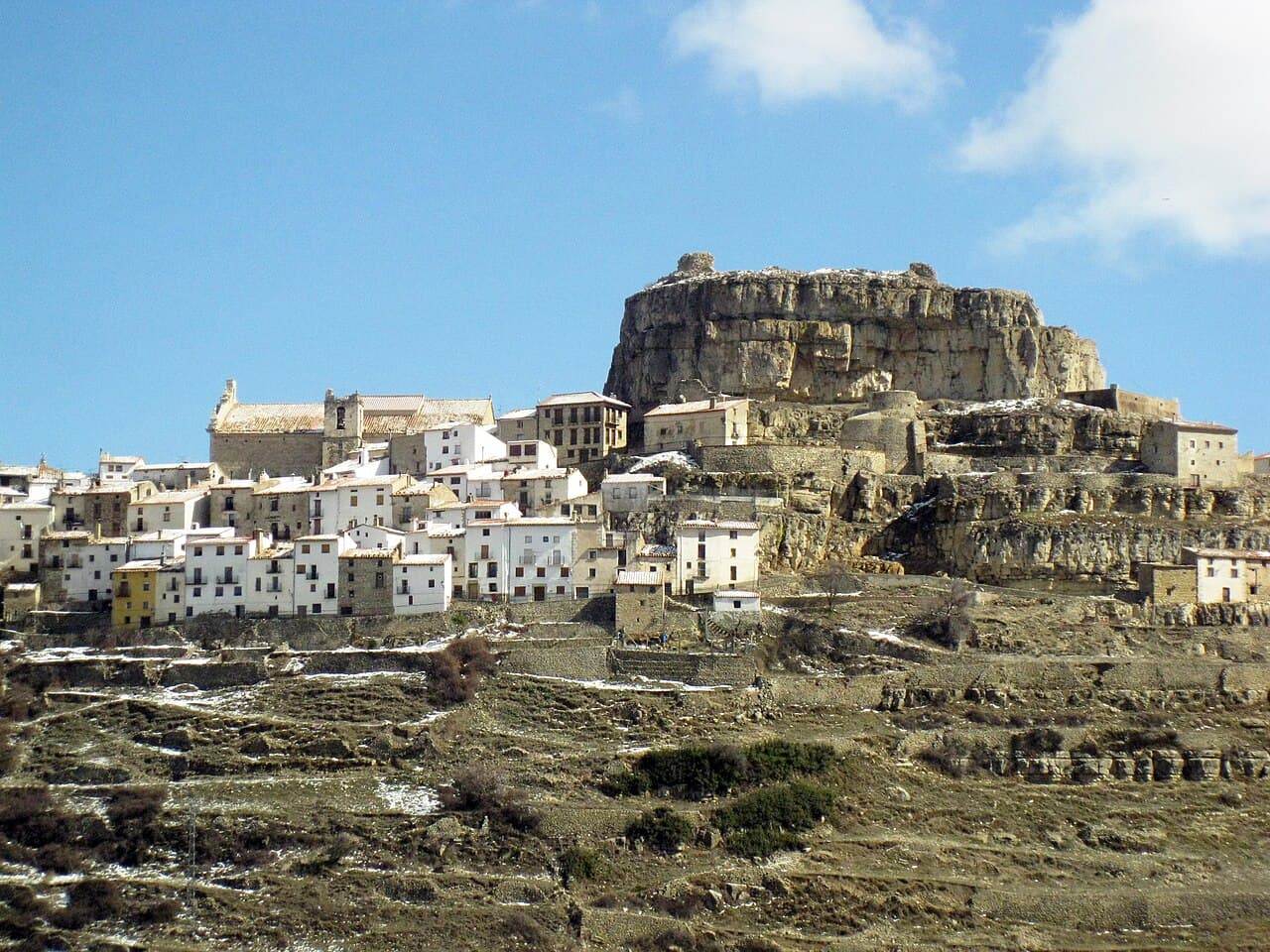
Ares Castle, historic hill fortress in Spain
High Medieval (11th–13th c.)
Ruins

Ares Castle is a notable example of a hill castle located in Spain, with origins tracing back to the medieval period. Positioned strategically on elevated terrain, this fortress was designed to oversee and control the surrounding landscape, a common defensive practice in castle construction during the High Medieval era.

Historical context and significance

The castle's construction likely dates to the 12th or 13th century, a time when fortifications were essential for territorial defense and asserting feudal power in the Iberian Peninsula. Ares Castle served as a military stronghold and a symbol of authority for local lords. Its location on a hill provided natural defensive advantages, including visibility over approaching enemies and difficulty of assault.

Architectural features

Defensive structures

The castle's design incorporates typical hill castle elements such as thick stone walls, battlements, and a fortified gatehouse. The elevated position allowed the builders to integrate natural rock formations into the defensive system, enhancing the castle's resilience against sieges. The walls likely enclosed a courtyard that housed essential facilities like storage rooms, living quarters, and possibly a chapel.

Towers and keep

Ares Castle includes one or more towers that served both as lookout points and defensive positions. The main keep or donjon, a central stronghold within the castle, would have been the last refuge during attacks. These towers were constructed with narrow arrow slits for archers and thick walls to withstand bombardment.

Preservation and current condition

Today, Ares Castle remains a significant cultural landmark, although it is in a state best described as ruins. The remaining structures offer valuable insights into medieval military architecture and the historical landscape of the region. Efforts to preserve the site focus on maintaining the stability of the existing walls and preventing further deterioration.

Visiting Ares Castle

While specific visitor information is limited due to the castle's remote location and partial ruin status, Ares Castle attracts history enthusiasts and hikers interested in exploring medieval fortifications in Spain. The site provides panoramic views of the surrounding countryside, making it a rewarding destination for those who appreciate both history and natural scenery.

Frequently asked questions (FAQ)

How do I get to Ares Castle?
Ares Castle is located in the picturesque region of Spain, easily accessible by car or public transport. If you are driving, there are well-marked signs leading to the castle, and ample parking is available nearby. Public transport options include local buses that run regularly from nearby towns.
What is the historical significance of Ares Castle?
Ares Castle dates back to the 12th century and played a crucial role in the defense of the region during the medieval period. It has witnessed numerous battles and has been a symbol of power and resilience throughout history. Today, it stands as a testament to the architectural and cultural heritage of Spain.
When was Ares Castle built?
Construction of Ares Castle began in the late 11th century and was completed in the early 12th century. It was built as a strategic stronghold to protect the region from invasions. Over the centuries, it has been modified and restored, maintaining its historical integrity.
Can I take guided tours of Ares Castle?
Yes, guided tours of Ares Castle are available and provide an in-depth look at its history and architecture. The tours are conducted by knowledgeable guides who can share fascinating stories and insights about the castle's past. It's recommended to book in advance, especially during peak tourist season.
Why is Ares Castle considered an architectural marvel?
Ares Castle showcases a blend of Romanesque and Gothic architectural styles, which are evident in its towers, walls, and battlements. The meticulous stonework and design reflect the engineering skills of the time, making it a significant example of medieval architecture in Spain. Visitors often marvel at the stunning views it offers from its elevated position.
Is it possible to visit Ares Castle year-round?
Yes, Ares Castle is open to visitors year-round, although hours may vary seasonally. It's advisable to check the official website for the latest opening times and any special closures. Visiting during the off-peak months can provide a more tranquil experience.
What are the ticket prices for Ares Castle?
Ticket prices for Ares Castle are quite reasonable, with discounts available for children, students, and seniors. Group rates are also offered, making it an affordable option for families and school trips. Be sure to check online for any special promotions or packages available during your visit.
What is the best time to visit Ares Castle?
The best time to visit Ares Castle is during the spring and fall when the weather is mild and the crowds are smaller. This allows for a more enjoyable exploration of the castle and its surroundings. Summer can be hot, while winter may bring colder temperatures, so plan your visit accordingly.
Are there any nearby attractions to Ares Castle?
Yes, there are several nearby attractions to explore, including local museums and beautiful hiking trails that showcase the region's natural beauty. Additionally, charming towns and villages are located within a short drive, offering vibrant culture and cuisine. Ares Castle serves as an excellent starting point for discovering the region's rich history and landscape.

Photo gallery

Ares Castle
Click to view

Photo by Enfo•CC BY-SA 3.0

1 photo • Click any image to view in full screen

Information

Hill Castle

Loading map...

Visitor reviews

No reviews yet. Been here? Write the first review and help other travelers!

Write the first review

Visited this castle? Share your experience

Your review helps other travelers and adds first-hand knowledge to our encyclopedia.

Write a review

(5/5)

0/2000 characters

Your review will be visible after admin approval

Nearby castles

13.4 km

Culla Castle and Walls

Culla, Spain

Culla Castle and Walls stand as a remarkable testament to the rich medieval heritage of the town of Culla, located in the province of Castellón, Spain. This hill castle occupies the highest point of the settlement atop a distinctive tableland known locally as the muela. Originally constructed during the 12th century under Muslim rule, the fortress was strategically positioned to control the surrounding territory and protect the settlement. Before the castle's erection, the area around Culla held significant prehistoric importance, evidenced by archaeological discoveries including rock paintings that attest to early human activity. These findings highlight the long-standing human presence in this mountainous region of the Iberian Peninsula. The origins and early history of Culla Castle The fortress was built during the period of Arab domination in the 12th century, serving as a military stronghold designed to oversee and defend the region. Its location on the muela provided a commanding vantage point over the surrounding landscape, essential for both surveillance and defense. In 1233, the castle and town were reconquered by Blasco de Alagón as part of the Christian advance during the Reconquista. Following this, Culla was granted its town charter in 1244, formally integrating it into the Kingdom of Valencia. This transition marked a significant shift in the castle's role and ownership, as it became a key defensive and administrative site within Christian territories. Medieval military orders and the castle's evolution By the beginning of the 14th century, control of Culla Castle passed to the Order of the Temple, commonly known as the Knights Templar. This military and religious order played a pivotal role in defending and managing frontier territories during the medieval period. The Templars maintained possession until their dissolution in the early 14th century. After the suppression of the Templars, the castle came under the authority of the Order of Montesa, founded in the 14th century to continue the military and religious mission of the Templars in the region. During their stewardship, the local population of Culla and six neighboring municipalities formed a cooperative alliance known as the Setena de Culla or Comunitat d’Herbatge in 1345. This coalition collectively acquired rights to pasture and forest resources from the Order of Montesa, ensuring shared management of grazing lands that were vital for the local agrarian economy. Architectural features and fortifications The castle complex originally featured an irregular design composed of three roughly concentric defensive enclosures. This layered defense system was intended to maximize protection of the settlement’s highest area, adapting over time to evolving military needs. Although much of the structure lies in ruins today, surviving elements include fragments of the outer defensive wall, which in some places have been incorporated into the foundations and walls of later residential buildings. Sections of this wall include towers, passageways, and gates that once guarded the approaches to the fortress. Notably, several towers date back to the 13th century, including the remains of the Torre del Frare Pere, which stands as a significant reminder of the castle’s medieval military importance. The entrance gate leading to the barbican, a fortified outwork designed to protect the main door, remains partially intact. This layered entrance system was a common defensive feature in medieval fortifications, intended to slow and expose attackers. Embedded within the walls are heraldic shields belonging to the Order of Montesa, marking the period of their control and providing a tangible connection to the castle’s religious and military patrons. The original walls and defensive structures were constructed during the Arab period but underwent significant alterations following the Christian reconquest. Families such as the Alagón and Anglesola further reinforced the fortifications, reflecting the changing military technologies and threats of the later medieval period. Integration with urban development Adjacent to and partially integrated with the defensive walls is a notable group of stately houses. These structures exemplify how later urban expansion incorporated the old fortifications into residential architecture. This gradual transformation from a military stronghold to a component of the town’s living core illustrates the evolving relationship between defense and daily life in Culla. Economic and social context Throughout the medieval and early modern periods, the economy of Culla centered on dry farming of crops such as almonds, olives, hazelnuts, vines, and cereals. Livestock raising was also extensive, with sheep, goats, and cattle forming the backbone of rural life. More intensive agricultural activities, including pig husbandry, poultry keeping, and beekeeping, complemented the traditional farming economy. The cooperative management of grazing lands through the Setena de Culla alliance was crucial for sustaining the livestock economy, illustrating the communal approach to natural resource management in medieval Spain. Decline and damage during the modern era By the 18th century, the military and administrative relevance of Culla Castle diminished significantly. The town experienced notable urban development, including the construction of the Parish Church of El Salvador and the Hermitage of San Cristóbal. These new buildings redefined the town’s character, and the expansion of the urban area encroached upon the defensive walls. As a result, parts of the old fortifications were either demolished or incorporated into residential buildings. During the 19th century Carlist Wars, a series of civil conflicts that affected much of Spain, Culla endured frequent skirmishes. The castle suffered disastrous damage during this period, leading to the near-total destruction of its structure. Today, the fortress remains in a ruined state, bearing the scars of conflict and neglect. Heritage status and cultural significance Recognizing its cultural and historical value, the remains of Culla Castle and Walls have been legally protected since 1997 as a Bien de Interés Cultural, a designation reserved for Spanish heritage sites of significant importance. This status helps ensure the preservation of the site and promotes awareness of its historical legacy. Visitors to Culla today can explore the ruins and gain insight into the castle’s layered history, from its Muslim origins and medieval military orders to its transformation through urban growth and its decline following 19th-century conflicts. The site offers a unique window into the strategic, social, and architectural evolution of a fortress that played a pivotal role in the history of the region. Overall, Culla Castle and Walls stand as enduring symbols of the complex history of the Iberian Peninsula, reflecting centuries of cultural exchange, military conflict, and community resilience.

High Medieval (11th–13th c.)
Details
18.4 km
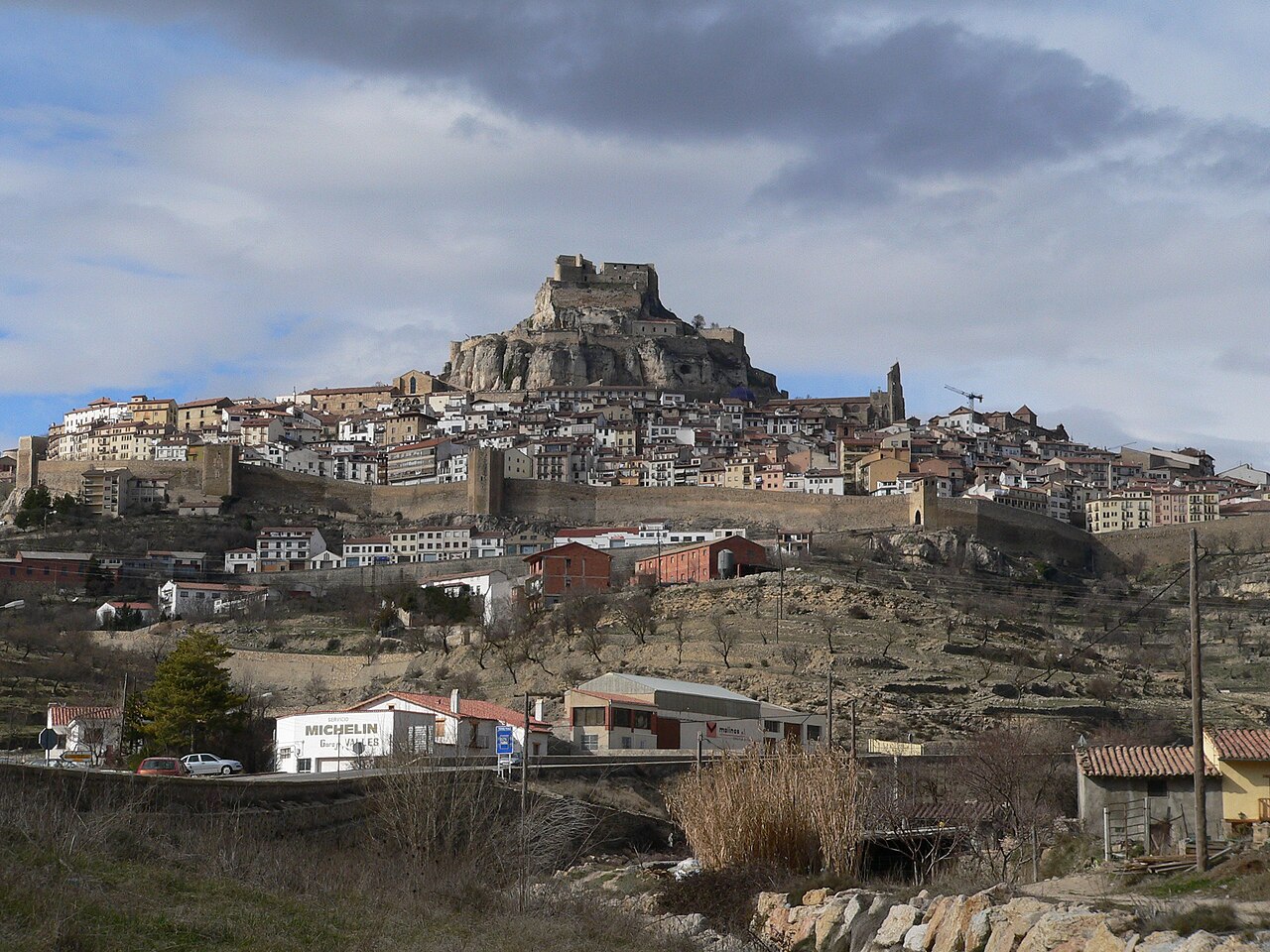
Morella Castle — Spain castle

Morella Castle

Morella, Spain

Morella Castle stands as one of the most imposing and historically rich fortresses in the region of Morella, Spain. Its commanding position atop a natural rocky promontory, known as La Mola, has made it a strategic military site since prehistoric times. Archaeological evidence reveals continuous human occupation dating back to the 3rd millennium BCE, including remains from the Neolithic, Bronze, and Iron Ages. The castle's location enabled control over the natural passage from the interior of the Iberian Peninsula to the Mediterranean coast, highlighting its importance as a military and trade stronghold throughout history. The fortress as it appears today primarily dates from the 13th century, built during the period of Muslim rule in the Iberian Peninsula. The original Muslim builders incorporated characteristic elements of Islamic military architecture, adapting the fortress to the rugged terrain. Following the Christian Reconquista led by King Jaime I, the castle underwent significant modifications to meet the defensive needs of medieval European warfare. These adaptations included strengthening walls, adding towers, and reconfiguring internal spaces to accommodate the evolving military technology and tactics of the High Medieval period. Historical significance and military role Morella Castle's history is deeply intertwined with the complex political and military struggles of the Iberian Peninsula. Its strategic location made it a coveted prize for various powers. The site saw occupation and fortification by Iberian tribes, Romans, Visigoths, Muslims, and Christians, each leaving architectural and cultural imprints. Notably, the castle played a role in the legendary campaigns of El Cid, the Castilian nobleman and military leader, underscoring its importance during the medieval Reconquista. In later centuries, Morella Castle was a key stronghold during the War of Spanish Succession in the early 18th century and again during the Carlist Wars of the 19th century. In 1838, the castle was seized by Carlist forces under the command of Ramon Cabrera, a prominent Carlist general. The following year, the fortress was modernized under the supervision of Baron Wilhelm von Radhen, a Prussian military engineer, who introduced updates to its defenses reflecting advances in artillery and siege warfare. The castle sustained damage in 1840 during a bombardment by forces loyal to Espartero, which destroyed the powder magazine. One of the castle's towers, the Torre de la Pardala, commemorates Josefa Bosch, a local heroine who led resistance efforts against Napoleonic troops. Recognizing its cultural and historical value, Morella Castle was declared a historic-artistic monument on June 3, 1931, and it is now part of Spain's National Heritage registry. Architectural features and layout The castle is an exemplary hill castle that masterfully integrates the natural rocky terrain into its defensive structures. The fortress is organized into three main levels, each serving distinct military and administrative functions. Lower level: entrance and defensive walls The lowest level contains the main entrance and the Governor’s Palace, surrounded by robust defensive walls supported by fourteen towers. Most of these towers are semicircular and constructed using traditional stone masonry, a technique involving carefully shaped stones fitted together without mortar. Among these, the rectangular Torre del Pantó stands out as a well-preserved 15th-century structure, showcasing the castle's medieval stonework craftsmanship. Middle level: artillery batteries The middle tier was adapted to accommodate artillery batteries, reflecting the evolution of military technology with the introduction of gunpowder weaponry. This level's modifications demonstrate the castle's continuous use and strategic importance well into the post-medieval period. Upper level: main castle and keep The uppermost level houses the heart of the fortress, including the main castle and the Torre Celoquia, which served as the Christian keep during the 18th and 19th centuries. This tower, heavily bombarded in 1813, was originally constructed in the 13th century and features three vaulted floors. Interestingly, it lacks internal staircases, requiring access through adjacent buildings, a design choice common in medieval keeps to enhance defense. Access to the upper castle is via a staircase that originally had ninety steps, with 54 steps still intact today. This stairway leads through a fortified gate into the plaza de armas, the central courtyard used for military assembly and daily activities. At the plaza's center lies a Roman-era aljibe, a cistern used for water storage, now topped by a 19th-century sentry box and flanked by remnants of a guardhouse, illustrating the layering of historical periods within the castle. South of the plaza are remains of a building with a partial basement connected to the Torre Celoquia. This basement once housed a chapel dedicated to Santa Bárbara and Santa Magdalena until the 18th century, after which it was repurposed as a prison. The Torre Celoquia is topped with a typical medieval four-sided pitched roof designed to shed rainwater efficiently. Preservation and visitor experience Today, Morella Castle is well-preserved and accessible to visitors, with restoration efforts focused on conserving its extensive historical fabric. Entry to the castle is gained through the cloister of the Convent of San Francisco, adding an additional layer of historical context to the visitor experience. The castle offers a vivid glimpse into the military architecture of the High Medieval period, enriched by centuries of modifications reflecting changing defensive needs. Visitors can explore the castle's multiple levels, towers, and courtyards, each telling stories of the various civilizations that inhabited this strategic hilltop fortress. Morella Castle remains a symbol of the region's turbulent history and cultural heritage, attracting historians, architecture enthusiasts, and tourists alike. Its combination of natural defenses, robust stone masonry, and historical significance makes it a remarkable example of medieval military architecture in Spain.

High Medieval (11th–13th c.)
Details
23.4 km
Todolella Castle — Spain castle

Todolella Castle

Todolella, Spain

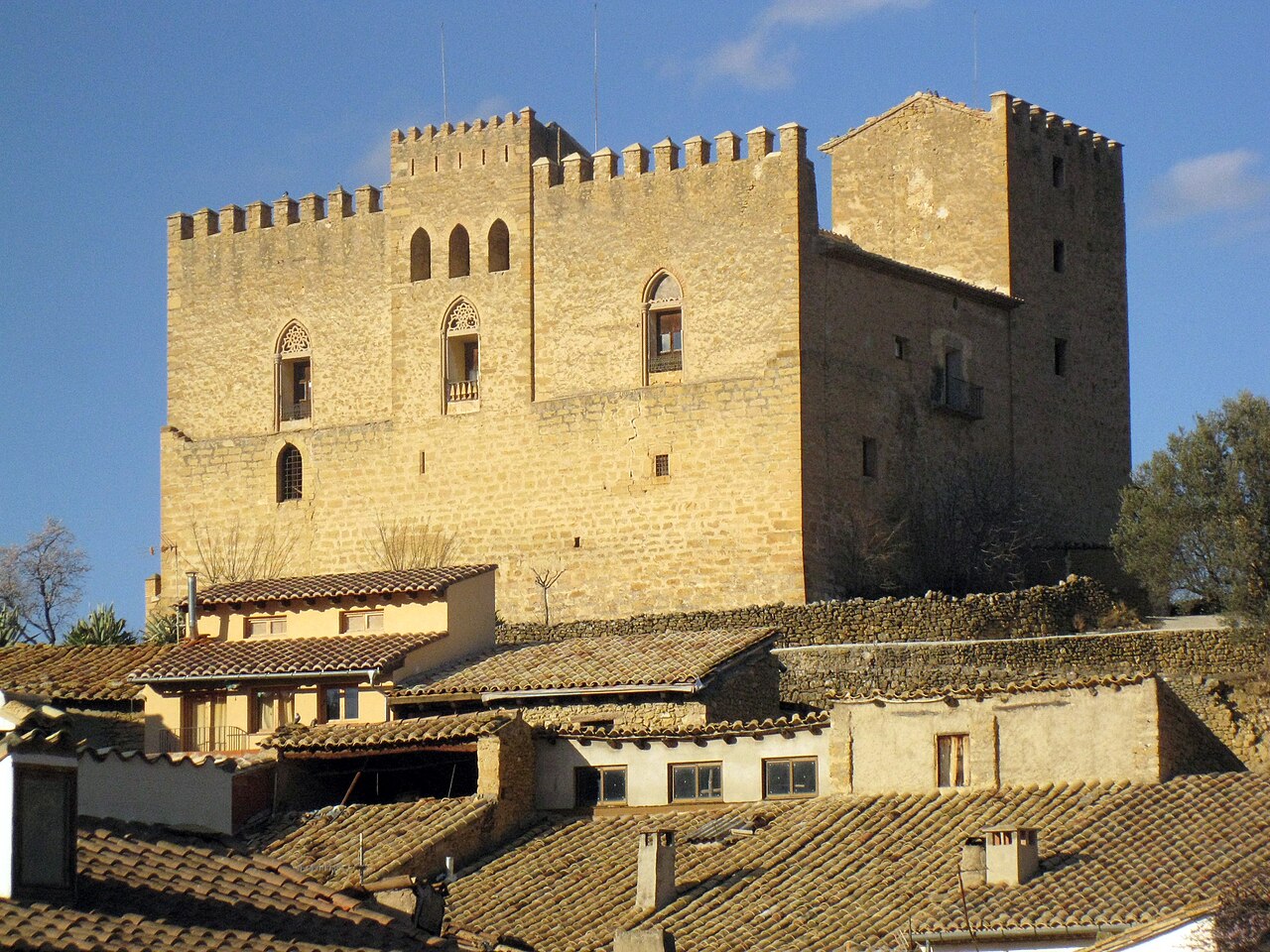
Todolella Castle stands as a significant example of a late medieval hill castle located in the village of Todolella, in the province of Castellón, Spain. Constructed originally in the 14th century, the castle was strategically positioned on a hilltop to oversee and control the surrounding territory, a common defensive practice of the period. Its elevated location provided natural protection and a commanding view over the landscape, which was critical during the turbulent times of the Middle Ages in the Iberian Peninsula. Architectural design and layout The castle's layout is characterized by four main structures arranged around a central patio, a typical feature in many Mediterranean castles that allowed for light and ventilation within the complex. This central courtyard served as a focal point for daily activities and gatherings. The surrounding buildings included various rooms designed for both residential and defensive purposes, reflecting the castle's dual role as a fortress and noble residence. Defensive features The castle's walls are constructed from robust masonry, built to withstand sieges and attacks. A notable feature is the presence of merlons atop the walls, which are the solid upright sections of a battlement, providing cover for defenders while allowing them to observe and shoot at attackers. These merlons were restored in recent conservation efforts, preserving the castle's medieval defensive character. Residential transformation In the 16th century, Todolella Castle underwent significant modifications to serve as a residence rather than solely a military fortress. This transformation reflects the broader Renaissance trend in Spain, where many castles were adapted to more comfortable living spaces while retaining their defensive elements. The residential buildings within the castle complex include rooms with more refined architectural details, indicating the status and lifestyle of its inhabitants during this period. Historical context and significance Todolella Castle was built during a period marked by frequent conflicts and territorial disputes in the Kingdom of Valencia, part of the Crown of Aragon. The castle played a role in regional defense and control, acting as a stronghold for local lords. Its construction and later adaptations illustrate the evolution of military architecture transitioning into Renaissance residential styles. Preservation and current status The castle is currently privately owned and inhabited, which has contributed to its good state of preservation. Recent restoration efforts have focused on maintaining the structural integrity of the walls and battlements, including the restoration of the merlons. Visitors can access Todolella Castle by booking in advance, allowing a rare glimpse into a privately held historic monument that combines medieval fortification with Renaissance domestic architecture. Visiting Todolella Castle While Todolella Castle is not open for casual walk-in visits, arranging a visit through prior booking offers an opportunity to explore its historic spaces and appreciate its architectural features. The castle's setting on a hill provides scenic views of the surrounding countryside, enhancing the visitor experience. The combination of medieval and Renaissance elements makes Todolella Castle a unique site for those interested in Spanish castle architecture and history. Frequently asked questions about Todolella Castle How do I arrange a visit to Todolella Castle? Visits are possible by booking in advance with the current private owners, as the castle is not open for casual tourism. What period does Todolella Castle date from? The castle was originally built in the 14th century and remodeled in the 16th century during the Renaissance. What are the main architectural features of Todolella Castle? Notable features include its four-structure layout around a central patio, robust masonry walls topped with merlons, and a blend of medieval and Renaissance elements. Is Todolella Castle accessible for visitors with mobility issues? Due to its hilltop location and historic structure, accessibility may be limited; visitors should inquire in advance. Why was Todolella Castle rebuilt in the 16th century? The rebuilding reflected a shift from purely defensive use to a more comfortable residential function, typical of Renaissance adaptations. Are there guided tours available at Todolella Castle? Guided tours may be arranged through the owners upon booking, providing detailed insights into the castle's history and architecture. What is the condition of Todolella Castle today? The castle is well preserved and has undergone recent restoration to maintain its defensive features and residential structures.

Late Medieval (14th–15th c.)
Details