Araklovon Castle
Araklovon Castle, also historically referred to as Oreoklovon and known in medieval French as Bucelet, is a significant Byzantine-era hill castle situated in the region of Skorta in the southwestern Peloponnese, Greece. Constructed in the 8th century, it served as a strategic military stronghold during the Early Medieval period, playing a critical role in the defense of the Byzantine territories against various incursions over the centuries.
The strategic importance of araklovon castle
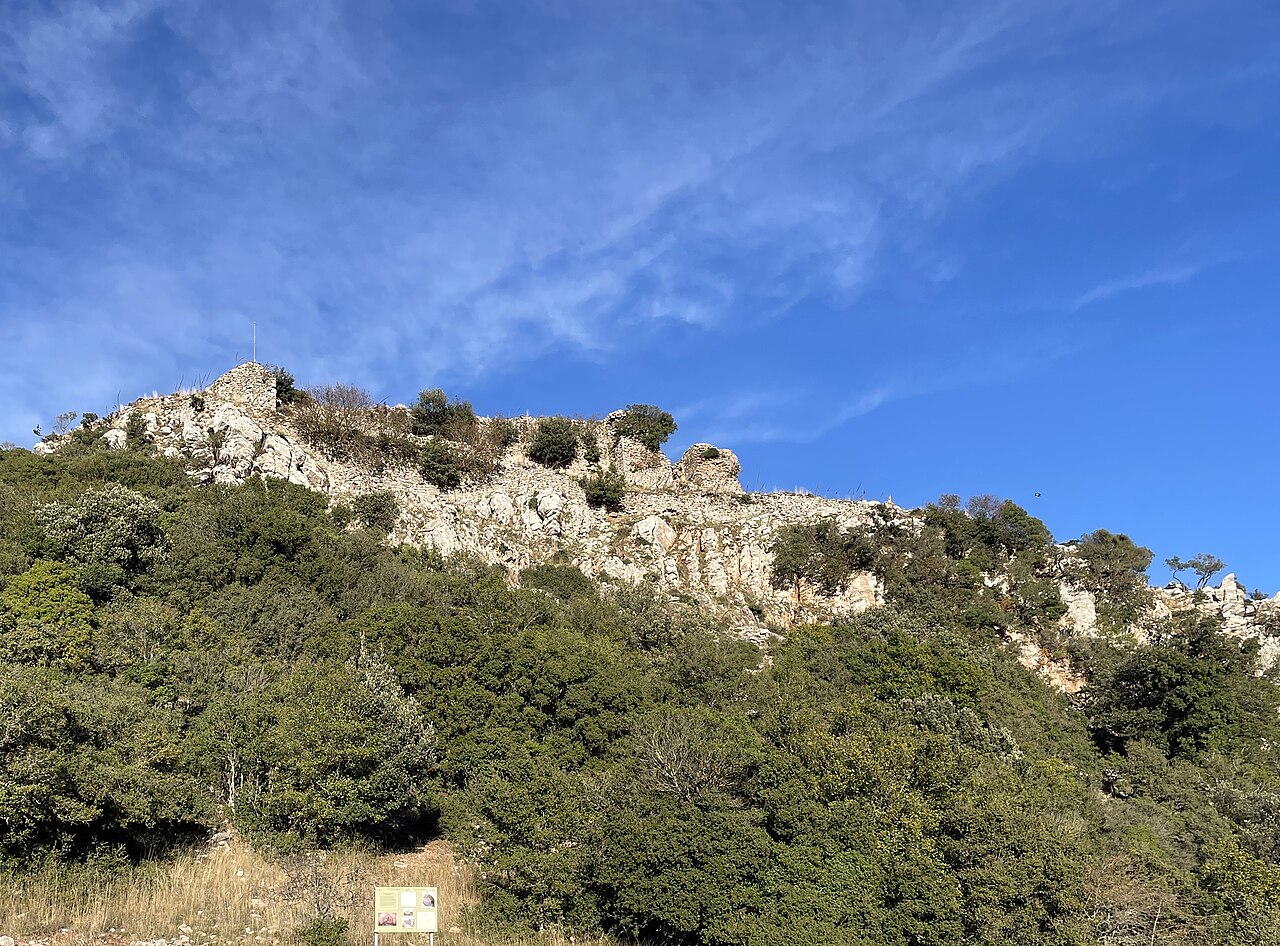
Perched on a commanding hilltop, Araklovon Castle was ideally positioned to oversee and control key mountain passes and routes through the rugged landscape of the Peloponnese. Its location in the Skorta region was crucial for monitoring movements between the interior and coastal areas, making it a vital point of defense against invasions by Latin crusaders and local insurgents during the Byzantine period.
The castle's elevated position provided natural defensive advantages, including clear sightlines for early warning of approaching enemies and difficult access for attackers. This made Araklovon a formidable obstacle for forces attempting to penetrate deeper into Byzantine-held lands.
Architectural features and construction
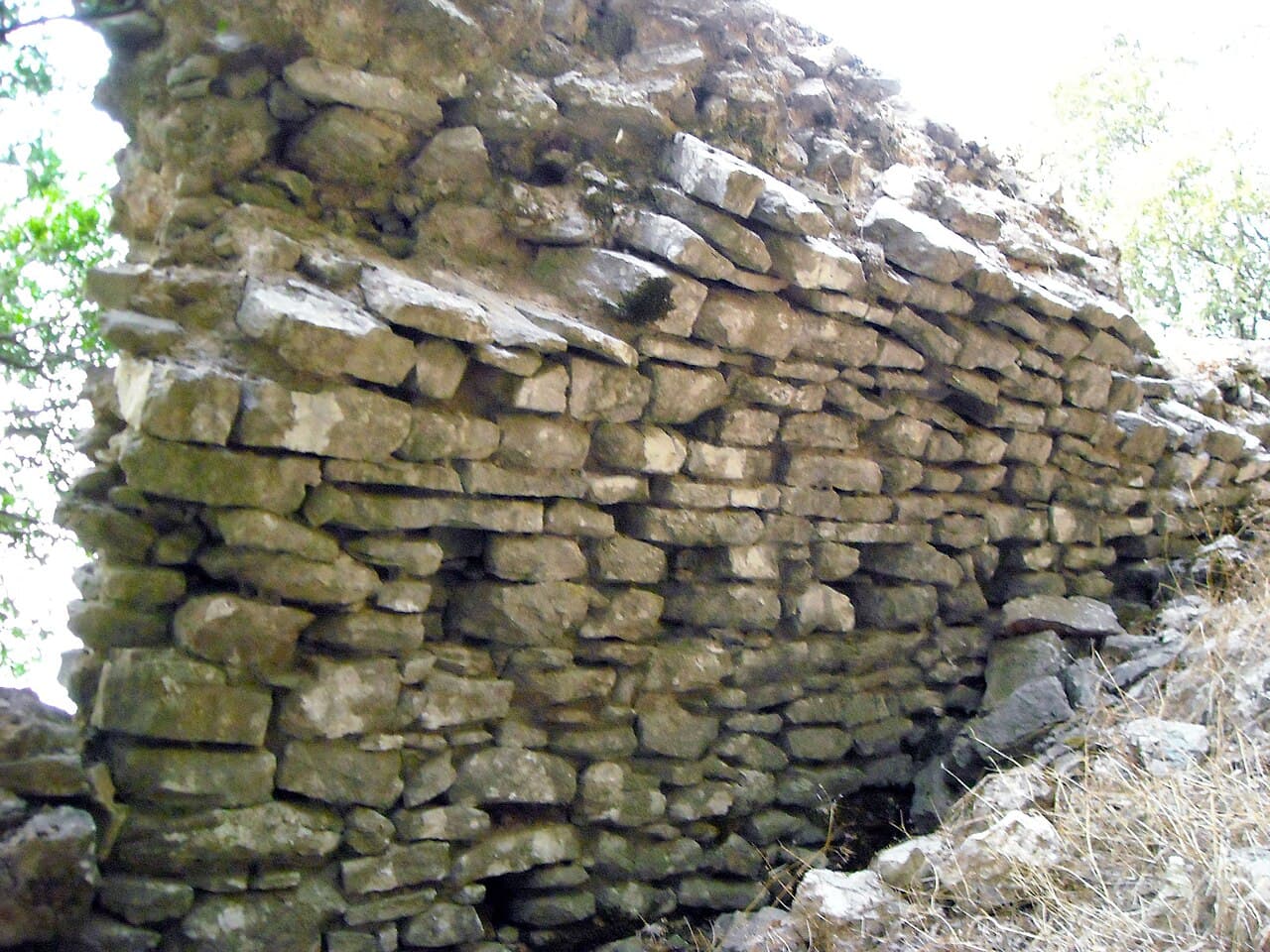
Araklovon Castle exemplifies typical characteristics of Early Medieval Byzantine military architecture. Its construction primarily utilized locally sourced stone, arranged in thick defensive walls designed to withstand sieges and assaults. The castle likely featured a keep or donjon as the central stronghold, surrounded by curtain walls with towers at strategic points to enhance defense.
While detailed architectural plans have not survived, the castle's remains indicate a compact layout adapted to the hill’s contours, maximizing natural defenses. The walls would have included battlements and arrow slits for archers, with a single main gate fortified to control access.
Defensive structures
The castle's defensive system probably included a moat or ditch around the most vulnerable approaches, supplemented by battlements and possibly machicolations—overhanging parapets allowing defenders to target attackers directly below. These features were common in Byzantine fortifications of the era to strengthen defense against siege engines and infantry assaults.
Historical context and significance
Araklovon Castle was built during a period of frequent conflict and shifting control in the Peloponnese. The 8th century marked a time when the Byzantine Empire sought to consolidate its hold over the region after periods of instability caused by Slavic incursions and internal strife.
Throughout the Middle Ages, the castle remained a key defensive site during the Byzantine-Latin conflicts following the Fourth Crusade and the establishment of Frankish states in Greece. It was referenced in various medieval chronicles under its French name Bucelet, indicating its importance to both Byzantine and Western European powers.
Role in medieval warfare
As a hill castle, Araklovon was part of a network of fortifications designed to delay or prevent enemy advances. Its garrison would have been responsible for controlling the surrounding territory, protecting local populations, and serving as a base for military operations.
Current condition and preservation
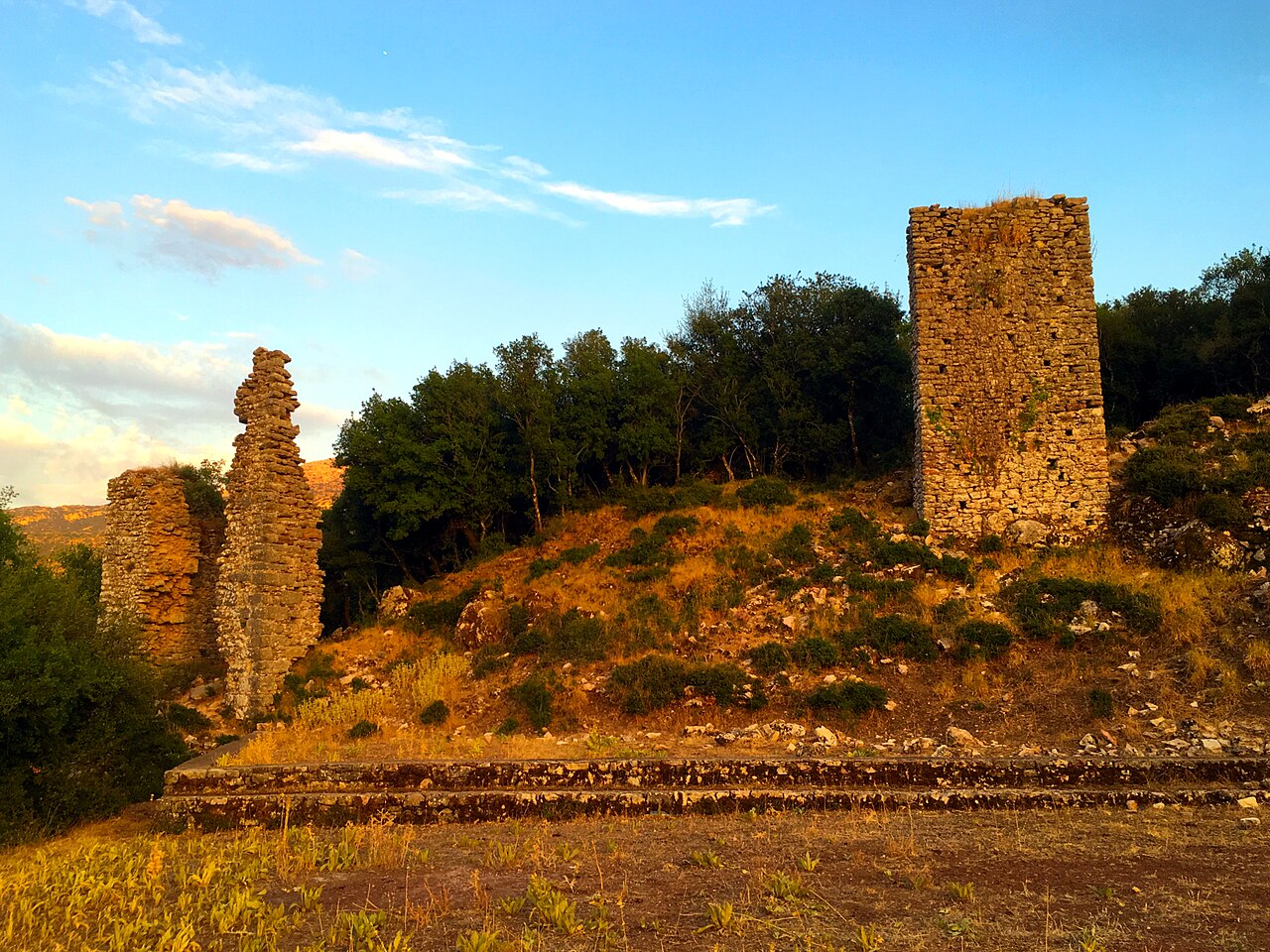
Today, Araklovon Castle survives primarily as ruins, with portions of its defensive walls and foundations still visible. The site offers valuable insights into Byzantine military architecture and the strategic defense systems of the Peloponnese during the Early Medieval period.
Preservation efforts have been limited, and the castle remains an archaeological site of interest for historians and visitors fascinated by the region's medieval past. Its remote location and rugged terrain contribute to its relatively untouched state, allowing for ongoing study and exploration.
Visiting araklovon castle
Access to the castle is typically via hiking trails that ascend the hill, offering visitors panoramic views of the surrounding landscape. Due to its status as a ruin and the lack of extensive tourist facilities, visitors should prepare accordingly and respect the site's historical significance.
Exploring Araklovon Castle provides a unique opportunity to connect with the Byzantine heritage of Greece and to appreciate the military ingenuity of the period.
Frequently asked questions (FAQ)
- How do I get to Araklovon Castle?
- Araklovon Castle is located in a remote area of the Peloponnese and is accessible mainly by hiking. Visitors should prepare for a trek up a hill, as there are no direct roads leading to the site.
- What is the historical significance of Araklovon Castle?
- Araklovon Castle was a key Byzantine military fortress built in the 8th century to protect the southwestern Peloponnese. It played an important role in controlling mountain passes and defending against crusader and local incursions.
- Can I visit Araklovon Castle year-round?
- Yes, the castle ruins are accessible year-round, but visitors should consider weather conditions and the physical demands of hiking to the site. Spring and autumn offer the most comfortable conditions for visiting.
- Is Araklovon Castle well preserved?
- The castle is in a state of ruins, with only parts of the walls and foundations remaining. It offers valuable archaeological insights but lacks extensive restoration or visitor facilities.
- Are there guided tours available at Araklovon Castle?
- Due to its remote location and status as ruins, there are no regular guided tours. Visitors often explore the site independently or with local guides arranged in nearby towns.
Photo gallery

Photo by Huskarl2000•Public domain
Information
Loading map...
Visitor reviews
No reviews yet. Been here? Write the first review and help other travelers!
Write the first reviewVisited this castle? Share your experience
Your review helps other travelers and adds first-hand knowledge to our encyclopedia.