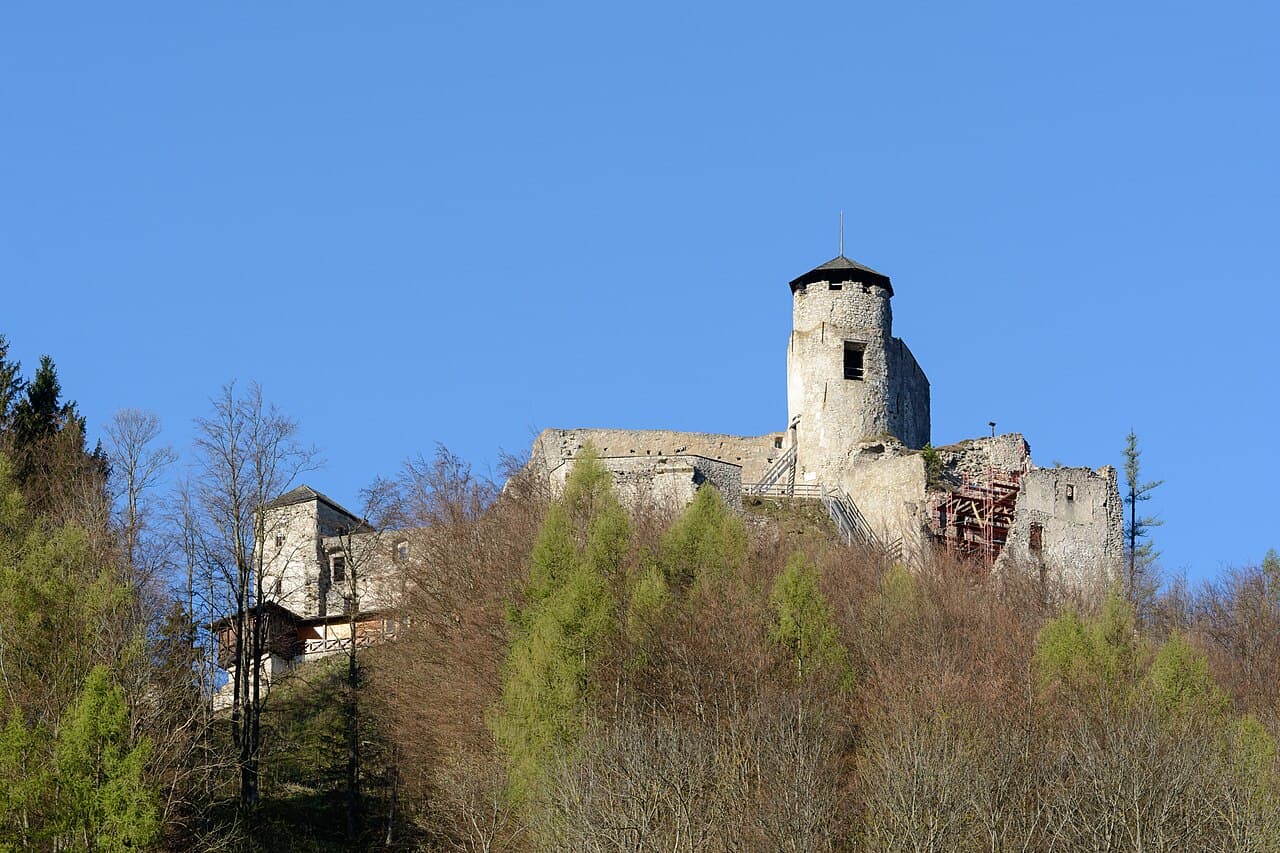
Araburg castle stands as a significant high medieval fortress located near Kaumberg in Lower Austria. Constructed initially in the 12th century, it evolved over several centuries, reflecting the changing military and architectural needs of the region. Its position at an elevation of 776 metres (2,546 ft) makes it the highest castle ruin in Lower Austria, providing strategic oversight of the surrounding landscape.
Medieval origins and architectural evolution
The castle's origins date back to the high medieval period, a time when fortifications were critical for territorial control and defense. Araburg was initially built as a hilltop fortress, designed to take advantage of its elevated location for both defense and surveillance. The early structure likely featured a keep or donjon, surrounded by defensive walls and possibly a moat or ditch to hinder attackers.
Over the centuries, Araburg underwent expansions and modifications, continuing well into the 17th century. These developments included the reinforcement of its walls and the addition of new defensive elements to adapt to evolving siege technologies and political challenges. The castle's layout would have incorporated typical medieval features such as battlements, gatehouses, and courtyards to support both military functions and residential needs.
Role in regional conflicts and sieges
Araburg played a vital role during several historical conflicts, notably during the first Turkish siege of 1529. At this time, the castle served as a refuge for the local population, highlighting its importance as a defensive stronghold in the face of Ottoman incursions into Central Europe. Its elevated position and fortifications made it a natural sanctuary during times of military threat.
In addition to its military function, Araburg was involved in the religious wars between Catholics and Protestants, a turbulent period in Austrian history marked by sectarian conflict and shifting allegiances. The castle's ownership and strategic use during these wars reflected the broader struggles for power and influence in the region.
Destruction and current state
The castle's fortunes declined dramatically during the second Turkish siege in 1683, when it was destroyed. This event marked the end of Araburg as an active fortress, and since then it has remained in ruins. The destruction was part of the larger conflict between the Habsburg Empire and the Ottoman Empire, which shaped much of Central European history in the late 17th century.
Today, Araburg is classified as ruins and is considered an archaeological site. Despite its ruined condition, it remains an important cultural and historical landmark. Visitors to the site can explore the remains of its walls and towers, gaining insight into medieval castle construction and the turbulent history of the region.
Geographical significance and visitor experience
Located in the scenic region of Lower Austria, Araburg offers panoramic views of the surrounding countryside due to its high altitude. The castle's elevated position not only served military purposes historically but also provides modern visitors with a unique vantage point to appreciate the natural and historical landscape.
Access to the ruins involves hiking trails that attract tourists interested in history, architecture, and nature. The site is a popular destination for those seeking to connect with Austria's medieval past and enjoy the outdoors. Interpretive signage and local guides often provide context about the castle's history and architectural features.
Architectural characteristics and construction techniques
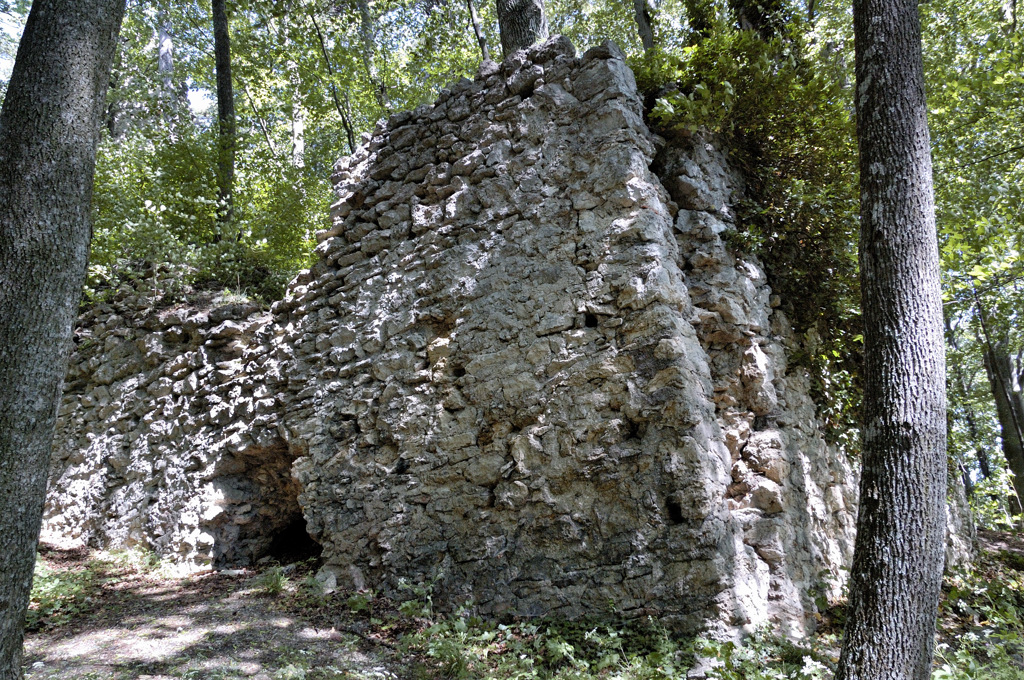
While much of Araburg's original structure has been lost, archaeological studies and remaining masonry reveal typical high medieval construction techniques. The use of locally sourced stone for thick defensive walls and the strategic placement of towers exemplify the military architecture of the time. The castle's design emphasized both defense and the ability to withstand prolonged sieges.
Features such as narrow arrow slits, robust gatehouses, and remnants of living quarters indicate a balance between fortification and habitation. The castle's layout would have been adapted over time to incorporate advancements in military technology, including adjustments to counter artillery introduced in later centuries.
Frequently asked questions (FAQ)
- How do I get to Araburg Castle?
- Araburg Castle is located in Kaumberg, Austria, and can be accessed by car or public transportation. The nearest major city is Vienna, which is about an hour's drive away. There are also local buses that connect to Kaumberg from nearby towns.
- What is the historical significance of Araburg Castle?
- Araburg Castle dates back to the 12th century and has a rich history tied to the feudal lords of the region. It served as a strategic fortification and residence, reflecting the architectural styles and military needs of its time. The castle is a symbol of medieval history in Austria and offers insights into the life of nobility during that era.
- Is it possible to explore the castle interiors?
- Yes, visitors can explore certain areas of Araburg Castle, including its main halls and towers. Guided tours are often available to provide context and historical details about the castle's architecture and significance. Be sure to check for specific tour availability on your visit.
- When is the best time to visit Araburg Castle?
- The best time to visit Araburg Castle is during the spring and early autumn when the weather is mild and the surrounding landscape is particularly beautiful. The castle also hosts various events and exhibitions during these seasons, enhancing the visitor experience. Summer can be busy, so visiting during the shoulder seasons is often more enjoyable.
- What are the opening hours for Araburg Castle?
- Araburg Castle generally opens to visitors from 10 AM to 5 PM, but hours may vary depending on the season and special events. It is advisable to check the official website or contact the castle management for the most current information before planning your visit.
- Can I bring my dog to Araburg Castle?
- Yes, pets are generally allowed at Araburg Castle, but they must be kept on a leash and under control at all times. Be sure to clean up after your pet to maintain the castle grounds. Always verify with the staff upon arrival for any specific regulations regarding pets.
- Are there any nearby attractions to visit?
- Yes, there are several nearby attractions worth visiting, including beautiful hiking trails in the surrounding nature parks and other historical sites in the region. The town of Kaumberg itself offers charming local culture and cafes to enjoy. Combining your visit to Araburg Castle with these nearby sites makes for a delightful day trip.
- What are the ticket prices for Araburg Castle?
- Ticket prices for Araburg Castle are generally affordable, with discounts available for students, seniors, and families. Children under a certain age may enter for free. It's best to check the official website for the latest pricing and any special offers before your visit.
Photo gallery

Information
Loading map...
Visitor reviews
No reviews yet. Been here? Write the first review and help other travelers!
Write the first reviewVisited this castle? Share your experience
Your review helps other travelers and adds first-hand knowledge to our encyclopedia.