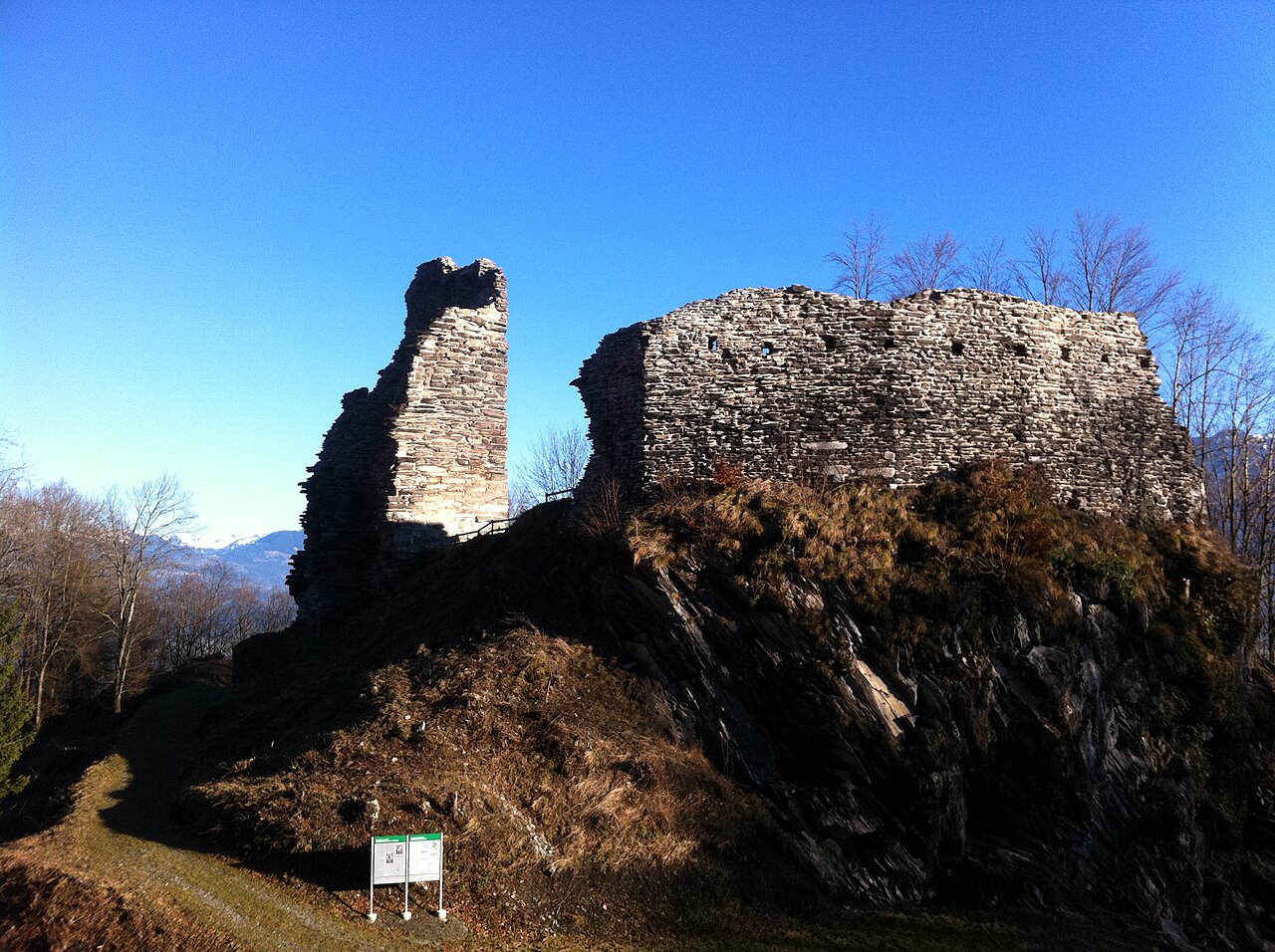
Appenzell Castle
Appenzell Castle stands as a remarkable example of Renaissance architecture in the Swiss canton of Appenzell Ausserrhoden. Constructed in 1563 as an elegant mansion for the physician Antoni Löw, the castle embodies the cultural and religious tensions of the 16th century during the Protestant Reformation in Switzerland. Antoni Löw, a fervent supporter of the Reformation, commissioned the castle as a symbol of his status and beliefs. Its location in the municipality of Appenzell on a hilltop classifies it as a hill castle, a common strategic choice for residences of notable figures in that era.
Architectural features and design
The castle's design reflects a harmonious blend of Gothic and Renaissance architectural elements, which is evident in its structure and ornamentation. It is built as a four-story stone mansion with a square ground plan, a characteristic layout for patrician houses of the period. The roof is a distinctive double-pitched cross-gable, a hallmark of Renaissance influence, providing both aesthetic appeal and practical weather resistance.
A notable feature is the round staircase tower attached to the main building, facilitating vertical circulation between floors. The entrance is accentuated by a portico, which adds to the castle's elegant façade and reflects the architectural tastes of the mid-16th century. The use of stone construction was relatively rare in Appenzell at the time, making the castle one of the few surviving stone buildings from the 16th century in the region.
Historical context and significance
Antoni Löw, the castle's original owner, was a prominent physician and a passionate advocate for the Protestant Reformation in Appenzell. His political and religious stance placed him at odds with the local Catholic majority. In 1584, Löw was arrested, tried, and executed for allegedly slandering a Catholic priest, a reflection of the intense religious conflicts of the time. Following his execution, the castle was confiscated by the city authorities.
The property was subsequently handed over to the Franciscan order, who occupied the castle for nearly a century. Their tenure lasted until 1682, when they moved to the newly constructed convent of St. Mary of the Angels (Maria zum Engel), located adjacent to the castle grounds. This transition marked a shift in the castle's function from a private residence to a religious institution and then back to private ownership.
Later ownership and adaptations
After the Franciscans vacated the castle, it was sold to Antoni Speck, who owned it until his death in 1708. The castle then passed to Johann Baptist Fortunat Sutter and remained within the Sutter family lineage thereafter. In 1875, Dr. Anton Alfred Sutter became the sole owner and adapted part of the castle to serve as his medical practice. This use earned the building the local nickname "Doctor's House."
Despite these functional changes, the castle has preserved its core architectural integrity and remains a private residence owned by the Sutter family. Its continuous occupation and maintenance have contributed to its excellent state of preservation.
Cultural heritage and preservation
Appenzell Castle is recognized as a cultural property of national significance in Switzerland. Its preservation offers valuable insights into the architectural styles and social history of the Renaissance period in this region. The castle's endurance as one of the few 16th-century stone buildings in Appenzell highlights the quality of its construction and the importance placed on it by successive owners.
The castle's architectural features, such as the sturdy stone walls, cross-gable roof, and staircase tower, remain well preserved, providing visitors and scholars with a tangible connection to the era. Its historical associations with the Reformation, the Franciscan order, and the Sutter family enrich its narrative, making it a significant landmark in Swiss heritage.
Visiting and accessibility
While Appenzell Castle remains private property and is not generally open to the public, its exterior can be admired from nearby public areas within the town of Appenzell. The castle's prominent position on a hill offers picturesque views and photographic opportunities, especially for those interested in Renaissance architecture and Swiss history.
Visitors to the region can also explore the adjacent St. Mary of the Angels convent, which has historical ties to the castle and the Franciscan community. The town of Appenzell itself offers a rich cultural experience with traditional Swiss architecture, local museums, and festivals that celebrate the area's heritage.
Frequently asked questions (FAQ)
- What is the historical significance of Appenzell Castle?
- Appenzell Castle, dating back to the 13th century, played a crucial role in the defense and governance of the Appenzell region. It served as a stronghold for local leaders and reflects the architectural style of medieval Swiss castles, highlighting the region's rich history.
- When was Appenzell Castle built?
- Construction of Appenzell Castle began in the early 1200s, with its strategic location chosen for defense against invasions. Over the centuries, it underwent various renovations and expansions, making it an important historical landmark in Switzerland.
- Can I visit Appenzell Castle year-round?
- Yes, Appenzell Castle is open to visitors year-round, though hours may vary by season. It is advisable to check the official website for current opening hours and any seasonal events that may enhance your visit.
- What are the opening hours for Appenzell Castle?
- Appenzell Castle typically opens at 9 AM and closes at 5 PM, but hours can vary depending on the time of year. During peak tourist season, the castle may have extended hours, so it’s best to verify before your visit.
- Is there an admission fee to enter Appenzell Castle?
- Yes, there is a nominal admission fee for visitors wishing to explore Appenzell Castle. The ticket prices are affordable and contribute to the maintenance and preservation of this historical site.
- What is the best time to visit Appenzell Castle?
- The best time to visit Appenzell Castle is during the late spring and early autumn months when the weather is mild and the surrounding landscape is beautiful. Additionally, visiting during local festivals can provide a unique cultural experience.
- How do I get to Appenzell Castle?
- Appenzell Castle is easily accessible by public transportation, with regular trains and buses connecting to the town of Appenzell. If you prefer driving, there are parking facilities nearby, making it convenient for all visitors.
- Are there any nearby attractions to explore after visiting Appenzell Castle?
- Yes, the town of Appenzell is rich in culture and charm, featuring shops, restaurants, and beautiful hiking trails. Nearby attractions include the Appenzeller Museum and the stunning Alpstein mountain range, perfect for outdoor enthusiasts.
- Is Appenzell Castle accessible for individuals with mobility challenges?
- Appenzell Castle has made efforts to improve accessibility for all visitors, including ramps and guided tours designed for individuals with mobility challenges. However, some areas may still pose difficulties, so it's recommended to inquire about specific accommodations ahead of your visit.
Information
Website
Visit websiteSources & official resources
Verify the information above using these authoritative references.
Loading map...
Visitor reviews
No reviews yet. Been here? Write the first review and help other travelers!
Write the first reviewVisited this castle? Share your experience
Your review helps other travelers and adds first-hand knowledge to our encyclopedia.